
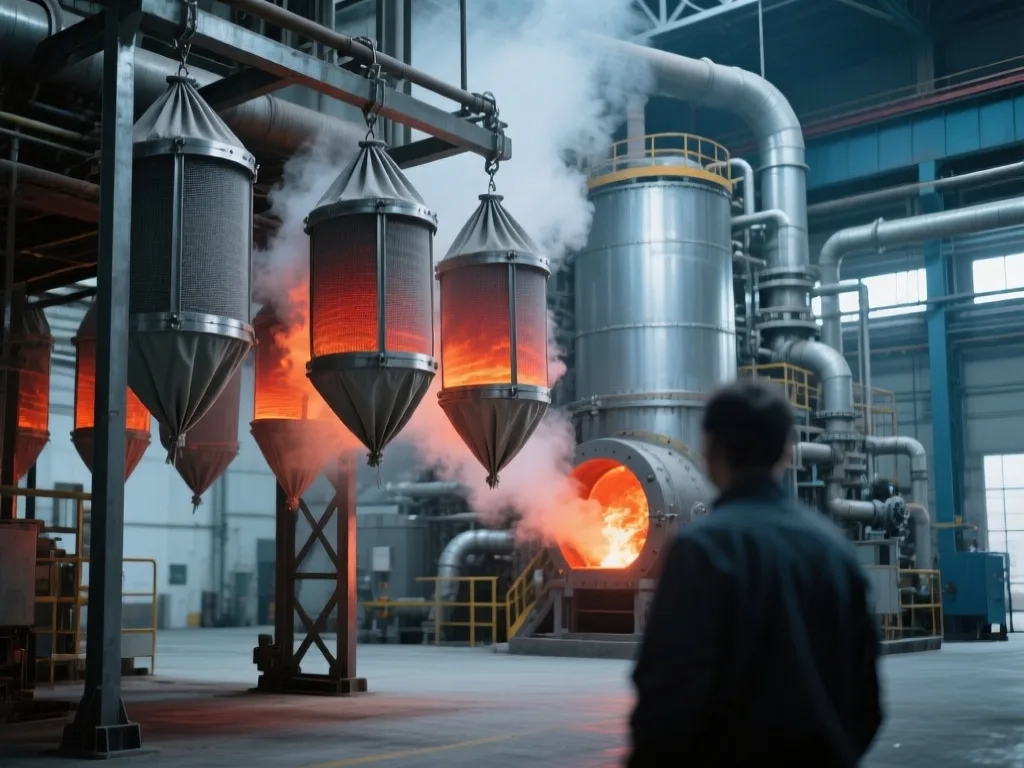
When it comes to industrial filtration, the right choice of high temperature filter bags can make all the difference in performance and longevity. But how do you navigate the complexities of temperature resistance ratings to find the perfect match for your specific needs? In this comprehensive guide, we’ll dive deep into the critical role of temperature resistance ratings in selecting high temperature filter bags, exploring how they impact performance in extreme heat environments. Whether you’re dealing with incinerators, power plants, or other high-temperature industrial processes, understanding these ratings is key to optimizing your filtration system. So, are you ready to unlock the secrets to selecting the best high temperature filter bags for your operations?
Understanding Temperature Resistance Ratings for High Temperature Filter Bags
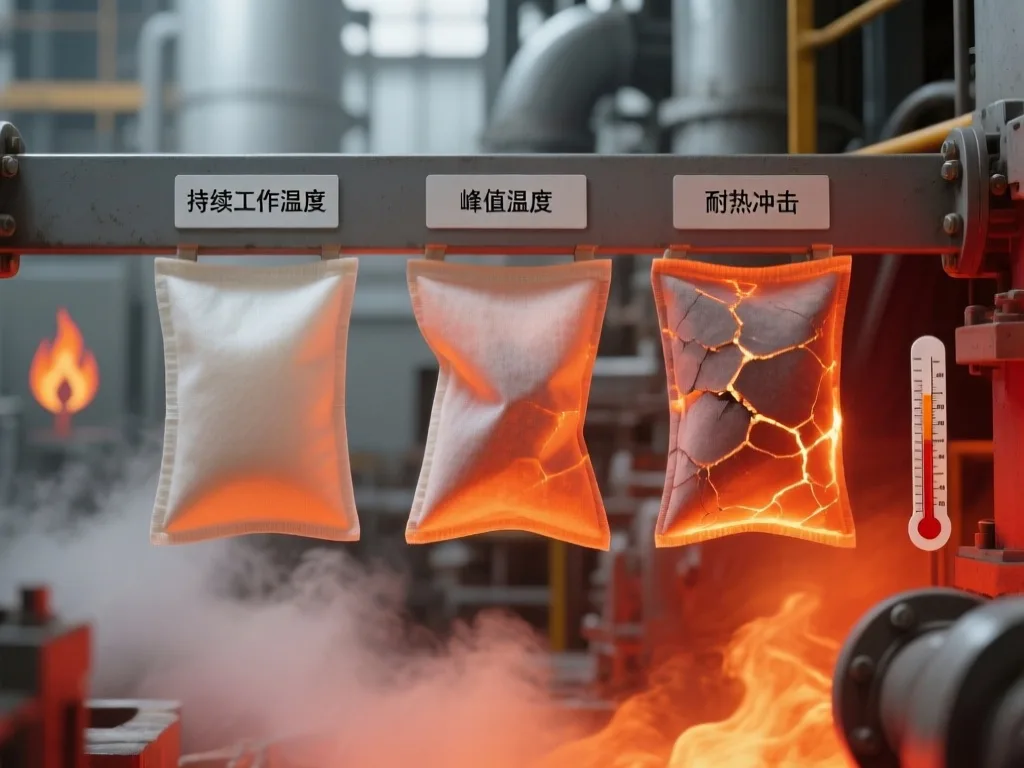
When selecting high temperature filter bags for industrial applications, understanding temperature resistance ratings is crucial for ensuring your filtration system operates safely, efficiently, and reliably. Temperature resistance ratings are not just technical details; they are the foundation for optimizing performance without compromising safety or cost. These ratings indicate how well a filter bag can withstand heat over time without degrading, melting, or losing structural integrity, typically measured in degrees Celsius (°C) or Fahrenheit (°F) through rigorous testing. Think of it as a ‘heat tolerance’ score—the higher the rating, the more extreme temperatures the bag can handle. However, not all ratings are equal; some manufacturers specify ‘continuous operating temperature,’ ‘peak temperature,’ or ‘thermal shock resistance,’ each serving different operational needs. For a deeper understanding of how these ratings are determined and their implications, you can refer to this research study on filter bag temperature resistance. Choosing the right rating ensures optimal performance, longevity, and cost-efficiency, preventing frequent replacements, downtime, and increased operational costs. The key is finding a balance—a filter bag with a rating that matches your application’s demands without overspending on unnecessary materials. This requires evaluating your specific operating conditions, including steady-state heat, temperature spikes, and hotspots, as well as environmental factors like humidity, chemical exposure, and abrasive particles, which can accelerate wear and tear. In the following sections, we’ll explore the materials used in high temperature filter bags—such as fiberglass, P84, and PTFE—and how their properties influence temperature resistance. We’ll also provide a step-by-step guide to selecting the right filter bag based on your temperature requirements, ensuring an informed decision that delivers long-term value. For now, remember: temperature resistance ratings are more than just numbers—they’re a critical indicator of performance in your industrial environment. Understanding them helps avoid costly mistakes, reduce downtime, and keep your filtration system running smoothly, even in extreme conditions.
What Temperature Resistance Ratings Include
Temperature resistance ratings encompass multiple metrics that provide a comprehensive view of a filter bag’s heat tolerance. Continuous operating temperature represents the steady-state heat the bag can endure for extended periods without significant degradation, essential for applications like incinerators or power plants where gases remain hot for hours or days. Peak temperature, on the other hand, is the maximum short-term exposure the bag can tolerate without structural failure, important for processes with occasional heat spikes, such as certain chemical reactions or furnace operations. Thermal shock resistance measures how well the bag can handle sudden temperature changes, like when cold air is introduced to a hot system, vital for applications with frequent start-stop cycles or rapid fluctuations. By considering all these factors, you can select a filter bag that’s not just ‘good enough’ but perfectly suited to your operation’s nuances.
Why Temperature Resistance Ratings Matter More Than You Think
You might underestimate the importance of temperature resistance, thinking, ‘It’s just a filter bag—how significant can it be?’ The reality is that using a bag with insufficient temperature resistance can lead to catastrophic failure, causing system shutdowns, equipment damage, or even safety hazards like fires or explosions. Conversely, over-specifying temperature resistance can result in unnecessary costs, as higher-rated materials are often pricier and may not improve performance in your specific application. For instance, a bag rated for 300°C might last twice as long as a 200°C bag in a 250°C environment, but if your system never exceeds 220°C, you’re paying for capacity you don’t need. Understanding your actual operating conditions—not just theoretical maximums—is crucial for balancing performance, safety, and cost.
The Hidden Costs of Ignoring Temperature Resistance Ratings
Choosing the wrong filter bag based on temperature resistance can incur hidden costs that accumulate rapidly. Frequent replacements due to premature failure lead to higher material costs, increased labor for installation, and lost production time during changeouts. Poor filtration efficiency from damaged bags can cause downstream issues like clogged ductwork, reduced equipment lifespan, or non-compliance with environmental regulations. Safety risks are also a concern—a bag that fails under extreme heat can release hot particles or gases, endangering workers and equipment. These indirect costs often exceed the initial savings from selecting a cheaper, lower-rated bag. Investing in a filter bag with the right temperature resistance rating upfront provides peace of mind and long-term reliability.
Materials Used in High Temperature Filter Bags and Their Impact on Temperature Resistance
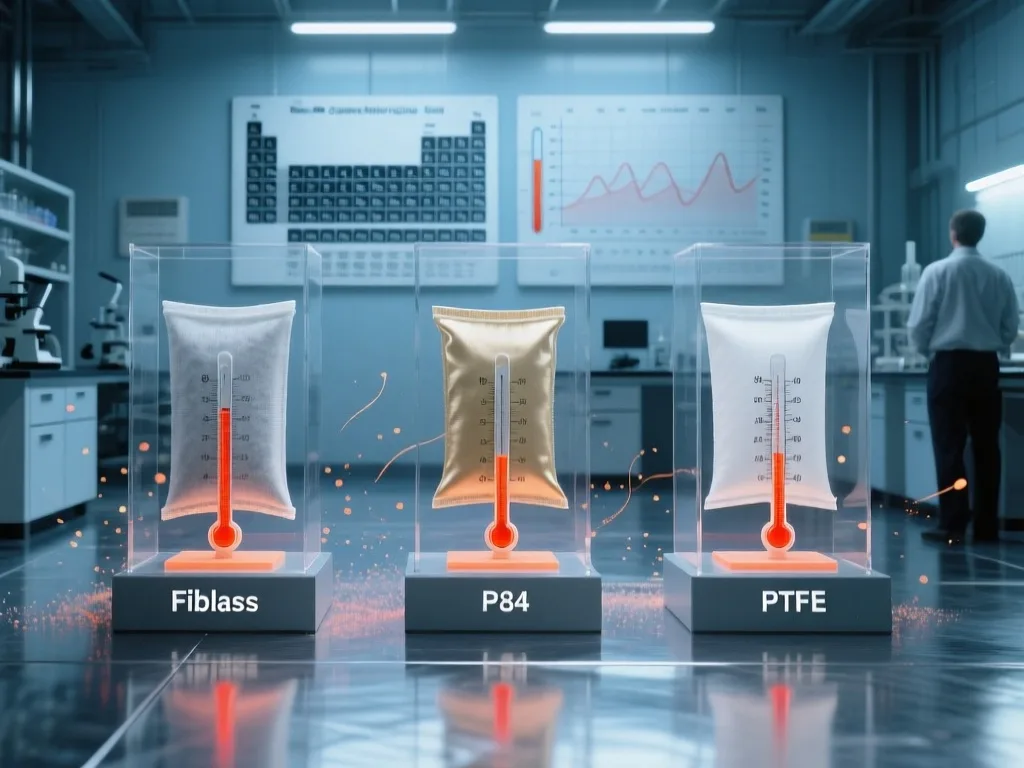
When selecting high temperature filter bags, understanding the materials used is crucial. The choice of material directly impacts the filter bag’s ability to withstand extreme temperatures, ensuring efficient filtration and a longer lifespan. Let’s delve into the three most common materials used in high temperature filter bags: fiberglass, P84, and PTFE, and explore how each affects temperature resistance.
Fiberglass Filter Bags
Fiberglass is a widely used material in high temperature filter bags due to its excellent thermal stability and chemical resistance. It can typically withstand continuous operating temperatures up to 260°C (500°F) and peak temperatures of around 280°C (536°F). The key advantage of fiberglass is its affordability and availability, making it a popular choice for many industrial applications. However, fiberglass filter bags may not be the best option for environments with high moisture content or where the temperature exceeds their rated limits, as this can lead to degradation and reduced performance. Additionally, fiberglass can be prone to abrasion, which may affect its longevity in certain applications.
P84 Filter Bags
P84, a polyimide fiber, is another high-performance material used in high temperature filter bags. It offers superior temperature resistance compared to fiberglass, with continuous operating temperatures up to 260°C (500°F) and peak temperatures reaching 288°C (550°F). What sets P84 apart is its exceptional chemical resistance and low abrasion properties, making it ideal for harsh industrial environments. P84 filter bags also exhibit excellent filtration efficiency, particularly for fine particles, due to their unique fiber structure. For more details on the specifications of P84 filter media, refer to this research study. However, P84 is generally more expensive than fiberglass, which may be a consideration for budget-conscious buyers. Despite the higher cost, the long-term benefits of P84, such as reduced maintenance and replacement costs, often outweigh the initial investment.
PTFE Filter Bags
PTFE, or polytetrafluoroethylene, is renowned for its outstanding chemical resistance and temperature stability. PTFE filter bags can withstand continuous operating temperatures up to 260°C (500°F) and peak temperatures of around 290°C (554°F). One of the key advantages of PTFE is its non-stick properties, which prevent particles from adhering to the filter bag surface, reducing the risk of clogging and improving airflow. PTFE is also highly resistant to most chemicals, making it suitable for a wide range of industrial applications, including those involving corrosive substances. However, PTFE filter bags are typically more expensive than both fiberglass and P84 options. Additionally, PTFE can be more brittle at lower temperatures, which may require careful handling during installation and operation. Despite these considerations, PTFE’s superior performance in extreme conditions makes it a top choice for many high-temperature filtration applications.
Comparing Material Performance
When comparing the performance of fiberglass, P84, and PTFE filter bags, several factors come into play. Temperature resistance is a primary consideration, with PTFE and P84 offering slightly higher peak temperature ratings than fiberglass. Chemical resistance is another critical factor, with PTFE excelling in this area, followed by P84 and then fiberglass. Filtration efficiency also varies, with P84 and PTFE generally providing better performance for fine particles compared to fiberglass. Cost is another important consideration, with fiberglass being the most affordable option, followed by P84 and then PTFE. Ultimately, the choice of material depends on the specific requirements of the application, including operating temperature, chemical exposure, filtration needs, and budget constraints.
Step-by-Step Guide: Evaluating and Selecting High Temperature Filter Bags
Choosing the right high temperature filter bags can be a game-changer for your industrial filtration system. But how do you ensure you’re making the best selection? It all starts with understanding temperature resistance ratings and how they apply to your specific needs. In this guide, we’ll walk you through the process of evaluating and selecting high temperature filter bags based on critical factors like operating temperature, peak temperature, and thermal shock resistance. By the end, you’ll be equipped with the knowledge to make an informed decision that optimizes performance and extends the lifespan of your filtration system.
Understanding Temperature Resistance Ratings
Temperature resistance ratings are the backbone of selecting high temperature filter bags. These ratings indicate the maximum temperature a filter bag can withstand without degrading or losing its structural integrity. But what exactly do these numbers mean? Let’s break it down. Operating temperature refers to the consistent temperature range at which the filter bag will function day in and day out. Peak temperature, on the other hand, is the highest temperature the bag can endure for short periods without damage. Thermal shock resistance measures how well the filter bag can handle sudden changes in temperature, which is crucial in applications with fluctuating heat levels. Understanding these ratings helps you match the filter bag to your specific operational environment, ensuring reliability and longevity. For more insights on efficiency and durability, check out this blog post on high-temperature dust collector bags.
Assessing Your Operating Environment
Before diving into filter bag options, take a close look at your operating environment. What’s the average temperature your filtration system will encounter? Are there periods where temperatures spike significantly? How often do temperature fluctuations occur? These questions are vital because they directly impact the type of filter bag you need. For instance, if your system operates at a consistent 500°F, you’ll need a bag rated for at least that temperature. But if your system occasionally hits 600°F, you’ll need a bag with a higher peak temperature rating. Don’t overlook thermal shock resistance either. If your system experiences rapid temperature changes, a bag with excellent thermal shock resistance will prevent premature failure and costly downtime.
Material Matters: Fiberglass, P84, and PTFE
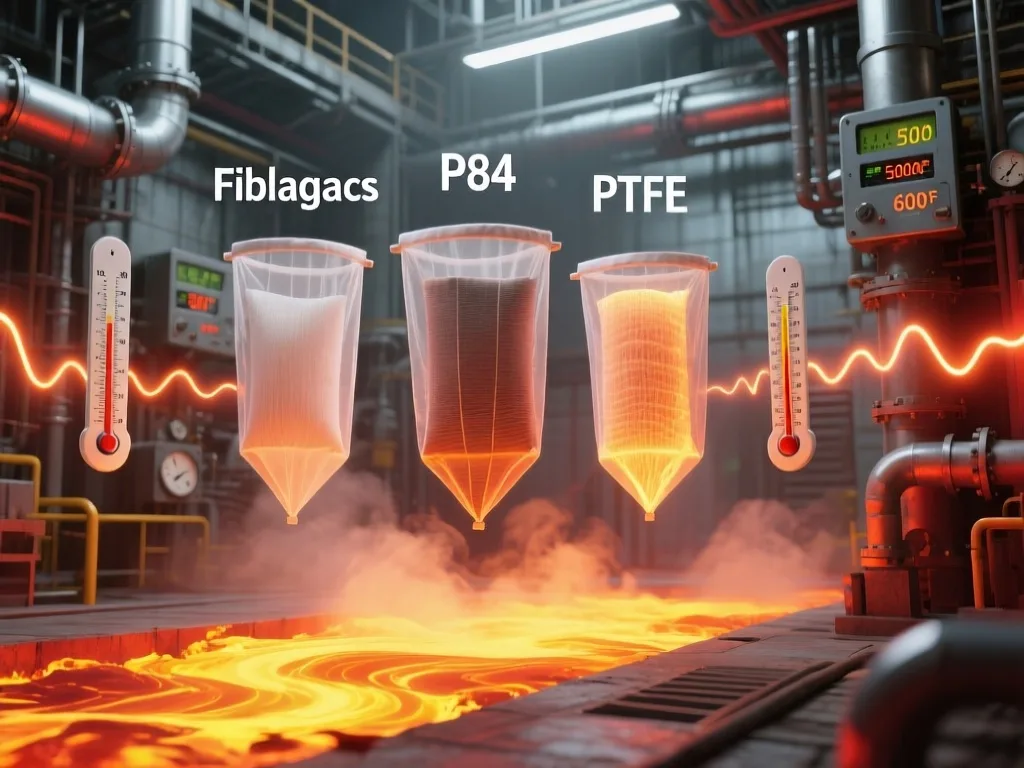
The material composition of high temperature filter bags plays a pivotal role in their temperature resistance. Let’s explore three common materials: fiberglass, P84, and PTFE. Fiberglass filter bags are known for their excellent temperature resistance, typically handling continuous temperatures up to 500°F and peak temperatures up to 550°F. They’re also cost-effective, making them a popular choice for many industrial applications. P84 filter bags, made from polyimide fibers, offer superior temperature resistance, with continuous operation up to 500°F and peak temperatures reaching 600°F. They also excel in chemical resistance and have a unique leaf-like fiber structure that enhances filtration efficiency. PTFE filter bags, crafted from polytetrafluoroethylene, are the champions of temperature resistance, withstanding continuous temperatures up to 500°F and peak temperatures up to 600°F. They’re also highly resistant to chemicals and abrasion, making them ideal for harsh environments. Each material has its strengths, so choose based on your specific temperature requirements and operational conditions.
Evaluating Thermal Shock Resistance
Thermal shock resistance is often overlooked but is crucial for systems with rapid temperature changes. Imagine your filtration system operating at 500°F, then suddenly dropping to 300°F or spiking to 600°F. Without proper thermal shock resistance, the filter bag can crack, tear, or lose its shape, leading to filtration failure. To evaluate thermal shock resistance, look for filter bags with materials that have low thermal expansion coefficients, meaning they expand and contract minimally with temperature changes. Fiberglass and PTFE are excellent choices in this regard. Additionally, consider the bag’s construction. Bags with reinforced seams and sturdy designs are better equipped to handle thermal stress. Don’t hesitate to ask manufacturers about their thermal shock testing protocols. A reputable manufacturer will provide data on how their bags perform under extreme temperature fluctuations, giving you confidence in your selection.
Comparing Performance and Longevity
When selecting high temperature filter bags, it’s not just about meeting temperature requirements; it’s also about ensuring long-term performance and durability. Compare the expected lifespan of different filter bags under your operating conditions. A bag that lasts longer will reduce replacement costs and downtime, saving you money in the long run. Look for filter bags with high-quality materials and construction. Bags with multiple layers or specialized coatings often offer better resistance to wear and tear, extending their lifespan. Additionally, consider the bag’s filtration efficiency. A bag that captures more particles effectively reduces the load on your system, preventing clogs and improving overall performance. Don’t forget to factor in maintenance requirements. Some filter bags may need more frequent cleaning or replacement, adding to operational costs. Choose a bag that balances temperature resistance, durability, and maintenance needs for optimal performance. For more market insights, you can refer to the high-temperature filter bags market report.
Consulting with Experts and Manufacturers
While this guide provides a solid foundation, nothing beats consulting with experts and manufacturers when selecting high temperature filter bags. Reach out to reputable manufacturers and explain your specific needs. They can recommend filter bags tailored to your operating environment, temperature requirements, and budget. Don’t be afraid to ask questions about material composition, temperature ratings, thermal shock resistance, and expected lifespan. A knowledgeable manufacturer will provide detailed answers and even offer case studies or testimonials from similar applications. Additionally, consider working with filtration consultants or engineers who specialize in high temperature applications. They can assess your system, identify potential issues, and recommend the best filter bag solutions. Their expertise can save you time, money, and headaches down the road, ensuring your filtration system operates at peak efficiency.
Selecting the right high temperature filter bags hinges on a thorough understanding of temperature resistance ratings and how they align with your specific industrial requirements. By considering factors like operating temperature, peak temperature, and thermal shock resistance, you can ensure optimal performance and longevity of your filtration system. Remember, the material composition of the filter bags—whether fiberglass, P84, or PTFE—plays a pivotal role in determining their temperature resistance capabilities. For those seeking to optimize their industrial filtration, consulting with experts or manufacturers can provide invaluable insights tailored to your unique needs. So, why wait? Explore the world of high temperature filter bags today and take your industrial filtration to the next level.
n
Need Help Selecting the Right Filter?
Share your application, operating conditions, required efficiency or micron rating, dimensions, and quantity. Our filtration team will help identify a suitable solution.