
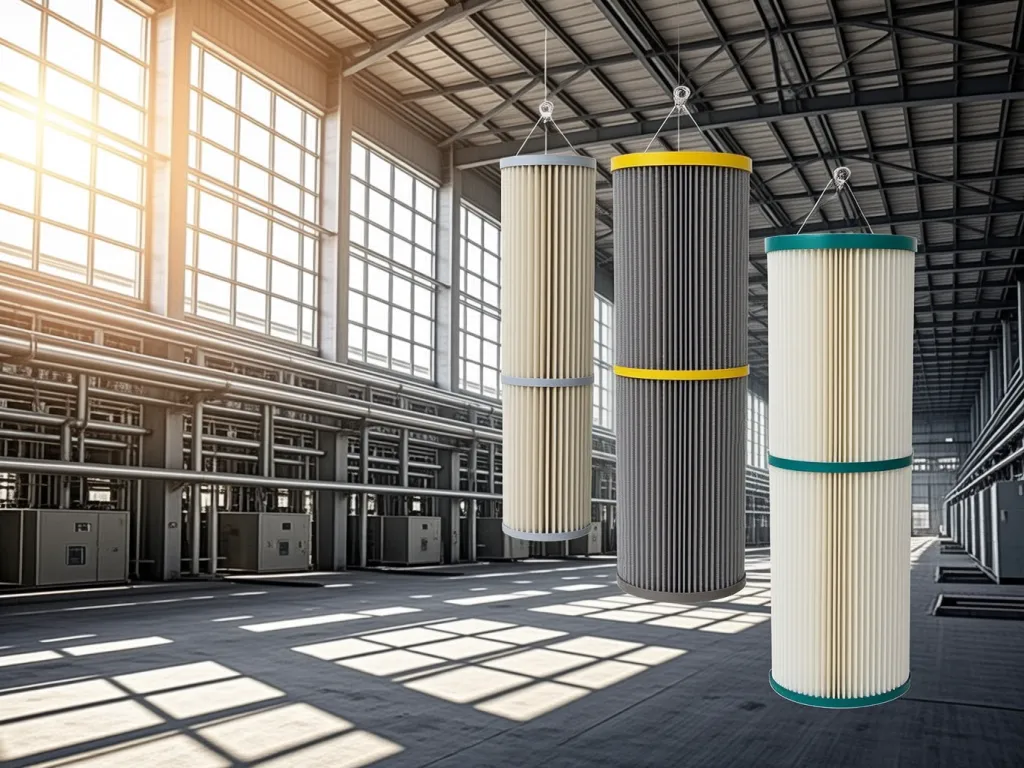
In the bustling world of cement production, selecting the right filter bags is more than a choice—it’s a necessity. Have you ever wondered how to choose filter bags for cement plants that can withstand harsh conditions while maintaining peak efficiency? This guide dives deep into the materials that make or break your filtration system, comparing polyester, polypropylene, and aramid options to help you make an informed decision.
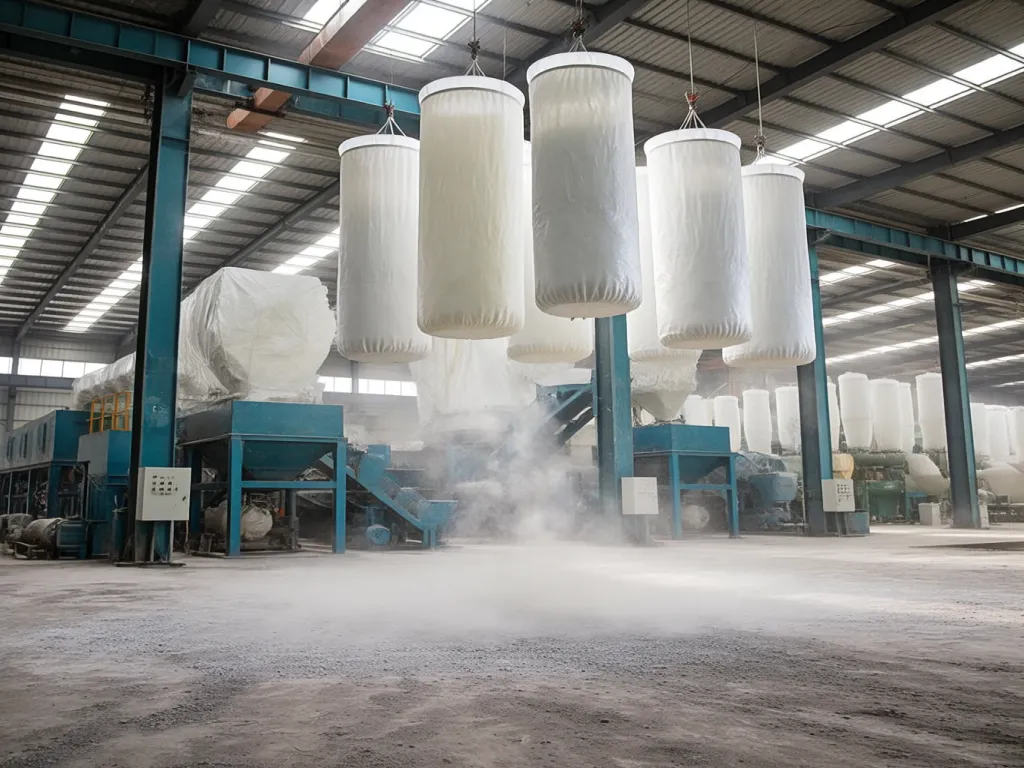
Polyester Filter Bags: A Deep Dive into Material Properties and Cement Plant Applications
When it comes to selecting filter bags for cement plants, one material that consistently stands out is polyester. But why is polyester such a popular choice among cement plant technicians and procurement managers? Let’s delve into the unique properties of polyester and how they translate into superior performance in the demanding environment of a cement plant.
First and foremost, polyester’s resistance to acids and bases is a game-changer. Cement production involves a variety of chemical processes, many of which generate acidic or alkaline by-products. Traditional materials might degrade quickly under such conditions, leading to frequent replacements and increased downtime. Polyester, on the other hand, maintains its structural integrity even when exposed to these harsh chemicals, ensuring long-lasting performance and reduced maintenance costs. For cement plants looking for reliable filtration solutions, exploring our range of durable industrial filter bags can be a great starting point.
But polyester’s benefits don’t stop there. Another critical property is its resistance to hydrolysis. In a cement plant, moisture is often present, whether from the production process itself or from environmental humidity. Hydrolysis can weaken many materials over time, but polyester’s resistance to this process means it can withstand wet conditions without losing its strength or filtering capabilities. This is especially important in high-humidity areas of the plant, where moisture can be a constant challenge.
Now, let’s talk about filtration accuracy and air permeability—two key factors in any filtration system. Polyester filter bags excel in both areas. Their fine fiber structure allows for precise filtration, capturing even the smallest particles of dust and debris. This is crucial in a cement plant, where airborne particulates can pose health risks to workers and contribute to environmental pollution. At the same time, polyester’s inherent porosity ensures good airflow, preventing clogging and maintaining efficient operation of the filtration system.
But what about high-dust environments? Cement plants are notorious for generating large volumes of dust, which can quickly overwhelm less robust filtration materials. Polyester filter bags, however, are built to handle these extreme conditions. Their durability and resistance to abrasion mean they can withstand the constant bombardment of dust particles without wearing out prematurely. This makes them an ideal choice for areas of the plant where dust generation is at its highest, such as around crushers, mills, and kilns. For those seeking high-efficiency solutions in such demanding environments, our high-efficiency industrial filter bags are designed to meet these challenges head-on.
In addition to their physical properties, polyester filter bags also offer economic benefits. Their long lifespan reduces the need for frequent replacements, saving on both material and labor costs. And because they maintain their filtration efficiency over time, there’s less need for costly system upgrades or additional filtration stages. This makes polyester a cost-effective solution for cement plants looking to optimize their filtration systems without breaking the bank. For customized filtration needs, consider our custom industrial filter bag solutions, which can be tailored to your specific requirements.
So, if you’re a cement plant technician or procurement manager tasked with selecting filter bags, polyester should definitely be on your radar. Its unique combination of chemical resistance, hydrolysis resistance, filtration accuracy, air permeability, and durability in high-dust environments make it a standout choice. And when you factor in the economic benefits, it’s clear that polyester filter bags offer a compelling value proposition for any cement plant looking to improve its filtration performance. For a comprehensive solution that also addresses liquid filtration needs, our high-efficiency industrial filter bags for dust and liquid filtration provide an all-in-one package.
Polypropylene Filter Bags: Exploring Temperature Resistance, Chemical Stability, and Efficiency in Cement Plants
When it comes to selecting filter bags for cement plants, the choice of material can make or break your filtration system’s performance. Polypropylene (PP) filter bags have emerged as a popular option, offering a durable solution for dust collection in industrial settings. But how do they stack up against other materials in terms of temperature resistance, chemical stability, and overall efficiency? Let’s dive in. Polypropylene is known for its excellent temperature resistance, especially in the moderate to high-temperature range commonly encountered in cement plants. Typically, PP filter bags can withstand continuous operating temperatures up to 190°F (88°C), with short-term spikes to 220°F (104°C). This makes them suitable for many cement production processes where heat is a constant factor. But what sets polypropylene apart is its chemical stability. Unlike some other materials, PP is highly resistant to a wide range of chemicals, including acids, alkalis, and solvents. This chemical inertness ensures that the filter bags won’t degrade or react with the dust and particulates in the cement plant environment, maintaining their structural integrity and filtration efficiency over time. Now, let’s talk about filtration efficiency. In cement plants, the dust load can be extremely high, and the particulates can be abrasive. Polypropylene filter bags excel in these conditions due to their fine fiber structure, which allows for high filtration precision while maintaining good air permeability. This means you get efficient dust capture without sacrificing airflow, a crucial balance in cement plant operations. But how does polypropylene compare to other materials? Let’s take polyester, for example. Polyester filter bags are also widely used in cement plants, known for their strength and durability. However, polyester’s temperature resistance is generally lower than polypropylene’s, with a maximum continuous operating temperature around 275°F (135°C). While this is higher than PP’s, in many cement plant applications, the additional temperature headroom may not be necessary, and polypropylene’s superior chemical resistance could be a deciding factor. Another contender is aramid, a high-performance material known for its exceptional strength and heat resistance. Aramid filter bags can withstand temperatures up to 400°F (204°C) or more, making them ideal for the most extreme cement plant conditions. But here’s the catch: aramid is significantly more expensive than polypropylene, and its chemical resistance, while good, isn’t as universal as PP’s. So, if your cement plant operates at moderate temperatures and deals with a variety of chemicals, polypropylene might be the more cost-effective and versatile choice. In terms of longevity, polypropylene filter bags hold their own. Their resistance to chemical degradation and abrasion means they can last longer in harsh cement plant environments compared to some other materials. This translates to fewer replacements, lower maintenance costs, and ultimately, better value for your investment. So, should you choose polypropylene filter bags for your cement plant? It depends on your specific operating conditions. If you’re dealing with moderate temperatures and a mix of chemicals, PP offers an excellent balance of performance, durability, and cost. However, if your plant operates at extremely high temperatures or deals with specific chemicals that PP can’t handle, you might need to explore other options like aramid. Ultimately, the key is to understand your cement plant’s unique needs and choose a filter bag material that can meet those demands efficiently and reliably. And with polypropylene’s impressive temperature resistance, chemical stability, and filtration efficiency, it’s definitely a material worth considering for your next filter bag upgrade.
Temperature Resistance of Polypropylene
Polypropylene’s ability to withstand high temperatures is one of its standout features. In cement plants, where temperatures can soar due to the clinker production process, having a filter bag material that can handle the heat is crucial. PP’s temperature resistance ensures that the filter bags won’t melt, deform, or lose their structural integrity, even during peak operating conditions. This reliability translates to consistent filtration performance and fewer unexpected downtimes due to filter bag failures.
Chemical Stability: A Game-Changer
The chemical stability of polypropylene is another major advantage. Cement plants deal with a variety of chemicals, from the alkaline nature of the cement itself to the acids and solvents used in cleaning and maintenance. PP’s resistance to these chemicals means that the filter bags won’t react or degrade over time, ensuring long-lasting performance. This chemical inertness also reduces the risk of contamination, as the filter bags won’t leach any harmful substances into the air or the cement product.
Efficiency in High-Dust Environments
Cement plants are notorious for their high dust loads, and the particulates can be extremely abrasive. Polypropylene filter bags are designed to handle these conditions with ease. Their fine fiber structure allows for high filtration precision, capturing even the smallest dust particles. At the same time, PP maintains good air permeability, ensuring that the filtration system can handle the high airflow rates typical in cement plants. This balance of efficiency and airflow is key to maintaining optimal plant performance.
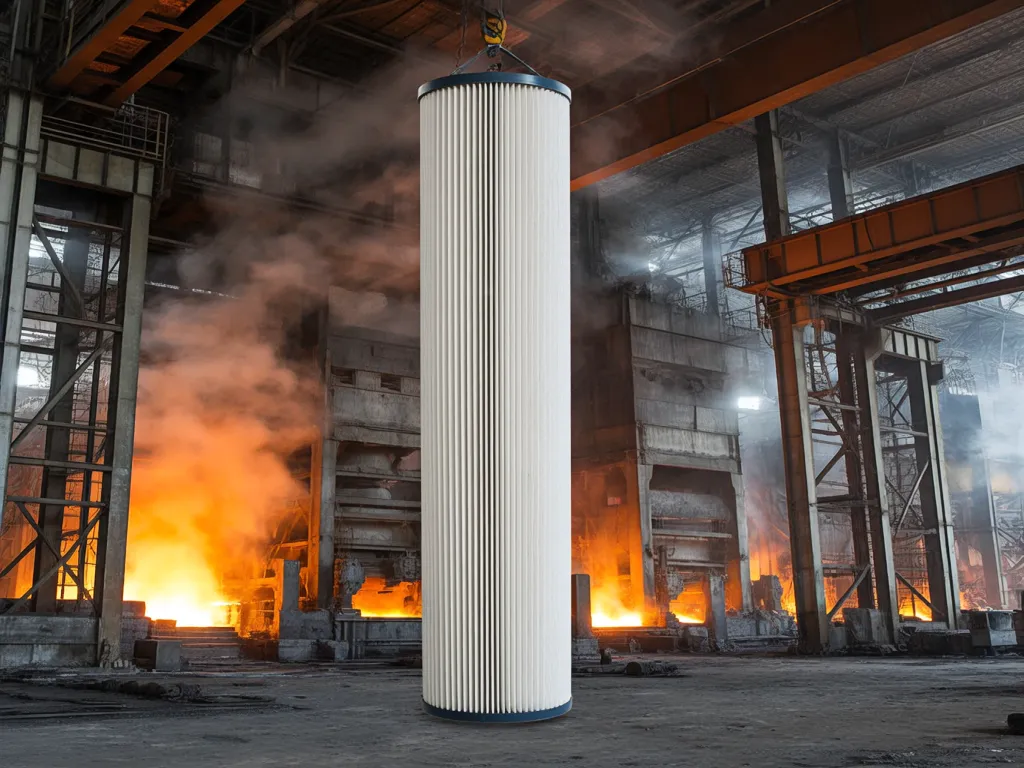
Aramid Filter Bags: Analyzing High-Strength, Heat-Resistant Properties and Performance in Extreme Cement Plant Conditions
When it comes to choosing filter bags for cement plants, aramid filter bags stand out as a premium option, especially for facilities operating under extreme conditions. But what exactly makes aramid such a compelling choice? Let’s dive into the unique properties of aramid fibers and how they translate into superior performance, cost-effectiveness, and environmental benefits for cement producers.
Inherent Strength of Aramid
First, let’s talk about the inherent strength of aramid. This synthetic fiber is renowned for its exceptional tensile strength—often five times stronger than steel on a weight-for-weight basis. Why does this matter in a cement plant? The answer lies in the abrasive nature of cement dust. Constant exposure to fine, sharp particles can wear down weaker materials, leading to premature bag failure. Aramid’s high strength resists abrasion, ensuring your filter bags maintain structural integrity even in high-dust environments. This durability directly translates to fewer replacements and lower maintenance costs over the bag’s lifespan.
Heat-Resistant Properties
Now, let’s crank up the heat. Cement production involves temperatures that can soar well above 200°C (392°F) in certain processes. Many filter materials would buckle under such thermal stress, but aramid thrives. Its heat-resistant properties allow it to maintain dimensional stability and filtration efficiency even when exposed to temperatures exceeding 250°C (482°F) for short periods. This thermal resilience is crucial for preventing bag deformation, which can compromise filtration and lead to costly downtime.
Performance in Tough Conditions
But how does aramid perform when the going gets tough? In cement plants, ‘tough’ is an understatement. We’re talking about a combination of high temperatures, abrasive particles, and chemical exposure from compounds like lime and sulfur. Aramid’s chemical inertness means it won’t react with most corrosive substances found in cement production. This chemical stability, combined with its heat and abrasion resistance, makes aramid filter bags exceptionally reliable in the most demanding sections of a cement plant, such as the kiln preheater and clinker cooler exhausts.
Economic Considerations
Let’s talk numbers—specifically, economic numbers. While aramid filter bags may have a higher initial cost compared to polyester or polypropylene alternatives, their longevity tells a different story. In a typical cement plant application, aramid bags can last 2-3 times longer than standard materials. When you factor in reduced downtime for bag changes, lower disposal costs (fewer bags to replace), and consistent filtration performance (which impacts product quality and emissions compliance), the total cost of ownership often favors aramid. It’s a classic case of ‘pay more now, save more later.’
Environmental Considerations
Environmental considerations are increasingly important in industrial operations. Here, aramid filter bags shine in two ways. First, their extended lifespan means fewer bags end up in landfills over time, reducing waste. Second, their superior filtration efficiency helps cement plants meet stringent emissions regulations. By capturing finer particles more effectively, aramid bags contribute to cleaner air emissions and can even help recover valuable cement dust for reuse in the process.
Filtration Efficiency and Pressure Drop
You might be wondering: ‘Isn’t there a trade-off between filtration efficiency and pressure drop?’ With aramid, it’s less of a concern. The material’s structure allows for excellent particle capture while maintaining relatively low airflow resistance. This balance is critical in cement plants where maintaining optimal airflow through the baghouse is essential for process efficiency and energy consumption.
Real-World Applications
In real-world cement plant applications, aramid filter bags have consistently outperformed other materials in sections with the harshest conditions. For example, a major cement producer in Europe reported a 60% reduction in bag replacement frequency after switching to aramid in their kiln system. Another case study from Asia showed a 15% improvement in dust collection efficiency along with a 20% drop in compressed air usage for pulse cleaning—a direct result of aramid’s ability to resist blinding and maintain permeability.
Strategic Placement of Aramid Filter Bags
So, is aramid the right choice for every part of your cement plant? Not necessarily. While it excels in high-temperature, high-abrasion zones, other materials might be more cost-effective for cooler, less demanding areas. The key is strategic placement—using aramid where its unique properties provide the most value, and more economical materials elsewhere. This approach maximizes both performance and cost savings across your filtration system.
So, how to choose filter bags for cement plants? It boils down to understanding your plant’s unique demands—be it extreme temperatures, high dust loads, or chemical resistance. By weighing the pros and cons of polyester, polypropylene, and aramid, you can pinpoint the material that aligns perfectly with your operational goals. Ready to upgrade your filtration game? Dive deeper into our material comparison guides or share this post with your team to spark a discussion on optimizing your cement plant’s efficiency. The right filter bag isn’t just a component; it’s a game-changer.
n
Need Help Selecting the Right Filter?
Share your application, operating conditions, required efficiency or micron rating, dimensions, and quantity. Our filtration team will help identify a suitable solution.