
In industrial processes, the right filtration bag can make or break efficiency. But with so many materials and performance claims out there, how do you choose the perfect match for your needs? Whether you’re battling high temperatures, corrosive chemicals, or fine particulates, understanding filtration bag physics is key. This guide dives deep into material science and real-world case studies to demystify filtration bag selection. Ready to transform your industrial filtering?
Material Classification and Characteristics: A Detailed Introduction to Common Filtration Bag Materials
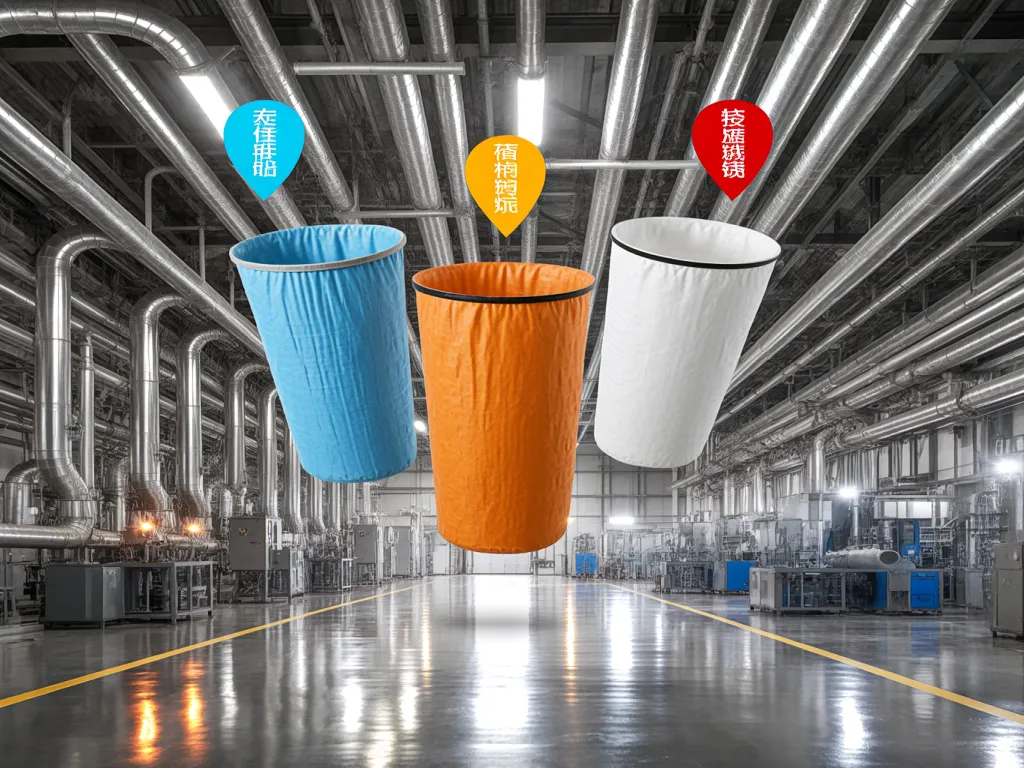
When it comes to selecting the right filtration bag for your industrial application, understanding the material composition is crucial. Each material brings its own set of physical and chemical properties, which directly influence the bag’s performance in different environments. Let’s dive into the three most common filtration bag materials: polyester, polypropylene, and Nomex, and explore how they fare under various industrial conditions.
Polyester Filtration Bags: Polyester is a go-to material for many filtration applications due to its excellent balance of cost, durability, and chemical resistance. Physically, polyester fibers are strong and resilient, capable of withstanding repeated flexing and abrasion. This makes them ideal for environments where the filtration bag is subject to constant movement or mechanical stress. Chemically, polyester is resistant to most common industrial chemicals, including acids and alkalis, though it may degrade under prolonged exposure to strong oxidizing agents.
In terms of temperature resistance, polyester filtration bags can typically handle continuous operating temperatures up to around 130°C (266°F), with short-term peaks reaching slightly higher. This makes them suitable for a wide range of industrial processes, from food and beverage production to chemical manufacturing. However, for applications involving higher temperatures or more aggressive chemicals, you might need to consider alternative materials, such as our high-performance aramid filtration bags.
Polypropylene Filtration Bags: Polypropylene is another popular choice for filtration bags, known for its exceptional chemical resistance and low moisture absorption. Physically, polypropylene fibers are lightweight yet strong, offering good dimensional stability. This material is particularly resistant to water-based solutions, organic solvents, and many acids, making it a great option for applications where chemical compatibility is a top priority.
Temperature-wise, polypropylene filtration bags can operate continuously up to about 90°C (194°F), with some variants capable of handling slightly higher temperatures for short periods. While this is lower than polyester’s limit, polypropylene’s superior chemical resistance often makes it the preferred choice in corrosive environments. It’s commonly used in pharmaceuticals, electroplating, and wastewater treatment, where chemical purity and resistance are paramount.
Nomex Filtration Bags: For high-temperature applications, Nomex (a brand name for aramid fibers) stands out as the material of choice. Nomex filtration bags are engineered to withstand extreme heat, with continuous operating temperatures exceeding 200°C (392°F). This heat resistance is coupled with excellent flame retardancy, making Nomex bags ideal for environments prone to fire hazards, such as metal smelting, incineration, and power generation.
Beyond its thermal properties, Nomex also offers good chemical resistance, though not as extensive as polypropylene. It’s generally stable against most organic solvents and weak acids but may be affected by strong oxidizing agents. The physical strength of Nomex fibers ensures durability even in harsh conditions, though the cost is typically higher than polyester or polypropylene, reflecting its specialized capabilities.
So, how do you decide which material is right for your application? Consider the specific demands of your industrial environment: temperature extremes, chemical exposure, mechanical stress, and of course, budget. Each material has its strengths and limitations, and the key is to match these to your operational needs. Have you ever encountered a situation where the wrong material choice led to filtration issues? Sharing such experiences can help others avoid similar pitfalls.
Polyester in Action: Real-World Scenarios
Polyester filtration bags shine in scenarios where a balance of cost and performance is needed. For instance, in the food industry, where hygiene and chemical resistance are critical, polyester bags effectively filter out particulates from liquids and gases without compromising product quality. Their ability to withstand frequent cleaning cycles, often involving hot water or mild chemicals, makes them a reliable choice. Have you considered how polyester’s versatility could benefit your specific process? For more information on high-efficiency polyester filtration solutions, visit our high-efficiency dust collection solution page.
Polypropylene’s Edge in Chemical Processing
In chemical processing plants, where exposure to corrosive substances is routine, polypropylene filtration bags offer unmatched protection. Their low moisture absorption prevents swelling or degradation, ensuring consistent filtration performance over time. This material is particularly valued in electroplating operations, where even trace amounts of contaminants can affect the final product’s quality. Could polypropylene’s chemical inertness be the solution your plant needs? For high-performance polypropylene filtration bags, check out our high-performance solutions for industrial dust collectors.
Nomex: The High-Temperature Champion
When temperatures soar, Nomex filtration bags take center stage. In industries like steel manufacturing, where molten metal and high-temperature gases are part of the daily operation, Nomex’s heat resistance is indispensable. Its ability to maintain structural integrity in such extreme conditions prevents bag failure, reducing downtime and maintenance costs. If your operation involves high temperatures, isn’t it worth exploring Nomex’s potential? For more details on our high-temperature Nomex filtration bags, visit our industrial bag filter page.
Performance Evaluation Metrics: How Key Indicators Impact Filtration Bag Selection
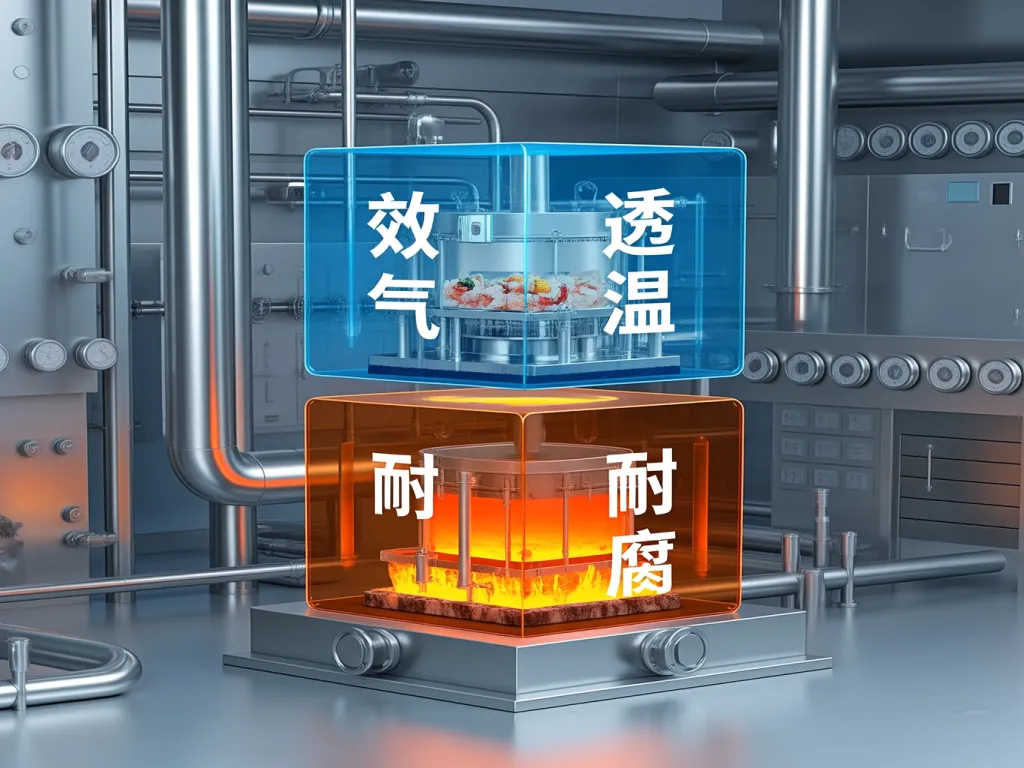
When it comes to choosing the right filtration bag for your industrial needs, understanding the key performance metrics is crucial. These metrics not only define the bag’s capabilities but also directly influence its suitability for specific applications. Let’s dive into the core indicators—filtration efficiency, air permeability, temperature resistance, and chemical resistance—and see how they shape your selection process.
Filtration Efficiency: The Core of Clean Output
Filtration efficiency is the measure of how effectively a filtration bag captures and retains particles from the fluid or gas stream. It’s typically expressed as a percentage, indicating the proportion of particles removed. For instance, a bag with 99.9% efficiency will allow only 0.1% of particles of a certain size to pass through. But why does this matter so much? Imagine you’re in the food processing industry; even a tiny amount of contaminant can compromise product quality and safety. High-efficiency bags ensure cleaner outputs, reducing downstream processing costs and enhancing product purity. So, when you’re selecting a filtration bag, ask yourself: How critical is the purity of my end product? The answer will guide you toward bags with the appropriate efficiency rating, such as our high-performance filtration bag.
Air Permeability: Balancing Flow and Filtration
Air permeability, or breathability, refers to the ease with which air or gas can pass through the filtration bag. It’s a delicate balance—too low, and you’ll face pressure drops and reduced system efficiency; too high, and you might compromise filtration quality. Consider a scenario in a cement plant where dust-laden air needs filtration. A bag with optimal permeability ensures smooth airflow, minimizing energy consumption and maintaining consistent filtration performance. So, how do you strike this balance? Assess your system’s airflow requirements and match them with bags that offer the right permeability without sacrificing filtration efficiency. Explore our high-efficiency filtration bag for a solution that meets these criteria.
Temperature Resistance: Withstanding the Heat
Temperature resistance is a non-negotiable factor in industries dealing with high-temperature processes, such as metal smelting or glass manufacturing. Filtration bags must withstand extreme temperatures without degrading or losing structural integrity. For example, a bag rated for 260°C (500°F) will perform reliably in a steel mill’s blast furnace, where temperatures soar. But what if you’re unsure about your process’s maximum temperature? Always opt for a bag with a higher temperature rating than your estimated maximum to account for any unexpected spikes. This proactive approach ensures longevity and prevents costly downtime. For high-temperature applications, consider our basalt fiber filter bag, which offers exceptional heat resistance.
Chemical Resistance: Standing Up to Corrosive Environments
In chemical processing or wastewater treatment, filtration bags often encounter corrosive substances. Chemical resistance becomes paramount here. A bag resistant to acids, bases, or solvents will maintain its integrity and filtration performance over time. Imagine a scenario in a pharmaceutical plant where the filtration bag must handle aggressive cleaning agents. A chemically resistant bag ensures consistent operation, reducing the need for frequent replacements. So, when selecting a bag, thoroughly evaluate the chemicals present in your process and choose a bag that can withstand them. It’s an investment in reliability and cost-efficiency.
In essence, these performance metrics are interconnected, each playing a vital role in defining a filtration bag’s suitability for your application. By understanding and prioritizing them, you can make an informed decision that aligns with your industrial needs, ensuring optimal performance, longevity, and cost-effectiveness. So, the next time you’re faced with a filtration bag selection, remember: it’s not just about the bag; it’s about how well it meets your specific performance requirements.
Case Analysis: Real-World Applications of Filtration Bag Materials
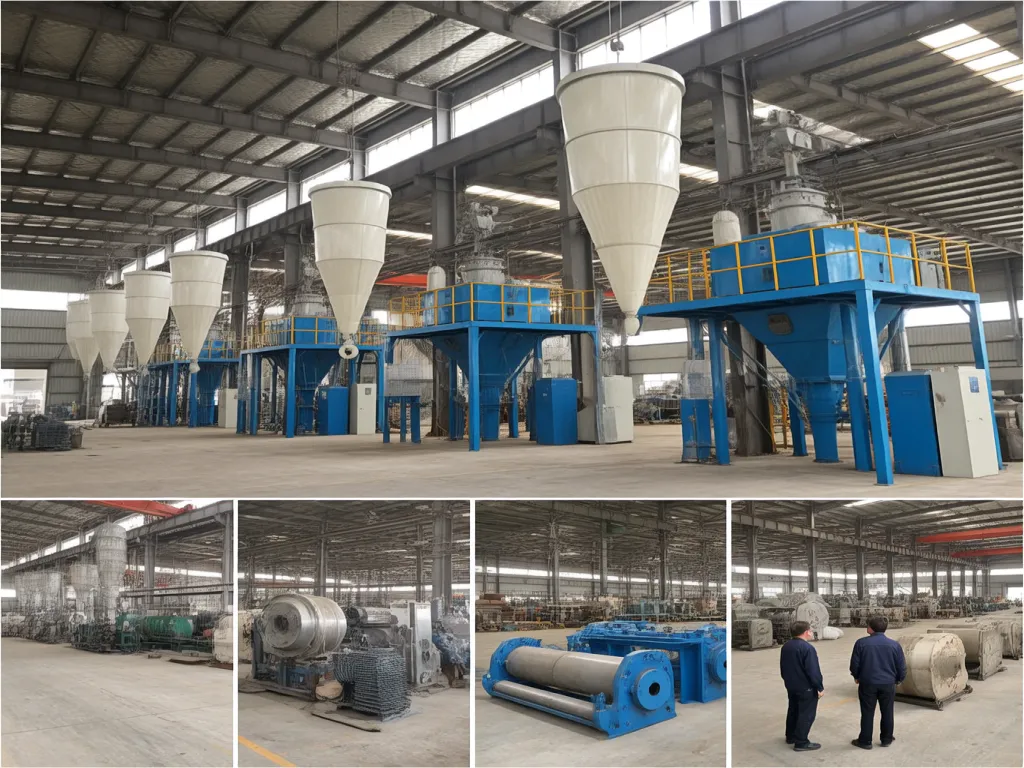
Choosing the right filtration bag material for your industrial application can feel like navigating a maze. With so many options—polyester, polypropylene, Nomex, and more—how do you know which one will perform best in your specific scenario? Let’s dive into real-world case studies to see how different filtration bag materials stack up in various industrial environments. By examining these practical examples, you’ll gain a clearer understanding of each material’s strengths and weaknesses, helping you make an informed decision for your next filtration project.
Imagine you’re running a cement plant. The dust generated here is abrasive, high-temperature, and chemically active. Which filtration bag material should you choose? Polyester bags are a common starting point due to their cost-effectiveness and decent durability. However, in a cement plant, the abrasive nature of the dust can wear down polyester fibers quickly, leading to shorter bag life and more frequent replacements. This means higher long-term costs and downtime. For scenarios demanding high-temperature resistance, consider exploring high-temperature resistant filtration bags as a more durable alternative.
Now, let’s switch gears to a chemical processing plant. Here, the air is laden with corrosive gases and vapors. Polypropylene filtration bags might seem like a good fit because of their chemical resistance. But wait—polypropylene has a relatively low melting point, around 160-170°C (320-338°F). If your process involves temperatures exceeding this range, polypropylene bags could deform or even melt, compromising filtration efficiency and potentially causing safety hazards.
So, what about Nomex? This aramid fiber is known for its exceptional heat resistance, withstanding temperatures up to 204°C (400°F) continuously and higher for short periods. In our chemical plant scenario, Nomex bags would resist both the heat and the chemical attack, offering a longer service life. For a deeper dive into Nomex’s industrial applications, you can refer to this resource on Nomex aramid filter bags. But here’s the catch: Nomex is more expensive upfront. Is the investment worth it? If your process demands high-temperature resistance and chemical stability, absolutely. The reduced downtime and maintenance costs can offset the initial higher price tag over time.
Let’s consider another example: a food processing facility. Hygiene is paramount here, and any contamination from the filtration system could lead to product recalls or health risks. Polyester bags treated with antistatic and antimicrobial coatings can be an excellent choice. The antistatic property reduces the buildup of static electricity, which can attract dust and particles, while the antimicrobial coating prevents bacterial growth on the bag surface. This combination ensures cleaner air discharge and safer food products.
But what if your food processing involves high moisture content? Polyester can absorb some moisture, leading to potential microbial growth if not properly managed. In such cases, PTFE (polytetrafluoroethylene) coated bags might be a better option. PTFE is hydrophobic, meaning it repels water, and it’s also chemically inert, making it resistant to most food-related chemicals. The downside? PTFE-coated bags are pricier, and their smooth surface can make them slippery to handle during installation and replacement.
Now, let’s talk about a metalworking shop. Here, the air is filled with fine metallic particles from grinding, cutting, and welding operations. These particles are not only abrasive but can also be flammable. A standard polyester bag might catch fire if exposed to sparks or high temperatures. Enter fiberglass filtration bags. Fiberglass is non-combustible and can withstand temperatures up to 260°C (500°F). It’s also highly resistant to abrasion, making it ideal for capturing metallic dust. For a closer look at fiberglass filtration solutions, check out our woven fiberglass filter bag. However, fiberglass bags are brittle and can break if mishandled. Plus, they require special disposal methods due to potential health risks from inhaling fiberglass fibers.
As you can see, each filtration bag material has its niche. Polyester is versatile and cost-effective for moderate conditions, polypropylene excels in chemically resistant but lower-temperature environments, Nomex dominates in high-heat and chemical settings, PTFE-coated bags offer superior moisture and chemical resistance, and fiberglass is unbeatable for abrasive, high-temperature, and flammable dust.
So, how do you decide? Start by assessing your specific industrial environment. What temperatures will the bag be exposed to? What chemicals or particles are present? How abrasive is the dust? What are your budget constraints, and how much downtime can you afford for bag replacements? By answering these questions, you can narrow down your options and choose the filtration bag material that offers the best balance of performance, cost, and longevity for your application.
Cement Plant: Polyester vs. Durability
In a cement plant, the abrasive nature of dust can quickly wear down polyester filtration bags. While polyester is cost-effective initially, its shorter lifespan in abrasive environments leads to higher long-term costs due to frequent replacements. This scenario highlights the importance of considering material durability alongside upfront costs. For heavy-duty applications, consider durable industrial bag filters designed for high-efficiency dust collection.
Chemical Processing: Polypropylene vs. Temperature Resistance
Polypropylene filtration bags offer excellent chemical resistance but have a low melting point. In chemical processing plants with high temperatures, polypropylene bags may deform or melt, compromising filtration. Nomex, with its higher temperature tolerance, becomes a better choice despite its higher initial cost, emphasizing the need to match material properties with process conditions.
Food Processing: Polyester with Coatings vs. Hygiene
For food processing facilities, polyester bags treated with antistatic and antimicrobial coatings provide a hygienic solution. These coatings prevent dust buildup and bacterial growth, ensuring cleaner air and safer products. However, in high-moisture environments, PTFE-coated bags may be preferable due to their hydrophobic nature, showcasing the role of specialized coatings in enhancing material performance. Explore acrylic pocket filter bags for chemical-resistant dust collection solutions.
Metalworking Shop: Fiberglass vs. Flammability
In metalworking shops, fiberglass filtration bags excel due to their non-combustible nature and high-temperature resistance. They effectively capture abrasive metallic particles without the risk of fire. Yet, their brittleness and health risks during disposal require careful handling, illustrating the trade-offs between performance and safety in material selection.
Choosing the ideal filtration bag isn’t just about specs—it’s about matching material properties to your specific industrial challenges. From polyester’s versatility to Nomex’s heat resistance, we’ve explored how different fabrics perform under pressure. Remember: The best filtration bag balances efficiency, durability, and cost for your unique operation. Why settle for generic solutions when precision selection can cut maintenance costs by 30% or more? Share this guide with your team and explore our material comparison tool to find your perfect filtration bag match today.