
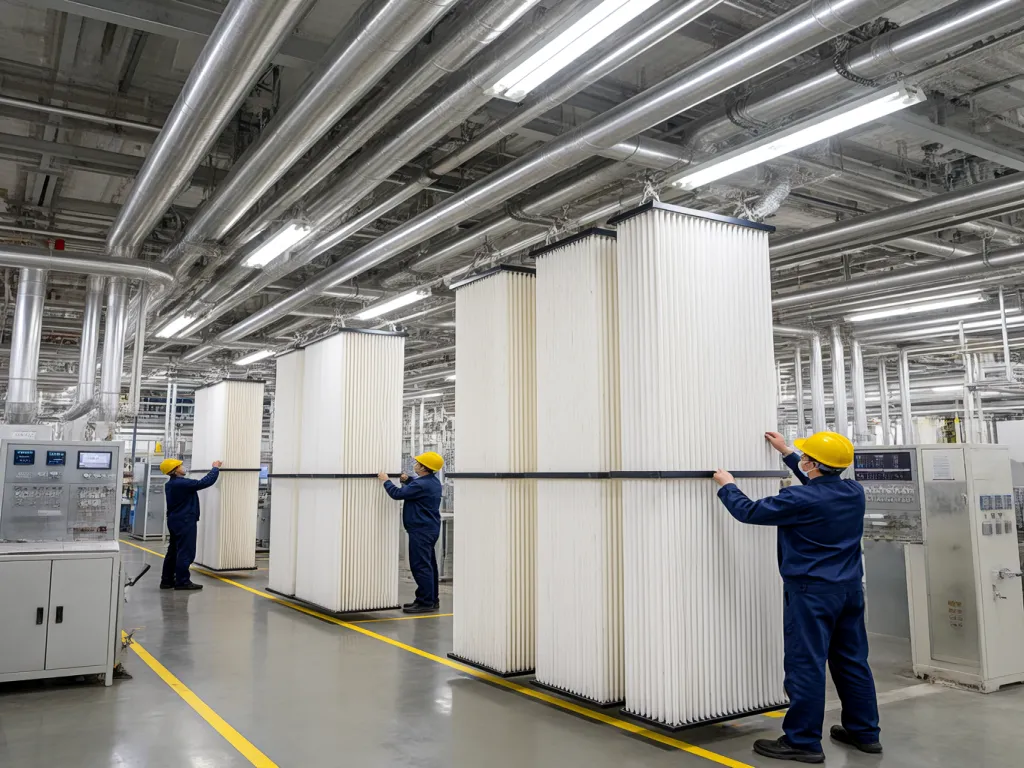
Workers handling large customized filter sacks in an industrial facility

In the dynamic world of industrial filtration, one size doesn’t fit all. Whether you’re in the chemical, food, or pharmaceutical sector, the need for customized filter sacks sizes is paramount. But why settle for generic when you can have bespoke? Dive into this guide to uncover how tailoring filter sack dimensions to your specific industrial scene can revolutionize your filtration process. Ever wondered how a slight adjustment in size could lead to significant efficiency gains?

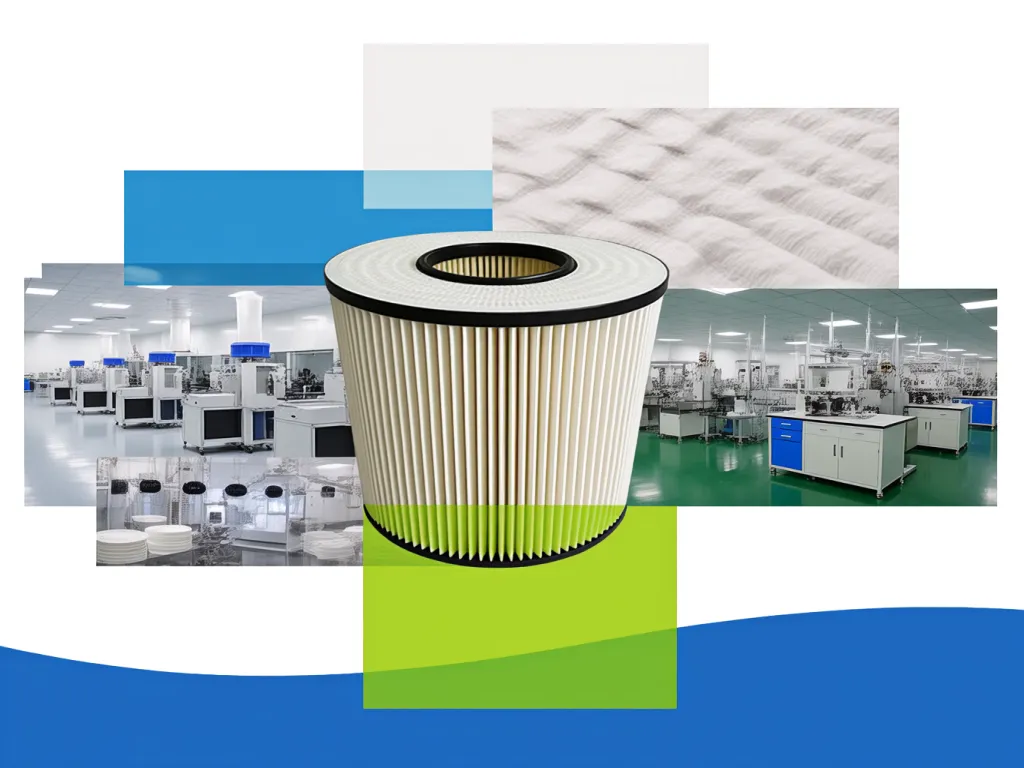
Close-up of a customized filter sack with various industrial applications in the background

Industry-Specific Demands: Why Customized Filter Sacks Sizes Are Essential

When it comes to industrial filtration, one size certainly does not fit all. Different industries—from chemicals and food processing to pharmaceuticals—have unique needs that standard filter sacks simply can’t meet. That’s where customized filter sacks sizes come into play. Let’s break down why each sector requires tailored solutions and how this impacts efficiency and cost-effectiveness.

Chemical Industry: Tackling Corrosive Substances and High Temperatures

The chemical industry is no stranger to harsh conditions. Whether it’s filtering acids, bases, or solvents, the materials used must withstand corrosion and extreme temperatures. Standard filter sacks may degrade quickly, leading to frequent replacements and downtime. By customizing the size and material of filter sacks, manufacturers can ensure optimal performance and longevity. For instance, a chemical plant processing sulfuric acid might need a larger filter sack made from PTFE (Polytetrafluoroethylene) to handle the corrosive nature of the substance without compromising structural integrity. This not only extends the lifespan of the filter but also reduces maintenance costs over time. Have you ever considered how much money you could save by switching to customized solutions?

Food Industry: Ensuring Purity and Compliance with Regulations

In the food industry, purity is paramount. Contaminants can compromise product quality and pose health risks. Standard filter sacks might not provide the level of filtration needed to remove fine particles or bacteria. Moreover, food-grade materials are essential to comply with regulations like FDA standards. Customized filter sacks sizes allow for precise control over the filtration process, ensuring that only the cleanest product reaches consumers. For example, a dairy farm might require a smaller, more densely woven filter sack to remove milk fat globules effectively. By tailoring the size and material, they can achieve higher purity levels while adhering to strict safety guidelines. For specialized solutions like filtration bags for virgin coconut oil, customized sizing ensures optimal performance. Isn’t it worth investing in solutions that protect your brand reputation?

Pharmaceutical Industry: Meeting Stringent Cleanliness Standards

The pharmaceutical industry operates under some of the most stringent cleanliness standards globally. Any contamination can lead to product recalls, legal liabilities, and loss of consumer trust. Standard filter sacks may not meet the high standards required for pharmaceutical applications. Customized filter sacks sizes, designed with materials like polypropylene or nylon, can provide the necessary filtration efficiency while maintaining sterility. A pharmaceutical company producing injectable drugs, for instance, would need ultra-fine filtration to remove even the smallest particles. By customizing the filter sack size and material, they can ensure compliance with Good Manufacturing Practices (GMP) and avoid costly production errors. How critical is it for your business to maintain impeccable cleanliness standards?

Environmental and Waste Management: Maximizing Efficiency and Sustainability

Beyond specific industries, environmental and waste management sectors also benefit from customized filter sacks sizes. These sectors often deal with large volumes of waste materials, including solids, liquids, and gases. Standard filter sacks may not handle the varying flow rates or particle sizes effectively, leading to clogging or inefficient filtration. Customized solutions can be designed to match the exact requirements of the waste stream, whether it’s a high-flow municipal wastewater treatment plant or a low-volume industrial sludge dewatering system. By optimizing the filter sack size, these facilities can reduce energy consumption, minimize waste generation, and enhance overall sustainability. Are you ready to take a step towards more eco-friendly operations?

Tailoring to Flow Rates and Particle Sizes

One of the key reasons for customizing filter sacks sizes is to accommodate varying flow rates and particle sizes. In industries like mining or cement production, the particle size distribution can vary significantly. A standard filter sack might not capture all particles efficiently, leading to reduced product quality or increased wear on downstream equipment. By customizing the size, you can ensure that the filter sack captures the desired range of particles, improving overall process efficiency. For example, a cement plant might need a larger filter sack with a coarser weave to handle the abrasive nature of cement dust, while a pharmaceutical lab would require a finer mesh to capture microscopic contaminants. How does your current filtration system handle particle size variations?

Enhancing Operational Efficiency and Cost Savings

Customized filter sacks sizes also contribute to operational efficiency and cost savings. When filter sacks are properly sized for the application, they operate at peak efficiency, reducing the need for frequent replacements or maintenance. This translates to lower operational costs and fewer interruptions in production. Additionally, customized solutions can be designed to integrate seamlessly with existing equipment, eliminating the need for costly modifications. For instance, a food processing plant might find that a custom-sized filter sack fits perfectly into their existing filtration system, improving performance without requiring new machinery. Have you calculated the potential savings from optimizing your filtration process?

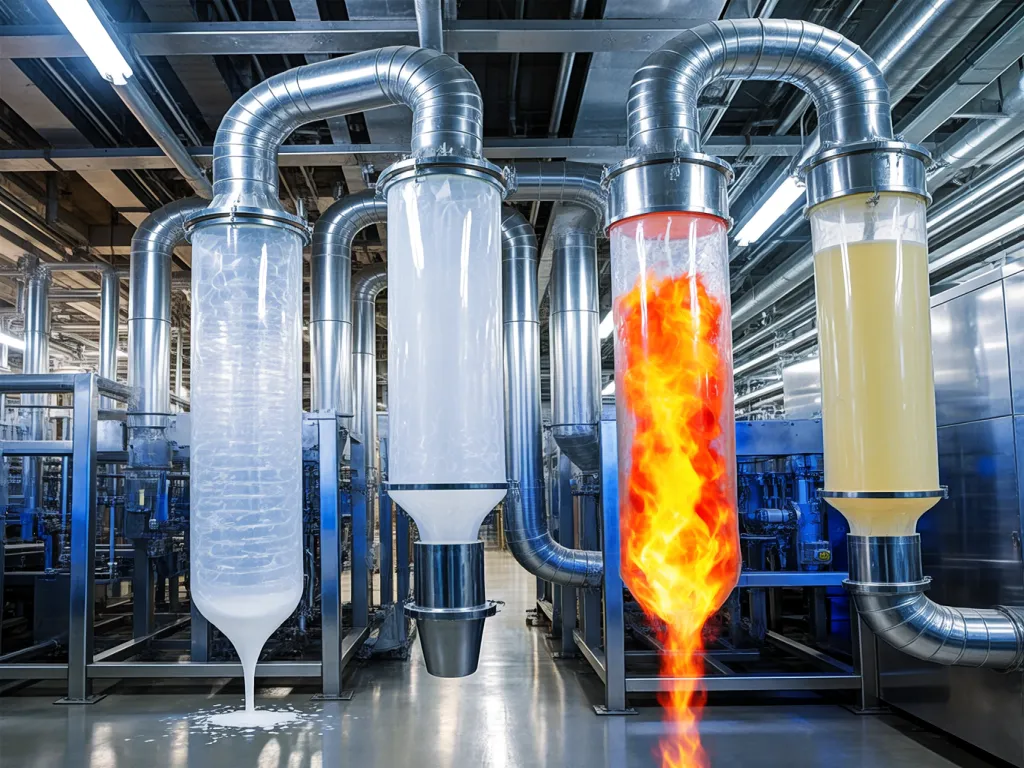
Industrial process showing filter sacks in action with different materials

Design Principles for Customized Filter Sacks Sizes: Flow, Pressure, Temperature, and More

When it comes to designing customized filter sacks sizes, the devil is truly in the details. It’s not just about making a bag that fits; it’s about crafting a solution that performs optimally in your specific industrial environment. So, what are the key design principles you need to consider? Let’s dive in.

First up, flow rate. This is the volume of fluid (be it liquid or gas) that passes through your filter system per unit of time. Imagine trying to drink a thick smoothie through a tiny straw versus a wide one. The flow rate in your industrial process is similar. If your filter sack is too small for the flow rate, it’ll get clogged up fast, leading to reduced efficiency and potential downtime. On the flip side, an oversized filter might seem like a good idea for high flow rates, but it can lead to increased costs and unnecessary bulk. The key is finding that sweet spot where the filter sack size perfectly matches your flow rate, ensuring smooth and uninterrupted operation.

Next, we have pressure. In industrial settings, filters often operate under significant pressure differentials. Whether it’s the pressure pushing the fluid through the filter or the vacuum pulling it, your filter sack needs to withstand these forces without compromising its integrity. A filter sack that’s too thin or poorly constructed for the pressure in your system can rupture, causing contamination and costly shutdowns. Conversely, an overly robust filter for low-pressure applications might be unnecessarily expensive and heavy. Understanding your system’s pressure requirements is crucial for selecting the right filter sack size and material.

Temperature is another critical factor. Different industrial processes operate at vastly different temperatures, from cryogenic conditions in food processing to extreme heat in metalworking. The material of your filter sack must be able to withstand these temperature extremes without degrading. For instance, a filter sack designed for high-temperature applications might use special synthetic fibers that don’t melt or weaken under heat, while a low-temperature filter could utilize materials that remain flexible and strong in cold environments. Choosing a filter sack that’s not rated for your temperature range can lead to premature failure and safety hazards.

But wait, there’s more! Beyond flow, pressure, and temperature, you also need to consider the chemical compatibility of your filter sack. Will it come into contact with corrosive substances, abrasive particles, or reactive chemicals? The material of your filter sack must be resistant to these substances to prevent degradation and ensure longevity. Additionally, the physical structure of the filter, such as the weave pattern or pore size, plays a role in its efficiency and lifespan. A finer weave might capture more particles but could also clog faster, while a coarser weave allows for higher flow rates but might let smaller contaminants through. For more insights into how physical structure impacts filter performance, you may want to explore relevant studies on filtration processes.

So, how do you balance all these factors? It starts with a thorough understanding of your industrial process. What are the specific requirements of your application? What are the flow rates, pressure differentials, temperature ranges, and chemical exposures you’ll encounter? Once you have this information, you can work with a reputable filter sack manufacturer to design a customized solution that meets your exact needs. They’ll consider all these design principles and more, using their expertise to create a filter sack that’s not just the right size but also the perfect fit for your operation.

Flow Rate: Finding the Perfect Balance

Flow rate is all about ensuring that your filter sack can handle the volume of fluid passing through it without getting clogged or causing excessive pressure drops. It’s a delicate balance between having enough surface area to capture contaminants and not being so large that it becomes inefficient. Think of it like a highway: too few lanes, and you get traffic jams; too many, and you waste space and resources. The right filter sack size ensures smooth traffic flow in your industrial process.

Pressure: Withstanding the Forces

Pressure differentials can be intense in industrial filters, and your filter sack must be able to handle them. Whether it’s the positive pressure pushing the fluid through or the negative pressure pulling it, the filter sack’s material and construction must be up to the task. A weak filter sack can rupture under pressure, leading to contamination and downtime. On the other hand, an overly strong filter for low-pressure applications might be unnecessarily expensive. Understanding your pressure requirements is key to selecting the right filter sack.

Temperature: Surviving the Extremes

Temperature extremes can wreak havoc on filter sacks if they’re not designed for it. High temperatures can melt or weaken certain materials, while low temperatures can make them brittle and prone to cracking. Choosing a filter sack rated for your temperature range ensures it performs reliably over time. It’s like dressing for the weather: you wouldn’t wear a winter coat in the desert, and you wouldn’t wear shorts in the Arctic. The same principle applies to filter sacks.

Display of various sizes and types of customized filter sacks in a factory setting

Real-World Success Stories: Customized Filter Sacks Sizes in Action

When it comes to industrial filtration, one size definitely does not fit all. Each industry has its own unique set of challenges and requirements, which is why customized filter sacks sizes are so crucial. Let’s dive into a few real-world examples to see how we’ve successfully tailored filter sacks to meet specific industrial needs.

Case Study 1: The Chemical Industry’s Unique Challenge

In the chemical industry, the stakes are high. Corrosive substances, high temperatures, and precise filtration requirements demand filter sacks that can withstand the rigors of the environment. We recently worked with a chemical manufacturer who was struggling with frequent filter sack failures. Their existing sacks were not only the wrong size but also made from materials that couldn’t handle the chemical composition of their processes. After a thorough analysis of their production line, we discovered that the flow rate and pressure were much higher than what standard filter sacks could manage. We proposed a customized solution: larger filter sacks made from a blend of polyester and PTFE (Polytetrafluoroethylene), known for its chemical resistance and high-temperature stability. PTFE’s exceptional properties make it a popular choice in chemical-resistant applications. The result? A dramatic reduction in filter sack replacements, lower operational costs, and improved product purity.

Case Study 2: Food Industry’s Need for Precision

The food industry is all about precision and hygiene. A client in the dairy sector approached us with a problem: their existing filter sacks were causing contamination and inefficiencies in their production process. The issue? The sacks were too small, leading to frequent clogging and downtime. We conducted a site visit to understand their specific needs. The dairy plant required filter sacks that could handle high volumes of milk solids without compromising on hygiene. We designed customized filter sacks with a larger surface area and a special anti-microbial coating. The new sacks not only improved filtration efficiency but also extended the lifespan of the filters, reducing waste and enhancing overall productivity.

Case Study 3: Pharmaceutical Industry’s Stringent Standards

In the pharmaceutical industry, every detail matters. A pharmaceutical company reached out to us with a unique challenge: they needed filter sacks that could meet their stringent quality standards while handling sensitive drug formulations. The standard sacks they were using were causing product loss and contamination risks. Our team worked closely with their engineers to develop a customized solution. We used a combination of high-quality polypropylene and a specialized filtration media that could capture even the smallest particles. The sacks were also designed with a tighter seal to prevent any leakage. The result was a significant improvement in product yield and a reduction in contamination risks, meeting the pharmaceutical industry’s exacting standards.

Why Customization Matters

These case studies highlight the importance of customized filter sacks sizes. Off-the-shelf solutions often fall short in meeting the specific needs of different industries. By tailoring the size, material, and design of filter sacks, we can ensure optimal performance, reduce operational costs, and enhance product quality. Are you facing similar challenges in your industrial filtration processes? Don’t settle for generic solutions. Let us help you design customized filter sacks that are perfectly suited to your unique needs. Contact us today to discuss how we can transform your filtration efficiency.

Wrapping up, the power of customized filter sacks sizes cannot be overstated. By aligning filter dimensions with your unique industrial demands, you unlock a realm of efficiency and cost-effectiveness. Remember, it’s not just about fitting a filter; it’s about optimizing your entire filtration system. So, why wait? Elevate your industrial filtration game today by embracing tailored solutions. And if you’re curious about how customized sizes can specifically benefit your operation, reach out – we’re here to craft your perfect filtration fit. What will be your first step towards precision filtration?

Leave a Reply

Your email address will not be published. Required fields are marked *