
In the world of industrial filtration, the right inlet protection can make or break your production line. Whether you’re managing a chemical plant, a food processing facility, or a pharmaceutical operation, the performance of your filter sacks inlet protection solutions directly impacts efficiency, cost, and product quality. But with so many options on the market, how do you choose the best fit for your specific needs? Let’s dive into a performance-based comparison that will empower you to make informed decisions.

Filter Efficiency Comparison: Analyzing Precision & Efficiency of Filter Sacks Inlet Protection Solutions
When it comes to industrial filtration, the efficiency of your filter sacks inlet protection solutions can make or break your production line. But how do you know which solution is right for you? Let’s dive into the nitty-gritty of filter precision and efficiency, and why it matters so much for your industrial operations. First off, let’s talk about filter precision. This isn’t just about catching the big stuff; it’s about ensuring that even the tiniest particles don’t slip through the cracks. Imagine you’re running a pharmaceutical plant. A single micron of contaminant could mean the difference between a safe product and a recall nightmare. That’s where high-precision filter sacks come into play. They’re designed to trap particles down to a fraction of a micron, ensuring your end product is as pure as possible. But precision alone isn’t enough. You also need efficiency. After all, what good is a filter that catches everything if it clogs up every five minutes? Efficiency in filter sacks inlet protection solutions means balancing high capture rates with long service life. It’s about finding that sweet spot where your filters can handle a high volume of particulates without needing constant replacement. Now, let’s consider the impact on industrial production. A less efficient filter might seem cheaper upfront, but the hidden costs can be staggering. Think about the downtime required for filter changes, the potential for equipment damage from unfiltered particulates, and the loss of product quality. Over time, these costs can far outweigh the initial savings on a cheaper filter. On the flip side, investing in a high-efficiency filter sack can pay off in spades. Reduced downtime, lower maintenance costs, and improved product quality all contribute to a healthier bottom line. Plus, you’ll have the peace of mind knowing that your production line is protected against even the smallest contaminants. But how do you choose the right filter sack for your needs? It starts with understanding your specific industrial application. Are you dealing with fine powders, coarse particles, or a mix of both? What’s the flow rate of your system? Answering these questions will help you narrow down your options and find a filter sack that offers the perfect balance of precision and efficiency. And don’t forget about the material of your filter sack. Different materials offer varying levels of durability, chemical resistance, and filtration capabilities.
Precision in Filtration: Why It Matters
Precision in filtration is all about the smallest particles your filter can catch. For industries like pharmaceuticals or food processing, even microscopic contaminants can be catastrophic. High-precision filter sacks are engineered to trap these tiny invaders, ensuring your product remains uncontaminated. But achieving this level of precision requires advanced materials and design, which can impact the cost and maintenance of your filtration system.
Efficiency: The Balance Between Capture and Longevity
Efficiency in filter sacks isn’t just about how much they can catch; it’s also about how long they can do it before needing replacement. A filter that clogs quickly will disrupt your production flow, leading to downtime and increased maintenance costs. The key is finding a filter that offers high capture rates while maintaining a long service life. This balance ensures your filtration system operates smoothly, reducing interruptions and saving you money in the long term.
The Hidden Costs of Inefficient Filtration
Choosing a filter sack based solely on price can be a costly mistake. Inefficient filters may seem like a bargain upfront, but the hidden costs can add up quickly. Downtime for filter changes, potential equipment damage from unfiltered particulates, and compromised product quality all contribute to higher overall expenses. Investing in a high-efficiency filter sack may require a larger initial investment, but the long-term savings in reduced downtime, lower maintenance, and improved product quality make it a wise choice.

Material Durability Assessment: Comparing Wear and Corrosion Resistance for Long-Term Cost-Effectiveness
When it comes to filter sacks inlet protection solutions, material selection is a cornerstone that can make or break the long-term viability of your industrial setup. After all, you’re not just buying a filter; you’re investing in a solution that needs to withstand the rigors of continuous operation, often in harsh environments. So, how do different materials stack up in terms of wear resistance, corrosion resistance, and ultimately, cost-effectiveness over time? Let’s dive in.
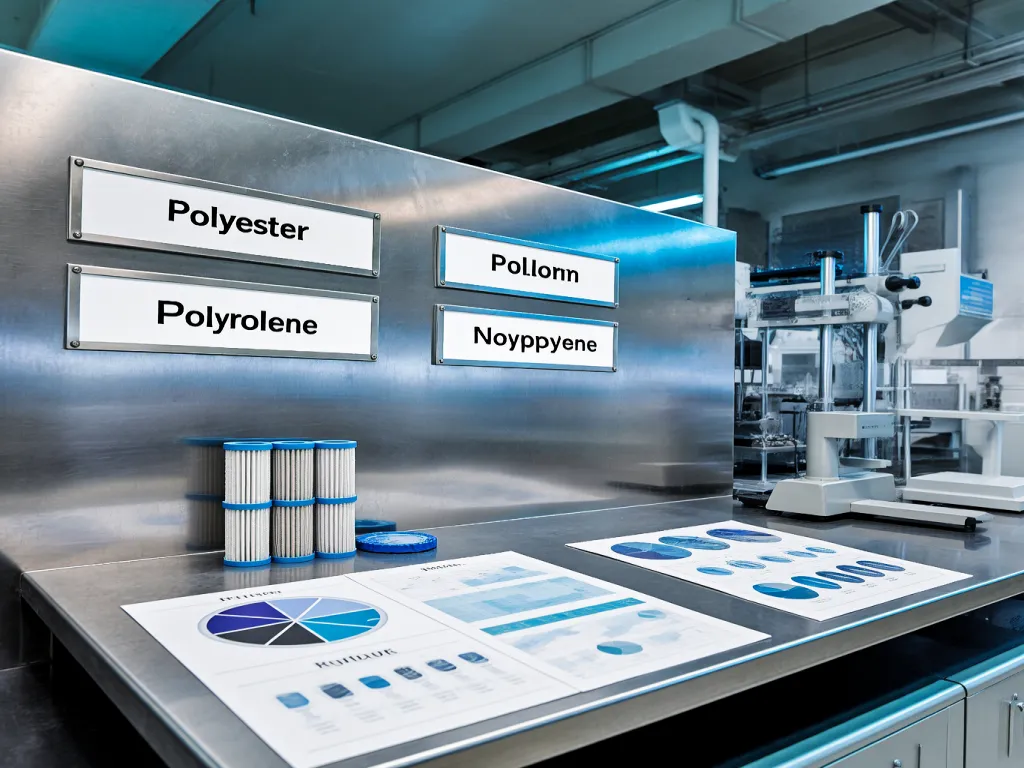
Polyester: The Balanced Performer
Polyester filter sacks strike a fine balance between wear resistance and chemical resistance. They’re tough enough to handle moderate abrasion, making them suitable for a wide range of industrial applications. And their resistance to many common chemicals means they can perform reliably in environments where corrosive substances are present. However, it’s important to note that polyester isn’t impervious to all chemicals. In highly acidic or alkaline settings, its lifespan can be significantly reduced, leading to more frequent replacements and higher long-term costs.
Polypropylene: The Chemical Warrior
If you’re dealing with corrosive substances on a regular basis, polypropylene filter sacks are your best friend. They’re virtually unaffected by most acids, bases, and solvents, making them ideal for industries like chemical processing, wastewater treatment, and more. But while polypropylene excels in chemical resistance, it falls short in wear resistance. In high-abrasion environments, polypropylene sacks can wear out quickly, requiring more frequent replacements and driving up costs over time.
Nylon: The Heavy-Duty Champion
Nylon filter sacks are the heavyweights of the filter sack world. They’re incredibly strong and durable, able to withstand significant abrasion without losing their structural integrity. This makes them perfect for heavy-duty applications like mining, cement production, and more. And while nylon isn’t as chemically resistant as polypropylene, it still holds up well against most common industrial chemicals. The trade-off? Nylon tends to be more expensive upfront. But when you consider its longevity and reduced need for replacements, nylon often proves to be the more cost-effective choice in the long run.

Flow Compatibility Analysis: Evaluating Filter Sacks Inlet Protection Solutions Across Industrial Scenarios
When it comes to industrial filtration, one size certainly doesn’t fit all. The diversity of industrial environments—from chemical processing plants to food manufacturing facilities—demands a nuanced understanding of how filter sacks inlet protection solutions perform under varying flow conditions. This section dives deep into the compatibility and adaptability of these solutions across different industrial scenarios, ensuring you make an informed choice tailored to your specific needs.
Let’s kick things off with a scenario many of us are familiar with: the high-flow environment of a chemical processing plant. Here, the volume and velocity of liquids or gases passing through the system can be staggering. Traditional filter sacks might struggle to keep up, leading to clogging, reduced efficiency, and even system failures. But fear not, because modern filter sacks inlet protection solutions are engineered with high-flow compatibility in mind. They feature larger inlet areas, reinforced structures, and advanced materials that can withstand the rigors of intense flow without compromising on filtration quality. For those seeking high-efficiency options, consider exploring our high-efficiency filtration bags designed for such demanding environments. This means fewer interruptions, lower maintenance costs, and ultimately, a smoother operational workflow.
Now, shift gears to a food manufacturing facility, where the stakes are just as high but the challenges are different. Here, the focus shifts to preventing contamination and ensuring product purity. The flow might not be as intense as in a chemical plant, but the consequences of a filter failure can be dire, leading to product recalls and reputational damage. Filter sacks inlet protection solutions in this context need to be not just compatible with the flow rate but also highly effective at capturing even the tiniest particles that could compromise food safety. Look for solutions that offer a combination of fine filtration capabilities and easy cleaning or replacement mechanisms to maintain hygiene standards without disrupting production.
What about industries dealing with corrosive substances? In sectors like petrochemicals or wastewater treatment, the materials used in filter sacks become paramount. The solution must not only handle the flow but also resist chemical degradation over time. This is where specialized coatings and alloys come into play, offering enhanced durability and longevity even in the harshest environments. For applications involving high temperatures or chemical resistance, our high-temperature and chemical-resistant bag filters provide a reliable choice. By choosing filter sacks inlet protection solutions designed with corrosion resistance in mind, you’re investing in a system that will stand the test of time, reducing the need for frequent replacements and minimizing downtime.
But how do you know which solution is right for your specific scenario? It starts with understanding your flow characteristics—volume, velocity, and the nature of the substances being filtered. Next, consider the operational environment: temperature extremes, chemical exposure, and the need for easy maintenance. Don’t forget to factor in regulatory requirements and industry standards, as these can dictate the minimum performance criteria your solution must meet.
Engaging with a reputable supplier who offers customization options can make all the difference. They can help you tailor a filter sacks inlet protection solution that perfectly matches your flow needs, operational constraints, and budgetary considerations. Whether it’s adjusting the size, material, or filtration rating, a customized approach ensures optimal performance and cost-efficiency.
In conclusion, the compatibility and adaptability of filter sacks inlet protection solutions across different industrial scenarios hinge on a deep understanding of your unique flow requirements and operational environment. By choosing a solution that’s engineered to handle your specific challenges, you’re not just investing in filtration; you’re investing in peace of mind, operational efficiency, and long-term success.
High-Flow Environments: Engineering for Intensity
In high-flow scenarios, the emphasis is on durability and flow management. Solutions here are built to handle large volumes without clogging, utilizing reinforced structures and advanced materials. This ensures continuous operation even under extreme conditions, minimizing downtime and maximizing productivity.
Food Manufacturing: Purity and Hygiene at the Forefront
For food manufacturing, the priority shifts to preventing contamination. Filter sacks must capture minute particles effectively while being easy to clean or replace. This balance between filtration efficiency and maintenance ease is crucial for maintaining product quality and safety.
Corrosive Environments: Resisting Degradation
In corrosive settings, material selection is key. Solutions must resist chemical attack to ensure longevity. Specialized coatings and alloys are often employed to enhance durability, reducing the need for frequent replacements and minimizing operational interruptions.
By now, you’ve seen how critical performance metrics like filtration efficiency, material durability, and flow compatibility shape the effectiveness of filter sacks inlet protection solutions. Whether your priority is minimizing downtime, reducing maintenance costs, or ensuring product purity, there’s a solution tailored to your industrial needs. Ready to elevate your filtration game? Explore our full range of industrial-grade filter sacks and discover how the right inlet protection can transform your operations. The next step in optimizing your process starts here—what will you choose?