
Ever wondered why your dust collector isn’t performing up to par despite regular maintenance? Whether you’re a factory manager, maintenance technician, or procurement specialist, dealing with subpar dust collector performance can be frustrating—and costly. The truth is, many factors can cause your equipment to underperform, from clogged filters to misaligned airflow. So, why does dust collector performance not meet standards? Let’s dive into the top 10 hidden truths that could be sabotaging your system’s efficiency.
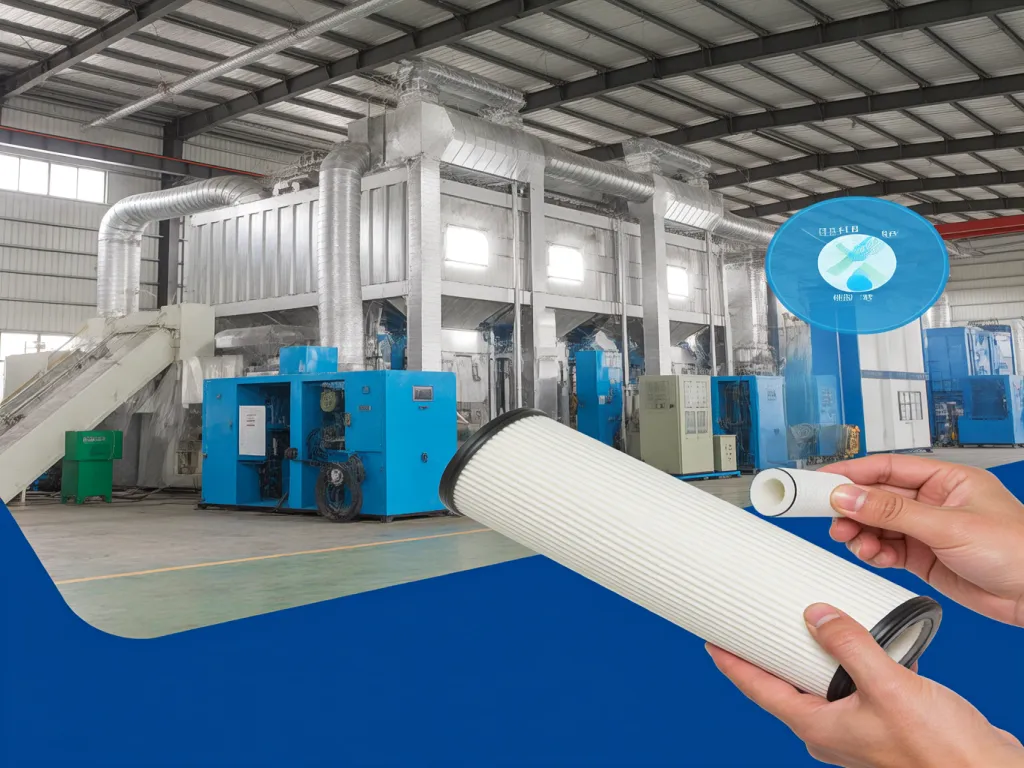
Improper Filter Media Selection: How Material and Pore Size Impact Dust Collection Efficiency
When it comes to dust collector performance, the choice of filter media isn’t just a minor detail—it’s a game-changer. Imagine investing in a high-end dust collector only to find it underperforming because the filter media isn’t up to par. Sounds frustrating, right? Well, you’re not alone. Many industrial facilities face this issue, and the root cause often lies in selecting the wrong filter media for their specific needs. Let’s dive into why filter media selection is so crucial and how to get it right. First off, the material of the filter media plays a pivotal role in determining its effectiveness. Different materials have varying levels of resistance to chemicals, temperature, and abrasion. For instance, if you’re dealing with corrosive gases or particles, a polyester or PTFE-coated filter might be your best bet due to their excellent chemical resistance. On the other hand, if you’re operating in high-temperature environments, a glass fiber or ceramic filter would be more suitable, as they can withstand extreme heat without degrading. But material isn’t the only factor; pore size is equally important. The pore size of the filter media determines the size of particles it can capture. A filter with larger pores might allow smaller particles to pass through, reducing the overall efficiency of the dust collector. Conversely, a filter with extremely small pores can become clogged quickly, increasing pressure drop and reducing airflow. So, how do you strike the perfect balance? It all comes down to understanding your specific work conditions. Are you dealing with fine dust particles, like those generated in pharmaceutical or food processing industries? If so, you’ll need a filter with smaller pores to ensure effective capture. On the other hand, if you’re handling larger, heavier particles, like those in the mining or construction sectors, a filter with larger pores might suffice. But wait, there’s more to it than just particle size. The concentration of dust in the air also matters. High dust concentrations can overwhelm a filter, causing it to clog faster and reducing its lifespan. In such cases, you might need a filter with a higher dust-holding capacity or one that’s designed for pulse-jet cleaning to extend its service life. For instance, our high-efficiency anti-static pulse-jet baghouse is specifically designed to handle high dust concentrations and extend filter life through effective pulse-jet cleaning. Moreover, the operating temperature and humidity levels can influence filter media selection. High humidity can cause certain materials to swell or degrade, while extreme temperatures can affect the filter’s structural integrity. Therefore, it’s essential to choose a filter media that can withstand the environmental conditions of your facility. So, how can you avoid the pitfalls of improper filter media selection? Start by conducting a thorough analysis of your work conditions. Identify the type, size, and concentration of dust particles, as well as the operating temperature and humidity levels. Then, consult with a reputable filter media supplier or manufacturer who can recommend the most suitable material and pore size for your needs. Remember, investing in the right filter media isn’t just about improving dust collector performance; it’s also about reducing maintenance costs, extending equipment lifespan, and ensuring a safer working environment for your employees. So, don’t overlook this critical aspect of dust collection. Take the time to understand your needs and make an informed decision. Your dust collector—and your bottom line—will thank you for it.
The Role of Filter Media Material in Dust Collection
The material of the filter media is the first line of defense against dust particles. Different materials offer varying levels of resistance to chemicals, temperature, and abrasion, making them suitable for different applications. For example, polyester filters are known for their excellent chemical resistance and durability, making them ideal for use in chemical processing plants. PTFE-coated filters, on the other hand, offer superior resistance to both chemicals and high temperatures, making them suitable for use in harsh environments. Glass fiber filters are another popular choice, especially for high-temperature applications, as they can withstand temperatures up to 500°F without degrading. Ceramic filters, while more expensive, offer unparalleled resistance to extreme temperatures and abrasion, making them ideal for use in the mining and metallurgy industries. When selecting a filter media material, it’s essential to consider not only the type of dust particles you’re dealing with but also the operating conditions of your facility. Choose a material that can withstand the chemicals, temperatures, and abrasion levels present in your work environment to ensure optimal performance and longevity.
Pore Size: The Key to Effective Particle Capture
While the material of the filter media is crucial, pore size is equally important in determining its effectiveness. The pore size of the filter determines the size of particles it can capture, with smaller pores capturing smaller particles and larger pores capturing larger particles. However, it’s not as simple as choosing the smallest pore size possible. A filter with extremely small pores can become clogged quickly, increasing pressure drop and reducing airflow, which can lead to decreased dust collection efficiency and increased energy consumption. On the other hand, a filter with larger pores might allow smaller particles to pass through, reducing the overall efficiency of the dust collector. Therefore, it’s essential to strike a balance between pore size and particle capture efficiency. To determine the optimal pore size for your application, consider the size distribution of the dust particles in your work environment. If you’re dealing with predominantly fine dust particles, a filter with smaller pores would be more suitable. Conversely, if you’re handling larger, heavier particles, a filter with larger pores might suffice. Additionally, consider the concentration of dust in the air. High dust concentrations can overwhelm a filter, causing it to clog faster. In such cases, you might need a filter with a higher dust-holding capacity or one that’s designed for pulse-jet cleaning to extend its service life.
Environmental Factors Affecting Filter Media Selection
While particle size and concentration are critical factors in filter media selection, environmental conditions such as temperature and humidity also play a significant role. High humidity levels can cause certain filter materials to swell or degrade, reducing their effectiveness and lifespan. For example, cellulose filters, while cost-effective, are prone to degradation in high-humidity environments, making them unsuitable for use in such conditions. Extreme temperatures can also affect the structural integrity of the filter media. High temperatures can cause certain materials to melt or deform, while low temperatures can make them brittle and prone to cracking. Therefore, it’s essential to choose a filter media that can withstand the temperature extremes present in your work environment. In addition to temperature and humidity, consider the presence of corrosive gases or chemicals in the air. Certain filter materials, such as polyester and PTFE, offer excellent chemical resistance, making them ideal for use in chemical processing plants or other environments where corrosive substances are present. By taking into account these environmental factors when selecting filter media, you can ensure optimal performance and longevity, reducing maintenance costs and downtime in the long run.
Air Volume & Velocity Mismatch: The Silent Killer of Dust Collector Efficiency
Ever wondered why your dust collector isn’t performing as expected, even after meticulous maintenance? The culprit might be hiding in plain sight: an air volume and velocity mismatch. This seemingly technical issue is a common performance killer, affecting everything from dust capture efficiency to energy consumption. Let’s unpack this critical factor and explore practical solutions to get your system back on track. Imagine your dust collector as a sophisticated airflow management system. Just like a well-tuned engine, it needs the right balance of air volume (the amount of air moving through the system) and velocity (the speed at which the air moves). When these two parameters fall out of sync, the consequences can be severe. Air volume that’s too high creates excessive turbulence, causing captured dust particles to re-entrain into the airstream rather than settling in the collection hopper. This not only reduces collection efficiency but also increases the load on your filtration system, leading to premature filter failure. Conversely, insufficient air volume means your system can’t keep up with dust generation rates, allowing harmful particulates to escape into your facility. The velocity factor adds another layer of complexity. Uneven air velocity across the collection hoods or ductwork creates ‘dead zones’ where dust accumulates rather than being carried to the collector. This uneven distribution strains certain parts of your system while underutilizing others, leading to inconsistent performance and potential equipment damage. So, how do you diagnose and fix these issues? Let’s break it down into actionable steps. First, conduct a comprehensive airflow analysis. This involves measuring both volume and velocity at multiple points in your system using anemometers or pitot tubes. Compare these measurements against your system’s design specifications and manufacturer recommendations. Pay special attention to areas where you’ve noticed performance issues or where dust accumulation is visible. Next, evaluate your ductwork design. Poorly designed duct systems with sharp bends, sudden diameter changes, or excessive length can create pressure drops that disrupt airflow balance. Consider consulting with a ductwork design expert to optimize your system’s layout for smoother air movement. Your collection hoods play a crucial role in maintaining proper airflow. Hoods that are too small, improperly placed, or lacking sufficient capture velocity can’t effectively contain dust at its source. Work with your equipment supplier to ensure your hoods match the specific dust generation characteristics of your processes. Variable frequency drives (VFDs) offer an excellent solution for fine-tuning air volume. These devices allow you to adjust fan speed based on actual production demands rather than running at full capacity constantly. This not only improves efficiency but also reduces energy costs significantly. For velocity issues, consider installing flow straighteners or airflow balancing dampers. These devices help distribute air evenly across the system, eliminating those problematic dead zones. In some cases, you might need to upgrade your fan system entirely. Modern fans with advanced blade designs, like those found in high-efficiency industrial cyclone separators, can provide more consistent airflow while operating more quietly and efficiently than older models. Remember, achieving optimal air volume and velocity isn’t a one-time fix. Regular monitoring and adjustments are essential, especially when production processes change or when you introduce new equipment. Implement a scheduled maintenance program that includes periodic airflow checks as part of your standard operating procedures. By taking a proactive approach to air volume and velocity management, you’ll not only improve your dust collector’s performance but also extend its service life, reduce energy consumption, and create a safer work environment for your employees. Isn’t that a breath of fresh air?
The Science Behind Airflow Dynamics
To truly grasp why air volume and velocity matter, let’s delve into the physics of dust collection. The efficiency of any dust collection system depends on its ability to create sufficient airflow to capture particles at their source and transport them to the collection point. This process follows the principles of fluid dynamics, where air acts as the fluid carrying dust particles. The ideal air velocity ensures that particles remain suspended in the airstream long enough to reach the collector without settling prematurely. Too low, and particles drop out of the airstream; too high, and turbulence can cause re-entrainment. Similarly, the right air volume ensures your system can handle the dust load generated by your processes without becoming overwhelmed or underutilized.
Real-World Consequences of Mismatched Airflow
The impact of improper air volume and velocity extends far beyond just reduced collection efficiency. In facilities handling combustible dusts, poor airflow management can create dangerous dust accumulations that pose explosion risks. For food processing plants, inconsistent airflow can lead to product contamination. In manufacturing environments, inadequate dust control can damage sensitive equipment or affect product quality. Moreover, an inefficient system works harder, consuming more energy and increasing operational costs. Over time, these seemingly small inefficiencies can translate into significant financial losses and potential regulatory compliance issues.
DIY Airflow Optimization Tips
While some airflow issues require professional intervention, there are several steps you can take to improve your system’s performance: 1. Regularly inspect and clean ductwork to remove obstructions that disrupt airflow. 2. Ensure all dampers are fully open during operation unless specifically designed for flow control. 3. Check for and seal any leaks in ductwork that can cause pressure drops. 4. Train operators to recognize signs of airflow problems, such as unusual noises or visible dust emissions. 5. Keep a log of airflow measurements to track changes over time and identify trends before they become serious issues.
Clearing System Failures: Why Dust Collector Performance Falls Short
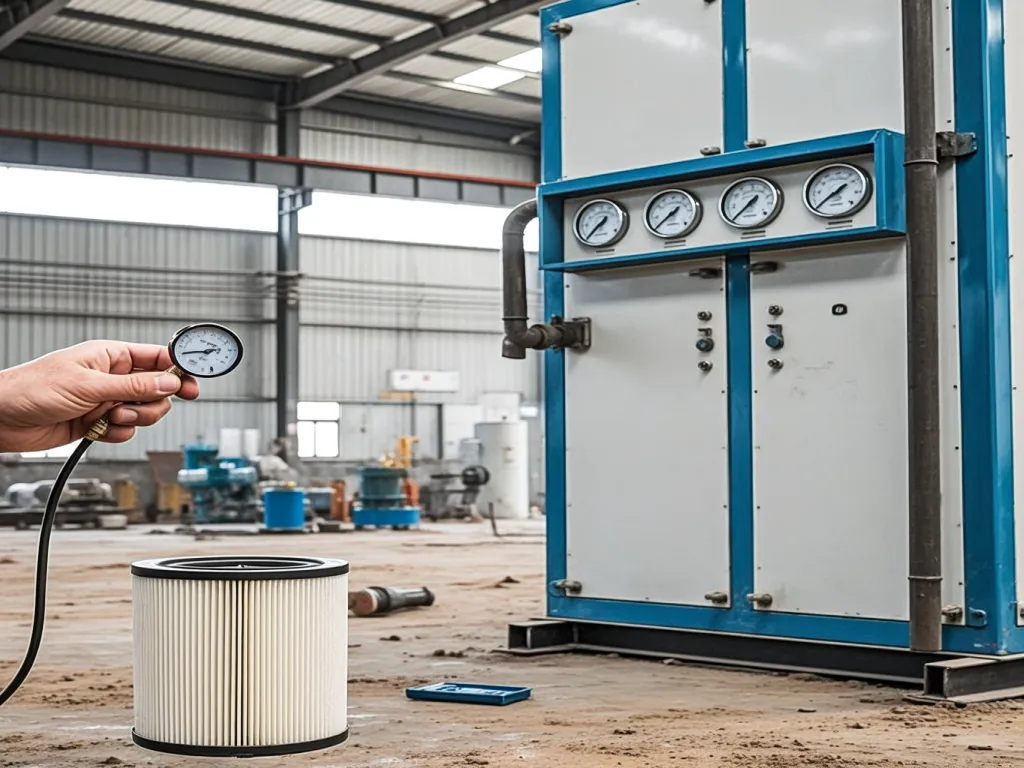
When it comes to dust collectors, one of the most critical components that often gets overlooked is the clearing system. If the clearing system doesn’t function properly, it can lead to a host of problems, the most common being the clogging of filter materials. This, in turn, causes a significant drop in performance, making your dust collector less efficient and potentially increasing maintenance costs. So, what exactly goes wrong with the clearing system, and how can you fix it? Let’s dive into the common failures and their solutions. First off, let’s talk about the timing of clearing. Have you ever noticed that your dust collector seems to be working harder than usual, but the results are still subpar? One possible reason could be that the clearing isn’t happening at the right time. If the clearing cycle is too long, dust and debris accumulate on the filter material, blocking the pores and reducing airflow. This not only decreases the efficiency of the dust collector but also puts extra strain on the motor, leading to premature wear and tear. On the other hand, if the clearing cycle is too short, it might not be enough to remove all the accumulated dust, leaving behind a residue that can still cause problems. So, how do you find the right balance? The key is to monitor the pressure drop across the filter material. As dust accumulates, the pressure drop increases. When it reaches a certain threshold, it’s time to initiate the clearing cycle. This ensures that the filter material is cleaned just enough to maintain optimal performance without overdoing it. Another common issue is insufficient clearing force. Even if the clearing cycle is timed correctly, if the force used to remove the dust isn’t strong enough, the filter material will still end up clogged. This can happen due to several reasons, such as worn-out clearing mechanisms, low air pressure, or incorrect nozzle placement. To address this, start by inspecting the clearing mechanism. Is it still in good condition, or does it need replacement? Next, check the air pressure. If it’s too low, adjust it to the recommended level. Finally, ensure that the nozzles are positioned correctly to direct the clearing force where it’s needed most. Sometimes, the problem might not be with the clearing system itself but with the filter material. If the filter material is too old or damaged, it might not be able to withstand the clearing force, leading to tears or holes. This not only reduces the effectiveness of the dust collector but also allows dust to escape into the environment, posing a health risk to workers. Therefore, it’s crucial to regularly inspect and replace the filter material as needed. In addition to these common failures, there are other factors that can affect the performance of the clearing system, such as the type of dust being collected, the humidity level in the environment, and the overall design of the dust collector. For instance, if you’re dealing with sticky or oily dust, you might need a more robust clearing system like the high-efficiency industrial cyclone separator that can handle the extra challenge. Similarly, high humidity levels can cause dust to clump together, making it harder to remove. In such cases, you might need to adjust the clearing cycle or use a dehumidifier to control the moisture level. By understanding these common failures and their solutions, you can keep your dust collector’s clearing system in top shape, ensuring that your filter material stays clean and your dust collector operates at peak efficiency. Remember, a well-maintained clearing system is the key to a high-performing dust collector.
Timing Issues: Finding the Right Clearing Cycle
The timing of the clearing cycle is crucial for maintaining optimal performance. If it’s too long, dust accumulates, clogging the filter material. If it’s too short, residue remains, causing problems. Monitor the pressure drop across the filter material to determine the right time to initiate the clearing cycle. This ensures that the filter is cleaned just enough to maintain efficiency without overdoing it.
Insufficient Clearing Force: Ensuring Effective Dust Removal
Even with the right timing, if the clearing force isn’t strong enough, the filter material will still clog. This can be due to worn-out mechanisms, low air pressure, or incorrect nozzle placement. Inspect the clearing mechanism, adjust the air pressure, and ensure nozzles are positioned correctly to direct the force where needed.
Filter Material: The Foundation of Effective Clearing
The condition of the filter material plays a significant role in the clearing system’s effectiveness. Old or damaged filter material can’t withstand the clearing force, leading to tears or holes. Regularly inspect and replace the filter material as needed to maintain optimal performance and prevent dust from escaping into the environment.
When it comes to why dust collector performance does not meet standards, the answer isn’t always straightforward. From choosing the wrong filter material to ignoring subtle airflow issues, even small oversights can lead to big problems. By now, you should have a clearer picture of what might be going wrong—and how to fix it. Don’t wait for a breakdown to take action. Check your system today, apply these tips, and watch your dust collector spring back to life. Want more insider tricks? Share this guide or explore our blog for deeper dives into industrial filtration solutions!