
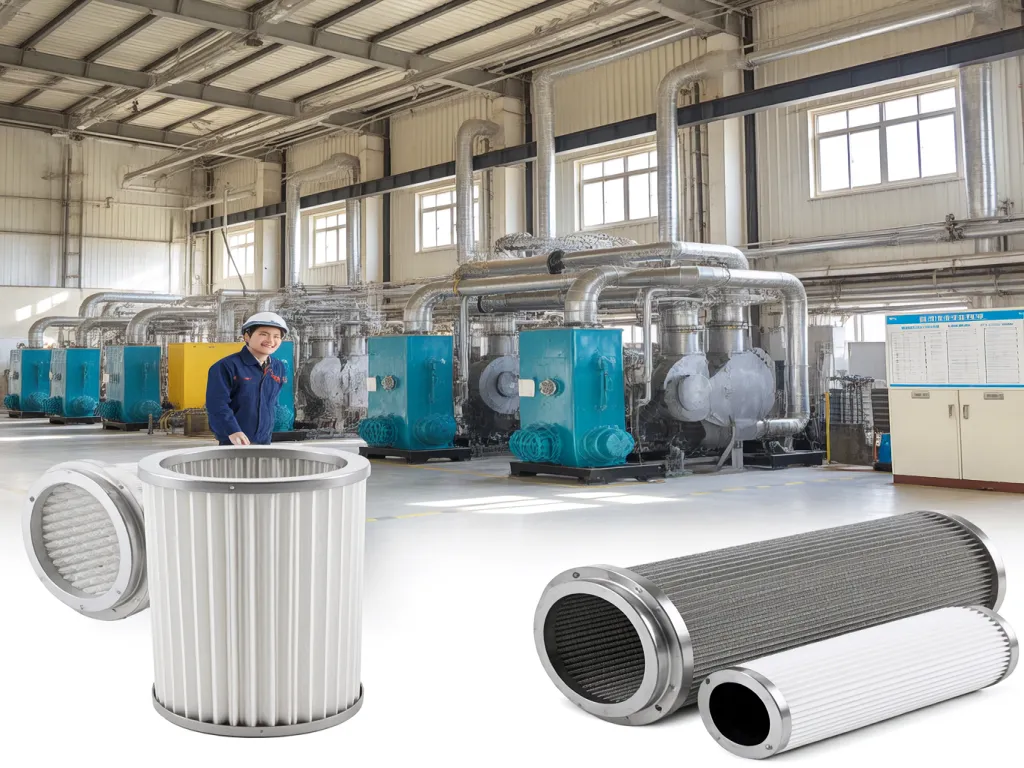
발전소 운영자에게 손상된 필터 백의 광경은 척추에 전율을 보낼 수 있습니다—비용이 많이 드는 가동 중지 시간,비효율적인 작업 및 예기치 않은 비용. 하지만 그러한 위험을 줄일 수 있다면 어떨까요? 이해 발전소에서 필터 백 손상을 방지하는 방법은 무엇입니까? 단순히 비용을 절약하는 것이 아닙니다; 원활한 워크 플로우를 보장하고 장비 수명을 극대화하는 것입니다. 이 가이드에서는 필터 백 고장의 근본 원인을 풀고이를 그대로 유지하기위한 실행 가능한 전략으로 무장 할 수 있습니다. 유지 보수 루틴을 변화시킬 준비가 되셨습니까?
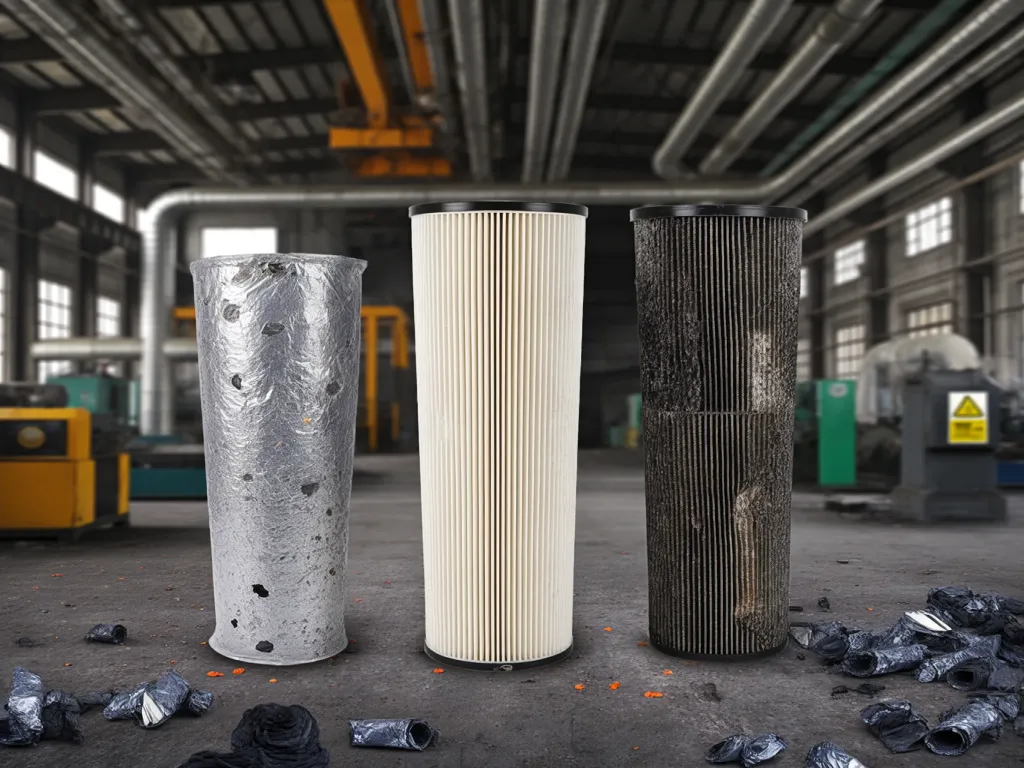
필터 백 손상의 일반적인 원인: 재료 특성, 작동 사고 및 환경 요인에 대한 통찰력
As someone deeply involved in the industrial filtration sector, I’ve seen firsthand how crucial filter bags are to the smooth operation of power plants. Yet, despite their importance, filter bags often face premature damage, leading to costly downtimes and replacements. So, what’s causing this wear and tear? Let’s dive into the common culprits, starting with material properties, moving on to operational mishaps, and finally, environmental factors. Understanding these root causes is the first step toward effective prevention.
Material Properties: The Silent Culprit
The characteristics of the materials being filtered play a significant role in the lifespan of filter bags. For instance, abrasive particles can act like sandpaper, gradually wearing down the fabric fibers. Imagine filtering coal dust or silica – these tiny, sharp particles can embed themselves into the filter bag, causing micro-tears that expand over time. But it’s not just about abrasion; chemical reactivity is another concern. Certain materials, when in contact with specific chemicals present in the gas stream, can react, leading to degradation of the filter bag material. For example, polyester filter bags might not fare well in environments with high concentrations of oxidizing agents, as these can cause the fabric to weaken and break down faster.
Moreover, the moisture content of the material being filtered can’t be overlooked. High humidity levels can lead to condensation inside the filter bag, creating a damp environment that fosters microbial growth. This not only clogs the pores, reducing filtration efficiency but also weakens the fabric structure over time. Have you ever noticed how a wet cloth becomes more fragile when dried? The same principle applies here, albeit on a microscopic level.
Operational Mishaps: Human Error and Beyond
Now, let’s talk about operational mishaps. These are often the result of human error or inadequate maintenance practices. One common mistake is improper installation. If a filter bag isn’t seated correctly in its housing, it can rub against the frame or other components, causing friction and, eventually, holes. It’s like wearing shoes that don’t fit – they’ll cause blisters and discomfort, and similarly, a poorly installed filter bag will suffer. Choosing the right industrial filter bag, such as those detailed 여기, can also mitigate installation issues.
Another operational issue is neglecting regular inspections and replacements. Filter bags, like any other component, have a finite lifespan. Continuously running them beyond their recommended usage period can lead to catastrophic failures. It’s akin to driving a car without ever changing the oil – eventually, the engine will seize up. Regular checks can identify early signs of wear, allowing for timely replacements before a minor issue escalates into a major problem.
Overloading the system is yet another operational pitfall. Pushing the filter system beyond its designed capacity can lead to excessive pressure differentials, causing the filter bags to stretch and potentially rupture. It’s like trying to fit too much luggage into an already full suitcase – something’s got to give, and in this case, it’s the integrity of the filter bag.
Environmental Factors: The Unseen Forces
Lastly, environmental factors play a significant role in filter bag longevity. Temperature extremes, both high and low, can affect the material properties of the filter bags. High temperatures can cause thermal degradation, making the fabric brittle and prone to cracking. On the other hand, extremely cold environments can make the fabric stiff and less flexible, increasing the risk of tears during operation.
Corrosive gases in the environment are another environmental hazard. These gases can react with the filter bag material, leading to chemical degradation. For instance, in power plants burning certain types of coal, sulfur dioxide (SO2) emissions can be a concern. SO2 can react with moisture to form sulfuric acid, which is highly corrosive and can eat away at the filter bag fabric over time.
Lastly, let’s not forget about the impact of particulate size distribution. Fine particles can penetrate deeper into the filter bag, clogging the pores and reducing airflow. This not only decreases filtration efficiency but also increases the pressure drop across the filter, putting additional strain on the bag and accelerating wear.
세부적인 재료 특성
재료 특성에 관해서는 입자의 종류뿐만 아니라 크기,모양 및 농도에 관한 것입니다. 작고 날카로운 입자는 크고 둥근 입자보다 더 많은 손상을 일으키는 경향이 있습니다. 마찬가지로 고농도의 입자가 필터 백을 압도하여 더 빨리 막히고 마모가 증가 할 수 있습니다. 필터링되는 재료의 구체적인 특성을 이해하고 그에 따라 필터 백을 선택하는 것이 필수적입니다.
운영 모범 사례
운영상의 사고를 완화하려면 모범 사례를 수립하고 따르는 것이 중요합니다. 여기에는 적절한 설치 기술,정기적인 검사,적시 교체가 포함됩니다. 필터 백의 올바른 취급 및 유지 관리에 대한 교육 담당자는 손상을 방지하는 데 큰 도움이 될 수 있습니다. 또한 예방적 유지 관리 일정을 구현하면 잠재적인 문제가 확대되기 전에 식별하고 해결하는 데 도움이 될 수 있습니다.
환경 통제 전략
환경 요인을 제어하려면 다각적인 접근 방식이 필요합니다. 온도 제어 시스템은 최적의 작동 조건을 유지하여 열 저하를 방지할 수 있습니다. 스크러버 또는 기타 배출 제어 장치를 설치하면 환경 내 부식성 가스의 농도를 줄일 수 있습니다. 마지막으로,미립자 물질이 필터 백에 도달하기 전에 미리 필터링하거나 크기를 조정하면 미세 입자가 필터 백 수명에 미치는 영향을 최소화할 수 있습니다.
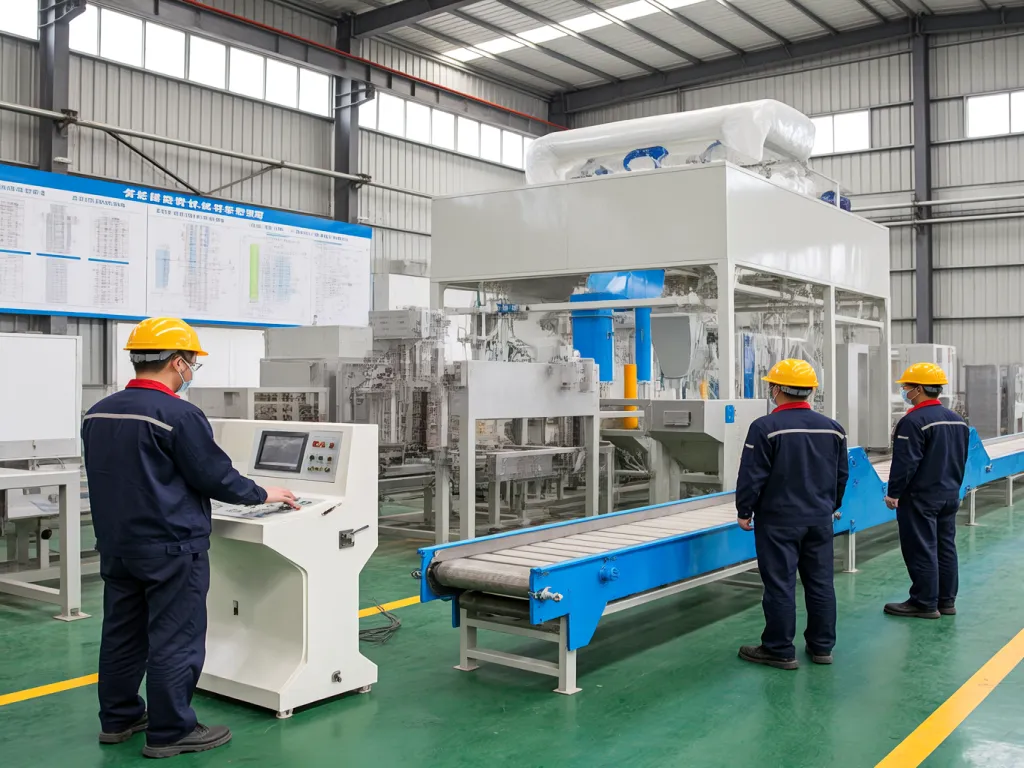
예방 조치 1: 자재 취급 프로세스를 최적화하여 필터 백의 물리적, 화학적 손상을 최소화합니다
When it comes to preventing filter bag damage in power plants, optimizing the material handling process is a game-changer. You see, the way materials are fed into the system and how their properties are managed can significantly impact the lifespan of your filter bags. Let’s dive into some practical strategies that can make a real difference. First off, adjusting the feeding method is crucial. Imagine pouring a bucket of sand directly onto a delicate fabric – not a pretty picture, right? The same goes for filter bags. Abrupt or uneven feeding can cause excessive wear and tear, leading to premature failure. Instead, consider implementing a controlled feeding system that gradually introduces materials into the filtration unit. This can be achieved through the use of screw conveyors, vibratory feeders, or even pneumatic systems, depending on the nature of the material. By ensuring a smooth and consistent flow, you’ll reduce the physical stress on the filter bags, allowing them to perform optimally for longer. Now, let’s talk about moisture control. Excessive moisture in the feed material can wreak havoc on filter bags, especially those made from certain synthetic fibers. When moisture levels are too high, it can lead to clogging, increased pressure drop, and even chemical reactions that degrade the filter material. So, how do you tackle this issue? One effective approach is to install moisture sensors at key points in the material handling process. These sensors can provide real-time data on moisture content, allowing you to take corrective action before the material reaches the filter bags. For instance, if the moisture level exceeds a certain threshold, you can divert the material to a drying unit or adjust the process parameters to reduce moisture generation. Another aspect to consider is the storage and handling of materials before they enter the filtration system. Improper storage can lead to material degradation, contamination, and moisture absorption, all of which can negatively impact filter bag performance. Make sure materials are stored in a dry, clean environment, away from direct sunlight and extreme temperatures. Additionally, use appropriate containers or silos that prevent moisture ingress and minimize the risk of contamination. But wait, there’s more! The physical properties of the material itself, such as particle size and shape, can also influence filter bag damage. Coarse or irregularly shaped particles can cause abrasion and puncture the filter fabric, while fine particles can clog the pores and increase pressure drop. To mitigate these issues, consider implementing a pre-screening or classification system that separates materials based on their particle size and shape. This way, you can ensure that only materials with suitable properties enter the filtration unit, reducing the risk of damage to the filter bags. Let’s not forget about the importance of regular maintenance and cleaning of the material handling equipment. Over time, equipment such as conveyors, feeders, and storage silos can accumulate dust, debris, and even corrosive substances that can contaminate the feed material and damage the filter bags. Establish a routine maintenance schedule that includes regular cleaning, inspection, and replacement of worn-out parts. This will not only extend the lifespan of your equipment but also ensure that the material handling process remains efficient and effective. In my experience, I’ve seen power plants that have implemented these optimization strategies experience a significant reduction in filter bag damage and replacement costs. By taking a proactive approach to material handling, you can not only protect your filter bags but also improve the overall efficiency and reliability of your filtration system. So, what are you waiting for? Start optimizing your material handling processes today and give your filter bags the protection they deserve!
부드러운 재료 흐름을 위한 공급 방법 조정
갑작스럽거나 고르지 않은 공급은 필터 백에 과도한 마모를 일으킬 수 있습니다. 부드럽고 일관된 흐름을 보장하기 위해 스크류 컨베이어,진동 공급기 또는 공압 시스템을 사용하여 제어된 공급 시스템을 구현합니다. 이는 필터 백에 가해지는 물리적 스트레스를 줄여 수명을 연장시킵니다.
수분 조절: 필터 백 보호의 핵심 요소입니다
공급 재료에 과도한 수분이 있으면 막힘,압력 강하 증가,필터 재료의 품질이 저하되는 화학 반응이 발생할 수 있습니다. 수분 센서를 설치하여 수분 함량을 실시간으로 모니터링하고 재료를 건조 장치로 전환하거나 공정 파라미터를 조정하는 등의 시정 조치를 취합니다.
재료의 적절한 보관 및 취급
부적절한 보관으로 인해 재료 열화,오염 및 수분 흡수가 발생하여 필터 백 성능에 부정적인 영향을 줄 수 있습니다. 직사광선과 극한의 온도에서 멀리 떨어진 건조하고 깨끗한 환경에서 재료를 보관하십시오. 적절한 용기 또는 사일로를 사용하여 습기 유입을 방지하고 오염 위험을 최소화하십시오.
최적의 재료 특성에 대한 사전 스크리닝 및 분류
조잡하거나 불규칙한 모양의 입자는 마모 및 천공 필터 직물을 유발할 수 있으며 미세 입자는 모공을 막고 압력 강하를 증가시킬 수 있습니다. 입자 크기 및 모양에 따라 재료를 분리하기 위해 사전 스크리닝 또는 분류 시스템을 구현하여 적합한 재료 만 여과 장치에 들어갈 수 있도록합니다.
자재 취급 장비의 정기적인 유지 관리
자재 취급 장비에 쌓인 먼지,파편, 부식성 물질은 사료 재료를 오염시키고 필터 백을 손상시킬 수 있습니다. 효율적이고 효과적인 자재 취급을 위해 정기적인 청소,검사, 마모된 부품 교체 등을 포함하는 일상적인 유지보수 일정을 수립하십시오.
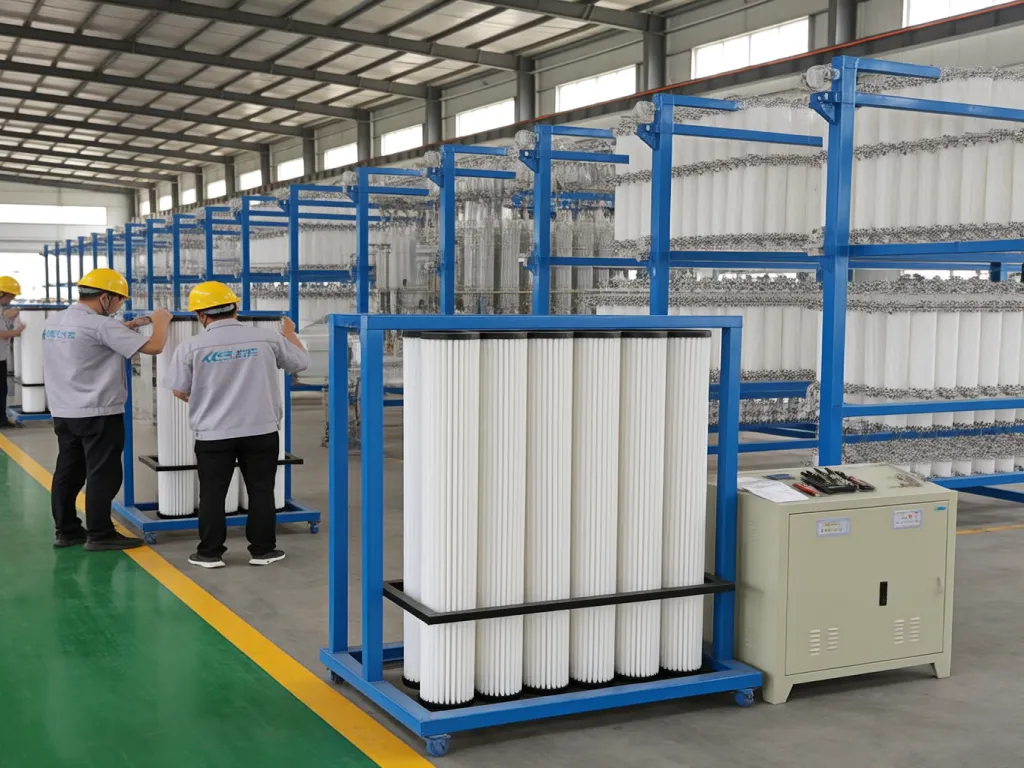
예방 조치 2: 최적의 필터 백 성능을 위한 작동 표준을 강화합니다
When it comes to safeguarding filter bags in power plants, enhancing operational standards is not just a recommendation—it’s a necessity. Proper installation, regular inspections, timely replacements, and avoiding overloading are key practices that ensure your filter bags operate at their peak efficiency. Let’s dive deeper into each of these critical aspects to understand how they contribute to minimizing filter bag damage and extending their lifespan.
First things first, proper installation is the cornerstone of filter bag longevity. Imagine trying to fit a square peg into a round hole—it just won’t work, right? Similarly, installing filter bags incorrectly can lead to immediate or gradual damage, compromising their filtration capabilities. So, what does proper installation entail? It starts with selecting the right filter bag for your specific application, considering factors like material compatibility, size, and shape. Once you’ve got the right bag, follow the manufacturer’s installation guidelines meticulously. This includes ensuring the bag is seated correctly in the cage, all seals are tight, and there are no wrinkles or folds that could impede airflow or cause abrasion. Remember, a well-installed filter bag is a happy filter bag!
Next up, regular inspections are your best defense against unexpected filter bag failures. Think of it like taking your car for a routine check-up—you wouldn’t wait until it breaks down on the highway to find out something’s wrong, would you? The same principle applies to filter bags. Schedule regular inspections to look for signs of wear, tear, or damage. This could include checking for holes, thinning areas, or any buildup of particulate matter that could clog the bag and reduce its efficiency. By catching these issues early, you can take corrective action before they escalate into costly repairs or replacements. Plus, regular inspections give you valuable insights into the overall health of your filtration system, allowing you to make informed decisions about maintenance and upgrades.
Timely replacements are equally crucial in maintaining optimal filter bag performance. No filter bag lasts forever, and trying to squeeze every last ounce of life out of it can be a costly mistake. As filter bags age, their filtration efficiency decreases, and the risk of failure increases. So, how do you know when it’s time to replace them? Keep an eye on your inspection reports and performance metrics. If you notice a significant drop in filtration efficiency, increased pressure drop across the system, or frequent breakdowns, it’s probably time for new filter bags. Don’t wait until it’s too late—proactive replacements can save you from downtime, lost production, and potential safety hazards.
Last but not least, avoiding overloading is essential to prevent filter bag damage. Just like you wouldn’t overload your washing machine with clothes, you shouldn’t overload your filter bags with particulate matter. Overloading can cause excessive pressure on the bags, leading to stretching, tearing, or even bursting. To avoid this, ensure your filtration system is properly sized for your application and that you’re not exceeding the recommended flow rates or particulate loading. If you’re dealing with high-volume or high-particulate applications, consider using multiple filter bags or a more robust filtration system to distribute the load evenly and reduce the risk of damage.
By implementing these operational standards—proper installation, regular inspections, timely replacements, and avoiding overloading—you can significantly reduce the risk of filter bag damage in power plants. Not only will this extend the lifespan of your filter bags, but it will also improve the overall efficiency and reliability of your filtration system. So, what are you waiting for? Start enhancing your operational standards today and give your filter bags the care and attention they deserve!
적절한 설치: 필터 백 수명의 기초
적절한 설치는 필터 백이 최적의 성능을 발휘하도록 하는 첫 번째 단계입니다. 응용 분야에 적합한 백을 선택하고 제조업체의 지침을 문자 그대로 따르는 것입니다. 여기에는 호환성 확인,올바른 크기 지정 보장,조기 손상으로 이어질 수 있는 설치 오류 방지 등이 포함됩니다. 잘 설치된 필터 백은 고장 가능성이 적어 장기적으로 시간과 비용을 절약할 수 있다는 점을 기억하십시오.
정기 검사: 문제가 확대되기 전에 문제를 포착합니다
정기 검사는 필터 백이 심각한 문제가 되기 전에 필터 백의 잠재적인 문제를 파악하는 데 가장 적합한 도구입니다. 정기적으로 마모,손상 또는 손상의 징후를 확인함으로써 조기에 시정 조치를 취하고 비용이 많이 드는 고장을 방지할 수 있습니다. 또한 검사를 통해 여과 시스템의 전반적인 상태에 대한 귀중한 통찰력을 얻을 수 있으므로 유지 관리 및 업그레이드에 대해 정보에 입각한 결정을 내릴 수 있습니다.
적시 교체: 최적의 성능을 위한 사전 유지 관리
필터 백을 교체해야 하는 시기를 아는 것은 최적의 성능을 유지하는 데 매우 중요합니다. 완전히 고장날 때까지 기다리지 마십시오—그때쯤이면 가동 중지 시간과 생산 손실을 피하기에는 너무 늦은 경우가 많습니다. 대신 검사 보고서와 성능 지표를 주시하고 마모 징후나 효율성 저하가 명백해지면 필터 백을 사전에 교체하여 여과 시스템이 최상의 상태로 계속 작동하도록 할 수 있습니다.
과부하 방지: 부하를 균등하게 분배합니다
필터 백에 미립자 물질을 과부하시키면 과도한 압력이 발생하여 손상이 발생할 수 있습니다. 이를 방지하려면 여과 시스템의 크기가 용도에 맞게 적절하게 조정되었는지,권장 유량이나 미립자 부하를 초과하지 않는지 확인하십시오. 대용량 또는 고미립자 용도를 다루는 경우 여러 개의 필터 백 또는 보다 견고한 여과 시스템을 사용하여 부하를 균등하게 분산시키고 손상 위험을 줄이는 것을 고려하십시오.
마스터링 발전소에서 필터백 손상을 방지하는 방법은 무엇입니까? 선택 사항이 아닙니까—게임 체인저입니다. 자재 취급 결함을 해결하고,운영 프로토콜을 개선하고,사전 점검을 채택함으로써 교체 비용을 절감하고 플랜트 효율성을 높일 수 있습니다. 생각해 보세요: 고장 감소,필터 수명 연장,운영 원활화 이 가이드를 팀과 공유하고,유지보수 체크리스트를 북마크에 추가하고,고급 여과 솔루션을 살펴보세요. 다음에 필터 시스템을 검사할 때 스스로에게 물어보세요: 투자를 보호하기 위해 충분한 노력을 기울이고 있습니까? 답은 여기에서 시작됩니다.