

Dust Collector Filter Bag Retrofit Checklist
This page is a practical reference for comparing replacement filter bags in existing dust collectors. It does not replace a review of the collector drawing, operating data and applicable project requirements.
1. Identify the Existing Collector
- Collector manufacturer and model
- Pulse-jet, reverse-air or shaker cleaning method
- Bag diameter, length, top and bottom construction
- Cage dimensions and tube-sheet opening
- Current media, finish and observed failure mode
2. Record the Process Conditions
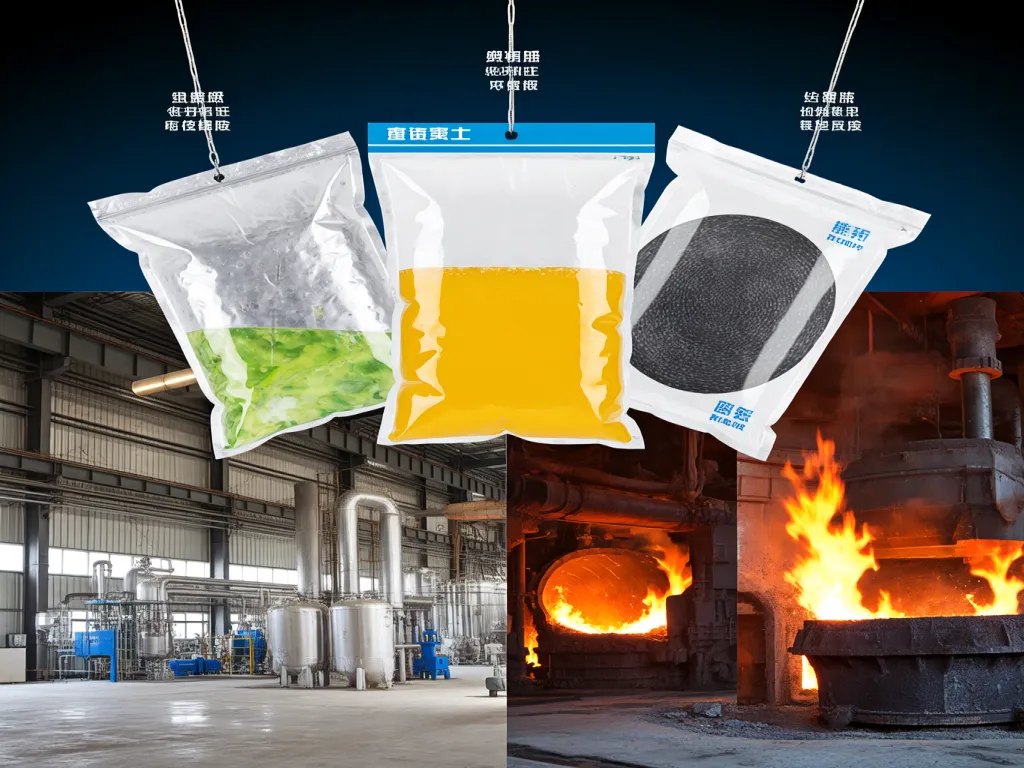
- Normal and peak gas temperature
- Gas chemistry, oxygen and moisture
- Dust particle size, abrasiveness, stickiness and combustibility
- Airflow, pressure drop and cleaning settings
- Required emissions and applicable project standard
3. Compare Media by Application Limits
Polyester, acrylic, aramid, PPS, fiberglass, P84 and PTFE each cover different combinations of temperature and chemical exposure. The specific media grade, scrim, finish and construction must be checked; a generic temperature number or material name is not enough.
4. Review Surface Treatment
Singeing, calendaring, water- and oil-repellent treatment, antistatic construction and PTFE membrane lamination may help selected applications. No treatment by itself guarantees emissions, cleaning performance, energy savings or service life.
5. Confirm Replacement Fit
Compare the drawing or sample before production. Check snap-band fit, seam, cage clearance, tube-sheet opening, venturi arrangement and installation space. If the existing collector is from another manufacturer, compatibility must be verified from dimensions rather than the model name alone.
Where to Continue
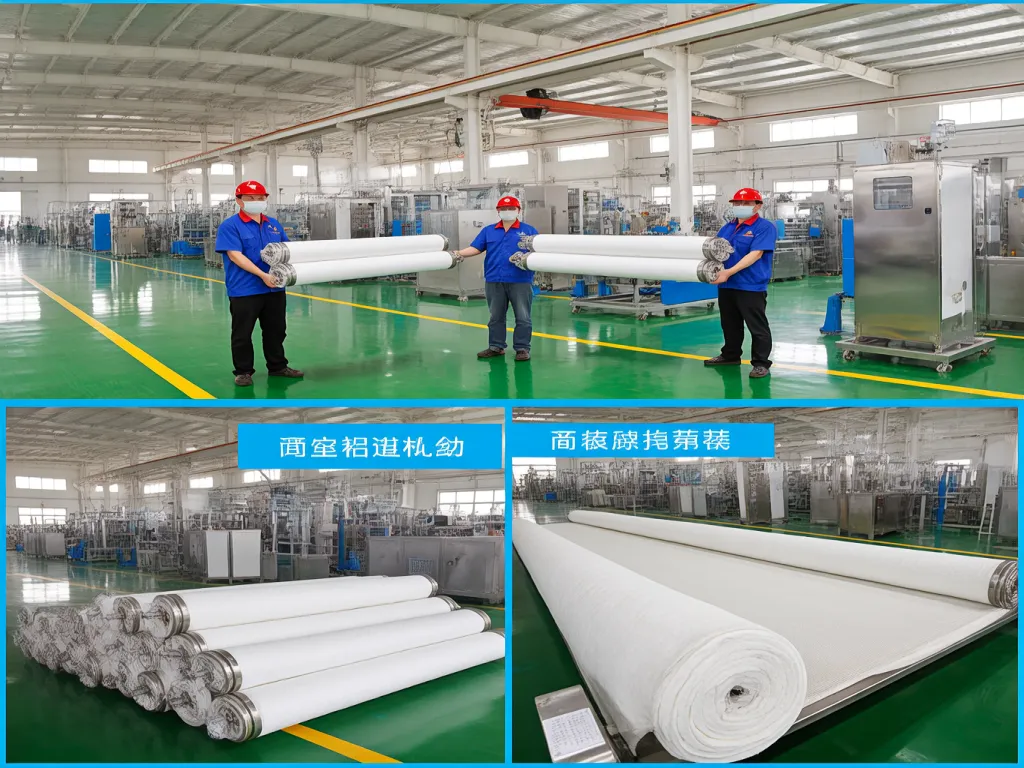
For U.S. project communication and current replacement inquiries, use the FiltEdge dust collector filter bag project page. For material, manufacturing and engineering information, review the SFFILTECH filter bag range. This FiltEdgeUS page remains a supporting retrofit checklist and historical reference.