
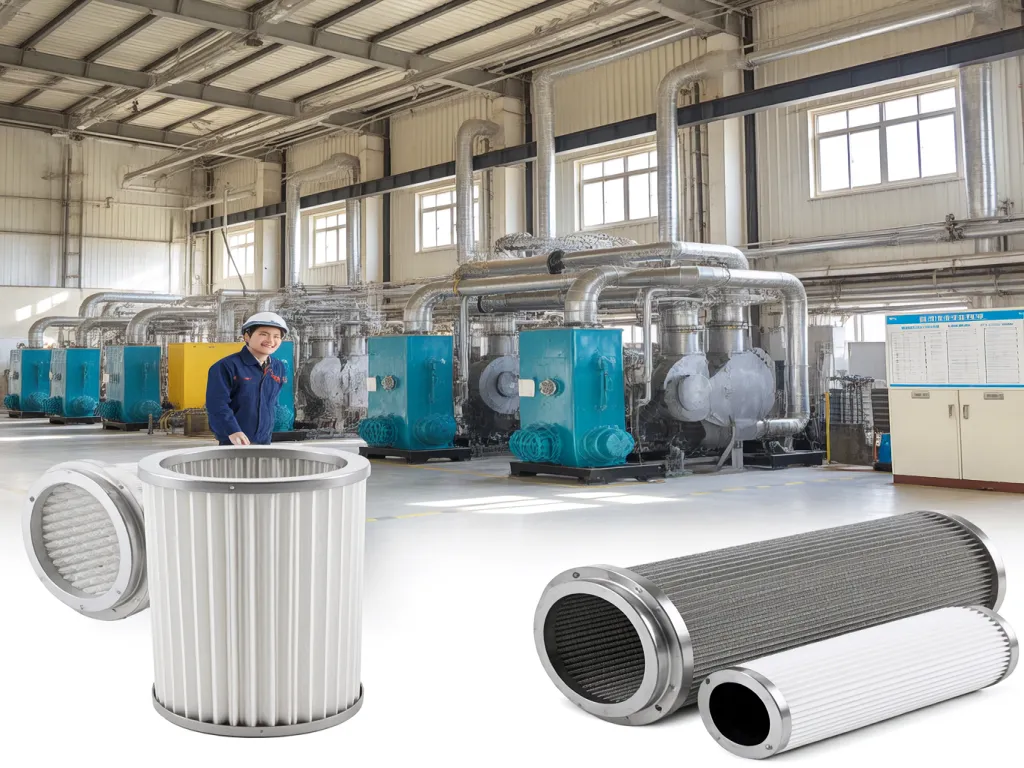
Pour les exploitants de centrales électriques, la vue d’un sac filtrant endommagé peut faire frissonner la colonne vertébrale, réduire les temps d’arrêt, les opérations inefficaces et les dépenses inattendues Mais que se passe-t-il si vous pouviez réduire ces risques ? comprendre comment prévenir les dommages causés par les sacs filtrants dans les centrales électriques ? ne consiste pas seulement à économiser de l’argent ; il s’agit d’assurer des flux de travail transparents et de maximiser la durée de vie des équipements Dans ce guide, nous déballerons les causes profondes des pannes des sacs filtrants et vous armerons de stratégies exploitables pour les garder intacts Prêt à transformer votre routine de maintenance ?
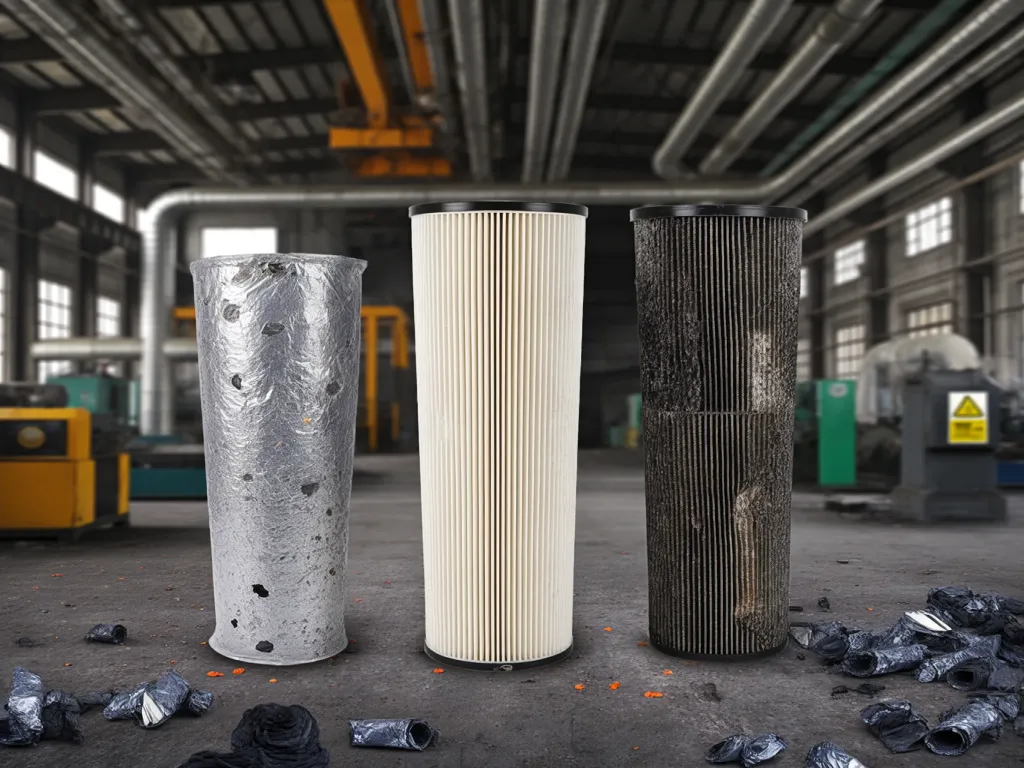
Causes courantes des dommages causés par les sacs filtrants : aperçus des propriétés des matériaux, des incidents opérationnels et des facteurs environnementaux
As someone deeply involved in the industrial filtration sector, I’ve seen firsthand how crucial filter bags are to the smooth operation of power plants. Yet, despite their importance, filter bags often face premature damage, leading to costly downtimes and replacements. So, what’s causing this wear and tear? Let’s dive into the common culprits, starting with material properties, moving on to operational mishaps, and finally, environmental factors. Understanding these root causes is the first step toward effective prevention.
Material Properties: The Silent Culprit
The characteristics of the materials being filtered play a significant role in the lifespan of filter bags. For instance, abrasive particles can act like sandpaper, gradually wearing down the fabric fibers. Imagine filtering coal dust or silica – these tiny, sharp particles can embed themselves into the filter bag, causing micro-tears that expand over time. But it’s not just about abrasion; chemical reactivity is another concern. Certain materials, when in contact with specific chemicals present in the gas stream, can react, leading to degradation of the filter bag material. For example, polyester filter bags might not fare well in environments with high concentrations of oxidizing agents, as these can cause the fabric to weaken and break down faster.
Moreover, the moisture content of the material being filtered can’t be overlooked. High humidity levels can lead to condensation inside the filter bag, creating a damp environment that fosters microbial growth. This not only clogs the pores, reducing filtration efficiency but also weakens the fabric structure over time. Have you ever noticed how a wet cloth becomes more fragile when dried? The same principle applies here, albeit on a microscopic level.
Operational Mishaps: Human Error and Beyond
Now, let’s talk about operational mishaps. These are often the result of human error or inadequate maintenance practices. One common mistake is improper installation. If a filter bag isn’t seated correctly in its housing, it can rub against the frame or other components, causing friction and, eventually, holes. It’s like wearing shoes that don’t fit – they’ll cause blisters and discomfort, and similarly, a poorly installed filter bag will suffer. Choosing the right industrial filter bag, such as those detailed ici, can also mitigate installation issues.
Another operational issue is neglecting regular inspections and replacements. Filter bags, like any other component, have a finite lifespan. Continuously running them beyond their recommended usage period can lead to catastrophic failures. It’s akin to driving a car without ever changing the oil – eventually, the engine will seize up. Regular checks can identify early signs of wear, allowing for timely replacements before a minor issue escalates into a major problem.
Overloading the system is yet another operational pitfall. Pushing the filter system beyond its designed capacity can lead to excessive pressure differentials, causing the filter bags to stretch and potentially rupture. It’s like trying to fit too much luggage into an already full suitcase – something’s got to give, and in this case, it’s the integrity of the filter bag.
Environmental Factors: The Unseen Forces
Lastly, environmental factors play a significant role in filter bag longevity. Temperature extremes, both high and low, can affect the material properties of the filter bags. High temperatures can cause thermal degradation, making the fabric brittle and prone to cracking. On the other hand, extremely cold environments can make the fabric stiff and less flexible, increasing the risk of tears during operation.
Corrosive gases in the environment are another environmental hazard. These gases can react with the filter bag material, leading to chemical degradation. For instance, in power plants burning certain types of coal, sulfur dioxide (SO2) emissions can be a concern. SO2 can react with moisture to form sulfuric acid, which is highly corrosive and can eat away at the filter bag fabric over time.
Lastly, let’s not forget about the impact of particulate size distribution. Fine particles can penetrate deeper into the filter bag, clogging the pores and reducing airflow. This not only decreases filtration efficiency but also increases the pressure drop across the filter, putting additional strain on the bag and accelerating wear.
Propriétés du matériau en détail
En ce qui concerne les propriétés des matériaux, il ne s’agit pas seulement du type de particules mais aussi de leur taille, forme et concentration Les particules plus petites et plus tranchantes ont tendance à causer plus de dommages que les plus grosses et plus rondes De même, des concentrations élevées de particules peuvent submerger le sac filtrant, entraînant un colmatage plus rapide et une usure accrue Il est essentiel de comprendre les caractéristiques spécifiques des matériaux filtrés et de choisir les sacs filtrants en conséquence.
Meilleures pratiques opérationnelles
Pour atténuer les incidents opérationnels, il est crucial d’établir et de suivre les meilleures pratiques Cela comprend des techniques d’installation appropriées, des inspections régulières et des remplacements en temps opportun La formation du personnel sur la manipulation et l’entretien corrects des sacs filtrants peut grandement contribuer à prévenir les dommages De plus, la mise en oeuvre d’un calendrier d’entretien préventif peut aider à identifier et à résoudre les problèmes potentiels avant qu’ils ne dégénèrent.
Stratégies de contrôle environnemental
Le contrôle des facteurs environnementaux nécessite une approche multiforme Les systèmes de contrôle de la température peuvent aider à maintenir des conditions de fonctionnement optimales, empêchant ainsi la dégradation thermique. L’installation d’épurateurs ou d’autres dispositifs de contrôle des émissions peut réduire la concentration de gaz corrosifs dans l’environnement. Enfin, le préfiltrage ou le dimensionnement des particules avant qu’elles n’atteignent les sacs filtrants peut minimiser l’impact des particules fines sur la durée de vie des sacs filtrants.
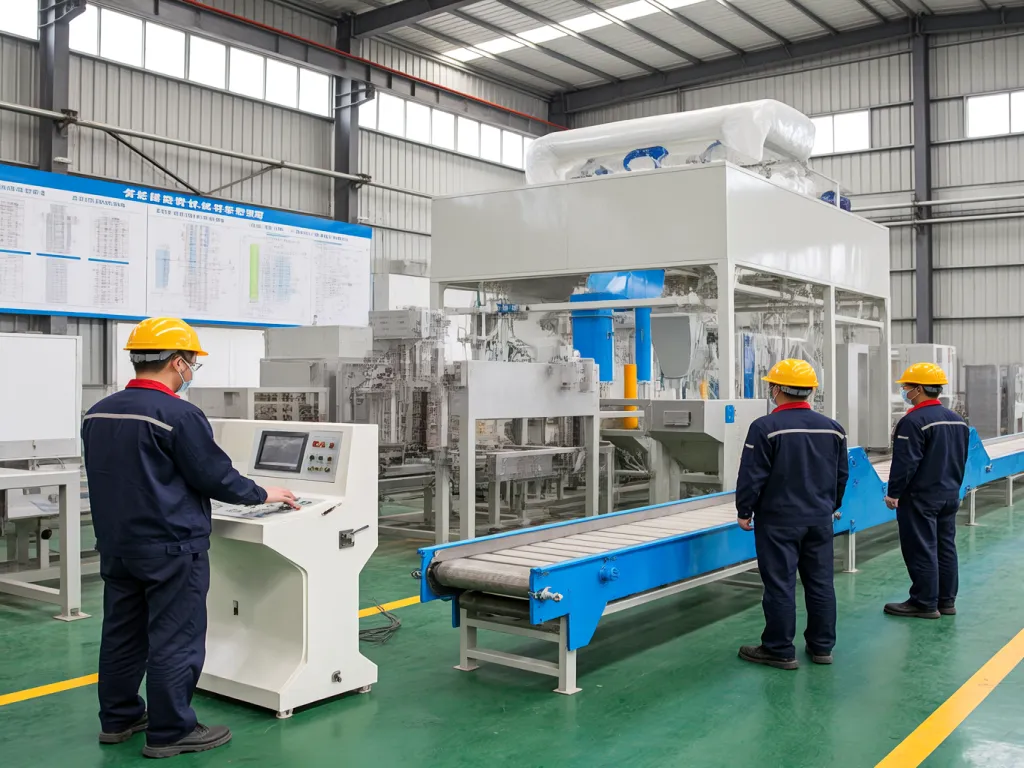
Mesure préventive 1 : Optimiser les processus de manipulation des matériaux pour minimiser les dommages physiques et chimiques aux sacs filtrants
When it comes to preventing filter bag damage in power plants, optimizing the material handling process is a game-changer. You see, the way materials are fed into the system and how their properties are managed can significantly impact the lifespan of your filter bags. Let’s dive into some practical strategies that can make a real difference. First off, adjusting the feeding method is crucial. Imagine pouring a bucket of sand directly onto a delicate fabric – not a pretty picture, right? The same goes for filter bags. Abrupt or uneven feeding can cause excessive wear and tear, leading to premature failure. Instead, consider implementing a controlled feeding system that gradually introduces materials into the filtration unit. This can be achieved through the use of screw conveyors, vibratory feeders, or even pneumatic systems, depending on the nature of the material. By ensuring a smooth and consistent flow, you’ll reduce the physical stress on the filter bags, allowing them to perform optimally for longer. Now, let’s talk about moisture control. Excessive moisture in the feed material can wreak havoc on filter bags, especially those made from certain synthetic fibers. When moisture levels are too high, it can lead to clogging, increased pressure drop, and even chemical reactions that degrade the filter material. So, how do you tackle this issue? One effective approach is to install moisture sensors at key points in the material handling process. These sensors can provide real-time data on moisture content, allowing you to take corrective action before the material reaches the filter bags. For instance, if the moisture level exceeds a certain threshold, you can divert the material to a drying unit or adjust the process parameters to reduce moisture generation. Another aspect to consider is the storage and handling of materials before they enter the filtration system. Improper storage can lead to material degradation, contamination, and moisture absorption, all of which can negatively impact filter bag performance. Make sure materials are stored in a dry, clean environment, away from direct sunlight and extreme temperatures. Additionally, use appropriate containers or silos that prevent moisture ingress and minimize the risk of contamination. But wait, there’s more! The physical properties of the material itself, such as particle size and shape, can also influence filter bag damage. Coarse or irregularly shaped particles can cause abrasion and puncture the filter fabric, while fine particles can clog the pores and increase pressure drop. To mitigate these issues, consider implementing a pre-screening or classification system that separates materials based on their particle size and shape. This way, you can ensure that only materials with suitable properties enter the filtration unit, reducing the risk of damage to the filter bags. Let’s not forget about the importance of regular maintenance and cleaning of the material handling equipment. Over time, equipment such as conveyors, feeders, and storage silos can accumulate dust, debris, and even corrosive substances that can contaminate the feed material and damage the filter bags. Establish a routine maintenance schedule that includes regular cleaning, inspection, and replacement of worn-out parts. This will not only extend the lifespan of your equipment but also ensure that the material handling process remains efficient and effective. In my experience, I’ve seen power plants that have implemented these optimization strategies experience a significant reduction in filter bag damage and replacement costs. By taking a proactive approach to material handling, you can not only protect your filter bags but also improve the overall efficiency and reliability of your filtration system. So, what are you waiting for? Start optimizing your material handling processes today and give your filter bags the protection they deserve!
Ajustement des méthodes d’alimentation pour un flux de matières fluide
Une alimentation brutale ou inégale peut provoquer une usure excessive des sacs filtrants Mettre en place un système d’alimentation contrôlé utilisant des convoyeurs à vis, des alimentateurs vibrants ou des systèmes pneumatiques pour assurer un écoulement fluide et constant Cela réduit les contraintes physiques sur les sacs filtrants, prolongeant ainsi leur durée de vie.
Contrôle de l’humidité : un facteur clé dans la protection des sacs filtrants
Une humidité excessive dans la matière première peut entraîner un colmatage, une chute de pression accrue et des réactions chimiques qui dégradent le matériau filtrant Installez des capteurs d’humidité pour surveiller la teneur en humidité en temps réel et prendre des mesures correctives, telles que le détournement du matériau vers une unité de séchage ou le réglage des paramètres du processus.
Stockage et manipulation appropriés des matériaux
Un stockage inapproprié peut provoquer une dégradation des matériaux, une contamination et une absorption d’humidité, ce qui a un impact négatif sur les performances du sac filtrant. Stockez les matériaux dans un environnement sec et propre, à l’abri de la lumière directe du soleil et des températures extrêmes. Utilisez des conteneurs ou des silos appropriés pour empêcher la pénétration d’humidité et minimiser le risque de contamination.
Pré-criblage et classification pour les propriétés optimales des matériaux
Les particules grossières ou de forme irrégulière peuvent provoquer l’abrasion et percer le tissu filtrant, tandis que les particules fines peuvent obstruer les pores et augmenter la chute de pression Mettre en œuvre un système de présélection ou de classification pour séparer les matériaux en fonction de la taille et de la forme des particules, garantissant ainsi que seuls les matériaux appropriés entrent dans l’unité de filtration.
Entretien régulier des équipements de manutention
La poussière, les débris et les substances corrosives accumulés dans les équipements de manutention peuvent contaminer les matières premières et endommager les sacs filtrants Établir un calendrier d’entretien de routine qui comprend un nettoyage, une inspection et un remplacement réguliers des pièces usées pour garantir une manipulation efficace et efficiente des matériaux.
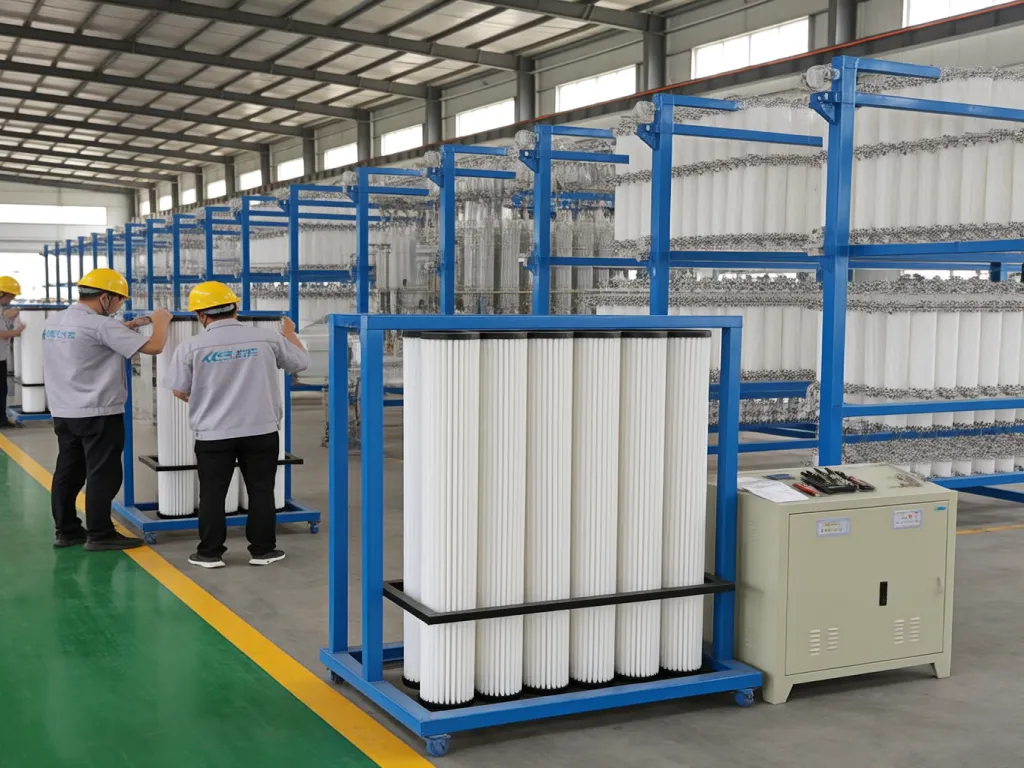
Mesure préventive 2 : améliorez les normes opérationnelles pour des performances optimales des sacs filtrants
When it comes to safeguarding filter bags in power plants, enhancing operational standards is not just a recommendation—it’s a necessity. Proper installation, regular inspections, timely replacements, and avoiding overloading are key practices that ensure your filter bags operate at their peak efficiency. Let’s dive deeper into each of these critical aspects to understand how they contribute to minimizing filter bag damage and extending their lifespan.
First things first, proper installation is the cornerstone of filter bag longevity. Imagine trying to fit a square peg into a round hole—it just won’t work, right? Similarly, installing filter bags incorrectly can lead to immediate or gradual damage, compromising their filtration capabilities. So, what does proper installation entail? It starts with selecting the right filter bag for your specific application, considering factors like material compatibility, size, and shape. Once you’ve got the right bag, follow the manufacturer’s installation guidelines meticulously. This includes ensuring the bag is seated correctly in the cage, all seals are tight, and there are no wrinkles or folds that could impede airflow or cause abrasion. Remember, a well-installed filter bag is a happy filter bag!
Next up, regular inspections are your best defense against unexpected filter bag failures. Think of it like taking your car for a routine check-up—you wouldn’t wait until it breaks down on the highway to find out something’s wrong, would you? The same principle applies to filter bags. Schedule regular inspections to look for signs of wear, tear, or damage. This could include checking for holes, thinning areas, or any buildup of particulate matter that could clog the bag and reduce its efficiency. By catching these issues early, you can take corrective action before they escalate into costly repairs or replacements. Plus, regular inspections give you valuable insights into the overall health of your filtration system, allowing you to make informed decisions about maintenance and upgrades.
Timely replacements are equally crucial in maintaining optimal filter bag performance. No filter bag lasts forever, and trying to squeeze every last ounce of life out of it can be a costly mistake. As filter bags age, their filtration efficiency decreases, and the risk of failure increases. So, how do you know when it’s time to replace them? Keep an eye on your inspection reports and performance metrics. If you notice a significant drop in filtration efficiency, increased pressure drop across the system, or frequent breakdowns, it’s probably time for new filter bags. Don’t wait until it’s too late—proactive replacements can save you from downtime, lost production, and potential safety hazards.
Last but not least, avoiding overloading is essential to prevent filter bag damage. Just like you wouldn’t overload your washing machine with clothes, you shouldn’t overload your filter bags with particulate matter. Overloading can cause excessive pressure on the bags, leading to stretching, tearing, or even bursting. To avoid this, ensure your filtration system is properly sized for your application and that you’re not exceeding the recommended flow rates or particulate loading. If you’re dealing with high-volume or high-particulate applications, consider using multiple filter bags or a more robust filtration system to distribute the load evenly and reduce the risk of damage.
By implementing these operational standards—proper installation, regular inspections, timely replacements, and avoiding overloading—you can significantly reduce the risk of filter bag damage in power plants. Not only will this extend the lifespan of your filter bags, but it will also improve the overall efficiency and reliability of your filtration system. So, what are you waiting for? Start enhancing your operational standards today and give your filter bags the care and attention they deserve!
Installation appropriée : la base de la longévité du sac filtrant
Une installation adéquate est la première étape pour assurer que vos sacs filtrants fonctionnent de manière optimale Il s’agit de sélectionner le bon sac pour votre application et de suivre les directives du fabricant à la lettre Cela inclut la vérification de la compatibilité, la garantie d’un dimensionnement correct, et d’éviter toute erreur d’installation qui pourrait entraîner des dommages prématurés N’oubliez pas qu’un sac filtrant bien installé est moins susceptible de tomber en panne, ce qui vous permet d’économiser du temps et de l’argent à long terme.
Inspections régulières : problèmes de capture avant leur escalade
Les inspections régulières sont votre meilleur outil pour identifier les problèmes potentiels avec vos sacs filtrants avant qu’ils ne deviennent des problèmes sérieux En vérifiant les signes d’usure, ou des dommages sur une base régulière, vous pouvez prendre des mesures correctives tôt et prévenir les pannes coûteuses De plus, les inspections vous donnent des informations précieuses sur la santé globale de votre système de filtration, vous permettant de prendre des décisions éclairées sur la maintenance et les mises à niveau.
Remplacements en temps opportun : maintenance proactive pour des performances optimales
Savoir quand remplacer vos sacs filtrants est crucial pour maintenir une performance optimale N’attendez pas qu’ils échouent complètement alors, il est souvent trop tard pour éviter les temps d’arrêt et la perte de production Gardez plutôt un œil sur vos rapports d’inspection et vos mesures de performance, et remplacez vos sacs filtrants de manière proactive lorsque des signes d’usure ou une diminution de l’efficacité deviennent apparents Cela garantira que votre système de filtration continue de fonctionner au mieux.
Éviter la surcharge : répartir la charge uniformément
Surcharger vos sacs filtrants avec des particules peut provoquer une pression excessive et entraîner des dommages Pour éviter cela, assurez-vous que votre système de filtration est correctement dimensionné pour votre application et que vous ne dépassez pas les débits recommandés ou la charge de particules Si vous avez affaire à des applications à volume élevé ou à particules élevées, envisagez d’utiliser plusieurs sacs filtrants ou un système de filtration plus robuste pour répartir la charge uniformément et réduire le risque de dommages.
Maîtriser Comment prévenir les dommages causés par les sacs filtrants dans les centrales électriques ? n’est-ce pas facultatif, cela change la donne En s’attaquant aux défauts de manutention des matériaux, en affinant les protocoles opérationnels et en adoptant des contrôles proactifs, vous réduirez les coûts de remplacement et augmenterez l’efficacité des centrales Pensez-y : moins de pannes, une durée de vie plus longue des filtres et des opérations plus fluides Partagez ce guide avec votre équipe, marquez notre liste de contrôle de maintenance et explorez nos solutions de filtration avancées. La prochaine fois que vous inspecterez votre système de filtrage, demandez-vous : faites-vous assez pour protéger votre investissement ? La réponse commence ici.