
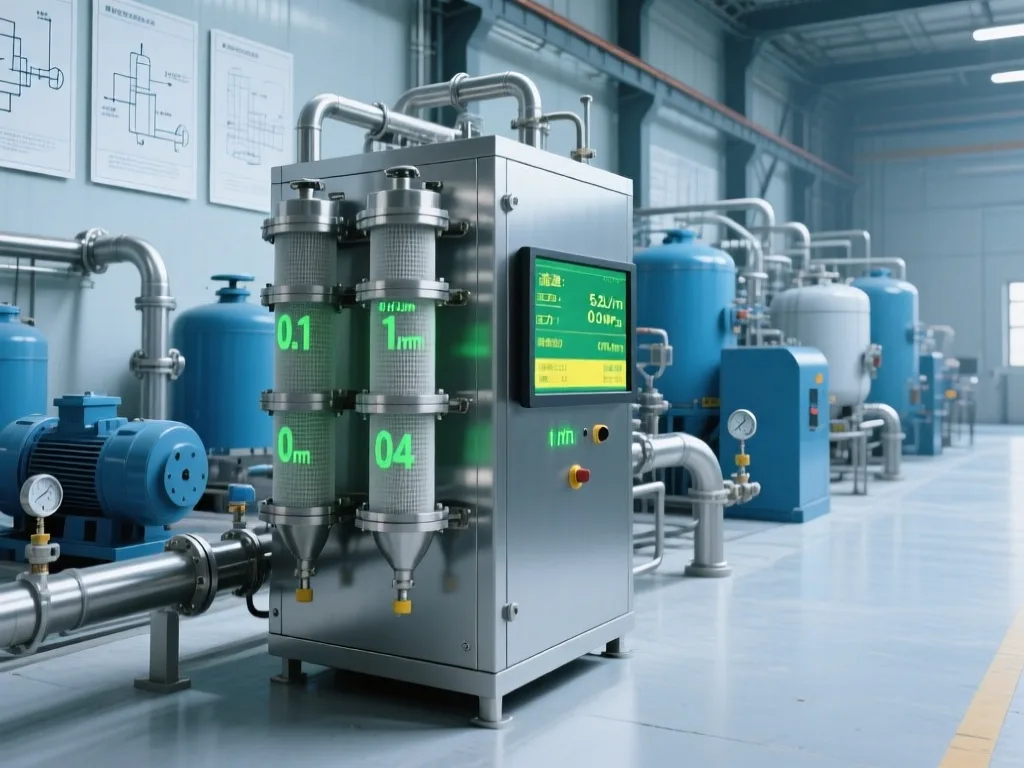
In the world of industrial processes, achieving the right balance between filtration accuracy and operational efficiency is crucial. Whether you’re managing chemical production, food processing, or pharmaceutical manufacturing, the quality of your industrial liquid filtration directly impacts product purity and system longevity. But how do you determine the ideal filtration accuracy for your specific needs? This guide explores the critical factors influencing equipment selection, helping you optimize your filtration processes for peak performance.
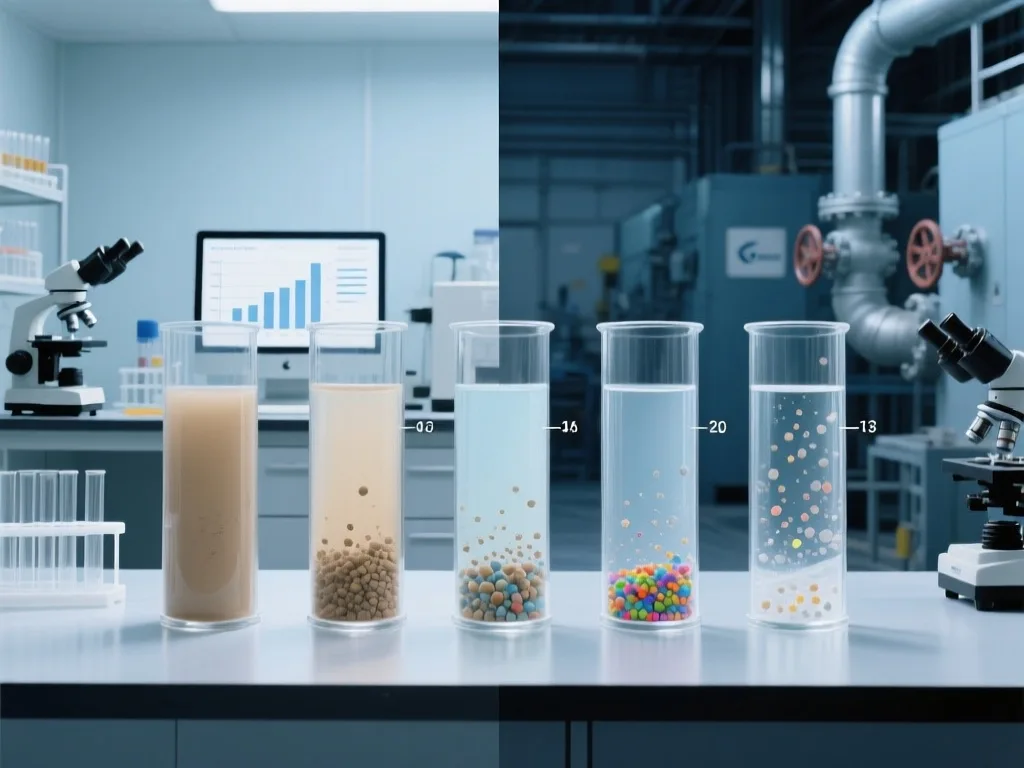
Understanding Different Levels of Filtration Accuracy and Their Industrial Applications
When it comes to industrial liquid filtration, the level of filtration accuracy is a critical factor that determines the effectiveness and efficiency of the filtration process. But what exactly do we mean by filtration accuracy? Simply put, it refers to the size of the particles that a filtration system can effectively remove from a liquid. This metric is typically measured in microns (µm), with smaller numbers indicating higher precision and the ability to capture finer particles. Understanding the different levels of filtration accuracy and their corresponding applications across various industries is essential for selecting the right filtration equipment and optimizing your processes. Let’s dive into the specifics of each filtration accuracy level and explore how they are applied in real-world industrial settings.
Coarse Filtration (50-1000 µm)
Coarse filtration is the first line of defense in many industrial applications, targeting larger particles that can cause immediate damage or contamination. This level of filtration typically involves removing particles in the range of 50 to 1000 microns. Industries that commonly rely on coarse filtration include wastewater treatment, where large debris and solids must be removed before further processing, and the food and beverage industry, where coarse filters help protect downstream equipment from clogging or damage. For example, in a brewery, coarse filtration might be used to remove spent grains and hops from the wort before it moves on to fermentation. Similarly, in mining operations, coarse filters can help separate valuable minerals from larger rock fragments and debris. The key advantage of coarse filtration is its ability to handle high flow rates while removing significant contaminants, making it a cost-effective solution for initial purification steps. For more insights into filtration systems and their effectiveness, refer to this research study.
Medium Filtration (10-50 µm)
Medium filtration steps up the game by targeting smaller particles in the 10 to 50 micron range. This level of precision is crucial in industries where even minor contaminants can impact product quality or process efficiency. One common application is in the automotive industry, where medium filtration is used to remove metal shavings, dust, and other debris from coolant fluids used in machining operations. By maintaining clean coolant, manufacturers can extend tool life, reduce downtime, and improve the surface finish of machined parts. Another example is in the pharmaceutical industry, where medium filtration helps ensure that active ingredients are not contaminated by larger particles during the manufacturing process. Medium filters are also widely used in HVAC systems to improve indoor air quality by capturing dust, pollen, and other airborne particles before they circulate through buildings. The balance between filtration efficiency and flow rate makes medium filtration a versatile choice for many intermediate purification needs.
Fine Filtration (1-10 µm)
Fine filtration takes precision to the next level by capturing particles as small as 1 to 10 microns. This level of accuracy is essential in industries where product purity is paramount, such as electronics manufacturing and semiconductor production. In these settings, even microscopic contaminants can cause defects in delicate circuits or compromise the performance of high-tech components. Fine filtration is also critical in the medical field, where sterile conditions are non-negotiable. For instance, in dialysis machines, fine filters remove toxins and waste products from a patient’s blood while ensuring that no harmful particles are introduced. Similarly, in intravenous (IV) fluid production, fine filtration guarantees that the solutions administered to patients are free from impurities that could lead to infections or other complications. The challenge with fine filtration is maintaining adequate flow rates while achieving such high levels of precision, which often requires specialized filter media and design considerations. For further reading on filtration media effectiveness, see this figure.
Ultra-Fine Filtration (0.1-1 µm)
Ultra-fine filtration represents the pinnacle of precision, targeting particles in the 0.1 to 1 micron range. This level of accuracy is reserved for the most demanding applications where even the slightest contamination is unacceptable. One prominent example is in the production of ultrapure water for laboratories, pharmaceuticals, and electronics manufacturing. Ultrapure water must meet stringent purity standards, with conductivity levels below 0.1 µS/cm and total organic carbon (TOC) content below 5 ppb. Ultra-fine filtration plays a crucial role in achieving these standards by removing bacteria, viruses, and other microscopic impurities. Another application is in the aerospace industry, where ultra-fine filters are used to purify hydraulic fluids and lubricants, ensuring that critical components operate smoothly under extreme conditions. The trade-off with ultra-fine filtration is the reduced flow rate and increased pressure drop across the filter, which can necessitate more frequent maintenance or the use of high-performance pump systems. However, for applications where purity is non-negotiable, the benefits far outweigh these challenges. For more information on filtration systems in aerospace applications, check out this report.
Sterile Filtration (<0.1 µm)
Sterile filtration is the ultimate level of filtration accuracy, designed to remove all viable microorganisms, including bacteria and viruses, from a liquid. This is achieved using filters with pore sizes smaller than 0.1 microns, often referred to as membrane filters. Sterile filtration is indispensable in industries where sterility is a legal and ethical requirement, such as pharmaceuticals, biotechnology, and food and beverage production. In pharmaceutical manufacturing, sterile filtration ensures that injectable drugs, ophthalmic solutions, and other sterile products are free from microbial contamination, protecting patients from infections. Similarly, in the food and beverage industry, sterile filtration is used to produce shelf-stable products like juices, sauces, and dairy alternatives by removing spoilage organisms and pathogens. The key to successful sterile filtration lies in selecting the right filter material and ensuring proper validation and testing to confirm sterility. While sterile filtration can be more expensive and complex than other levels, it is the only option for applications where human health and safety are at stake.
Key Factors in Selecting Industrial Liquid Filtration Equipment for Accuracy
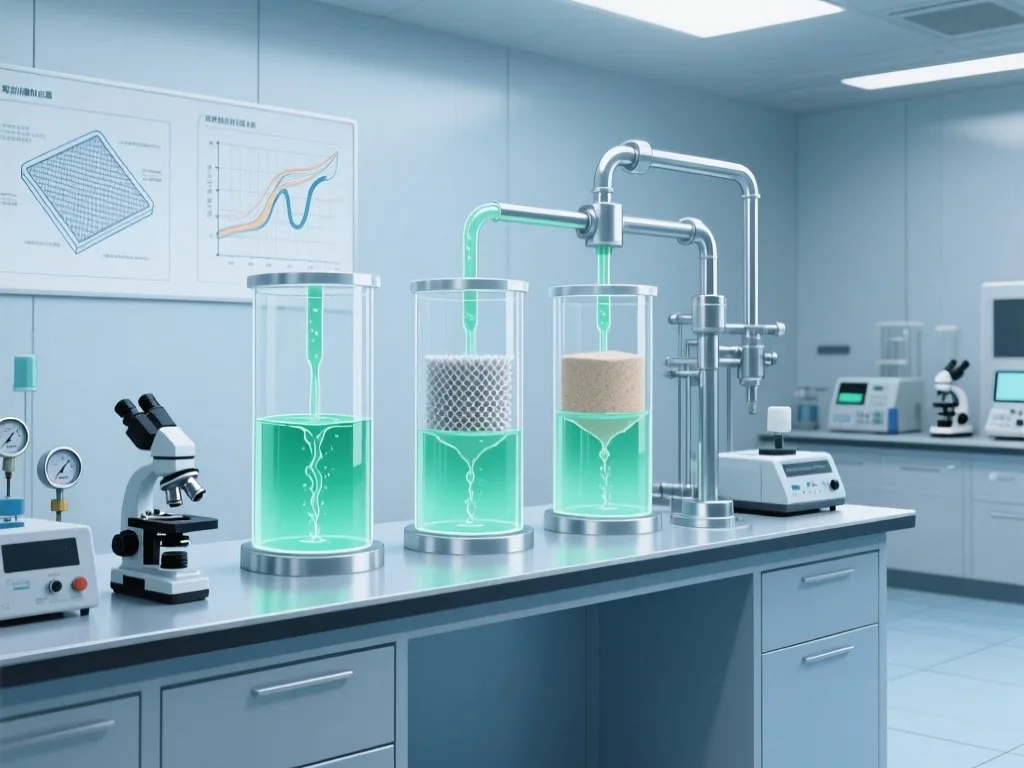
When it comes to industrial liquid filtration, achieving the right level of accuracy isn’t just a nice-to-have—it’s essential for maintaining product quality, protecting equipment, and meeting regulatory standards. But how do you choose the right filtration equipment when accuracy requirements vary so widely across industries? Let’s dive into the critical factors you need to consider, focusing on filter media, design, and maintenance, to ensure your system delivers the precision you need without compromising efficiency or cost-effectiveness.
Filter Media: The Foundation of Filtration Accuracy
The filter media is where the magic happens—it’s the material that actually captures contaminants and determines how fine a filtration you can achieve. But not all media are created equal. For high-precision applications, like pharmaceuticals or semiconductor manufacturing, you’ll need media with extremely small pore sizes, such as ceramic membranes or ultra-fine fiber mats. These materials can trap particles as small as 0.1 microns, ensuring your liquid meets stringent purity standards. For further insights into filtration technology and its applications, refer to this overview of industrial filtration technology. On the other hand, if you’re dealing with less critical applications, like wastewater treatment or cooling systems, coarser media like sand or polyester may suffice. The key is to match the media’s pore size and material properties to your specific accuracy requirements. For example, stainless steel mesh filters offer excellent durability and chemical resistance, making them ideal for harsh industrial environments, while polypropylene filters are cost-effective and resistant to a wide range of chemicals, though they may not handle extreme temperatures as well. Don’t forget to consider the media’s flow rate—finer media will slow down the liquid, potentially requiring larger equipment or more pressure to maintain throughput. It’s all about finding the right balance between accuracy and efficiency.
Design: How Equipment Architecture Impacts Accuracy
The design of your filtration equipment plays a huge role in how accurately it can remove contaminants. One of the most important design considerations is the surface area of the filter media. More surface area means more contact points for particles, which improves accuracy and extends the life of the filter. That’s why many high-precision systems use pleated or stacked filter elements—they maximize surface area without taking up too much space. Another critical design factor is the flow path of the liquid. In some systems, liquid flows straight through the media (called ‘dead-end filtration’), which is simple but can lead to clogging and uneven particle capture. More advanced designs, like tangential flow filtration (TFF) or cross-flow filtration, use a sideways flow pattern to continuously sweep contaminants away from the media surface, reducing clogging and improving accuracy over time. These designs are especially useful for high-viscosity liquids or applications where the contaminant load is high. For a deeper understanding of filtration system design and practice, see this article on filtration systems in design and practice. Additionally, the housing and sealing mechanisms of the equipment matter. Leaks or bypass paths can allow unfiltered liquid to sneak through, compromising accuracy. Look for systems with robust seals, gaskets, and clamps that can withstand the pressures and temperatures of your application. Finally, consider whether the equipment allows for easy inspection and replacement of filter media—this is crucial for maintaining accuracy over the long term.
Maintenance: Keeping Accuracy High Over Time
Even the best filtration equipment will lose accuracy if it’s not properly maintained. Over time, filter media becomes clogged with particles, reducing its ability to capture new contaminants. This not only lowers accuracy but also increases pressure drop across the system, which can strain pumps and other components. To prevent this, you need a proactive maintenance plan that includes regular inspection, cleaning, and replacement of filter media. For some applications, like food and beverage processing, cleaning-in-place (CIP) systems can automate this process, ensuring consistent accuracy without manual intervention. But not all media can be cleaned effectively—some, like certain ceramic or fiber filters, are designed for single use and must be replaced regularly. Another maintenance consideration is monitoring the system for signs of wear or damage. Cracks in the housing, worn seals, or corroded components can all create bypass paths that allow unfiltered liquid to pass through, undermining your accuracy efforts. Schedule regular inspections and replace any worn parts before they cause problems. For more information on the environmental impact of filtration systems, refer to this research on environmental impact. Finally, don’t overlook the importance of training your staff. Even the most advanced equipment won’t deliver accurate results if operators don’t understand how to use it properly. Make sure your team knows how to monitor pressure drops, replace filter media, and troubleshoot common issues. By investing in maintenance and training, you can ensure your filtration system continues to meet your accuracy requirements day in and day out.
Case Studies: Successful Filtration Accuracy Optimization in Industrial Settings
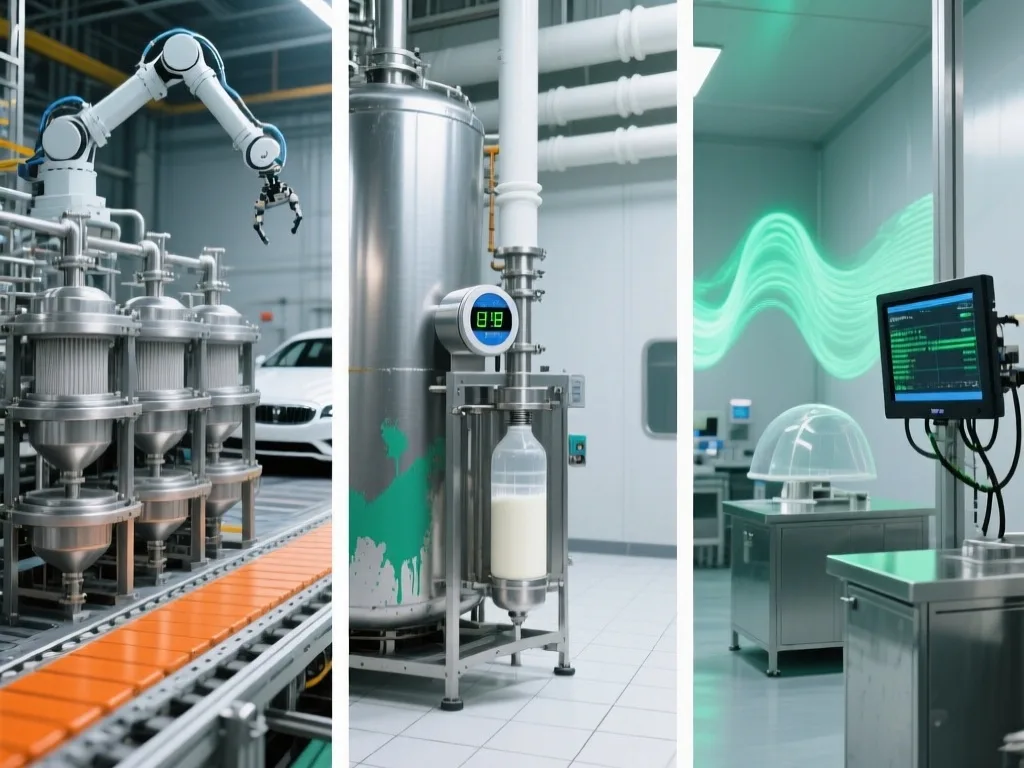
Ever wondered how leading industries manage to maintain such high standards in liquid filtration? It’s not just about choosing the right equipment—it’s about optimizing that equipment for peak performance. Let’s dive into some real-world examples where companies have fine-tuned their filtration systems to achieve remarkable accuracy improvements. These stories aren’t just inspiring; they’re packed with actionable insights you can apply to your own operations. For further reading on filtration case studies, explore this comprehensive collection.
Automotive Industry: Paint Defect Reduction
A major car manufacturer faced paint defects due to impurities in coating solutions. Their existing system caught large particles but missed smaller contaminants, leading to costly rework. The solution was a multi-stage filtration system using advanced membrane filters with micron-level precision. By selecting filter media with pore sizes tailored to specific contaminants, they reduced paint defects by 85% and saved millions annually. For more insights on filtration success in automotive applications, see this case study.
Food and Beverage: Bacterial Contamination Control
A dairy processor struggled with bacterial contamination despite using standard bag filters. These filters couldn’t consistently capture all pathogens, especially during peak production. They implemented a high-precision depth filtration system with real-time particle counters, enabling continuous monitoring and parameter adjustments. This led to a 99.999% reduction in bacterial counts, meeting strict safety standards without sacrificing throughput. For a deeper understanding of filtration in food safety, refer to this scientific article.
Pharmaceutical: Particle-Free Injectables
A biotech firm producing injectable drugs needed to eliminate even tiny particles that could harm patients. Their old system used expensive disposable cartridges and generated waste. They switched to a reusable stainless-steel filter housing with sintered metal elements rated at 0.2 microns. This improved filtration accuracy by 40% and cut operational costs by 60% over three years due to reduced material usage and easier cleaning validation. To learn more about the science of filtration, visit this Britannica entry.
Choosing the right industrial liquid filtration equipment hinges on understanding your specific accuracy requirements and how they align with operational demands. By evaluating filtration accuracy standards, media types, and maintenance protocols, you can select systems that deliver consistent results while minimizing downtime. Have you assessed your current filtration setup’s accuracy lately? Explore our precision filtration equipment selection guide to identify potential improvements and ensure your processes meet evolving industry standards.