

Selecting the ideal industrial bag filter can be a game-changer for your operations, ensuring cleaner outputs and longer equipment lifespans. But with so many options available, how do you know which one truly fits your needs? In this guide, we’ll dive deep into the core factors that influence your choice of industrial bag filters, from filtration efficiency to material durability. By the end, you’ll have a clear roadmap to make an informed decision that boosts your operational efficiency. Are you ready to unlock the secrets to selecting the perfect industrial bag filter?
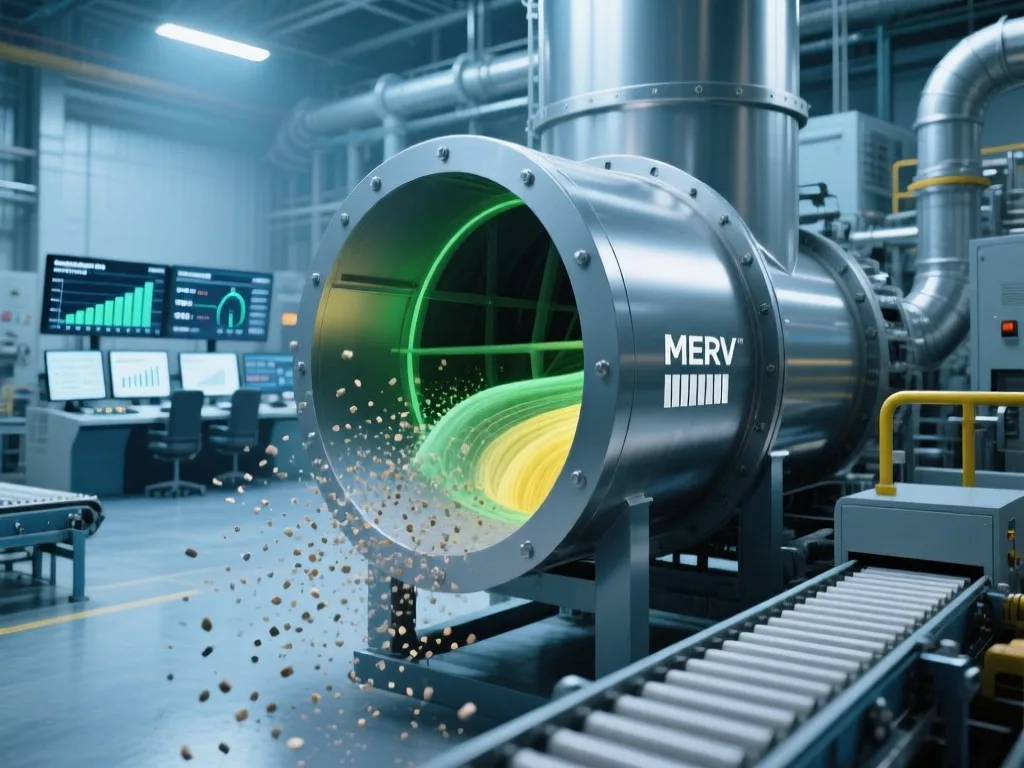
Filtration Efficiency: The Core of Industrial Bag Filter Performance
When it comes to selecting the right industrial bag filter, filtration efficiency stands out as the most critical factor. But what exactly is filtration efficiency, and why does it matter so much? Simply put, filtration efficiency refers to the filter’s ability to capture and retain particles of a specific size from the air or liquid passing through it. This metric directly impacts the overall performance of the filter and the quality of the output. A high-efficiency industrial bag filter ensures that fewer contaminants escape into the environment or downstream processes, which is essential for maintaining product quality, protecting equipment, and complying with regulatory standards. Imagine a manufacturing plant where dust particles are not effectively filtered out. These particles could settle on machinery, leading to increased wear and tear, or even contaminate the final product, resulting in costly recalls or customer dissatisfaction. On the other hand, a filter with superior filtration efficiency can significantly reduce these risks, ensuring smoother operations and higher-quality outputs. But how does filtration efficiency translate into real-world benefits? Let’s break it down. First, it enhances the lifespan of the filter itself. When a filter captures more particles, it prevents them from clogging other parts of the system, reducing the frequency of maintenance and replacements. Second, it improves energy efficiency. Clogged filters force systems to work harder, consuming more power and driving up operational costs. A high-efficiency filter keeps the system running smoothly, saving energy and money in the long run. Third, it ensures compliance with environmental regulations. Many industries face strict emissions standards, and a filter with poor efficiency could lead to fines or legal issues. By investing in a high-efficiency industrial bag filter, businesses can avoid these pitfalls and focus on growth. For more insights on industrial filtration systems, you can explore this detailed resource on bag filters.
Industries Where High Filtration Efficiency is Non-Negotiable
Certain industries rely heavily on high filtration efficiency to maintain safety, quality, and compliance. Let’s explore a few examples where this factor is absolutely crucial. The pharmaceutical industry is one such sector. Here, even the tiniest particle of dust or contaminant can compromise the purity of drugs, leading to severe health risks for patients. Pharmaceutical manufacturers use industrial bag filters with efficiency ratings of 99.97% or higher to ensure that their products meet stringent quality standards. These filters capture particles as small as 0.3 microns, leaving no room for error. Another industry where filtration efficiency is paramount is food processing. Whether it’s baking, brewing, or dairy production, clean air and liquid are essential for preventing contamination and ensuring product safety. A high-efficiency filter removes mold spores, bacteria, and other pathogens from the air, protecting both the product and the consumers. For instance, in a bakery, dust particles from flour can settle on finished goods, affecting their appearance and shelf life. An industrial bag filter with superior efficiency can eliminate this issue, ensuring consistent quality. The chemical processing industry also demands top-notch filtration efficiency. Chemical plants often deal with corrosive or toxic substances, and any leakage could pose serious safety hazards. High-efficiency filters prevent these substances from escaping into the environment, protecting workers and nearby communities. Additionally, they help maintain the integrity of the production process by preventing contaminants from interfering with chemical reactions. In the automotive industry, filtration efficiency plays a role in both manufacturing and emission control. During vehicle assembly, dust and debris can damage sensitive components like electronics or paint finishes. High-efficiency filters keep the assembly line clean, reducing defects and rework. On the emissions side, industrial bag filters are used in exhaust systems to capture particulate matter, ensuring compliance with environmental regulations and reducing the plant’s carbon footprint.
The Science Behind Filtration Efficiency
So, how is filtration efficiency measured, and what factors influence it? The most common metric used is the MERV (Minimum Efficiency Reporting Value) rating, which ranges from 1 to 20. A higher MERV rating indicates better filtration efficiency, with filters rated 17–20 often referred to as HEPA (High-Efficiency Particulate Air) filters. However, MERV ratings alone don’t tell the whole story. The design of the filter, including its media, pleat density, and frame construction, also plays a significant role. For example, a filter with a higher pleat density provides more surface area for particle capture, improving efficiency. Similarly, the choice of filter media—whether it’s synthetic, fiberglass, or nanofiber—affects how well the filter traps particles of different sizes. Nanofiber media, for instance, is known for its high efficiency in capturing sub-micron particles, making it ideal for applications where even the smallest contaminants must be removed. Another factor to consider is the filter’s resistance to airflow. While a highly efficient filter may capture more particles, it could also restrict airflow, reducing the system’s overall performance. This is why it’s essential to strike a balance between efficiency and airflow resistance when selecting an industrial bag filter. Manufacturers often provide pressure drop data to help users make informed decisions. For a deeper understanding of filtration science, refer to this scientific article on filtration mechanisms.
Real-World Impact of Filtration Efficiency
The real-world impact of filtration efficiency cannot be overstated. Let’s look at a case study from the electronics manufacturing industry. A semiconductor plant was struggling with high defect rates in its products, traced back to dust contamination on the production line. Despite using industrial bag filters, the plant was still experiencing issues. After conducting an audit, engineers discovered that the existing filters had a MERV rating of 8, which was insufficient for capturing the sub-micron particles prevalent in semiconductor manufacturing. The plant switched to HEPA filters with a MERV rating of 17, and the results were immediate. Defect rates dropped by 40%, and the plant saved millions of dollars in rework and scrap costs. This example highlights how investing in high-efficiency filters can yield significant returns, even if the upfront cost is higher. In another case, a power plant was facing regulatory fines for excessive particulate emissions. The plant’s existing bag filters were not capturing enough of the fine dust generated during coal combustion. By upgrading to filters with higher efficiency and better media, the plant reduced its emissions by 60%, avoiding fines and improving its environmental reputation. These cases demonstrate that filtration efficiency is not just a technical specification—it’s a business imperative. Whether you’re in pharmaceuticals, food processing, chemical manufacturing, or any other industry, choosing the right industrial bag filter can make or break your operations. For additional real-world examples, you can review this case study on overcoming retrofit challenges in the semiconductor industry.

Material Durability in Industrial Bag Filters: A Comprehensive Analysis
When selecting an industrial bag filter, material durability is not just a feature—it’s a cornerstone of long-term operational success. Why? Because the materials used in these filters directly determine their ability to withstand various operating conditions and chemical exposures over time. Imagine investing in a filter that fails prematurely due to material degradation. Not only does this disrupt your production flow, but it also leads to unexpected maintenance costs and potential safety hazards. So, how do different materials stack up in terms of durability, lifespan, and cost-effectiveness? Let’s dive deep into the world of industrial bag filter materials and uncover the critical factors that influence your choice.
Common Materials Used in Industrial Bag Filters
The most prevalent materials for industrial bag filters include polyester, polypropylene, nylon, and PTFE (Teflon). Each of these materials has unique properties that make them suitable for specific applications. Polyester, for instance, is known for its excellent resistance to abrasion and chemical degradation, making it a popular choice in industries where the filter is exposed to harsh chemicals or abrasive particles. Polypropylene, on the other hand, offers superior resistance to acids and alkalis, making it ideal for chemical processing applications. Nylon excels in high-temperature environments, while PTFE is renowned for its non-stick properties and resistance to virtually all chemicals.
Operating Conditions and Their Impact on Material Durability
The operating conditions under which an industrial bag filter operates play a pivotal role in determining its lifespan. Factors such as temperature, humidity, pressure, and the presence of corrosive substances can significantly affect the durability of the filter material. For example, polyester filters can withstand temperatures up to 130°C, making them suitable for moderate-temperature applications. However, in high-temperature environments exceeding 150°C, nylon or PTFE filters would be more appropriate due to their superior heat resistance. Similarly, in highly corrosive environments, PTFE filters outperform other materials due to their exceptional chemical inertness. For more insights on how filtration strategies can reduce costs, visit Reduced Costs Through Filtration Strategy.
Chemical Resistance: A Key Consideration
Chemical resistance is another critical factor when evaluating the durability of industrial bag filter materials. Different materials react differently to various chemicals, and choosing the wrong material can lead to premature filter failure. For instance, polypropylene filters are highly resistant to acids and alkalis, making them suitable for chemical processing industries. However, they may not perform as well when exposed to strong oxidizing agents. In contrast, PTFE filters are virtually impervious to all chemicals, making them the go-to choice for applications involving highly aggressive substances. Understanding the chemical composition of your process stream is essential in selecting a filter material that can withstand the specific chemicals present. For detailed technical specifications on filter materials, refer to Serfilco Technical Manual.
Lifespan Comparison: Which Material Lasts the Longest?
When it comes to lifespan, PTFE filters generally outlast other materials due to their exceptional chemical and thermal stability. However, they also come with a higher initial cost. Polyester filters, while not as durable as PTFE, offer a good balance between cost and performance, making them a popular choice for many applications. Polypropylene filters have a moderate lifespan and are cost-effective for applications involving mild chemicals. Nylon filters, with their high-temperature resistance, are ideal for specific high-temperature applications but may not be as cost-effective in the long run compared to PTFE or polyester. Ultimately, the choice of material depends on your specific operating conditions, chemical exposure, and budget constraints.
Cost-Effectiveness Over Time: A Holistic View
While initial cost is an important consideration, it’s equally crucial to evaluate the cost-effectiveness of an industrial bag filter over its entire lifespan. A cheaper filter may seem attractive upfront, but if it fails prematurely due to material degradation, the total cost of ownership—including replacement costs, downtime, and potential safety risks—can far exceed that of a more durable, albeit initially more expensive, filter. For example, investing in a PTFE filter for a highly corrosive application may have a higher upfront cost, but its extended lifespan and reduced maintenance requirements can result in significant long-term savings. Similarly, choosing a polyester filter for moderate-temperature applications can offer a good balance between cost and performance, ensuring optimal cost-effectiveness over time.
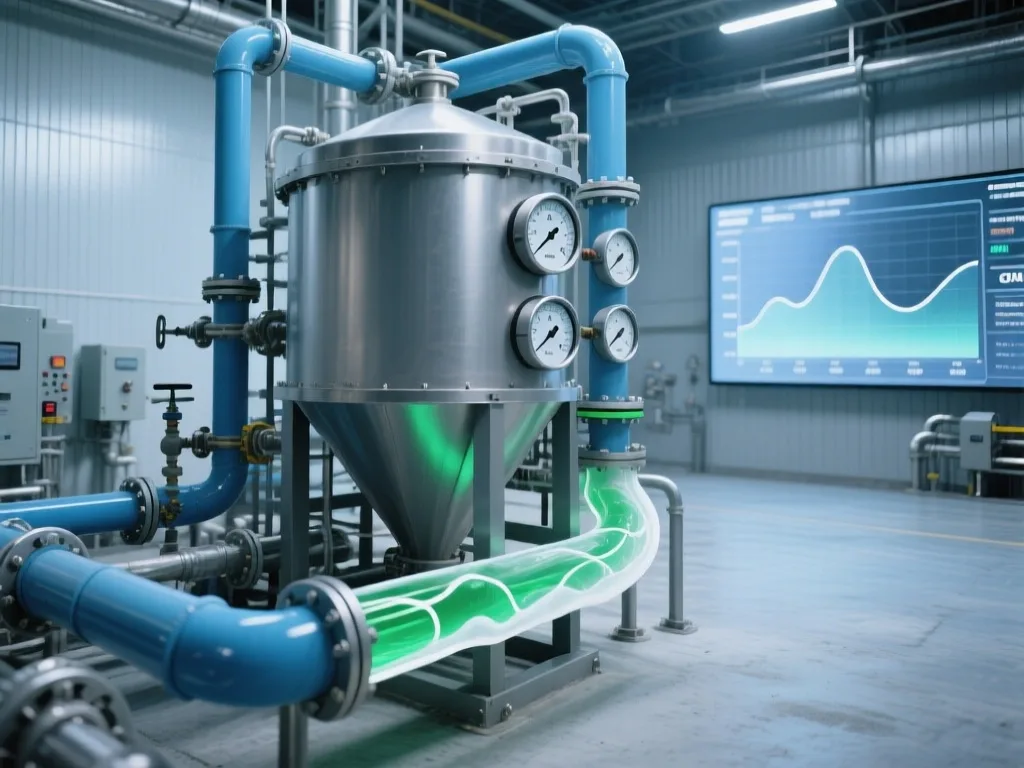
Industrial Bag Filter Flow Rate Capacity: A Critical Factor for Performance
When it comes to selecting the right industrial bag filter, understanding and evaluating flow rate capacity is absolutely essential. But what exactly is flow rate capacity, and why does it matter so much for your operations? Let’s break it down in a way that makes sense for you. Flow rate capacity refers to the volume of air or liquid that a filter can process within a specific time frame, usually measured in cubic feet per minute (CFM) for air or gallons per minute (GPM) for liquids. This metric is crucial because it directly impacts the filter’s ability to handle the demands of your industrial process. If the flow rate capacity is too low, your filter won’t be able to keep up with the volume of material passing through, leading to clogs, reduced efficiency, and potential downtime. On the other hand, if the flow rate capacity is too high, you might end up overspending on a filter that’s more powerful than you need, driving up costs unnecessarily. So, how do you determine the right flow rate capacity for your industrial bag filter? The first step is to assess your specific operational requirements. What’s the maximum volume of air or liquid that your process generates? Are there any fluctuations in flow rate throughout the day or week? These are critical questions to answer before making a decision. For more detailed data on flow rate calculations, you can refer to industry-specific resources such as this flow rate analysis sheet.
Calculating Your Required Flow Rate
To calculate the necessary flow rate for your industrial bag filter, you’ll need to consider several factors. Start by measuring the peak flow rate of your process, which is the highest volume of air or liquid that your system generates under normal operating conditions. Next, factor in any potential surges or spikes in flow rate that might occur during peak production periods or when equipment starts up. It’s also important to account for any future growth or expansion plans that might increase your flow rate requirements down the line. Once you have a clear understanding of your peak flow rate and any potential fluctuations, you can use this information to select a filter with a flow rate capacity that comfortably exceeds your maximum needs. A good rule of thumb is to choose a filter with a flow rate capacity that’s at least 10-20% higher than your peak requirements. This provides a buffer to accommodate any unexpected surges or changes in your process, ensuring that your filter can handle the load without compromising performance.
Selecting the Right Filter Based on Flow Rate Capacity
Now that you know how to calculate your required flow rate, how do you go about selecting the right industrial bag filter? Start by reviewing the specifications provided by filter manufacturers. Look for filters that list their flow rate capacity in CFM or GPM, depending on whether you’re filtering air or liquid. Compare these ratings to your calculated requirements to narrow down your options. But don’t stop there. Flow rate capacity is just one piece of the puzzle. You’ll also want to consider other factors like filtration efficiency, material durability, and maintenance requirements. For example, a filter with a high flow rate capacity might seem like a great choice at first glance, but if it’s made from low-quality materials that wear out quickly, you could end up facing frequent replacements and higher long-term costs. Similarly, a filter with excellent flow rate capacity but poor filtration efficiency might not be suitable for applications where clean air or liquid is critical. In these cases, you might need to prioritize filtration efficiency over flow rate capacity to ensure that your process meets the necessary quality standards. Ultimately, the key is to find a balance between flow rate capacity and other critical factors. Look for filters that offer a combination of high flow rate capacity, excellent filtration efficiency, and durable materials. This will help you achieve optimal performance and reliability while minimizing costs and downtime.
Real-World Examples of Flow Rate Capacity in Action
To better understand the importance of flow rate capacity, let’s look at a few real-world examples. In the food processing industry, for instance, industrial bag filters are often used to remove contaminants from air streams before they enter production areas. If the flow rate capacity of these filters is too low, they won’t be able to keep up with the volume of air being generated, leading to potential contamination issues and health risks for workers. On the other hand, in the chemical processing industry, industrial bag filters are used to separate solids from liquids in various processes. Here, the flow rate capacity must be carefully matched to the volume of liquid being processed to prevent clogs and ensure efficient operation. If the flow rate capacity is too high, the filter might not be able to effectively capture solids, leading to product quality issues. These examples highlight the critical role that flow rate capacity plays in ensuring that industrial bag filters can handle the specific demands of different applications. By taking the time to calculate your required flow rate and select a filter that meets these demands, you can avoid common pitfalls and achieve optimal performance in your operations.
Choosing the right industrial bag filter involves weighing multiple factors, including filtration efficiency, material durability, and flow rate capacity. By carefully assessing these elements, you can ensure that your filtration system meets your specific needs and delivers consistent performance. If you’re still unsure about which industrial bag filter is best for your operations, don’t hesitate to reach out to filtration experts for personalized advice. Remember, the right choice can make all the difference in optimizing your industrial processes. What other filtration challenges are you looking to solve?