
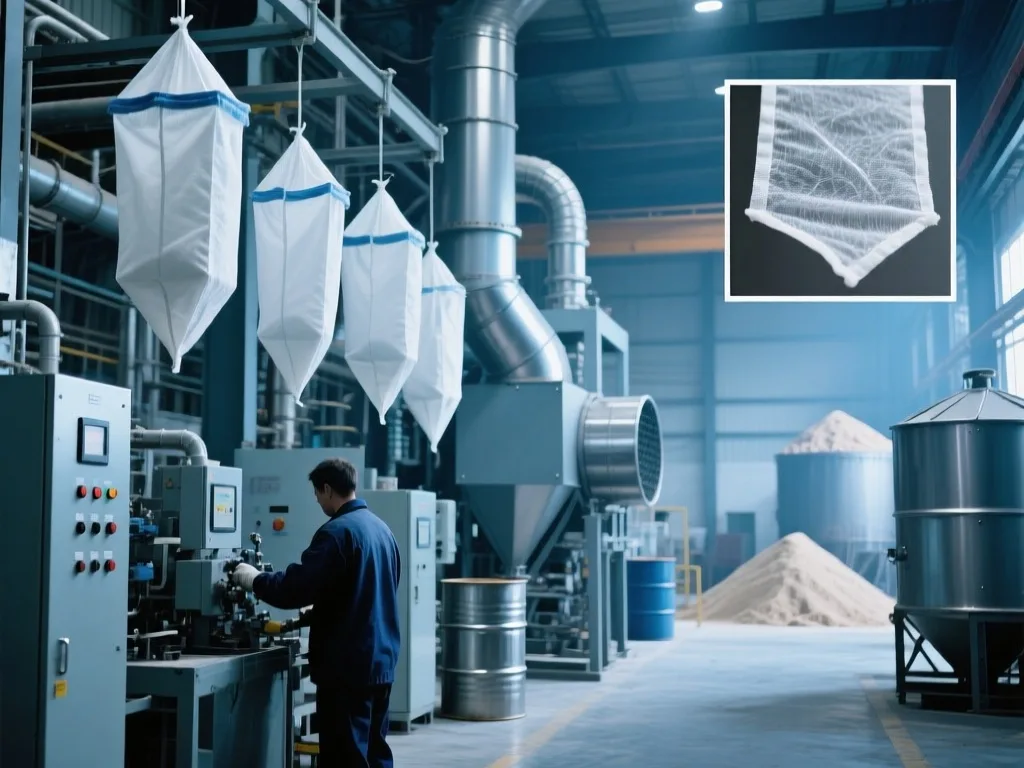
In the industrial world, selecting the right filtration solution is crucial for maintaining efficiency and safety. When it comes to handling fine powders or flammable materials, an anti static filter bag becomes indispensable. But how do you ensure you’re choosing the most suitable option for your specific needs? This guide breaks down the essential factors—from filtration efficiency to material compatibility and size specifications—to help you make an informed decision. Let’s dive into what makes an anti static filter bag the perfect fit for your industry.

Key Factors for Evaluating Filtration Efficiency in Anti Static Filter Bags
When it comes to selecting the right anti static filter bag for your industrial needs, evaluating filtration efficiency is not just a step—it’s the foundation of ensuring optimal performance and longevity. But what exactly does filtration efficiency entail, and how can you measure it effectively? Let’s dive into the three core factors that define filtration efficiency: particle size retention, airflow resistance, and dust holding capacity. Understanding these elements will empower you to make informed decisions and avoid costly mistakes down the line.
Particle Size Retention: The First Line of Defense
Imagine trying to catch sand with a fishing net—it’s not going to work well, right? The same principle applies to filtration. Particle size retention refers to a filter bag’s ability to capture particles of specific sizes. This is typically measured in microns (μm), where smaller numbers indicate finer filtration. For instance, if your industry deals with sub-micron particles—like in semiconductor manufacturing or pharmaceuticals—you’ll need a filter bag with exceptionally high particle size retention capabilities. On the other hand, industries like cement production or woodworking may prioritize durability over ultra-fine retention. But here’s the catch: higher retention often comes at the cost of increased airflow resistance. So, how do you strike the right balance? Start by analyzing your process emissions. What’s the average particle size? What’s the maximum allowable emission level? These questions will guide you toward the ideal retention rating for your anti static filter bag. For deeper insights into particle size retention mechanisms, consider exploring research on filtration technologies.
Airflow Resistance: The Invisible Drain on Efficiency
Ever felt like you’re pushing water uphill? That’s what happens when your filter bag has high airflow resistance. Airflow resistance, also known as pressure drop, measures how much the filter bag impedes the flow of air or gas through your system. It’s a critical factor because excessive resistance can lead to reduced system efficiency, higher energy consumption, and even equipment damage. Think of it this way: every inch of water gauge (in. w.g.) or Pascal (Pa) of resistance adds strain to your fan or blower. Over time, this translates to higher operational costs and shorter component lifespans. So, how do you minimize airflow resistance without sacrificing filtration performance? The answer lies in material selection and design. Anti static filter bags made from advanced synthetic fibers or nanofiber layers often offer lower resistance while maintaining high retention rates. Additionally, proper pleating and surface area optimization can significantly reduce pressure drop. Always request pressure drop data from manufacturers at specified airflow rates—this will help you compare options objectively. For further reading on airflow resistance optimization, refer to studies on nanofiber filtration media.
Dust Holding Capacity: The Unsung Hero of Longevity
Picture this: You’re using a vacuum cleaner with a tiny dust bag. It fills up quickly, forcing you to stop and empty it constantly. Now, apply that scenario to an industrial setting—frequent filter changes mean downtime, labor costs, and potential safety risks. That’s where dust holding capacity comes in. This metric measures how much particulate matter a filter bag can hold before reaching its maximum pressure drop or clogging point. A higher dust holding capacity means fewer changeouts, longer service intervals, and lower maintenance costs. But here’s the thing: dust holding capacity isn’t just about volume—it’s about how the dust is distributed within the bag. Some anti static filter bags use depth-loading media, where particles are captured throughout the thickness of the material, extending capacity. Others rely on surface loading, which can be effective for sticky or hygroscopic dusts but may require more frequent cleaning. To determine the right dust holding capacity for your needs, consider factors like dust concentration, particle shape (spherical vs. irregular), and humidity levels. For example, food processing industries dealing with sticky powders may need filter bags with specialized coatings to prevent blinding and maximize capacity.
Bringing It All Together: A Holistic Approach to Filtration Efficiency
Now that you understand the three pillars of filtration efficiency, how do you apply this knowledge? Start by conducting a thorough audit of your current system. Measure particle size distributions, monitor pressure drops across existing filters, and track dust loading rates. Then, use this data to define your requirements for each factor. For instance, if your process generates fine, abrasive dust, you might prioritize particle size retention and dust holding capacity over minimal airflow resistance. Conversely, if energy costs are your primary concern, optimizing for lower pressure drop could be the way to go. Remember, filtration efficiency isn’t about maximizing one factor at the expense of others—it’s about finding the sweet spot where all three work in harmony. And don’t forget to factor in anti static properties, especially if you’re dealing with combustible dusts or sensitive electronics. The right anti static filter bag will not only filter efficiently but also prevent static discharge risks, adding another layer of safety to your operation.
Material Compatibility Considerations for Anti Static Filter Bags
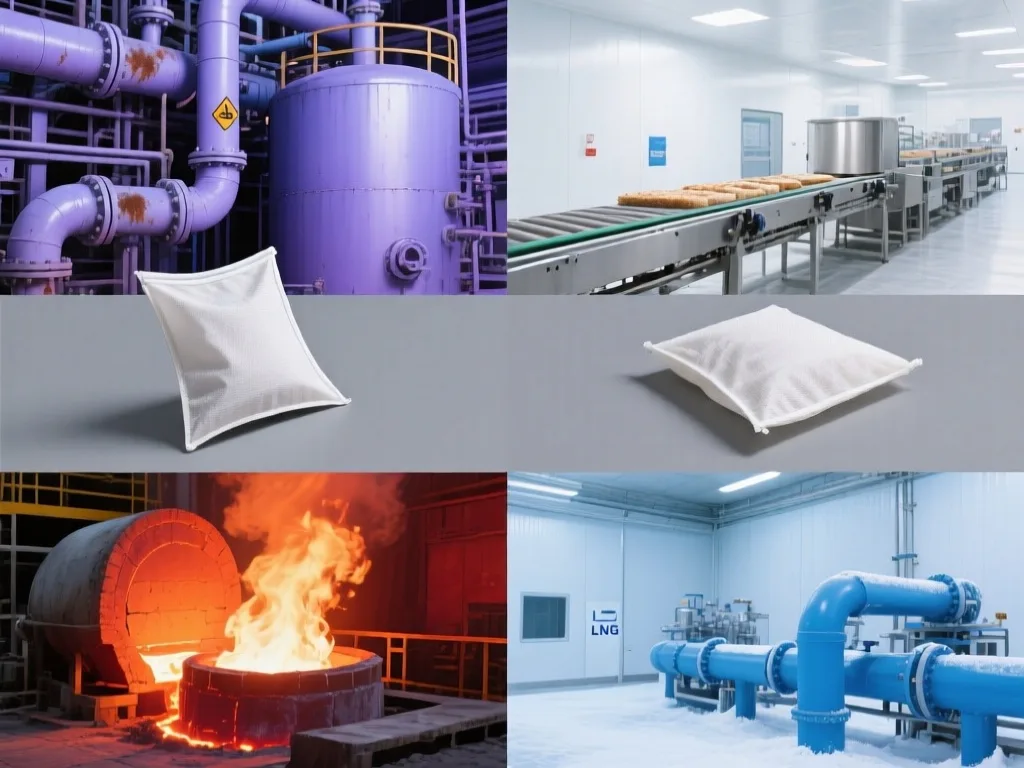
When selecting anti static filter bags, understanding material compatibility is crucial for ensuring reliable performance across diverse industrial environments. These bags must withstand chemical exposure, moisture, and temperature extremes without compromising filtration efficiency or structural integrity. Let’s explore how these factors influence material selection and real-world applications across industries. Chemical resistance is often the first consideration. In chemical processing plants, anti static filter bags encounter aggressive solvents, acids, and alkalis. For example, polyphenylene sulfide (PPS) bags excel in sulfuric acid environments, while polytetrafluoroethylene (PTFE) membranes resist nearly all chemicals, making them ideal for pharmaceutical manufacturing where contamination risks are high. For more insights on anti-static properties, refer to this guide on antistatic bags. Moisture resistance matters equally in humid or wet-processing industries. Food processing facilities, for instance, require bags that repel water vapor to prevent clogging and microbial growth. Polyester (PET) bags treated with hydrophobic coatings are commonly used here, as they maintain airflow even when exposed to steam or condensation. Temperature extremes add another layer of complexity. In cement plants, dust collection systems operate at temperatures exceeding 200°C, demanding materials like aramid fibers or fiberglass-reinforced PTFE. Conversely, cryogenic applications in liquefied natural gas (LNG) production require bags that remain flexible at -196°C, a niche where silicone-coated felts shine. Let’s dive deeper into how these material choices play out across specific sectors.
Chemical Industry Applications
The chemical industry pushes anti static filter bags to their limits with corrosive gases and reactive liquids. In petrochemical refineries, bags must handle hydrogen sulfide (H₂S) and chlorine compounds without degrading. Here, PTFE-laminated bags withstand chemical attacks while maintaining electrostatic discharge safety. For organic solvent recovery, polyimide (PI) bags offer thermal stability up to 260°C and excellent chemical inertness, ensuring longevity in volatile environments. A case study: A fertilizer plant switched to PPS bags after frequent failures with polyester bags in ammonia-rich air streams. The PPS bags reduced downtime by 40% and cut replacement costs by 25% over 18 months. For a deeper understanding of anti-static vs. static shielding bags, visit this blog post.
Food Processing Industry Challenges
Food safety regulations demand anti static filter bags that are both moisture-resistant and non-toxic. In grain milling, bags must capture fine dust without absorbing moisture that could lead to mold growth. Antistatic polyester bags with food-grade silicone coatings are popular here, as they repel water while preventing static buildup that might ignite combustible dust. Dairy processing facilities face similar challenges but with stricter hygiene standards. Stainless steel-framed bags with PTFE membranes are often used in spray dryers, where they handle sticky milk powders and withstand frequent washdowns without corroding.
High-Temperature Environments
Industries like metal smelting and waste incineration generate dust at temperatures that melt standard materials. For example, steel mills require bags that survive blast furnace gases at 500°C. Aramid fiber bags, such as Nomex®, are engineered for such conditions, combining heat resistance with antistatic properties. In contrast, glass manufacturing uses fiberglass bags with graphite coatings to handle molten glass particles at 300°C. A real-world example: A foundry replaced its acrylic bags with aramid ones, extending bag life from 3 months to over 2 years despite daily exposure to 450°C exhaust.
Cryogenic and Low-Temperature Uses
Not all challenges involve heat. LNG production and cold storage facilities operate at sub-zero temperatures, requiring bags that won’t crack or lose flexibility. Silicone-coated felt bags are a go-to solution here, as they remain pliable down to -70°C. In pharmaceutical freeze-drying processes, these bags also prevent product loss by maintaining structural integrity during vacuum cycles. A pharmaceutical company reported a 30% reduction in product waste after switching to silicone-coated bags for lyophilization dust collection.
Determining the Correct Size Specifications for Anti Static Filter Bags
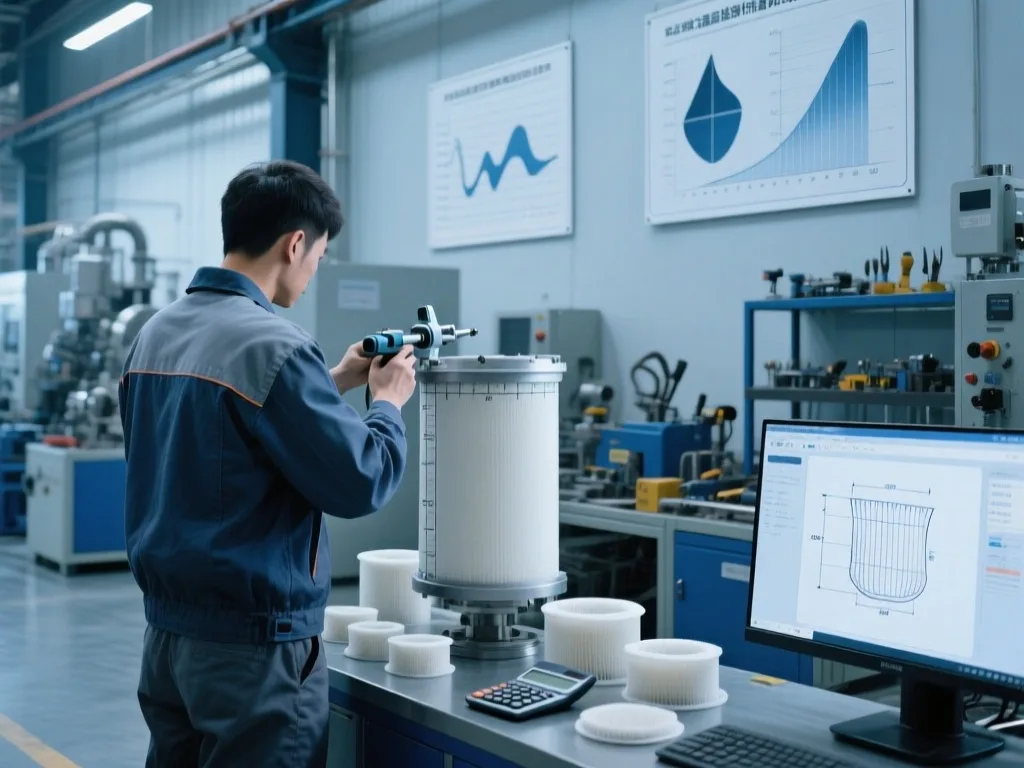
Choosing the right size for your anti static filter bag isn’t just about finding something that fits—it’s about ensuring optimal performance, efficiency, and longevity for your filtration system. Whether you’re managing a dust collection system in a manufacturing plant or maintaining air quality in a pharmaceutical facility, getting the size specifications right is crucial. Let’s break down how to determine the correct size based on equipment dimensions, airflow requirements, and operational conditions so you can make an informed decision that keeps your operations running smoothly.
Start with Equipment Dimensions
The first step in selecting the right size anti static filter bag is to understand your equipment’s physical dimensions. This includes the length, width, and diameter of the filter housing or baghouse where the filter bag will be installed. Measure these dimensions carefully, as even small discrepancies can lead to poor fit, air leakage, or reduced filtration efficiency. For example, if your baghouse has a cylindrical design with an internal diameter of 12 inches, you’ll need a filter bag that matches this dimension closely to ensure a proper seal. Similarly, the length of the filter bag should align with the height of the housing to prevent sagging or excessive tension, which can cause premature wear or tear. Don’t forget to account for any internal baffles, support cages, or other components that might affect the available space for the filter bag. A good rule of thumb is to leave a small margin (about 1-2%) for thermal expansion or contraction, especially if your equipment operates in extreme temperatures.
Understand Airflow Requirements
Airflow is another critical factor in determining the correct size of your anti static filter bag. The volume of air (measured in cubic feet per minute, or CFM) that needs to be filtered will dictate the surface area required for effective filtration. If the filter bag is too small, it won’t be able to handle the airflow, leading to increased pressure drop, reduced efficiency, and potential system failure. Conversely, an oversized filter bag might seem like a safe bet, but it can result in unnecessary costs and wasted space. To calculate the ideal surface area, consider the airflow rate and the desired filtration velocity (typically between 2-5 feet per minute for most industrial applications). For instance, if your system requires 10,000 CFM and you’re aiming for a filtration velocity of 4 feet per minute, you’ll need a filter bag with a surface area of at least 2,500 square feet. This ensures that the air passes through the filter media at an optimal speed, allowing for efficient particle capture without excessive resistance. For more insights on airflow and filtration efficiency, you can refer to this scientific study on filtration systems.
Evaluate Operational Conditions
Operational conditions, such as temperature, humidity, and the presence of corrosive gases or chemicals, can also influence the size and material of your anti static filter bag. For example, if your equipment operates in a high-temperature environment (above 300°F), you’ll need a filter bag made from heat-resistant materials like fiberglass or PTFE. These materials can withstand extreme temperatures without degrading, ensuring consistent performance over time. Similarly, if your application involves high humidity or corrosive substances, you’ll need a filter bag with moisture-resistant or chemically inert properties to prevent premature failure. In such cases, it’s often better to err on the side of caution and choose a slightly larger filter bag to account for any potential swelling or contraction due to environmental factors. This extra margin of safety can extend the lifespan of your filter bag and reduce the need for frequent replacements.
Consider Future Scalability
While it’s essential to meet your current filtration needs, don’t overlook the importance of future scalability. If you anticipate an increase in production volume or changes in operational conditions, selecting a slightly larger or more versatile anti static filter bag can save you time and money in the long run. For example, if you’re planning to expand your manufacturing facility or upgrade your equipment, choosing a filter bag with a higher dust holding capacity or a modular design can accommodate these changes without requiring a complete overhaul of your filtration system. This proactive approach ensures that your investment remains relevant and effective as your business evolves.
Consult with Manufacturers or Experts
Finally, don’t hesitate to consult with filter bag manufacturers or industry experts when determining the correct size specifications. They have the knowledge and experience to guide you through the selection process, taking into account all the factors mentioned above. Many manufacturers offer sizing charts or online calculators that can help you estimate the ideal dimensions based on your equipment and operational parameters. Additionally, they can provide valuable insights into the latest advancements in filter bag technology, such as improved materials or designs that enhance performance and reduce maintenance costs. By leveraging their expertise, you can make a more informed decision that aligns with your specific needs and budget.
Choosing the right anti static filter bag involves evaluating filtration efficiency, material compatibility, and size specifications tailored to your industry’s demands. By following this framework, you can confidently select a solution that enhances performance and safety. For further assistance, consult with filtration experts or request product samples to test compatibility with your equipment. Ready to optimize your filtration system? Explore our range of anti static filter bags designed for diverse industrial applications.