
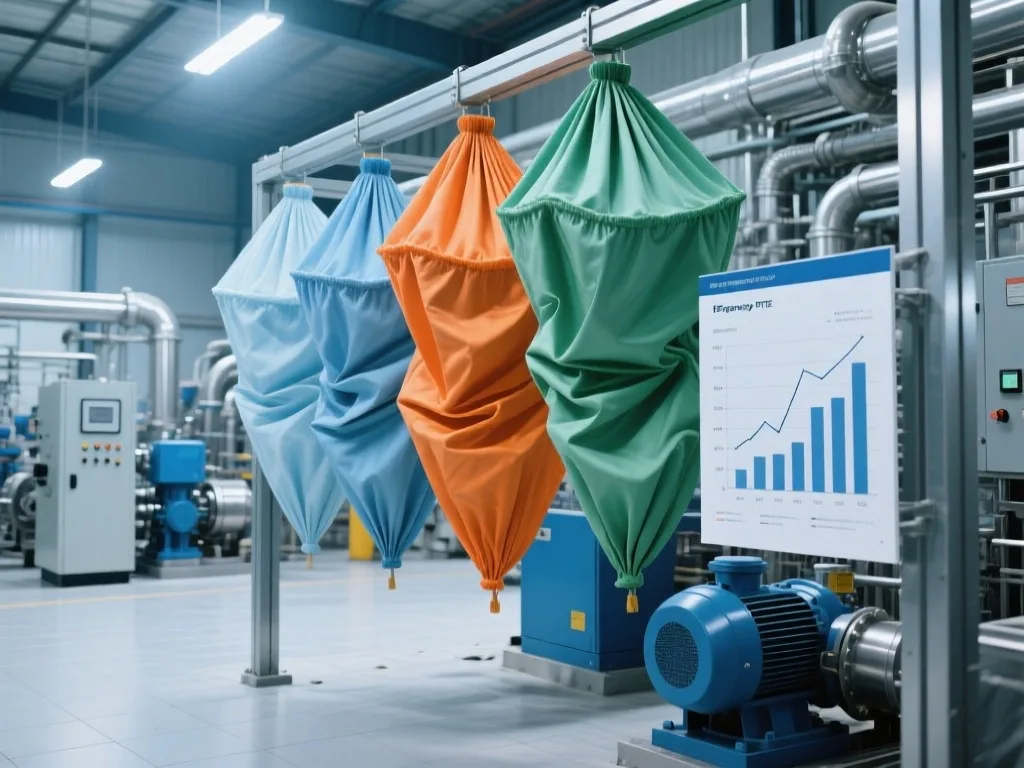
Selecting the right pleated filter bags is crucial for optimizing filtration efficiency and reducing operational costs in industrial settings. With a wide range of materials and performance metrics available, how do you ensure you’re choosing the best option for your specific needs? This guide explores the critical factors in material quality and filtration efficiency, helping you make informed decisions that enhance productivity and longevity. Let’s dive into the world of pleated filter bags and uncover what truly matters for your application.

Understanding Material Quality in Pleated Filter Bags
When selecting pleated filter bags for your industrial filtration needs, the choice of material is not just a detail—it’s a cornerstone of performance, efficiency, and longevity. The materials used in these bags, including polyester, polypropylene, and PTFE, each bring unique advantages and limitations to the table. Understanding these nuances is crucial for making an informed decision that aligns with your specific operational requirements. Let’s dive into the world of pleated filter bag materials and explore how they impact filtration efficiency, chemical resistance, and durability.
Polyester Pleated Filter Bags: A Versatile Choice
Polyester is a workhorse in the world of filtration, prized for its balance of performance and cost-effectiveness. It offers excellent resistance to abrasion and can withstand temperatures up to around 130°C (266°F), making it suitable for a wide range of industrial applications. When it comes to filtration efficiency, polyester pleated filter bags excel at capturing fine particles, thanks to their tightly woven fibers. This makes them ideal for processes where maintaining air quality is paramount, such as in food processing or pharmaceutical manufacturing. However, polyester’s Achilles’ heel is its susceptibility to hydrolysis in high-humidity environments, which can limit its use in certain chemical processing applications. For applications requiring high-efficiency filtration, consider exploring PTFE-coated baghouse filter bags.
Polypropylene Pleated Filter Bags: Chemical Resistance Champion
If your operations involve aggressive chemicals or solvents, polypropylene pleated filter bags might be your best bet. This material boasts exceptional chemical resistance, remaining stable in the face of acids, alkalis, and most organic solvents. It’s also highly resistant to moisture, making it suitable for humid environments where polyester might falter. Polypropylene’s temperature tolerance is slightly lower than polyester’s, typically maxing out at around 90°C (194°F), but its durability in harsh chemical environments more than compensates for this limitation. In terms of filtration efficiency, polypropylene bags offer good particle retention, though they may not match the fine filtration capabilities of polyester in some applications. For environments with potential static buildup, consider anti-static industrial pulse-jet baghouse filters.
PTFE Pleated Filter Bags: The Premium Performance Option
For the most demanding filtration challenges, PTFE (Polytetrafluoroethylene) pleated filter bags stand out as the premium choice. Known for its unparalleled chemical resistance, PTFE can withstand virtually any chemical environment without degradation, making it ideal for pharmaceutical, chemical processing, and waste incineration applications. But PTFE’s advantages don’t stop there. It also offers exceptional thermal stability, withstanding continuous operating temperatures up to 260°C (500°F) and short-term exposure to even higher temperatures. This material’s non-stick properties reduce the likelihood of particle buildup, enhancing filtration efficiency and extending bag life. However, the superior performance of PTFE comes at a cost—it’s significantly more expensive than polyester or polypropylene, making it a choice primarily for applications where no compromise on performance is acceptable. For more information on PTFE’s performance in industrial filtration, refer to this research article.
Material Impact on Filtration Efficiency
The material of your pleated filter bag directly influences its filtration efficiency—the ability to capture and retain particles of varying sizes. Polyester’s fine fiber structure allows it to trap smaller particles effectively, while polypropylene and PTFE offer a balance between particle retention and flow rate. The choice of material should align with your specific filtration needs: if you’re dealing with sub-micron particles, polyester or PTFE might be preferable, whereas for larger particles, polypropylene could provide sufficient efficiency at a lower cost.
Chemical Resistance: A Critical Consideration
In industries where exposure to corrosive chemicals is routine, the chemical resistance of your pleated filter bag material becomes a non-negotiable factor. Polypropylene and PTFE excel in this area, offering broad resistance to a wide range of chemicals. Polyester, while generally resistant to many substances, can degrade in the presence of strong acids or bases, especially at elevated temperatures. Assessing the chemical composition of your process stream is essential for selecting a material that won’t compromise filtration performance or bag integrity over time.
Durability and Longevity: Maximizing Return on Investment
The durability of your pleated filter bags directly impacts your operational costs and downtime. PTFE, with its exceptional thermal and chemical stability, offers the longest service life in demanding environments, though its higher initial cost must be factored into the total cost of ownership. Polyester provides a good balance of durability and cost, suitable for many general-purpose applications. Polypropylene, while not as durable as PTFE, offers excellent resistance to moisture and chemicals, making it a cost-effective choice for specific industrial settings. Regular maintenance and proper operation can further extend the life of your filter bags, regardless of material. For environments with high dust loads, consider cartridge dust collectors for enhanced durability.

Evaluating Filtration Efficiency: Key Metrics Explained
When it comes to selecting the right pleated filter bags for your industrial applications, understanding filtration efficiency is crucial. Filtration efficiency isn’t just about how well a filter bag can trap particles—it’s a comprehensive measure that involves several key metrics. These metrics help you determine how effectively a filter bag performs in your specific environment, ensuring you get the best value for your investment. Let’s dive into the three primary metrics that define filtration efficiency: particle retention size, dust holding capacity, and air permeability. By grasping these concepts, you’ll be better equipped to choose pleated filter bags that meet your operational needs and exceed your performance expectations.
Particle Retention Size: The First Line of Defense
Particle retention size refers to the smallest particle size that a filter bag can effectively capture. This metric is typically measured in microns (µm), and it’s a critical factor in determining the filter’s suitability for your application. For instance, if you’re dealing with fine particulates like dust or smoke, you’ll need a filter bag with a low particle retention size, say 1-5 µm, to ensure efficient capture. On the other hand, if your process involves larger particles like wood chips or metal shavings, a filter bag with a higher particle retention size, such as 10-20 µm, might be more appropriate. Understanding your particle size distribution is essential for selecting the right pleated filter bags. Have you analyzed your particulate matter lately? If not, it’s worth investing time in this step to ensure optimal filtration performance. For more insights on industrial filtration trends and market data, visit industrial filtration market report.
Dust Holding Capacity: Maximizing Filter Lifespan
Dust holding capacity is another vital metric that measures how much dust a filter bag can accumulate before it needs to be replaced or cleaned. This capacity is influenced by several factors, including the filter material, pleat design, and operating conditions. A high dust holding capacity means fewer filter changes, reduced downtime, and lower maintenance costs. For example, pleated filter bags made from advanced materials like PTFE or polyester can hold significantly more dust than traditional filter bags, extending their service life and improving overall efficiency. When evaluating dust holding capacity, consider your production volume and the frequency of filter changes you’re willing to tolerate. Are you looking for long-lasting pleated filter bags that minimize operational disruptions? If so, prioritizing dust holding capacity in your selection process is a smart move.
Air Permeability: Balancing Efficiency and Flow
Air permeability, often referred to as breathability, measures how easily air can pass through the filter bag. This metric is crucial for maintaining optimal airflow in your filtration system, especially in high-volume applications like dust collection or air purification. A filter bag with high air permeability allows for efficient airflow while still capturing particles effectively. However, it’s essential to strike a balance between air permeability and filtration efficiency. Too much permeability might compromise particle capture, while too little can restrict airflow, leading to increased pressure drop and reduced system performance. When selecting pleated filter bags, consider your system’s airflow requirements and the nature of the particulates you’re filtering. Are you working in a harsh environment where airflow consistency is critical? If so, choosing filter bags with optimized air permeability can make a significant difference in your operational efficiency.
How These Metrics Relate to Your Industrial Needs
Now that you understand the key metrics for measuring filtration efficiency, it’s essential to consider how they relate to your specific industrial needs. Every application is unique, and the right pleated filter bags for one operation might not be suitable for another. For instance, if you’re in the food processing industry, you’ll need filter bags that not only capture particles efficiently but also meet strict hygiene standards. In this case, materials like polyester or PTFE, which offer excellent chemical resistance and durability, might be ideal. On the other hand, if you’re in the metalworking industry, where high temperatures and abrasive particles are common, you’ll need filter bags that can withstand harsh conditions without compromising performance. By evaluating particle retention size, dust holding capacity, and air permeability in the context of your industrial needs, you can make informed decisions that enhance your filtration system’s efficiency and longevity. Have you considered how these metrics impact your bottom line? Investing in high-quality pleated filter bags tailored to your specific requirements can lead to significant cost savings and improved operational performance over time.
Comparing Performance: Real-World Insights on Pleated Filter Bags
When it comes to selecting the right pleated filter bags for your industrial applications, understanding their real-world performance is crucial. After all, theoretical specifications can only tell you so much. In this section, we’ll dive deep into case studies and performance data to compare the efficiency of different pleated filter bags, helping you make an informed decision that suits your specific needs. Imagine you’re running a manufacturing plant that produces a significant amount of dust and particulates. You’ve narrowed down your choices to two types of pleated filter bags: one made of polyester and the other of PTFE. Both claim to offer high filtration efficiency, but how do they stack up in real-world conditions? Let’s find out.
Case Study 1: Polyester Pleated Filter Bags in a Woodworking Plant
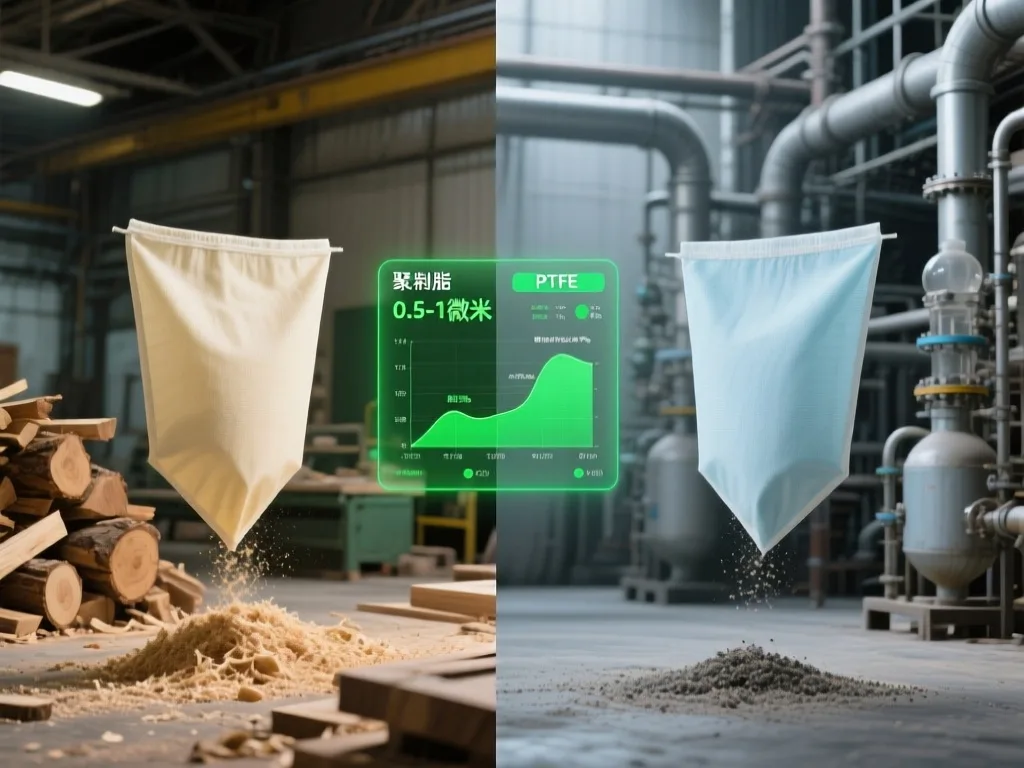
In a woodworking plant, where sawdust and wood particles are the primary contaminants, polyester pleated filter bags were installed. Over a six-month period, the plant monitored the bags’ performance in terms of particle retention size, dust holding capacity, and air permeability. The results showed that the polyester bags effectively captured particles as small as 1 micron, with a dust holding capacity that allowed for extended use before replacement. However, as the bags approached their maximum capacity, air permeability decreased, leading to a slight increase in pressure drop across the system. This case study highlights the importance of balancing dust holding capacity with air permeability to maintain optimal system performance. For more insights on filtration efficiency, refer to this scientific resource on filtration efficiency.
Case Study 2: PTFE Pleated Filter Bags in a Chemical Processing Facility
In a chemical processing facility dealing with corrosive gases and liquids, PTFE pleated filter bags were chosen for their exceptional chemical resistance. Over a year-long study, these bags demonstrated remarkable durability, withstanding harsh conditions without significant degradation. Their filtration efficiency remained consistently high, capturing particles down to 0.5 microns. Moreover, the PTFE material’s low friction coefficient ensured minimal pressure drop, even as the bags approached their dust holding capacity. This case underscores the value of material selection in environments where chemical resistance is paramount. For further reading on the dust filtration characteristics of pleated filter bags, check out this research paper.
Performance Data Comparison: Polyester vs. PTFE
Comparing the performance data from both case studies, it’s clear that both polyester and PTFE pleated filter bags have their strengths. Polyester bags offer a cost-effective solution for applications where chemical resistance isn’t a primary concern, providing good filtration efficiency and dust holding capacity. On the other hand, PTFE bags excel in harsh environments, offering superior chemical resistance and maintaining low pressure drop over extended periods. When choosing between the two, consider your specific industrial needs. If you’re dealing with non-corrosive particulates and need a balance between cost and performance, polyester might be the way to go. But if your application involves corrosive substances or requires minimal pressure drop, PTFE is likely the better choice. For a broader perspective on the industrial filtration market, including trends and growth projections, visit DataM Intelligence’s report on the industrial filtration market.
Additional Considerations: Longevity and Maintenance
Beyond initial performance, it’s also essential to consider the longevity and maintenance requirements of pleated filter bags. In our case studies, PTFE bags showed longer service life due to their chemical resistance, reducing the frequency of replacements and associated downtime. Polyester bags, while not as durable in harsh conditions, can still offer significant cost savings over time if maintained properly. Regular cleaning and inspection can extend their lifespan, ensuring they continue to perform efficiently. Additionally, consider the ease of maintenance when selecting your filter bags. Some designs may allow for quicker and simpler replacement, minimizing disruption to your operations. For more technical details on filter bag design and maintenance, refer to this Springer article on filter bag design.
By focusing on material quality and filtration efficiency, you can confidently select pleated filter bags that deliver optimal performance and durability. Understanding the impact of materials like polyester, polypropylene, and PTFE, along with key efficiency metrics, empowers you to choose solutions tailored to your industrial requirements. For expert advice and customized filtration solutions, contact us today and take the first step toward enhancing your operational efficiency. What other filtration challenges could high-quality pleated filter bags help you overcome?