
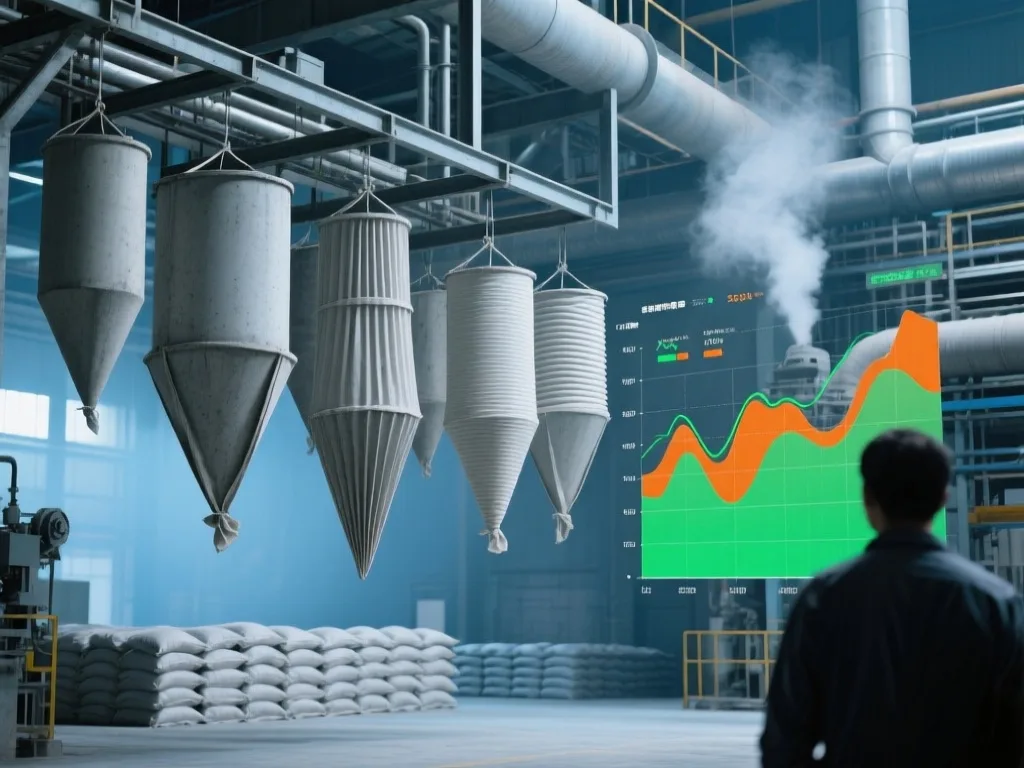
In the cement manufacturing industry, selecting the right cement filter bag is crucial for maintaining efficient operations and ensuring product quality. With a wide range of materials and designs available, how can you determine which cement filter bag offers the best balance of filtration efficiency, durability, and temperature resistance? This guide delves into the technical specifications and real-world performance of cement filter bags, providing engineers, plant managers, and procurement professionals with the insights needed to make informed decisions. Let’s explore what makes a cement filter bag truly high-performance.
Understanding Filtration Efficiency in Cement Filter Bags
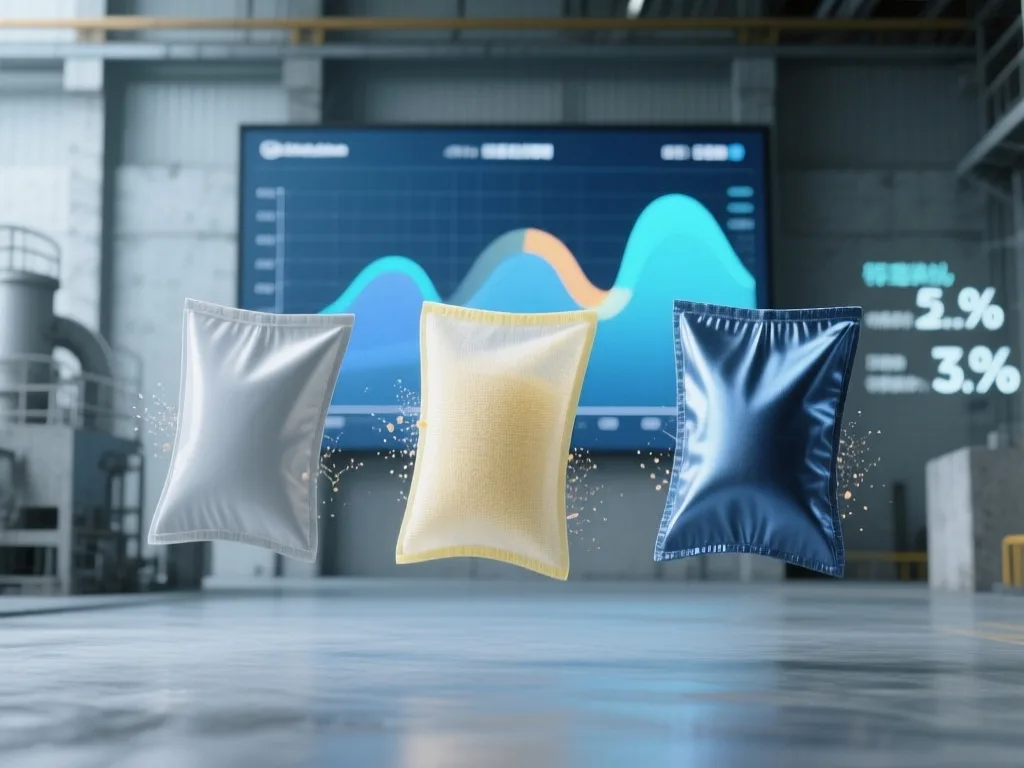
When it comes to selecting the right cement filter bag, filtration efficiency is a critical factor that directly impacts the performance and cost-effectiveness of your cement production process. But what exactly determines filtration efficiency, and how do different materials and designs play a role? Let’s dive into the nitty-gritty details to help you make an informed decision. Filtration efficiency is essentially a measure of how well a filter bag can capture and retain particles of varying sizes. This is crucial in cement manufacturing, where the presence of fine dust particles can affect product quality, equipment longevity, and even worker safety. The efficiency of a cement filter bag is influenced by several factors, including the material it’s made of, its design, and the operating conditions it’s subjected to. For deeper insights into filtration efficiency, you can refer to this comprehensive study on filter bag efficiency in industrial applications.
Material Impact on Filtration Efficiency
The choice of material for your cement filter bag is paramount. Different materials have varying pore sizes, surface textures, and chemical properties, all of which affect their ability to capture and retain particles. For instance, polyester filter bags are known for their excellent filtration efficiency, especially when it comes to capturing fine particles. They have a smooth surface that reduces the likelihood of particle adhesion, making them easier to clean and reuse. On the other hand, polypropylene filter bags offer good chemical resistance and are suitable for applications where the cement dust contains corrosive substances. However, they may not be as efficient as polyester in capturing very fine particles. Aramid filter bags, known for their high-temperature resistance and durability, are another option. They can withstand harsh operating conditions and maintain their filtration efficiency over time, making them ideal for high-temperature cement production processes. For a detailed comparison of materials, check out this market research report on industrial filtration materials.
Design Considerations for Enhanced Filtration
Beyond material selection, the design of the cement filter bag also plays a significant role in determining its filtration efficiency. One key design aspect is the bag’s surface finish. A smooth surface finish, as mentioned earlier, reduces particle adhesion and improves cleaning efficiency. Another design consideration is the bag’s shape and size. A well-designed bag with the right dimensions can ensure optimal airflow and pressure distribution, leading to better filtration performance. Additionally, the presence of pleats or folds in the bag can increase its surface area, allowing for more particles to be captured and retained. Some advanced designs even incorporate a layered structure, where different materials are combined to create a filter bag with superior filtration efficiency and durability. For more on design optimization, explore this blog post on filtration simulation for industrial equipment design.
Comparative Data and Real-World Examples
To truly understand the impact of material and design on filtration efficiency, let’s look at some comparative data and real-world examples. In a study conducted by a leading cement manufacturing company, it was found that polyester filter bags with a smooth surface finish and a pleated design achieved a filtration efficiency of over 99.5% for particles larger than 1 micron. This is significantly higher than the filtration efficiency of traditional filter bags made from other materials. In a real-world scenario, a cement plant in Europe switched from using polypropylene filter bags to aramid filter bags with a layered structure. The result? A 20% increase in filtration efficiency, leading to cleaner air emissions and reduced maintenance costs. The plant also reported a longer lifespan for the aramid filter bags, further justifying the initial investment. For additional case studies and data, refer to this report on improving the efficiency of bag filters in global cement production.
Material Durability in Cement Filter Bags: A Deep Dive
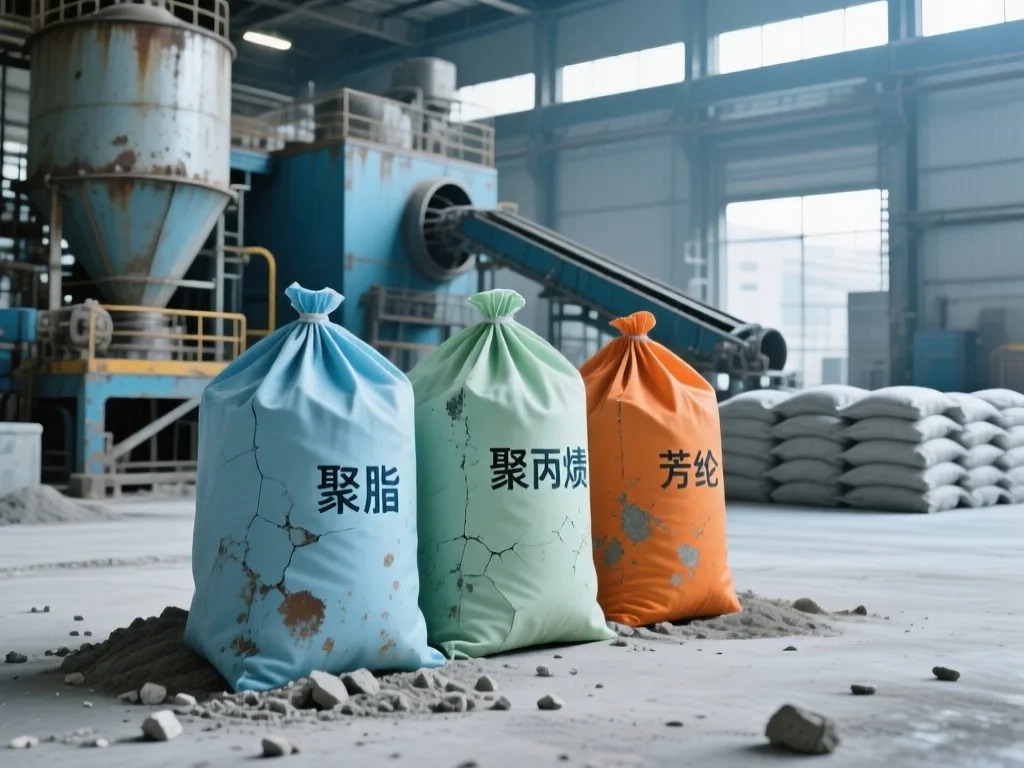
When it comes to selecting the right cement filter bag, material durability is a cornerstone consideration. You’re not just choosing a bag; you’re investing in a solution that must withstand the relentless demands of cement production. Let’s break down the pros and cons of three popular materials: polyester, polypropylene, and aramid, focusing on their wear resistance and chemical stability. Have you ever wondered why some cement filter bags last longer than others, even under the same operating conditions? The answer often lies in the material composition and its inherent properties.
Polyester: The Balanced Performer
Polyester is a common choice for cement filter bags due to its balance of cost and performance. It offers good wear resistance, making it suitable for environments where abrasive particles are prevalent. However, polyester’s chemical stability can be a double-edged sword. While it resists many common chemicals found in cement production, it may degrade when exposed to strong acids or alkalis over extended periods. This makes polyester a reliable option for moderate-duty applications but less ideal for environments with extreme chemical exposure. Have you considered the long-term costs of replacing bags due to chemical degradation? Polyester’s affordability might be appealing initially, but frequent replacements could negate those savings. For more insights on polyester’s performance in industrial settings, refer to this research article.
Polypropylene: The Lightweight Contender
Polypropylene stands out for its excellent chemical resistance, particularly against acids and alkalis. This makes it a strong candidate for cement plants where chemical stability is a top priority. However, polypropylene’s wear resistance is generally lower than polyester’s, especially when exposed to abrasive materials. It’s also more prone to UV degradation, which isn’t typically a concern inside a cement plant but could be a factor if bags are stored outdoors. If your plant operates in a region with harsh chemicals but relatively low abrasion, polypropylene might be the sweet spot. But ask yourself: are you willing to trade off some wear resistance for superior chemical stability? For detailed chemical resistance data, check out this technical guide.
Aramid: The Heavy-Duty Champion
Aramid, often known by its brand name Kevlar, is the premium choice for high-performance cement filter bags. It excels in both wear resistance and chemical stability, making it ideal for the most demanding environments. Aramid bags can withstand abrasive particles and resist degradation from a wide range of chemicals, including strong acids and alkalis. The downside? Aramid is significantly more expensive than polyester or polypropylene, and its rigidity can make installation and handling more challenging. If your plant operates 24/7 under extreme conditions, aramid’s durability could justify the higher upfront cost. But for less intensive applications, the investment might not pay off. Have you weighed the total cost of ownership, including replacement frequency and downtime, when comparing aramid to other materials? For specialized applications, consider exploring PTFE-coated filter bags as an alternative.
Comparative Analysis: Making the Right Choice
To summarize, polyester offers a balanced approach with moderate wear resistance and chemical stability, making it suitable for general-purpose applications. Polypropylene shines in chemically aggressive environments but may struggle with abrasion. Aramid is the top performer for extreme conditions but comes at a premium price. When selecting a material, consider factors like the specific chemicals in your process, the abrasiveness of the particles, and your budget constraints. Remember, the ‘best’ material depends on your unique operational needs. Have you mapped out your plant’s specific requirements to guide your material selection? For additional chemical resistance comparisons, consult this chemical guide.
Examine Temperature Resistance in Cement Filter Bags
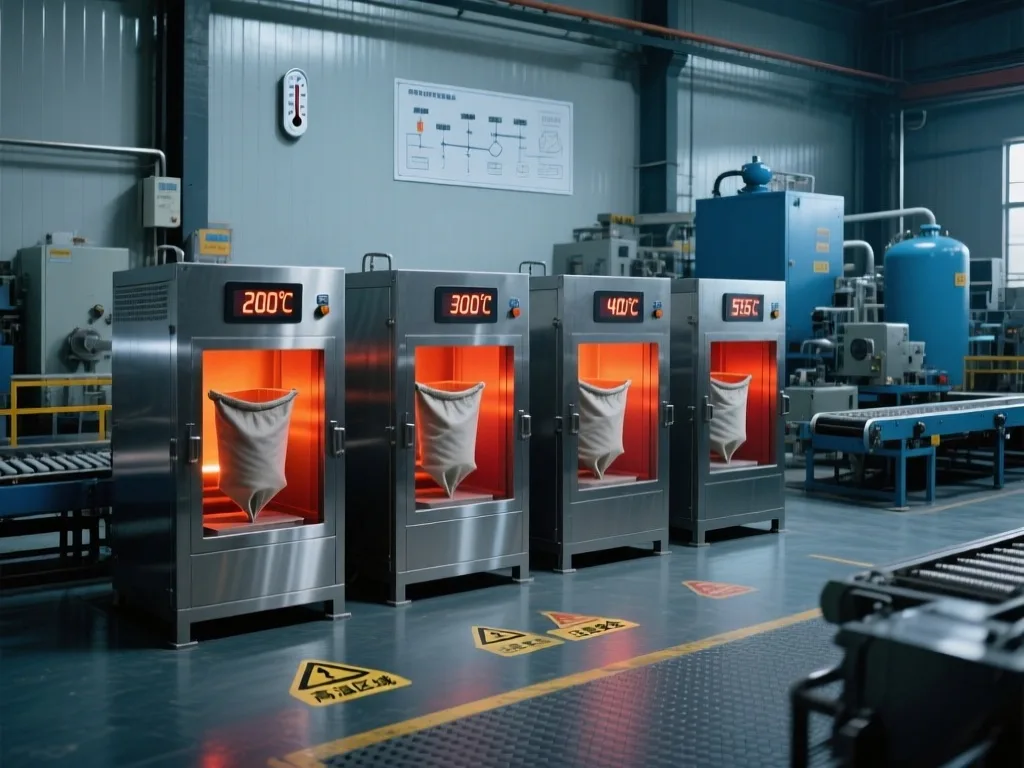
When it comes to selecting the right cement filter bag for high-temperature cement production processes, understanding the temperature resistance of different materials is crucial. High-performance cement filter bags must withstand extreme temperatures without compromising filtration efficiency or structural integrity. So, how do you know which material is best suited for your specific needs? Let’s dive into the temperature limits of common cement filter bag materials and explore their suitability for high-temperature environments.
Polyester Cement Filter Bags
Polyester is one of the most widely used materials for cement filter bags due to its excellent balance of cost and performance. However, its temperature resistance is somewhat limited compared to other options. Polyester filter bags typically have a continuous operating temperature of around 130°C (266°F), with a short-term peak tolerance of up to 150°C (302°F). Beyond this range, polyester begins to degrade, losing strength and becoming prone to shrinkage or melting. This makes polyester cement filter bags suitable for moderate-temperature cement production processes but less ideal for applications involving prolonged exposure to higher temperatures. If your plant operates primarily at lower temperatures, polyester offers a cost-effective solution with good durability and filtration efficiency.
Polypropylene Cement Filter Bags
Polypropylene is another popular choice for cement filter bags, especially in environments where chemical resistance is as important as temperature tolerance. Polypropylene filter bags can handle continuous operating temperatures of approximately 90°C (194°F), with a short-term peak limit of around 110°C (230°F). While this is lower than polyester, polypropylene excels in resisting acids, alkalis, and other corrosive substances commonly found in cement production. If your process involves both moderate temperatures and aggressive chemicals, polypropylene cement filter bags might be the right fit. However, for high-temperature applications, you’ll need to look for alternatives with better heat resistance, such as PTFE-coated filter bags.
Aramid Cement Filter Bags
For high-temperature cement production processes, aramid-based filter bags are often the top choice. Aramid fibers, such as those used in Nomex or Kevlar, offer exceptional thermal stability, with continuous operating temperatures reaching up to 200°C (392°F) and short-term peak tolerances exceeding 240°C (464°F). This makes aramid cement filter bags ideal for kiln feed systems, clinker coolers, and other areas where temperatures soar. In addition to their heat resistance, aramid bags are highly durable, resistant to abrasion, and maintain structural integrity even under mechanical stress. While they come at a higher cost, their longevity and performance in extreme conditions make them a worthwhile investment for plants prioritizing reliability and efficiency.
P84 (Polyimide) Cement Filter Bags
P84, or polyimide, is a high-performance material designed for the most demanding cement production environments. P84 filter bags can withstand continuous operating temperatures of up to 260°C (500°F), with short-term peaks reaching 280°C (536°F). This extraordinary heat resistance, combined with excellent chemical stability and low shrinkage rates, makes P84 cement filter bags the gold standard for high-temperature applications. They are commonly used in preheater systems, kiln exhausts, and other areas where temperatures and particulate loads are at their highest. For more information on P84 filter bags, visit Technical Textiles India. While P84 bags are more expensive than other options, their ability to reduce downtime, extend service life, and improve overall plant efficiency often justifies the investment. For further details on high-temperature filtration, see P84 High-Temperature Filtration.
Choosing the Right Material for Your Needs
Selecting the best cement filter bag material for high-temperature processes depends on several factors, including operating temperature, chemical exposure, mechanical stress, and budget constraints. Polyester and polypropylene are suitable for moderate conditions, offering a balance of affordability and performance. Aramid and P84, on the other hand, are engineered for extreme heat and harsh environments, providing superior durability and filtration efficiency at a higher cost. By understanding the temperature limits and characteristics of each material, you can make an informed decision that aligns with your plant’s specific requirements. Remember, investing in the right cement filter bag material upfront can save you significant costs in maintenance, replacement, and downtime over time.
Choosing the right cement filter bag involves evaluating filtration efficiency, material durability, and temperature resistance to match your specific production needs. By understanding these key factors, you can select a cement filter bag that enhances operational efficiency and reduces long-term costs. For tailored recommendations, consult with industry experts who can analyze your unique requirements and suggest the best solutions. Ready to optimize your filtration process? Explore our range of high-performance cement filter bags today and take the first step toward superior cement production.