
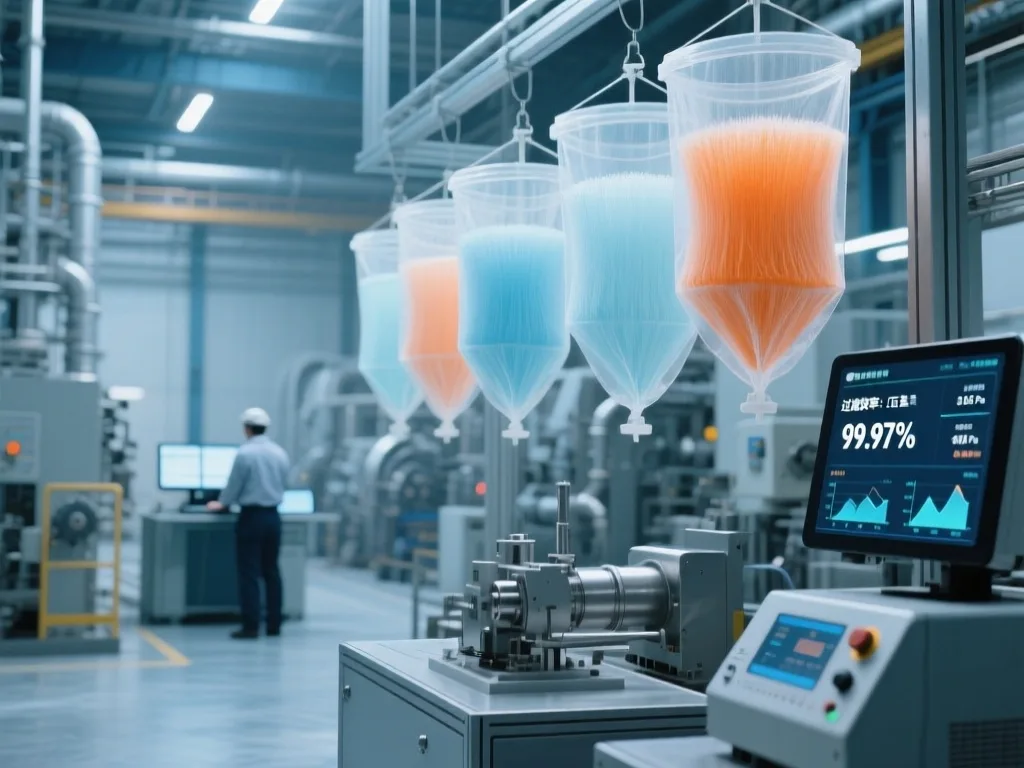
In the industrial filtration landscape, selecting the right acrylic filter bag can mean the difference between seamless operations and costly downtime. With a wide range of options available, how do you ensure your choice meets both performance and durability standards? This blog explores the critical factors—material quality, filtration efficiency, and durability—that determine the effectiveness of acrylic filter bags. By understanding these elements, you can make informed decisions tailored to your specific industrial needs. Are you ready to elevate your filtration system’s performance?
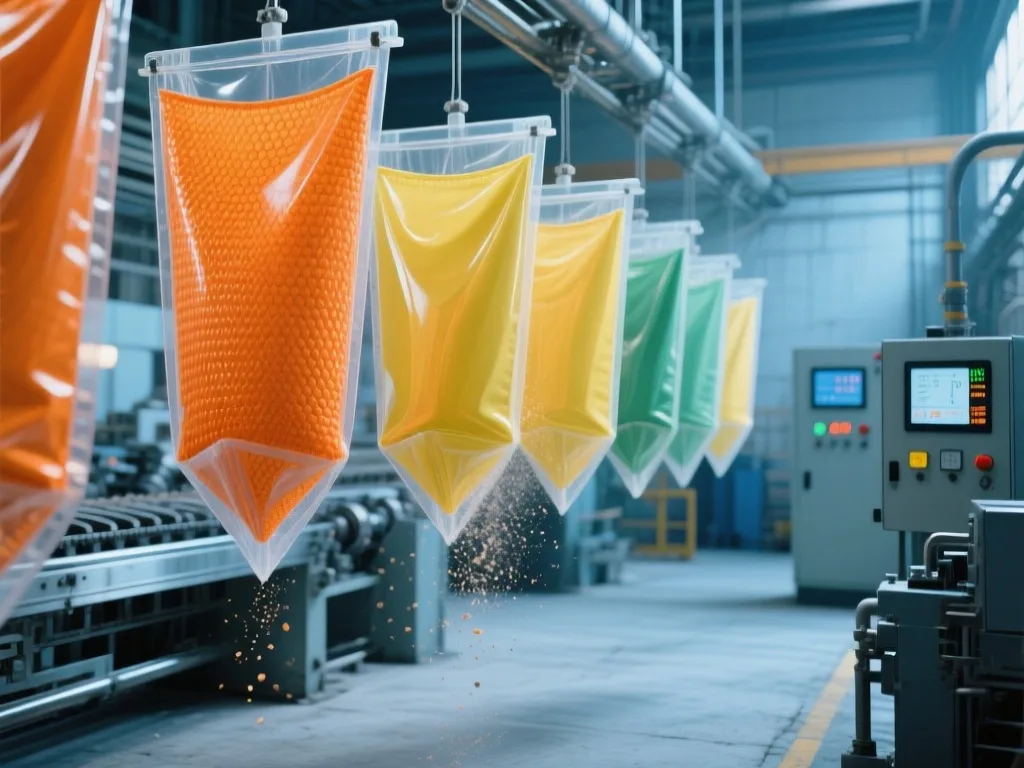
Material Quality in Acrylic Filter Bags: Why It Matters
When it comes to selecting acrylic filter bags for industrial filtration systems, the quality of the material is not just a detail—it’s the foundation of performance, durability, and cost-effectiveness. Imagine investing in a filtration solution only to find it wears out prematurely, fails to capture fine particles, or struggles under high temperatures. These issues often trace back to subpar material quality. So, what makes acrylic fibers stand out, and how do their properties influence wear resistance and overall efficiency? Let’s dive into the science behind acrylic filter bag materials and why they matter for your operations.
Types of Acrylic Fibers Used in Filter Bags
Acrylic fibers aren’t one-size-fits-all; they come in variations tailored to specific industrial needs. The two primary types are standard acrylic and modified acrylic. Standard acrylic fibers are known for their excellent resistance to sunlight and chemicals, making them ideal for outdoor applications or environments with corrosive substances. However, they may lack the heat stability needed for high-temperature processes. Modified acrylic fibers, on the other hand, are engineered to withstand extreme temperatures—often up to 250°F (121°C) or higher—without melting or degrading. This makes them perfect for industries like asphalt production, cement manufacturing, or metal processing, where heat resistance is non-negotiable. Another critical distinction is between homopolymer and copolymer acrylics. Homopolymer acrylics offer superior chemical resistance, while copolymers blend acrylic with other polymers (like polyester) to enhance flexibility and reduce brittleness. The choice depends on your filtration demands: Do you need rigid bags for coarse particles, or flexible ones for fine dust? For more information on acrylic fibers, visit this page.
Resistance to Wear and Tear: The Durability Factor
Wear resistance isn’t just about how long a bag lasts—it’s about maintaining consistent performance under stress. Acrylic fibers excel in abrasive environments because they resist fraying, puncturing, and tearing better than many alternatives. For example, in cement plants, where bags are bombarded with sharp, abrasive particles, acrylic’s molecular structure helps it shed debris without weakening. This is due to its high tensile strength and low elongation rate, which minimize stretching and breakage. But durability isn’t static; it’s influenced by factors like fiber diameter, weave density, and surface treatment. Thicker fibers (denier) generally offer better abrasion resistance, while tighter weaves prevent particles from embedding into the fabric. Some manufacturers apply anti-static coatings to reduce dust clinging, further extending lifespan. Ever wondered why some bags clog faster than others? It often comes down to material quality and how well it resists chemical degradation or moisture absorption—both of which acrylic handles exceptionally well. For further reading on the durability of acrylic fibers, see this study.
Why Material Quality Impacts Filtration Efficiency
You might think, ‘A bag is a bag—as long as it catches particles, it’s fine.’ But material quality directly affects how efficiently a bag performs. Low-grade acrylic may allow micron-sized particles to escape, leading to air quality issues or product contamination. High-quality acrylic, however, is engineered with precise pore sizes and uniform fiber distribution, ensuring even the smallest particles are trapped. This is critical in industries like pharmaceuticals or food processing, where contamination risks are high. Moreover, superior material quality reduces pressure drop—the resistance air faces as it passes through the bag. A bag with consistent fiber density won’t clog as quickly, maintaining optimal airflow and reducing energy consumption. Think of it like a straw: a clean, straight straw lets liquid flow easily, while a crushed one creates resistance. The same principle applies to filtration systems. By investing in acrylic filter bags with top-tier material quality, you’re not just buying a product—you’re securing long-term efficiency and reliability. For more details on filtration efficiency, refer to this article.
How Filtration Efficiency Is Measured and Its Importance
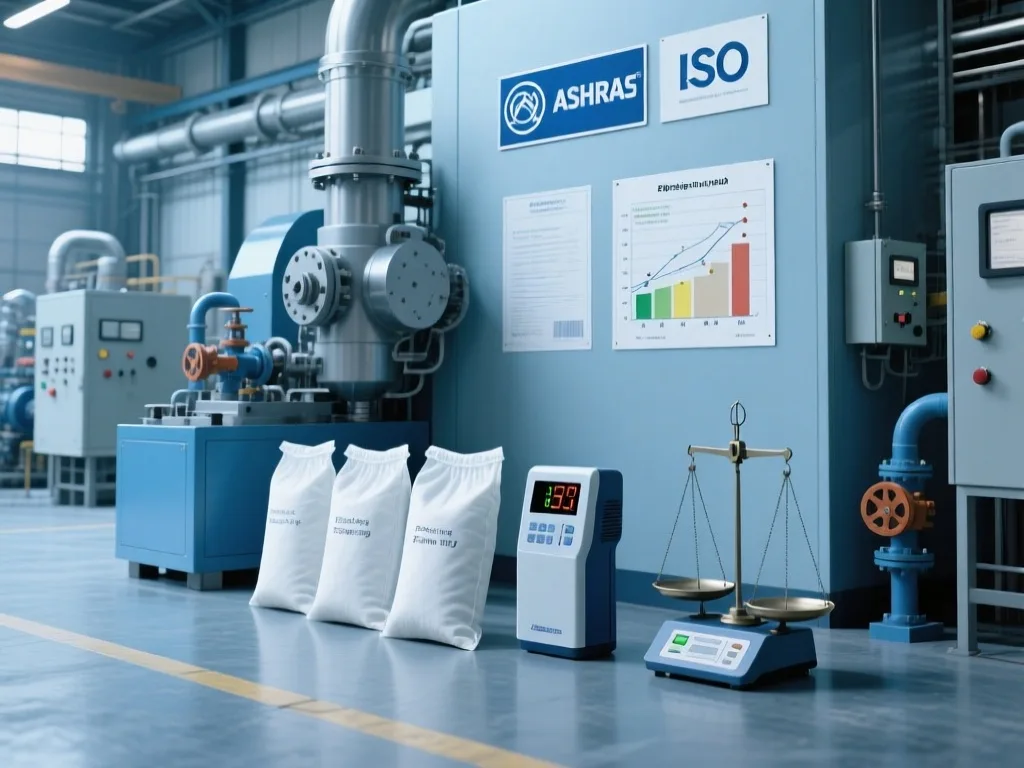
When it comes to selecting the right acrylic filter bag for your industrial filtration needs, understanding how filtration efficiency is measured and why it matters is essential. Filtration efficiency isn’t just a technical specification—it’s a critical factor that directly impacts air quality, equipment longevity, and overall operational efficiency. So, how exactly is filtration efficiency measured, and why should you care? Let’s break it down in a way that makes sense for your day-to-day operations.
The Science Behind Filtration Efficiency Measurement
Filtration efficiency is typically measured using standardized testing methods that simulate real-world operating conditions. One of the most common approaches is the ‘particle count method,’ where a known quantity of particles of specific sizes is introduced into the airflow before the filter. After passing through the acrylic filter bag, the number of particles that make it to the other side is counted. The efficiency is then calculated as the percentage of particles removed by the filter. For example, if a filter removes 95% of particles, it’s said to have 95% efficiency. Another widely used method is the ‘weight arrestance test,’ which measures the filter’s ability to capture larger, heavier particles by weighing the filter before and after exposure to a dust-laden airstream. This method is particularly relevant for industrial-grade acrylic filter bags that handle coarse dust and debris. These testing standards, often outlined by organizations like ASHRAE (American Society of Heating, Refrigerating, and Air-Conditioning Engineers) or ISO (International Organization for Standardization), ensure consistency and reliability in measuring filtration efficiency across different products and manufacturers.
Why Filtration Efficiency Matters for Air Quality
Now, you might be wondering: why does filtration efficiency matter so much for air quality? The answer lies in the tiny particles that float unseen in the air. These particles, which can include dust, pollen, mold spores, and even microscopic pollutants, can wreak havoc on both human health and industrial processes. High-efficiency acrylic filter bags are designed to capture these particles effectively, preventing them from circulating in your facility’s air. This is especially crucial in environments where air quality directly impacts product quality, such as in food processing, pharmaceuticals, or electronics manufacturing. Poor air quality can lead to contamination, product defects, and even regulatory non-compliance—all of which can be costly and damaging to your reputation. By investing in acrylic filter bags with proven filtration efficiency, you’re not just protecting your equipment—you’re safeguarding the health of your employees and the integrity of your products. For more information on the importance of indoor air quality, visit OSHA’s indoor air quality guide.
The Role of Filtration Efficiency in Preventing Equipment Damage
But filtration efficiency isn’t just about air quality—it’s also about protecting your equipment from wear and tear. In industrial settings, dust and debris can act like sandpaper, gradually eroding sensitive components and reducing the lifespan of machinery. For example, in a cement plant or a metalworking facility, airborne particles can clog cooling systems, damage bearings, and even interfere with electrical components. Over time, this can lead to costly breakdowns, unplanned downtime, and expensive repairs. High-efficiency acrylic filter bags act as a first line of defense, capturing these harmful particles before they can cause damage. By maintaining cleaner airflow, these filters help extend the life of your equipment, reduce maintenance costs, and ensure consistent performance. This is particularly important for industrial-grade acrylic filter bags, which are engineered to withstand harsh operating conditions and provide reliable filtration over extended periods.
Choosing Acrylic Filter Bags Based on Filtration Efficiency
So, how do you choose the right acrylic filter bag based on filtration efficiency? Start by understanding your specific needs. Are you dealing with fine particulates that require high-efficiency filtration, or are you primarily concerned with capturing larger debris? Look for filters that meet industry standards like ASHRAE or ISO and check their efficiency ratings. For example, a filter with a MERV (Minimum Efficiency Reporting Value) rating of 8-13 is suitable for most industrial applications, while higher ratings (14-16) are ideal for critical environments like cleanrooms or hospitals. Don’t forget to consider the material quality of the acrylic fibers used in the filter. High-quality fibers are more resistant to wear and tear, ensuring that the filter maintains its efficiency over time. Additionally, look for filters that have undergone rigorous quality testing, such as burst strength tests or temperature resistance tests, to ensure they can handle the demands of your operation. For more details on acrylic filter bag knowledge, refer to acrylic filter bag knowledge. By prioritizing filtration efficiency and material quality, you can select acrylic filter bags that deliver optimal performance and long-term value.
Why Durability Matters in Acrylic Filter Bags
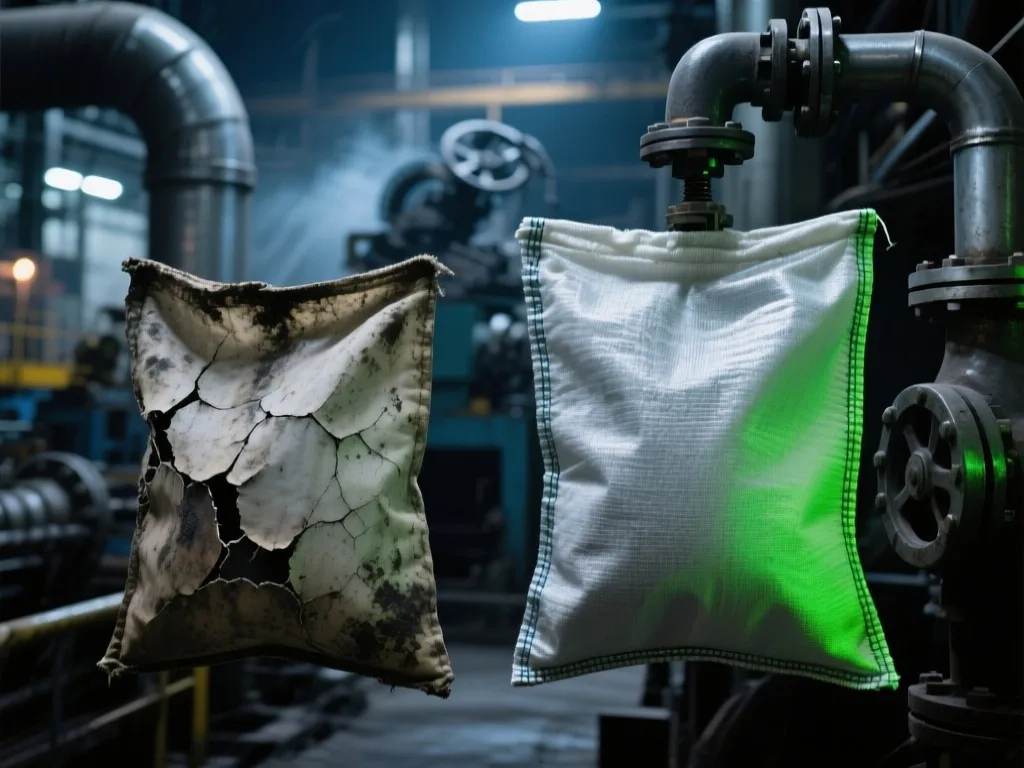
When it comes to industrial filtration, durability isn’t just a nice-to-have—it’s a necessity. Acrylic filter bags are no exception. These bags are tasked with capturing particulates, protecting equipment, and maintaining air quality in some of the most demanding environments. But what makes durability so critical? Let’s break it down. First, consider the cost implications. Replacing filter bags frequently isn’t just an inconvenience; it’s a financial drain. Durable bags last longer, reducing downtime and saving money on replacements. Second, think about operational efficiency. A bag that fails prematurely can lead to system shutdowns, lost production time, and even damage to other components. Third, there’s the environmental angle. Fewer replacements mean less waste, which aligns with sustainability goals. So, how do you ensure you’re choosing durable acrylic filter bags? It starts with understanding the factors that influence lifespan and selecting bags designed to withstand harsh conditions. Let’s dive deeper into what makes an acrylic filter bag truly durable.
Factors Affecting the Lifespan of Acrylic Filter Bags
The lifespan of an acrylic filter bag isn’t determined by chance—it’s the result of several key factors working together. One of the most significant is material quality. Not all acrylic fibers are created equal. Some are more resistant to abrasion, chemical degradation, and temperature extremes than others. For example, high-grade acrylic fibers with a tighter weave tend to hold up better under stress. Another factor is construction. Bags with reinforced seams, double-stitched edges, and sturdy cuffs are less likely to tear or fray. Operating conditions also play a huge role. Bags exposed to high temperatures, corrosive chemicals, or abrasive particles will degrade faster than those in milder environments. Finally, maintenance practices matter. Regular cleaning, proper installation, and avoiding overloading can extend a bag’s life significantly. By addressing these factors, you can maximize the durability of your acrylic filter bags and avoid premature failures.
How to Choose Durable Acrylic Filter Bags for Harsh Conditions
Selecting acrylic filter bags that can stand up to harsh operating conditions requires careful consideration. Start by evaluating the material composition. Look for bags made from 100% acrylic fibers or blends engineered for enhanced durability. Check for certifications or testing reports that verify resistance to abrasion, chemicals, and temperature fluctuations. Next, examine the construction details. Reinforced seams, anti-abrasion coatings, and robust cuffs are indicators of a well-made bag. Consider the operating environment. If your facility deals with high temperatures, opt for bags rated for thermal stability. For corrosive environments, choose chemically resistant variants. Abrasive particles? Go for bags with a thicker weave or protective layers. Don’t overlook filtration efficiency either—a durable bag that doesn’t filter effectively isn’t much use. Finally, consult with suppliers or manufacturers. They can provide insights into which bags are best suited for your specific needs and offer guidance on maintenance practices to prolong lifespan. By taking these steps, you can ensure your acrylic filter bags deliver long-lasting performance even in the toughest conditions.
Real-World Examples of Durable Acrylic Filter Bags in Action
Still not convinced durability matters? Let’s look at some real-world examples. In a cement plant, where dust and abrasive particles are constant, standard acrylic filter bags might last 6-12 months before needing replacement. However, by switching to bags with reinforced seams and a thicker weave, the same plant reported a lifespan of 24-36 months—a significant cost saving. In another case, a chemical processing facility faced frequent bag failures due to exposure to corrosive gases. After switching to chemically resistant acrylic filter bags, they reduced replacements by 75% and improved system uptime. These examples highlight how choosing durable bags tailored to specific conditions can lead to measurable improvements in performance and cost efficiency. For more insights on the market for homopolymer acrylic filter bags, see homopolymer acrylic filter bags market. Whether you’re dealing with extreme temperatures, abrasive materials, or corrosive substances, there’s an acrylic filter bag designed to handle it. The key is identifying your needs and selecting the right product.
Choosing the right acrylic filter bag involves evaluating material quality, filtration efficiency, and durability to ensure long-term reliability and performance. By focusing on these key factors, you can select industrial-grade acrylic filter bags that meet stringent standards and withstand harsh operating conditions. Assess your specific needs carefully—consider factors like fiber type, filtration standards, and environmental demands—to make a decision that delivers value and efficiency. Ready to optimize your filtration system? Explore our range of high-efficiency acrylic filter bags today and take the first step toward superior industrial performance.