
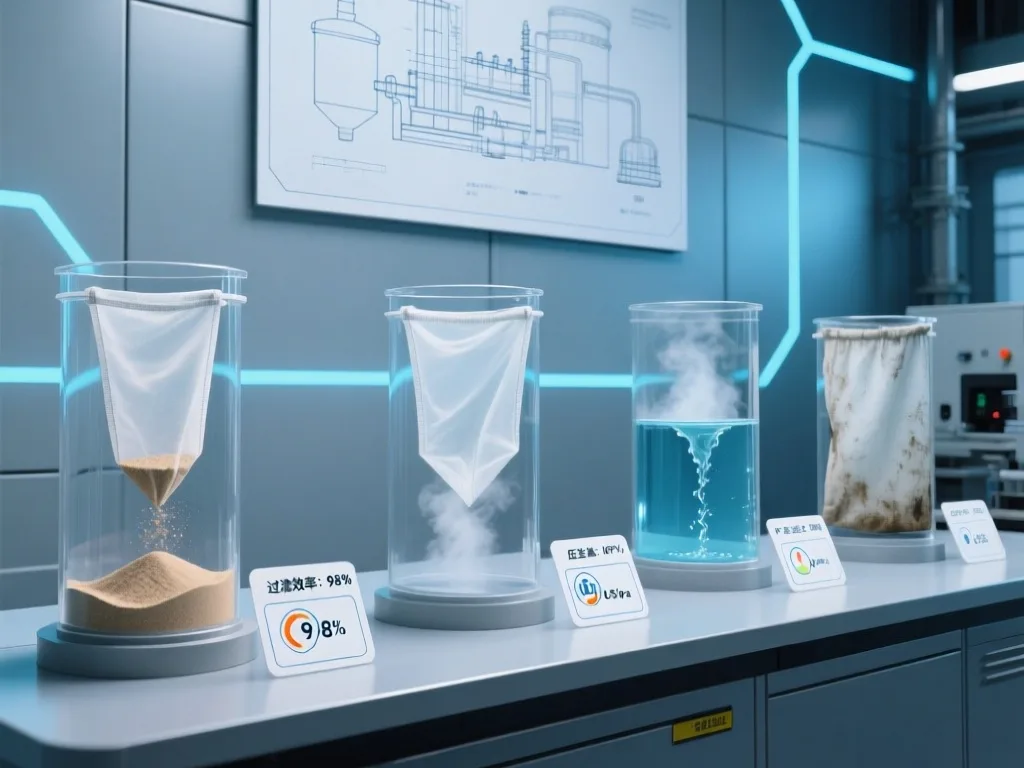
Selecting the perfect PPS filter bag for your industrial filtration needs can be challenging, especially with a wide range of options available. The right choice impacts not only the quality of your filtered product but also the overall efficiency and cost-effectiveness of your system. But how do you determine which PPS filter bag is best suited for your specific application? This comprehensive guide will walk you through the critical KPIs—filtration efficiency, temperature resistance, chemical resistance, and expected lifespan—to help you make an informed decision. Let’s dive in and explore what truly matters when choosing a PPS filter bag.
Filtration Efficiency: A Critical KPI for PPS Filter Bags
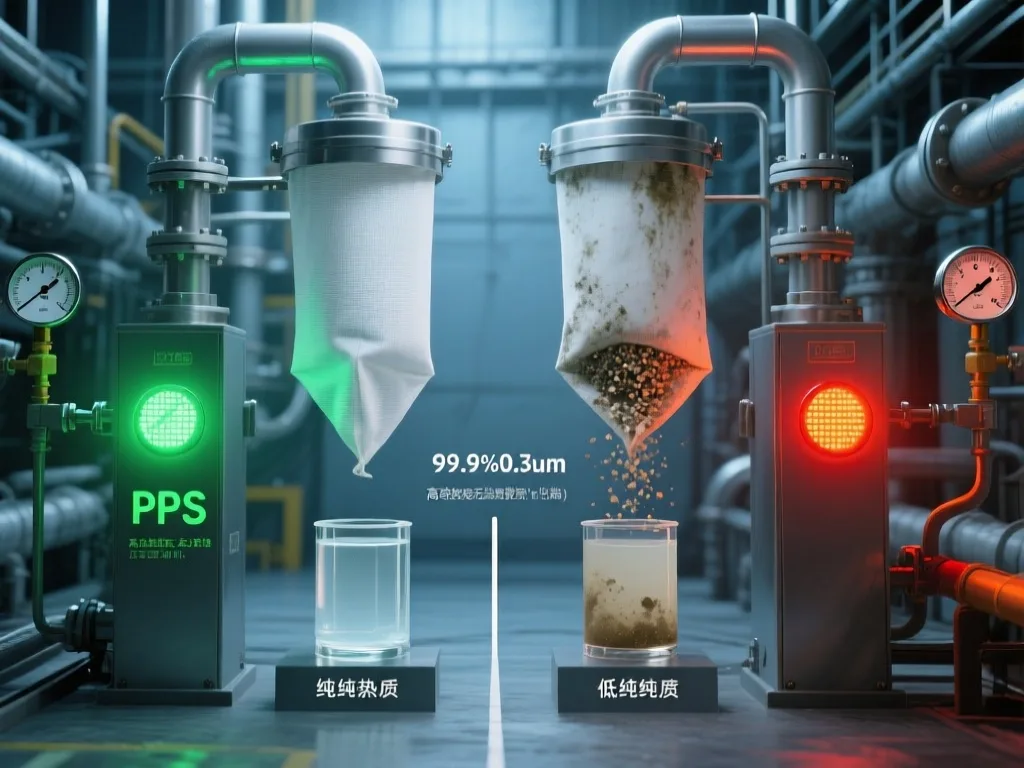
When it comes to selecting the right PPS filter bag for your industrial filtration needs, filtration efficiency stands out as a key performance indicator (KPI) that cannot be overlooked. But what exactly is filtration efficiency, and why does it matter so much? Simply put, filtration efficiency refers to the ability of a filter bag to capture and retain particles of a certain size from the fluid or gas stream passing through it. This metric is crucial because it directly impacts the quality of the filtered product and the overall performance of your filtration system. For a deeper understanding of filtration efficiency, you can explore this comprehensive resource. Imagine you’re running a chemical processing plant where the purity of the final product is paramount. A PPS filter bag with high filtration efficiency will ensure that even the smallest contaminants are removed, resulting in a cleaner, higher-quality end product. On the other hand, a filter bag with lower efficiency might allow some particles to slip through, compromising the product’s integrity and potentially leading to costly rework or customer dissatisfaction. But filtration efficiency’s influence doesn’t stop at product quality. It also plays a significant role in the overall performance of your filtration system. A highly efficient PPS filter bag can reduce the frequency of filter changes, minimize downtime, and extend the lifespan of your entire filtration setup. This translates to lower operational costs and higher productivity, which are always welcome in any industrial setting.
How Filtration Efficiency Affects Product Quality
Let’s delve deeper into how filtration efficiency affects product quality. In industries such as pharmaceuticals, food and beverage, and electronics manufacturing, where even the slightest impurity can have severe consequences, filtration efficiency is of utmost importance. A PPS filter bag with a high filtration rating, say 99.9% efficiency at 0.3 microns, will capture virtually all particles of that size and larger, ensuring that your product meets the strictest quality standards. Conversely, a filter bag with lower efficiency might allow some particles to pass through, leading to product contamination. This can result in a range of issues, from product recalls and legal liabilities to damage to your brand’s reputation. In some cases, the presence of contaminants can even trigger allergic reactions or other health problems in consumers, further underscoring the importance of choosing a PPS filter bag with the right filtration efficiency for your application. For specific applications in the pharmaceutical industry, you can refer to this detailed datasheet.
Filtration Efficiency and System Performance
Now, let’s turn our attention to how filtration efficiency impacts system performance. A highly efficient PPS filter bag can significantly reduce the pressure drop across the filtration system. This means that the system requires less energy to push the fluid or gas through the filter, resulting in lower energy consumption and operating costs. Additionally, a filter bag with high efficiency will capture more particles, reducing the load on downstream filtration stages or even eliminating the need for them altogether. This can simplify your filtration system, reduce maintenance requirements, and improve overall system reliability. On the flip side, a filter bag with lower efficiency might require more frequent cleaning or replacement, leading to increased downtime and higher operational costs. It can also cause clogging in downstream filters or equipment, further compromising system performance and increasing the risk of unexpected breakdowns.
Choosing the Right Filtration Efficiency for Your Needs
So, how do you choose the right filtration efficiency for your PPS filter bag? The answer depends on several factors, including the nature of the contaminants you need to remove, the required purity level of your final product, and the specific demands of your filtration system. For instance, if you’re dealing with fine particulates or sub-micron-sized contaminants, you’ll need a PPS filter bag with a high filtration efficiency rating. On the other hand, if you’re filtering larger particles or the contaminant load is relatively low, a filter bag with moderate efficiency might suffice. It’s also essential to consider the trade-offs between filtration efficiency and other factors, such as flow rate and pressure drop. A highly efficient filter bag might have a higher initial pressure drop, which could impact system performance if not properly accounted for. For more insights on PPS filter bags in extreme filtration environments, you can read this informative article. Therefore, it’s crucial to work with a knowledgeable supplier who can help you evaluate your specific needs and recommend the most suitable PPS filter bag for your application.
Temperature and Chemical Resistance in PPS Filter Bags
When it comes to selecting the right PPS filter bag for your industrial filtration needs, understanding the nuances of temperature resistance and chemical resistance is crucial. These two factors not only determine the bag’s durability and performance but also have significant implications for the industries they serve. Let’s delve into how these resistances vary across different PPS filter bag types and explore their impact on specific sectors.
Temperature Resistance: A Critical Factor
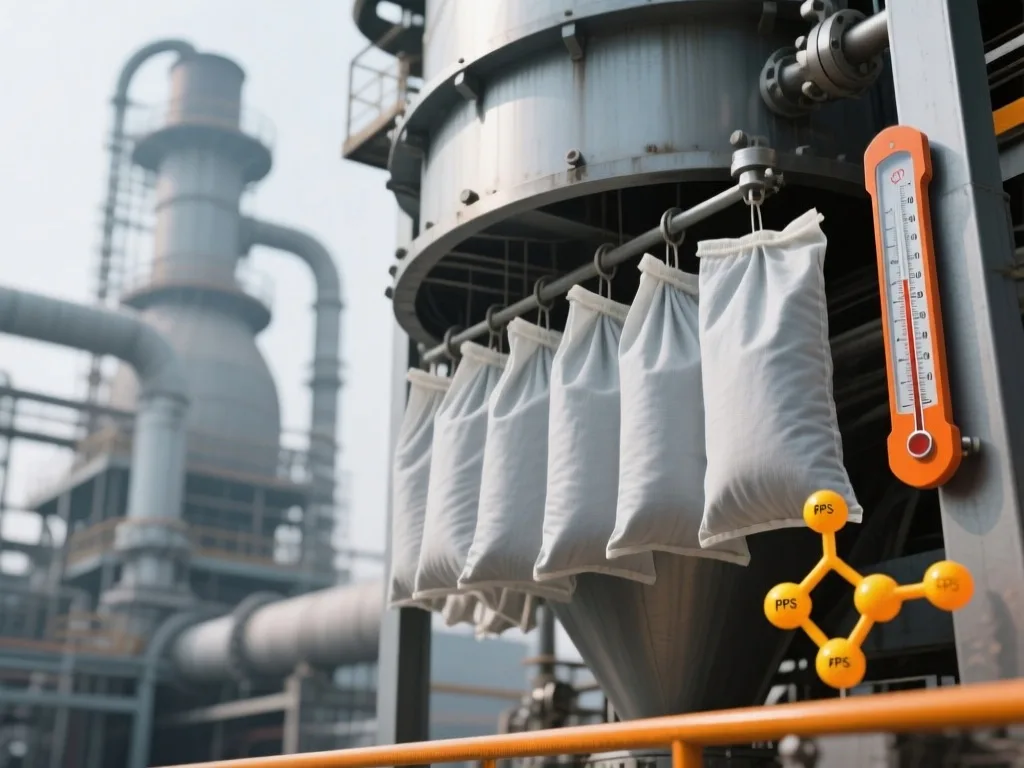
Temperature resistance is a key performance indicator for PPS filter bags, as it directly affects their ability to withstand high-temperature environments without degrading. Standard PPS filter bags typically offer temperature resistance up to 190°C (374°F), making them suitable for many industrial applications. However, for industries that operate at even higher temperatures, such as cement production or metallurgy, specialized PPS filter bags with enhanced temperature resistance up to 240°C (464°F) are available. These high-temperature-resistant bags are often treated with special coatings or additives to improve their thermal stability and prevent premature failure. For example, in the cement industry, where the filtration process involves extremely high temperatures, using a PPS filter bag with inadequate temperature resistance can lead to rapid degradation, increased downtime, and higher maintenance costs. On the other hand, selecting a bag with the right temperature resistance ensures consistent performance and extends the bag’s lifespan, ultimately saving money and improving operational efficiency. For more detailed insights on the performance of PPS filter bags at high temperatures, refer to this comprehensive study.
Chemical Resistance: Ensuring Longevity in Harsh Environments
Chemical resistance is another vital aspect to consider when choosing a PPS filter bag. Different industries expose filter bags to a wide range of chemicals, from acidic gases in chemical processing plants to alkaline substances in wastewater treatment facilities. PPS filter bags are inherently resistant to many chemicals, including acids, alkalis, and organic solvents, but their resistance levels can vary depending on the specific formulation and treatment of the bag. For instance, in the chemical processing industry, where corrosive gases and liquids are prevalent, selecting a PPS filter bag with superior chemical resistance is essential to prevent chemical attack and ensure long-term performance. Some PPS filter bags are treated with fluorochemicals or other chemical-resistant coatings to enhance their resistance to specific chemicals, making them ideal for use in highly corrosive environments. By understanding the chemical resistance properties of different PPS filter bag types, you can make an informed decision that protects your equipment and ensures reliable filtration.
Implications for Specific Industries
The temperature and chemical resistance of PPS filter bags have far-reaching implications for various industries. In the power generation sector, where coal-fired boilers produce flue gas with high temperatures and corrosive components, using a PPS filter bag with excellent temperature and chemical resistance is crucial to maintain efficient filtration and prevent equipment damage. Similarly, in the incineration industry, where waste is burned at high temperatures, selecting a PPS filter bag that can withstand the thermal and chemical stresses is essential to ensure safe and effective operation. For industries like pharmaceuticals and food processing, where cleanliness and purity are paramount, choosing a PPS filter bag with high chemical resistance helps prevent contamination and ensures product quality. For further information on the industrial applications of PPS filter bags, you can explore this research article. By considering the specific requirements of your industry and selecting a PPS filter bag with the right temperature and chemical resistance properties, you can optimize your filtration system’s performance and reduce operational costs.
Analyzing the Expected Lifespan of PPS Filter Bags
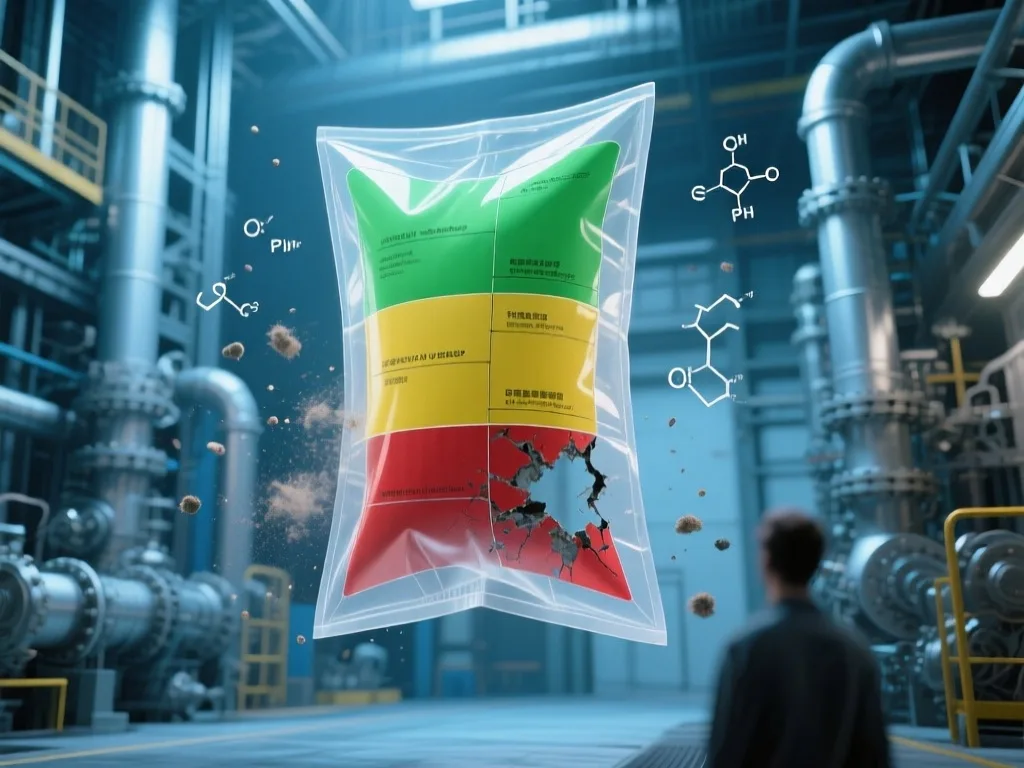
When it comes to industrial filtration, understanding the expected lifespan of PPS filter bags is crucial for buyers looking to manage long-term costs effectively. The lifespan of a PPS filter bag isn’t just a number; it’s a reflection of multiple factors working in tandem. From the quality of the material used to the specific conditions under which the bag operates, and even how well it’s maintained, every detail plays a role in determining how long your PPS filter bag will last. So, how do you, as a buyer, make sense of all this? Let’s break it down.
Material Quality: The Foundation of Durability
First things first, the quality of the material used in your PPS filter bag is non-negotiable. High-quality PPS fibers are engineered to withstand harsh environments, including high temperatures and corrosive chemicals. But not all PPS materials are created equal. Some manufacturers might cut corners, using lower-grade fibers that degrade faster under stress. This not only shortens the lifespan of your filter bag but also compromises its filtration efficiency over time. For deeper insights into material science and its impact on filtration, consider reviewing studies such as the one found at Sciencedirect on material science. So, when you’re shopping around, don’t be afraid to ask for detailed specifications on the material quality. Look for PPS filter bags that boast high tensile strength, excellent thermal stability, and resistance to chemical attack. These are the hallmarks of a durable, long-lasting filter bag.
Usage Conditions: The Make-or-Break Factor
Next up, usage conditions. Think of your PPS filter bag as a worker in a factory. Just like a human worker, its performance and lifespan are heavily influenced by the environment it operates in. If your application involves high temperatures, you’ll need a PPS filter bag that can handle the heat without breaking down. Similarly, if you’re dealing with corrosive chemicals, you’ll want a bag that’s resistant to chemical attack. But it’s not just about the extremes. Even everyday factors like dust load, airflow velocity, and moisture levels can impact the lifespan of your filter bag. For instance, a high dust load can cause clogging, increasing pressure drop and putting extra strain on the bag. Over time, this can lead to premature failure. For more information on the industrial filtration market and its challenges, refer to Markets and Markets report. So, it’s essential to assess your usage conditions carefully and choose a PPS filter bag that’s up to the task.
Maintenance Practices: The Key to Longevity
Now, let’s talk about maintenance. You might think that once you’ve installed your PPS filter bag, your job is done. But nothing could be further from the truth. Regular maintenance is the secret to extending the lifespan of your filter bag and keeping it performing at its best. This includes routine inspections to check for signs of wear and tear, cleaning to remove accumulated dust and debris, and timely replacements when necessary. But maintenance isn’t just about reacting to problems; it’s also about preventing them. By implementing a proactive maintenance strategy, you can identify potential issues before they become major headaches. For example, regular cleaning can prevent clogging and reduce pressure drop, extending the life of your filter bag. Similarly, timely replacements can prevent catastrophic failures that could shut down your entire filtration system. For a comprehensive understanding of baghouse maintenance, see Baghouse Maintenance Guide. So, don’t neglect maintenance; it’s the key to getting the most out of your PPS filter bag.
Estimating Long-Term Costs: A Holistic Approach
Now that we’ve covered the factors influencing the lifespan of PPS filter bags, let’s talk about how to estimate long-term costs. It’s not just about the initial purchase price; it’s about the total cost of ownership over the lifespan of the filter bag. This includes the cost of the bag itself, as well as any maintenance, replacement, and downtime costs associated with its use. To get a more accurate estimate, consider conducting a life cycle cost analysis (LCCA). This involves calculating the present value of all costs associated with the filter bag over its expected lifespan, including initial investment, operating costs, maintenance costs, and disposal costs. For a detailed cost analysis framework, you can refer to UNH Costing Summaries. By taking a holistic approach, you can make more informed purchasing decisions that balance upfront costs with long-term savings. And remember, investing in high-quality PPS filter bags and implementing a proactive maintenance strategy can pay off in the long run by reducing downtime, improving efficiency, and extending the lifespan of your filtration system.
Choosing the right PPS filter bag involves evaluating several key performance indicators, including filtration efficiency, temperature and chemical resistance, and expected lifespan. By understanding these factors, you can select a PPS filter bag that meets your specific industrial needs, ensuring optimal performance and cost savings over time. If you’re still unsure about which PPS filter bag is best for your application, consider consulting with a trusted supplier to explore tailored solutions. What other filtration challenges are you facing in your industry?