
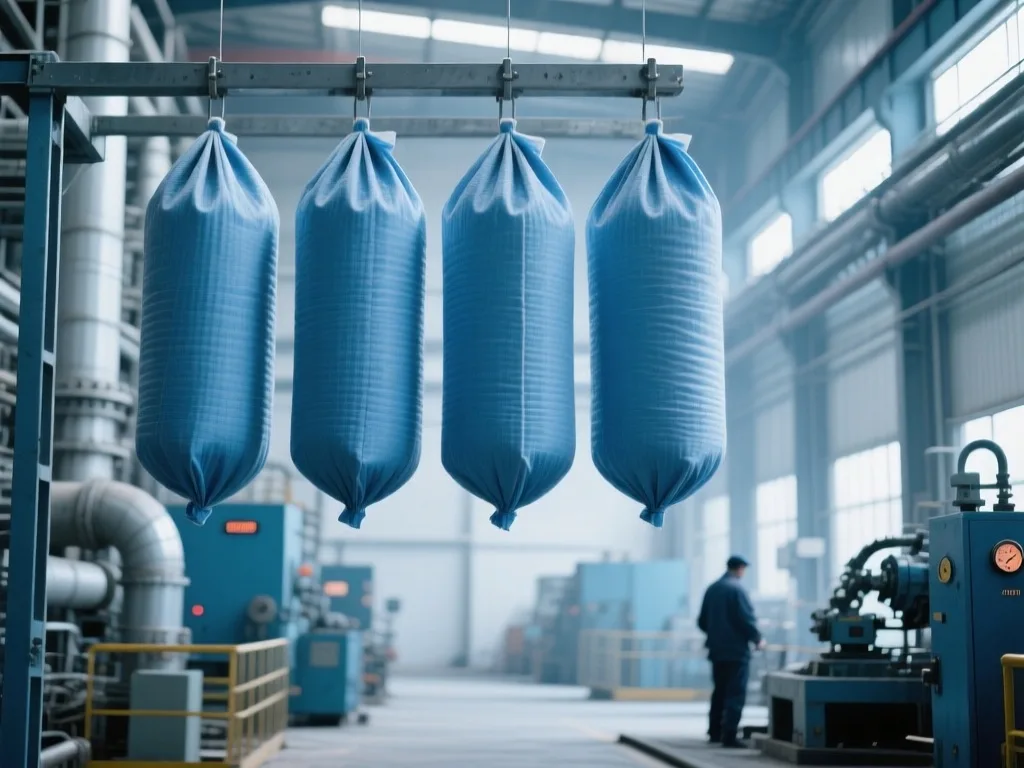
Selecting the right filtration solution for your industrial needs can be challenging, especially with the wide variety of options available. Aramid filter bags stand out as a top choice for many professionals due to their exceptional performance and durability. But how do you ensure you’re choosing the best Aramid filter bag for your specific industry? This guide will walk you through the critical factors—material quality, filtration efficiency, and temperature resistance—that determine the success of your filtration system. Are you ready to make an informed decision that enhances your operations?
Material Quality: How Aramid Grades Impact Performance and Durability
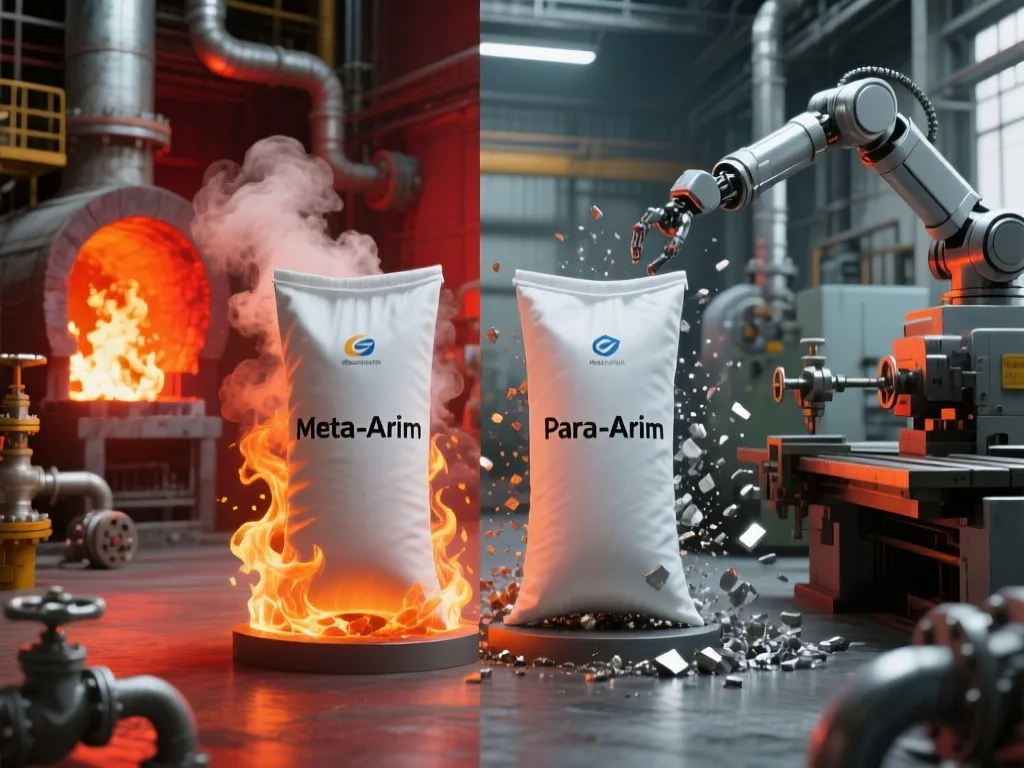
When it comes to selecting the right Aramid filter bag for your industrial filtration needs, understanding the nuances of material quality is essential. Aramid fibers, known for their exceptional strength and heat resistance, come in various grades, each tailored to specific applications and operating conditions. But how exactly do these different grades affect the performance and durability of your Aramid filter bag? Let’s dive in and explore the critical factors you need to consider. First, it’s important to recognize that not all Aramid fibers are created equal. The two most common grades you’ll encounter are meta-Aramid (often referred to by its brand name, Nomex) and para-Aramid (known as Kevlar). Each grade has unique properties that influence how well the filter bag performs in different environments. Meta-Aramid, for instance, excels in applications involving moderate to high temperatures and chemical exposure. Its inherent flame resistance and thermal stability make it ideal for industries like cement manufacturing, power generation, and asphalt production, where temperatures can soar, and corrosive substances are present. On the other hand, para-Aramid offers superior tensile strength and abrasion resistance. This makes it the go-to choice for applications involving high mechanical stress or where the filter bag needs to withstand frequent cleaning cycles, such as in metal processing or food manufacturing. Understanding these fundamental differences is the first step in selecting the right Aramid grade for your needs.
Meta-Aramid: The All-Rounder for High-Temperature Applications
Meta-Aramid fibers, like Nomex, are renowned for their ability to maintain structural integrity at elevated temperatures. They can typically withstand continuous operating temperatures of up to 200°C (392°F) and short-term exposure to even higher temperatures without significant degradation. This thermal stability is crucial in industries where heat is a constant factor, such as in incinerators, kilns, or dryers. But temperature resistance is just one part of the equation. Meta-Aramid also offers excellent chemical resistance, making it suitable for filtering aggressive gases or particulates. Its low flammability further enhances safety in environments where fire hazards are a concern. For a deeper understanding of how meta-Aramid fibers compare to other materials in terms of performance, you can refer to this research study. However, it’s worth noting that while meta-Aramid is robust, it’s not as strong as para-Aramid when it comes to tensile strength. This means that in applications with extreme mechanical stress, you might need to consider a different grade or a reinforced construction to ensure longevity.
Para-Aramid: The Powerhouse for Mechanical Durability
If your primary concern is mechanical durability, para-Aramid (Kevlar) is likely the better choice. This grade boasts an impressive tensile strength that’s several times higher than that of meta-Aramid, making it incredibly resistant to tearing, puncturing, and abrasion. This is particularly valuable in industries like metalworking, where sharp particles or heavy dust loads can quickly wear down lesser materials. Para-Aramid also retains much of its strength at high temperatures, though its continuous operating range is slightly lower than meta-Aramid, typically around 180°C (356°F). However, what it lacks in absolute temperature resistance, it makes up for in resilience under dynamic conditions. For example, in pulse-jet cleaning systems, where filter bags are subjected to rapid pressure changes, para-Aramid’s toughness ensures it can handle the stress without failing prematurely. For more insights into the performance of para-Aramid fibers under impact testing, you can explore this benchmarking report. This durability translates to longer service life and reduced replacement costs, which can be a significant advantage in high-throughput operations.
Blends and Treatments: Enhancing Aramid Performance Further
While pure meta- and para-Aramid grades offer excellent performance in their respective areas, many manufacturers take things a step further by creating blended fabrics or applying special treatments to enhance specific properties. For instance, blending Aramid with other fibers like PPS (polyphenylene sulfide) or PTFE (polytetrafluoroethylene) can create a filter bag that combines the best of both worlds: Aramid’s strength with the chemical resistance of PPS or the non-stick properties of PTFE. Surface treatments are another way to boost performance. Hydrophobic or oleophobic coatings can prevent moisture or oil from clogging the filter media, improving airflow and reducing maintenance needs. Antistatic treatments are also common, especially in industries handling combustible dusts, to minimize the risk of static discharge and potential explosions. When evaluating Aramid filter bags, don’t overlook these enhanced options. They can provide tailored solutions that address the unique challenges of your specific application, offering better performance and longer life than standard grades alone. For further reading on the properties and applications of aramid fibers, you may find this chapter useful.
Factors Influencing Aramid Filter Bag Longevity
Beyond the inherent properties of the Aramid grade itself, several other factors influence how long your filter bag will last in real-world conditions. One of the most critical is the operating environment. Even the toughest para-Aramid bag will degrade faster if exposed to temperatures beyond its rating or to chemicals it’s not resistant to. Always match the bag’s specifications to your process conditions. Cleaning methods also play a role. Pulse-jet cleaning, while effective, can be more abrasive than reverse-air or mechanical shaking systems. If you’re using pulse-jet, opt for a para-Aramid bag or a reinforced meta-Aramid option to withstand the stress. Proper installation and maintenance are equally important. Ensure the bags are fitted correctly to prevent abrasion against cage wires or other components. Regular inspections can catch early signs of wear, allowing you to replace bags before they fail completely and cause unplanned downtime. Finally, consider the total cost of ownership, not just the initial purchase price. A higher-quality Aramid bag might cost more upfront but could last significantly longer, offering better value over time. This is especially true in harsh environments where cheaper alternatives might need frequent replacement. For more information on the performance of aramid fibers in industrial settings, you can refer to this article.

Exploring Filtration Efficiency in Aramid Filter Bags
When it comes to industrial filtration, the efficiency of your Aramid filter bag can make or break your operation. But what exactly does filtration efficiency mean, and how can you measure and compare it among different Aramid filter bags? Let’s dive deep into this crucial aspect to ensure you’re making the most informed decision for your industrial needs. Filtration efficiency refers to the ability of a filter bag to capture and retain particles of a specific size from the gas or liquid stream passing through it. In the context of Aramid filter bags, this efficiency is influenced by several factors, including the material’s quality, the weave pattern, and the surface treatment applied to the fibers. Understanding these elements is key to selecting the right Aramid filter bag for your application.
Measuring Filtration Efficiency
To accurately measure the filtration efficiency of an Aramid filter bag, you’ll need to conduct a series of tests that simulate real-world operating conditions. One common method is the DOP (Dioctyl Phthalate) test, which involves challenging the filter with a known concentration of submicron particles and measuring the penetration rate. This test provides a percentage efficiency rating, indicating how well the filter captures particles of a specific size. When comparing Aramid filter bags, look for manufacturers that provide detailed test reports and efficiency ratings. These documents should outline the testing conditions, the particle size distribution used, and the resulting efficiency percentages. This transparency allows you to make direct comparisons between products and select the one that best meets your filtration requirements.
Factors Influencing Efficiency Ratings
Several factors can influence the efficiency ratings of Aramid filter bags, making it essential to understand these variables when making your selection. First, the quality of the Aramid fibers plays a significant role. Higher-grade Aramid, such as meta-aramid (e.g., Nomex) or para-aramid (e.g., Kevlar), offers superior strength and thermal stability, which can translate to better filtration performance over time. The weave pattern of the filter bag also affects efficiency. Tighter weaves generally provide higher filtration efficiency but may come at the cost of increased pressure drop and reduced airflow. Manufacturers often balance these factors to create a weave that offers optimal performance for specific applications. Surface treatments, such as singeing or glazing, can further enhance filtration efficiency by reducing fiber migration and preventing particle penetration through the filter matrix. These treatments create a smoother surface that captures particles more effectively, improving overall efficiency.
Comparing Efficiency Ratings Across Brands
When comparing Aramid filter bags from different manufacturers, it’s crucial to look beyond the headline efficiency rating and consider the testing conditions and standards used. Not all efficiency tests are created equal, and variations in particle size distribution, flow rates, and test durations can lead to different results. To make a fair comparison, ensure that the filters you’re evaluating were tested under similar conditions and according to the same standards. This might mean requesting additional test data from manufacturers or consulting industry experts who can interpret the results accurately. For more information on filter class conversion between different standards, you can refer to this resource. It’s also worth considering the long-term efficiency of the filter bags. Some filters may start with high efficiency ratings but degrade quickly under real-world conditions, leading to increased maintenance costs and reduced performance over time. Look for filters that maintain their efficiency ratings over extended periods, as this indicates a more durable and reliable product.
Real-World Applications and Efficiency
In real-world industrial applications, the efficiency of an Aramid filter bag can be influenced by factors such as the type of dust or particulate being filtered, the operating temperature, and the presence of moisture or chemicals. For example, in high-temperature applications, the thermal stability of the Aramid fibers becomes critical, as excessive heat can cause the fibers to degrade and lose their filtration efficiency. Similarly, in chemical processing environments, the filter bag’s resistance to chemical attack is essential to maintaining long-term efficiency. When selecting an Aramid filter bag for your specific application, consider consulting with the manufacturer or a filtration expert to ensure that the filter’s efficiency ratings are suitable for your operating conditions. They can provide guidance on the best filter material, weave pattern, and surface treatment for your needs, helping you achieve optimal filtration performance and longevity.
Examining Temperature Resistance: Selecting the Right Aramid Filter Bags
When it comes to industrial filtration, temperature resistance is a game-changer. You might be wondering, why is this so crucial? Well, imagine operating in an environment where temperatures soar or plummet unexpectedly. The wrong choice in filter bags could lead to catastrophic failures, costly downtime, and even safety hazards. That’s why understanding and selecting Aramid filter bags that can withstand specific industrial temperatures is paramount. Let’s dive into the essentials of temperature resistance and how to choose the best Aramid filter bag for your needs.
Understanding Temperature Ratings
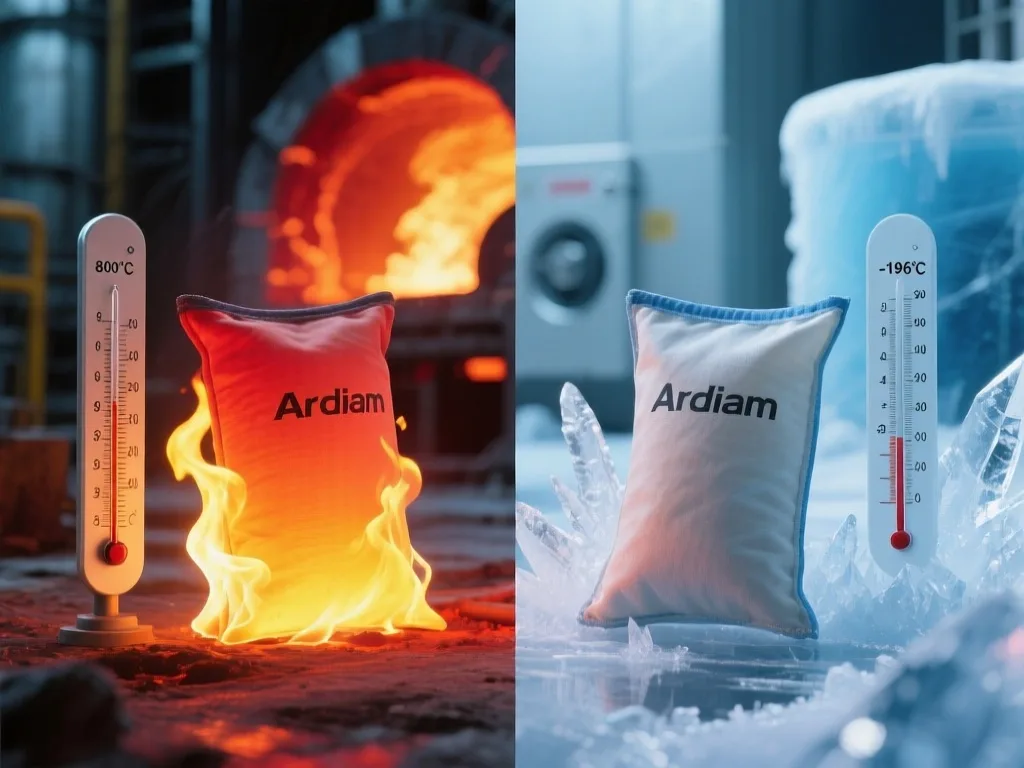
First things first, what do temperature ratings really mean? Aramid filter bags come with specific temperature resistance ratings, indicating the maximum and minimum temperatures they can handle without degrading. These ratings are typically provided in degrees Celsius or Fahrenheit and are crucial for ensuring the bag’s performance in your specific industrial setting. For instance, if you’re working in a high-temperature environment like a cement kiln or a steel mill, you’ll need a bag that can withstand temperatures well above 200°C. On the other hand, if you’re dealing with cryogenic applications, you’ll need a bag that remains stable at extremely low temperatures. For more scientific insights on temperature resistance, refer to this research article.
Factors Influencing Temperature Resistance
Several factors influence the temperature resistance of Aramid filter bags. The quality of the Aramid fibers used is a primary determinant. Higher-grade Aramid fibers, such as those used in premium filter bags, offer superior thermal stability and can withstand higher temperatures without breaking down. Additionally, the manufacturing process plays a significant role. Bags that undergo rigorous heat treatment during production tend to have better temperature resistance. The bag’s construction, including the type of stitching and the presence of any coatings or treatments, also affects its ability to withstand extreme temperatures.
Selecting the Right Aramid Filter Bag for Your Temperature Needs
So, how do you go about selecting the right Aramid filter bag for your specific temperature requirements? Start by identifying the temperature range in your industrial setting. This will give you a clear idea of the minimum and maximum temperatures the bag needs to handle. Next, consider the duration of exposure to these temperatures. Some bags may be able to withstand short bursts of high temperatures but may degrade quickly if exposed continuously. Look for bags with a proven track record in similar temperature environments. Consulting with manufacturers or suppliers who have experience in your industry can provide valuable insights. Additionally, consider the bag’s overall performance characteristics, such as filtration efficiency and durability, as these factors can also be influenced by temperature.
Case Studies: Temperature Resistance in Action
To better understand the importance of temperature resistance, let’s look at a couple of real-world examples. In a cement plant, where temperatures can exceed 250°C, using standard filter bags would result in frequent failures and high replacement costs. By switching to high-temperature-resistant Aramid filter bags, the plant was able to reduce downtime and maintenance costs significantly. Similarly, in a cryogenic storage facility, where temperatures can drop to -196°C, using Aramid filter bags specifically designed for low-temperature applications ensured reliable performance and prevented costly leaks.
Maintenance Tips for Temperature-Resistant Aramid Filter Bags
Even the best Aramid filter bags require proper maintenance to ensure optimal performance and longevity, especially when dealing with extreme temperatures. Regular inspections are crucial to identify any signs of wear or damage early on. Cleaning the bags according to the manufacturer’s recommendations can also help extend their lifespan. In high-temperature environments, avoid sudden temperature changes, as this can cause thermal shock and damage the bag. Similarly, in low-temperature settings, ensure the bags are properly acclimated before use to prevent brittleness.
Choosing the right Aramid filter bag involves evaluating material quality, filtration efficiency, and temperature resistance to ensure optimal performance and longevity. By understanding these key factors, you can confidently select a bag that meets your industry’s unique demands. Remember, the best Aramid filter bag for your needs is one that balances cost, durability, and efficiency. If you’re ready to explore high-quality options, check out our selection of top-rated Aramid filter bags designed for various industrial applications. What other filtration challenges are you looking to solve?