
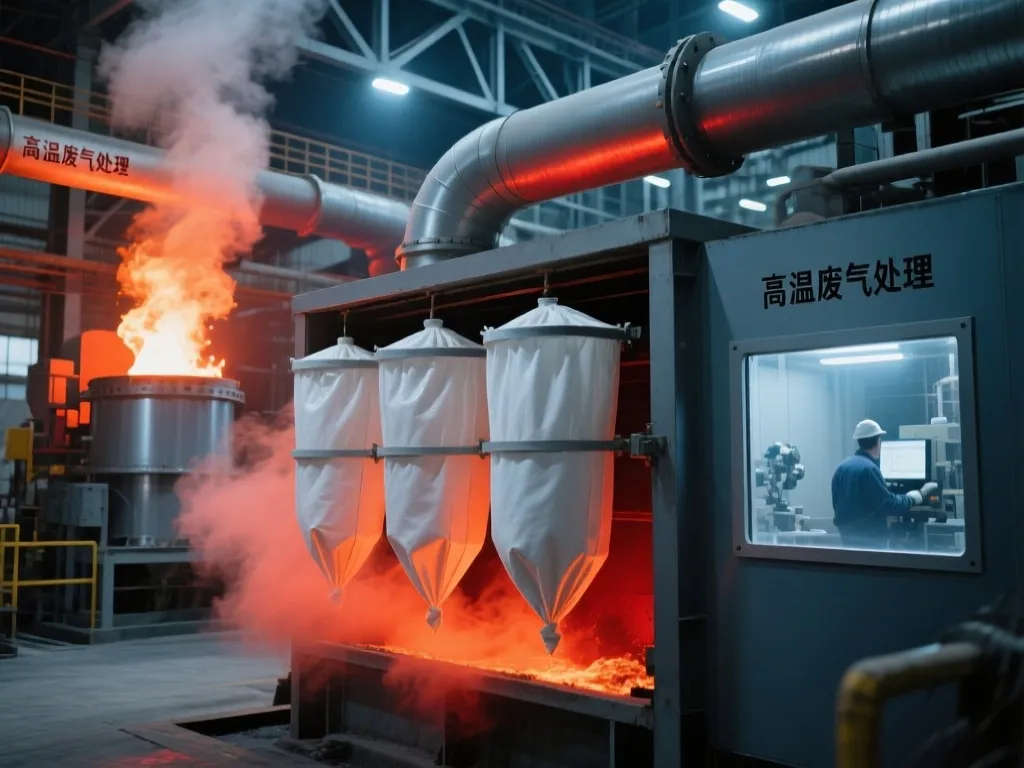
When the mercury soars and your industrial filters face the ultimate test, one material stands out: PTFE. But what makes PTFE filter bags the go-to choice for high-temperature applications? Whether you’re battling molten metal in steel smelting or corrosive gases in waste incineration, picking the right filter isn’t just about survival—it’s about thriving under pressure. Let’s dive into why PTFE filter bags are your secret weapon and how to choose the perfect one for your extreme conditions.
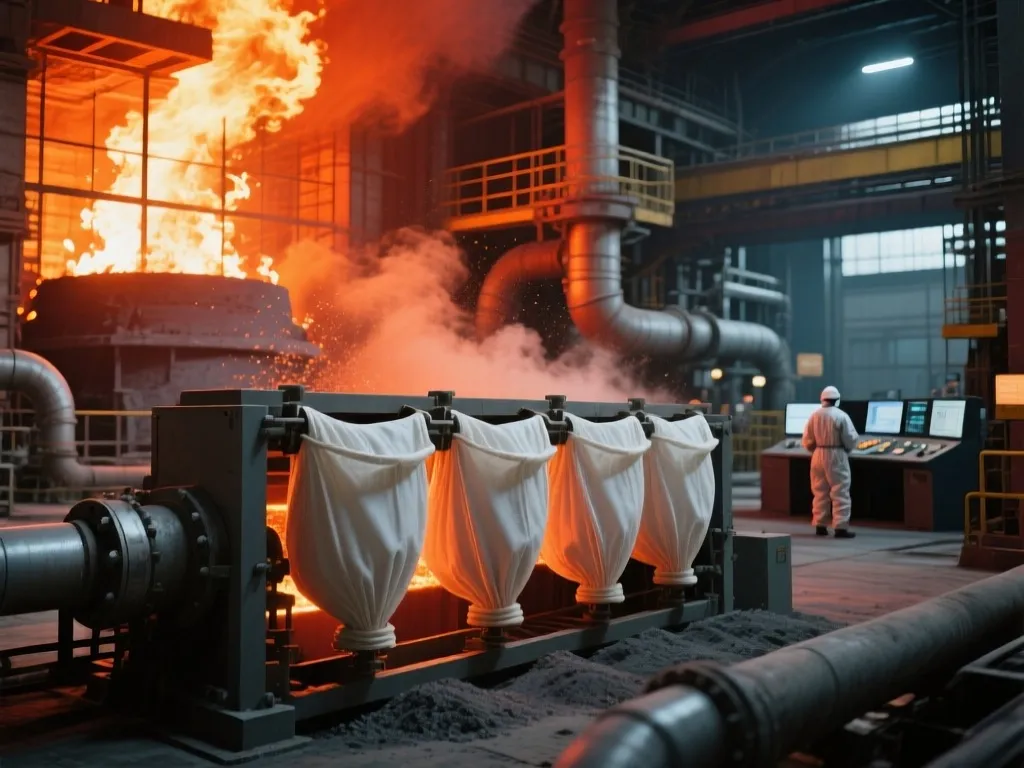
Decoding the High-Temperature Resistance of PTFE Filter Bags: Understanding Their Chemical Stability and Physical Strength
When it comes to industrial filtration in extreme heat environments, PTFE filter bags stand out as a beacon of reliability. But what exactly makes these bags so resilient in the face of scorching temperatures? Let’s dive deep into the science behind PTFE’s remarkable high-temperature resistance. First and foremost, PTFE, or polytetrafluoroethylene, is a fluoropolymer known for its exceptional thermal stability. This stability stems from the strong carbon-fluorine (C-F) bonds that form the backbone of its molecular structure. These bonds are incredibly resistant to breaking down, even under intense heat, which means PTFE maintains its integrity far beyond the capabilities of many other materials.
Now, you might be wondering, how does this translate into real-world performance? Well, let’s consider the chemical stability aspect. In high-temperature applications, the risk of chemical reactions increases significantly. Many materials can degrade or react with gases and particles present in the air, leading to a loss of filtration efficiency and even structural failure. PTFE, however, is chemically inert. This means it doesn’t readily react with most substances, ensuring that its filtration properties remain consistent even when exposed to harsh chemicals at elevated temperatures. For a more in-depth understanding of chemical inertness in industrial materials, you can refer to this scientific explanation on chemical inertness.
But chemical stability is only half the story. Physical strength is equally crucial in high-temperature environments. PTFE filter bags exhibit excellent tensile strength and flexibility, allowing them to withstand the mechanical stresses associated with high-temperature filtration processes. Whether it’s the expansion and contraction caused by temperature fluctuations or the physical abrasion from particles in the air stream, PTFE bags can handle it all without compromising their structural integrity.
To put this into perspective, let’s look at a practical example. Imagine a steel smelting plant where temperatures can soar to several hundred degrees Celsius. In such an environment, traditional filter bags would quickly degrade, leading to frequent replacements and costly downtime. PTFE filter bags, on the other hand, can operate continuously at these high temperatures without significant degradation, ensuring uninterrupted production and reducing maintenance costs.
Moreover, PTFE’s low coefficient of friction plays a vital role in its high-temperature performance. This property reduces the likelihood of particles adhering to the filter bag’s surface, which can cause clogging and reduce airflow. In high-temperature applications, where the risk of particle buildup is even higher due to increased viscosity and reactivity, PTFE’s non-stick nature becomes a significant advantage. It ensures that the filter bag remains clean and efficient, even under the most challenging conditions.
In summary, PTFE filter bags owe their high-temperature resistance to a combination of factors: strong C-F bonds that provide thermal stability, chemical inertness that prevents reactions with harsh substances, excellent physical strength to withstand mechanical stresses, and a low coefficient of friction that reduces particle adhesion. These properties make PTFE filter bags an ideal choice for industries that demand reliable filtration in extreme heat environments, such as steel smelting, waste incineration, and chemical processing. So, if you’re facing the challenge of selecting the right filter bag for your high-temperature application, PTFE should definitely be at the top of your list. Its proven track record and exceptional performance make it a worthy investment that will pay off in terms of reduced maintenance, increased efficiency, and longer service life.
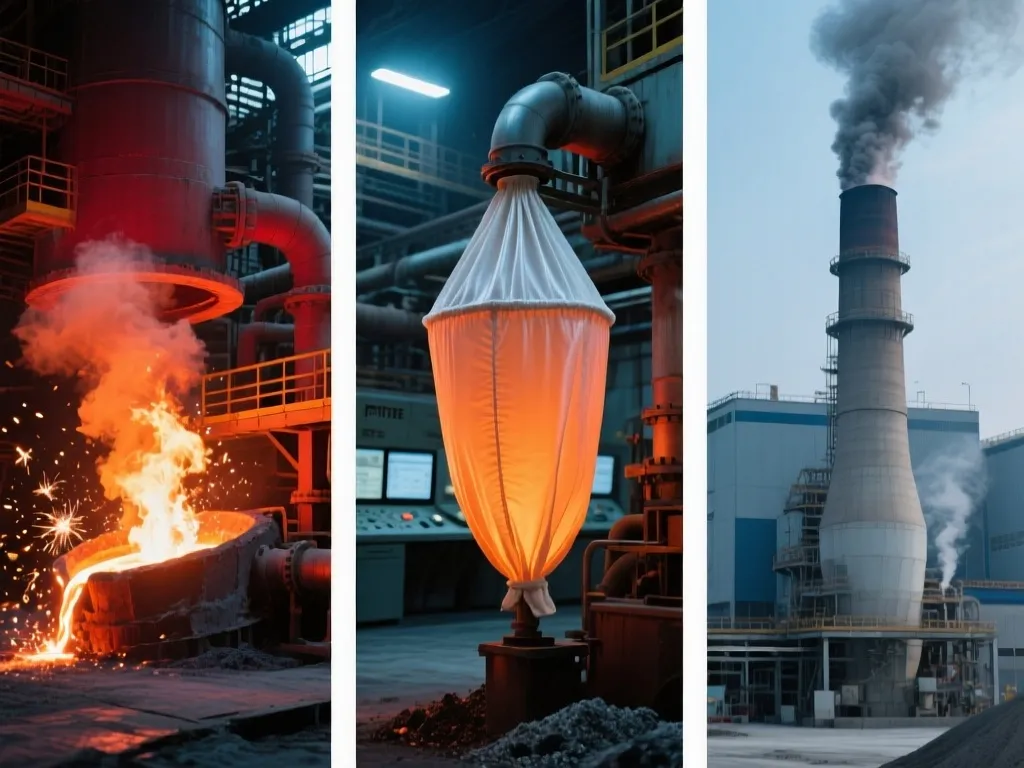
High-Temperature Battlefields: PTFE Filter Bags in Action Across Industries
When it comes to high-temperature applications, PTFE filter bags are like the unsung heroes, quietly but effectively handling the toughest conditions. Let’s dive into some real-world scenarios where these bags shine, and understand what makes them the go-to choice for engineers and plant managers. First up, steel smelting. This is a process that generates extreme heat, with temperatures often soaring above 1,000°C. In such an environment, traditional filter bags would quickly degrade, losing their structural integrity and filtering efficiency. But PTFE filter bags? They thrive here. Their unique molecular structure allows them to withstand these scorching temperatures without breaking down. Plus, they’re chemically inert, meaning they won’t react with the corrosive gases and particles produced during smelting. This makes them ideal for capturing fine dust and fumes, ensuring cleaner air emissions and protecting worker health. Now, let’s talk about waste incineration plants. These facilities burn municipal solid waste at high temperatures to reduce volume and generate energy. But the process also releases a cocktail of harmful pollutants, including heavy metals, dioxins, and furans. PTFE filter bags play a crucial role here by capturing these pollutants before they can escape into the atmosphere. The high-temperature resistance of PTFE ensures that the bags remain effective even when the flue gas temperature spikes. And their smooth surface prevents particles from sticking, reducing the risk of clogging and improving overall system efficiency. Another industry where PTFE filter bags excel is cement production. The clinkerization process, where raw materials are heated to form clinker, generates temperatures around 1,450°C. At these temperatures, even the toughest materials can struggle. But PTFE filter bags, with their exceptional thermal stability, keep on filtering, capturing dust and particulates that would otherwise be released into the environment. This not only helps meet environmental regulations but also improves the quality of the final product by preventing contamination. But it’s not just about withstanding high temperatures. In each of these scenarios, PTFE filter bags face unique challenges. In steel smelting, for example, they must also handle the abrasive nature of the dust, which can wear down lesser materials. In waste incineration, they need to resist the acidic gases produced during combustion. And in cement production, they must cope with the alkaline environment of the raw materials. PTFE’s chemical inertness and durability make it the perfect material to meet these diverse demands. So, how do you choose the right PTFE filter bag for your high-temperature application? It starts with understanding the specific conditions of your process. What’s the maximum temperature the bag will face? What kind of particles or gases will it be filtering? Are there any corrosive or abrasive elements to consider? Once you have a clear picture of your needs, you can start evaluating different PTFE filter bag options. Look for bags with a high temperature resistance rating, ensuring they can handle the heat without compromising performance. Consider the bag’s construction, including the type of fabric and any coatings or treatments that might enhance its durability or filtering efficiency. And don’t forget about the brand reputation. Choosing a reputable manufacturer ensures you’re getting a high-quality product that’s been rigorously tested and proven in real-world conditions.
Steel Smelting: Where Heat Meets Corrosion
In steel smelting, the combination of extreme heat and corrosive gases makes it a harsh environment for any filter bag. PTFE’s ability to withstand both high temperatures and chemical attack makes it the ideal choice. The bags must be able to capture fine dust particles while resisting degradation from the acidic gases present in the smelting process. This ensures long-lasting performance and minimal maintenance requirements.
Waste Incineration: Capturing Pollutants at High Temps
Waste incineration plants face the challenge of capturing a wide range of pollutants at high temperatures. PTFE filter bags excel here by providing a barrier that prevents harmful particles and gases from escaping into the atmosphere. Their smooth surface reduces the risk of clogging, while their chemical inertness ensures they won’t react with the pollutants they’re capturing. This makes them a key component in meeting environmental regulations and protecting public health.
Cement Production: Filtering in the Face of Alkalinity
Cement production involves heating raw materials to extremely high temperatures, creating an alkaline environment that can be tough on filter bags. PTFE’s resistance to both heat and chemicals makes it a reliable choice for capturing dust and particulates in this setting. The bags must be able to withstand the abrasive nature of the raw materials while maintaining their filtering efficiency over time. This helps ensure a consistent product quality and reduces the need for frequent bag replacements.
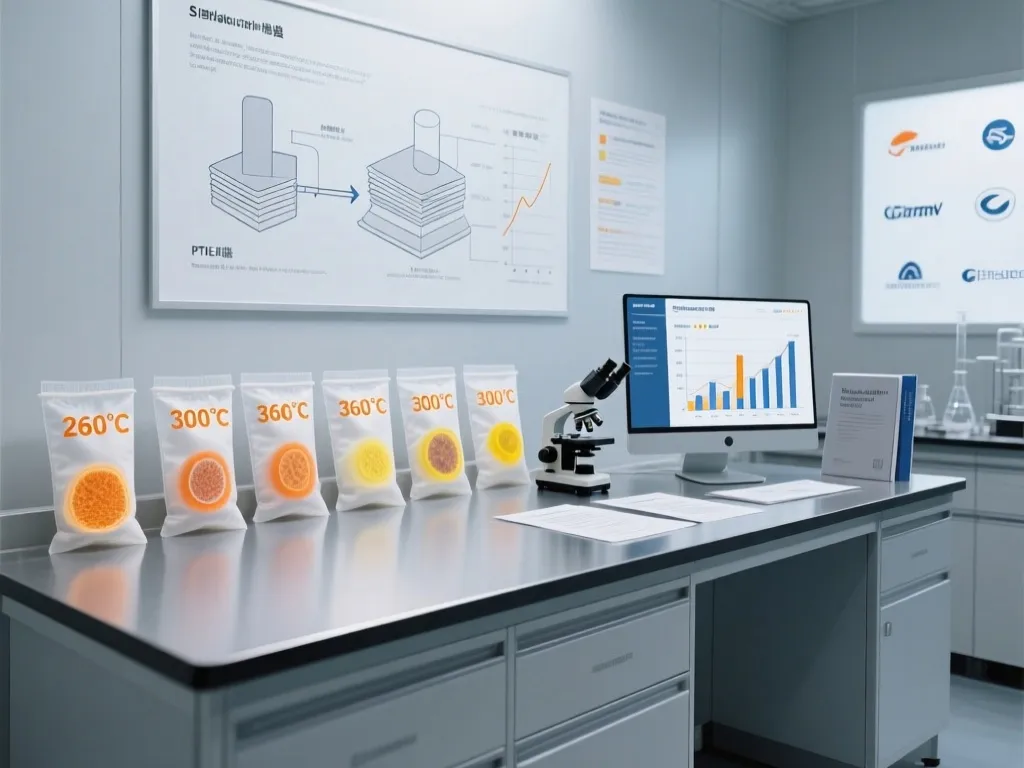
A Systematic Selection Process: Temperature Range Evaluation, Material Comparison, and Brand Reputation Assessment
Choosing the right PTFE filter bag for high-temperature applications isn’t just about picking the first option that comes your way. It requires a systematic approach that takes into account several critical factors. Let’s break down this process into manageable steps to ensure you make an informed decision that aligns perfectly with your industrial needs.
First things first, temperature range evaluation is paramount. PTFE filter bags are renowned for their exceptional temperature resistance, but even within this category, there are variations. Some bags are designed to withstand temperatures up to 260°C (500°F), while others can go even higher, reaching up to 300°C (572°F) or more. So, how do you determine which temperature range is right for you? Start by analyzing your specific industrial process. Are you dealing with continuous high-heat operations like steel smelting, where temperatures can soar and remain consistently high? Or is your application more intermittent, with occasional spikes in temperature, such as in certain chemical processing steps? Understanding your temperature profile is the first step in narrowing down your options.
Next, let’s talk about material comparison. While PTFE is the star of the show, not all PTFE filter bags are created equal. The quality of the PTFE material, its thickness, and the manufacturing process all play a role in the bag’s overall performance. For instance, a thicker PTFE layer might offer better durability and longer service life in abrasive environments, but it could also reduce airflow, impacting your system’s efficiency. On the other hand, a thinner, more flexible PTFE might be ideal for applications where airflow is critical, but it may not hold up as well under extreme physical stress. It’s a delicate balance, and finding the right material composition requires a deep understanding of your operational requirements.
Now, let’s not forget about brand reputation. In the world of industrial filtration, brand reputation speaks volumes. A reputable brand is more likely to use high-quality materials, adhere to strict manufacturing standards, and provide reliable after-sales support. But how do you assess a brand’s reputation? Start by researching online reviews and testimonials from other customers in your industry. Look for patterns in feedback – are there consistent complaints about a particular brand’s product quality or customer service? Conversely, are there glowing reviews praising a brand’s durability and performance? Additionally, consider reaching out to industry peers or consultants for their recommendations. Their firsthand experience can be invaluable in guiding your decision.
But wait, there’s more! Don’t overlook the importance of certifications and compliance. Depending on your industry and location, there may be specific regulations or standards that your PTFE filter bag must meet. For example, in the food and beverage industry, bags may need to be FDA-approved for contact with consumables. In the pharmaceutical sector, compliance with Good Manufacturing Practices (GMP) might be essential. Ensuring your chosen bag meets these requirements not only protects your operation from legal and regulatory risks but also demonstrates your commitment to quality and safety.
Finally, consider the cost-benefit analysis. While it’s tempting to opt for the cheapest option available, remember that in industrial filtration, you often get what you pay for. A lower-priced bag might seem like a bargain initially, but if it fails prematurely or doesn’t perform as expected, the costs associated with downtime, replacement, and potential damage to your equipment can quickly outweigh any initial savings. Instead, focus on finding a bag that offers the best balance of performance, durability, and cost-effectiveness for your specific application.
Temperature Range: Finding Your Sweet Spot
When evaluating temperature ranges, don’t just look at the maximum temperature a bag can withstand. Consider the entire temperature spectrum of your operation, including any fluctuations or spikes. A bag that can handle the peak temperature but struggles at lower temperatures might not be the best fit. Look for a bag with a temperature range that comfortably encompasses your operational needs, with a bit of a buffer for unexpected variations.
Material Matters: Beyond Just PTFE
While PTFE is the core material, some bags incorporate additional layers or coatings to enhance performance. For example, a PTFE bag with a PTFE membrane can offer improved filtration efficiency and reduced pressure drop. Others might have a support layer of polyester or another material to increase strength and durability. Understanding these material combinations and their impact on performance is crucial in making the right choice.
Brand Reputation: Trust but Verify
Building a reputation takes time, and a brand that has been around for decades is likely to have a wealth of experience and knowledge to draw from. However, don’t just rely on age alone. Look for brands that actively engage with their customers, provide transparent information about their products, and are willing to stand behind their quality with warranties or guarantees. This level of commitment is a good indicator of a brand’s reputation and reliability.
There you have it—PTFE filter bags aren’t just filters; they’re your high-temperature allies, engineered to withstand the harshest environments. By understanding their temperature resistance, matching them to your specific industry demands, and following a strategic selection process, you’re not just upgrading your equipment—you’re future-proofing your operations. Ready to transform your filtration game? Explore our range of PTFE filter bags tailored for extreme heat and see the difference a smart choice makes. What high-temperature challenge will you conquer next?