
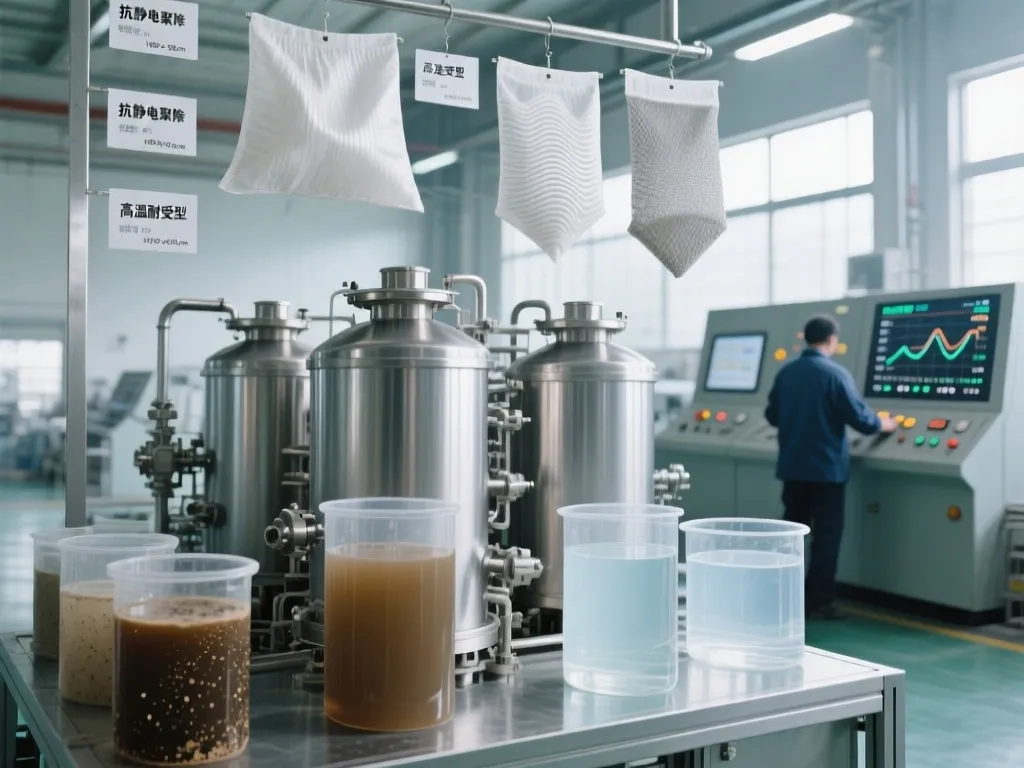
In the industrial world, every drop of efficiency counts. When it comes to filtration, selecting the right Polyester filter bag can make or break your process. But with so many options out there, how do you know which one will truly deliver top-notch performance? This blog dives deep into the factors that influence Polyester filter bag efficiency, from material composition to size specifications. Ready to transform your filtration setup? Let’s get started!
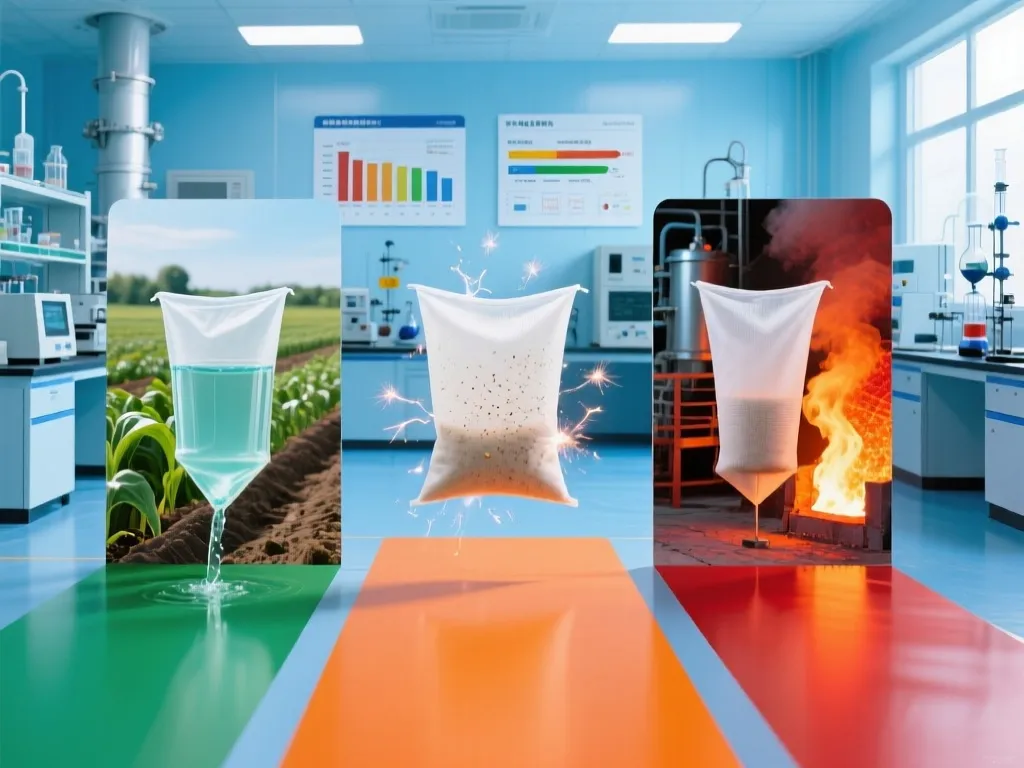
Material Impact on Filtration Efficiency: Exploring How Different Polyester Fiber Materials (Such as Standard Polyester, Antistatic Polyester, etc.) Affect Filtration Efficiency and Their Respective Applicable Filtration Scenarios
When it comes to Polyester filter bags, the material they’re made of isn’t just a minor detail—it’s a game-changer for filtration efficiency. Let’s dive into the world of polyester fibers and see how different types can make or break your filtration process. First up, we have standard polyester. This is your go-to option for many general-purpose filtration needs. Standard polyester filter bags are cost-effective and offer decent filtration efficiency for a wide range of applications. They’re great for filtering out larger particles and are commonly used in industries like food processing, where cleanliness and basic filtration are key. But what if you’re dealing with finer particles or need a higher level of filtration? That’s where advanced polyester materials come into play. Take antistatic polyester, for example. In environments where static electricity can be a problem, like in chemical processing or when handling flammable materials, antistatic polyester filter bags are a must. Static electricity can cause particles to cling to the filter bag, reducing its efficiency and potentially creating a safety hazard. Antistatic polyester, however, is designed to dissipate static charges, keeping the filtration process smooth and safe. Now, let’s talk about high-temperature polyester. Some industrial processes generate a lot of heat, and standard polyester filter bags might not be able to handle it. High-temperature polyester, on the other hand, is engineered to withstand extreme temperatures without losing its structural integrity or filtration efficiency. This makes it ideal for applications like metal smelting or glass manufacturing, where the filtration system needs to operate reliably under intense heat. But how do these different materials actually impact filtration efficiency? Well, it all comes down to the fiber structure and surface properties. Standard polyester has a relatively smooth surface, which is fine for larger particles but might not capture finer ones as effectively. Antistatic polyester, in addition to its static-dissipating properties, often has a more textured surface that can trap smaller particles more efficiently. High-temperature polyester, meanwhile, maintains its fiber structure even at high temperatures, ensuring consistent filtration performance. So, how do you choose the right Polyester filter bag material for your application? It really depends on your specific needs. If you’re dealing with general-purpose filtration and cost is a concern, standard polyester is a solid choice. But if you’re facing challenges like static electricity, high temperatures, or the need for finer filtration, you’ll want to consider antistatic or high-temperature polyester options. For instance, for applications involving chemical processing or flammable materials, exploring antistatic industrial pulse jet baghouse systems could provide valuable insights. Remember, the key to optimal filtration efficiency is matching the filter bag material to your application’s unique requirements. By understanding how different polyester materials affect filtration performance, you can make an informed decision that ensures your filtration system operates at its best.
Standard Polyester: The Versatile Workhorse
Standard polyester filter bags are the unsung heroes of the filtration world. They’re affordable, widely available, and suitable for a broad range of applications. Whether you’re filtering out solid impurities from a liquid stream or capturing airborne particles in a dust collection system, standard polyester can get the job done. Its smooth surface allows for easy cleaning and maintenance, and it can withstand moderate temperatures and chemical exposures without breaking down. This makes it a popular choice for industries like agriculture, where filtration needs can vary widely depending on the specific crop or process.
Antistatic Polyester: Taming the Static Beast
Static electricity might seem like a minor annoyance, but in certain industrial settings, it can be a major headache. When particles become charged, they can stick to surfaces, including your filter bags, reducing their effectiveness and potentially causing blockages. Antistatic polyester filter bags are designed to prevent this by dissipating static charges as they form. This not only improves filtration efficiency but also enhances safety by reducing the risk of sparks that could ignite flammable materials. Industries like pharmaceuticals, where cleanliness and safety are paramount, often rely on antistatic polyester for their filtration needs.
High-Temperature Polyester: Withstanding the Heat
Some industrial processes operate at temperatures that would melt or degrade standard polyester filter bags. That’s where high-temperature polyester comes in. This specialized material is engineered to maintain its strength and filtration properties even at elevated temperatures, making it ideal for applications like metal refining, where molten metal can generate intense heat, or in power plants, where hot gases need to be filtered before being released into the atmosphere. High-temperature polyester filter bags can handle the heat, ensuring your filtration system keeps running smoothly even in the toughest conditions.
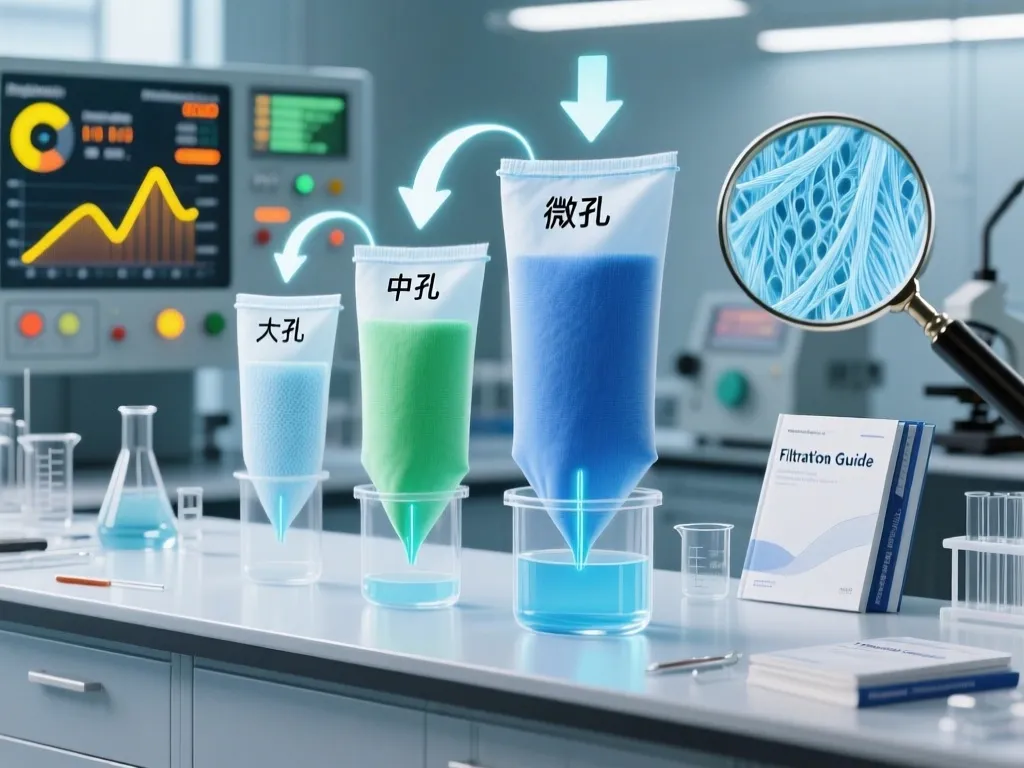
Specifications and Filtration Efficiency: How Filter Bag Size, Pore Size, and Other Parameters Affect Filtration Speed and Precision, with a Selection Guide
When it comes to selecting the right Polyester filter bag for your industrial filtration needs, understanding the relationship between specifications and filtration efficiency is crucial. The size of the filter bag, the pore size, and other parameters can significantly impact both the speed and precision of filtration. Let’s dive into these factors and provide you with a comprehensive selection guide.
Firstly, let’s talk about filter bag size. The size of your Polyester filter bag directly influences the filtration area. A larger filter bag offers a greater surface area for filtration, which means more particles can be captured in a single pass. This translates to faster filtration speeds, especially in high-volume applications. However, it’s essential to balance size with the available space in your filtration system. A bag that’s too large may not fit properly, leading to leaks and reduced efficiency. On the other hand, a smaller filter bag might be more suitable for compact systems but could require more frequent replacements due to faster clogging.
Next up is pore size. The pore size of a Polyester filter bag determines the smallest particle it can capture. Smaller pores provide higher filtration precision, trapping even the tiniest contaminants. This is ideal for applications where purity is paramount, such as in pharmaceuticals or food processing. However, smaller pores also mean slower filtration speeds because the fluid has to pass through a finer mesh. Conversely, larger pores allow for faster filtration but may let some smaller particles slip through, reducing the overall filtration quality. So, how do you choose the right pore size? Consider the nature of the contaminants in your fluid. If you’re dealing with large, easily visible particles, a larger pore size might suffice. But for microscopic impurities, you’ll need a filter bag with smaller pores.
Another important specification to consider is the thickness of the filter bag. Thicker bags generally offer better durability and can withstand higher pressures without bursting. They also tend to have a longer lifespan, reducing the frequency of replacements. However, thicker bags may also have a higher initial pressure drop, which can slightly reduce filtration speed. Thinner bags, while more prone to damage, might offer faster initial filtration speeds but could require more maintenance over time.
Now, let’s talk about the selection guide. When choosing a Polyester filter bag, start by assessing your filtration needs. What’s the volume of fluid you need to filter? What’s the nature and size of the contaminants? How much space do you have in your filtration system? Once you have these answers, you can begin narrowing down your options. For high-volume applications with large contaminants, a larger filter bag with larger pores might be the best choice. For applications requiring high precision, such as in laboratories or cleanrooms, a smaller filter bag with smaller pores would be more suitable. And don’t forget to consider the thickness based on the pressure and durability requirements of your system.
In conclusion, selecting the right Polyester filter bag involves a careful balance of size, pore size, and thickness. By understanding how these specifications affect filtration efficiency, you can make an informed decision that meets your specific needs. Remember, the goal is to achieve optimal filtration speed without compromising on precision. With the right filter bag, you can ensure your industrial processes run smoothly and efficiently.
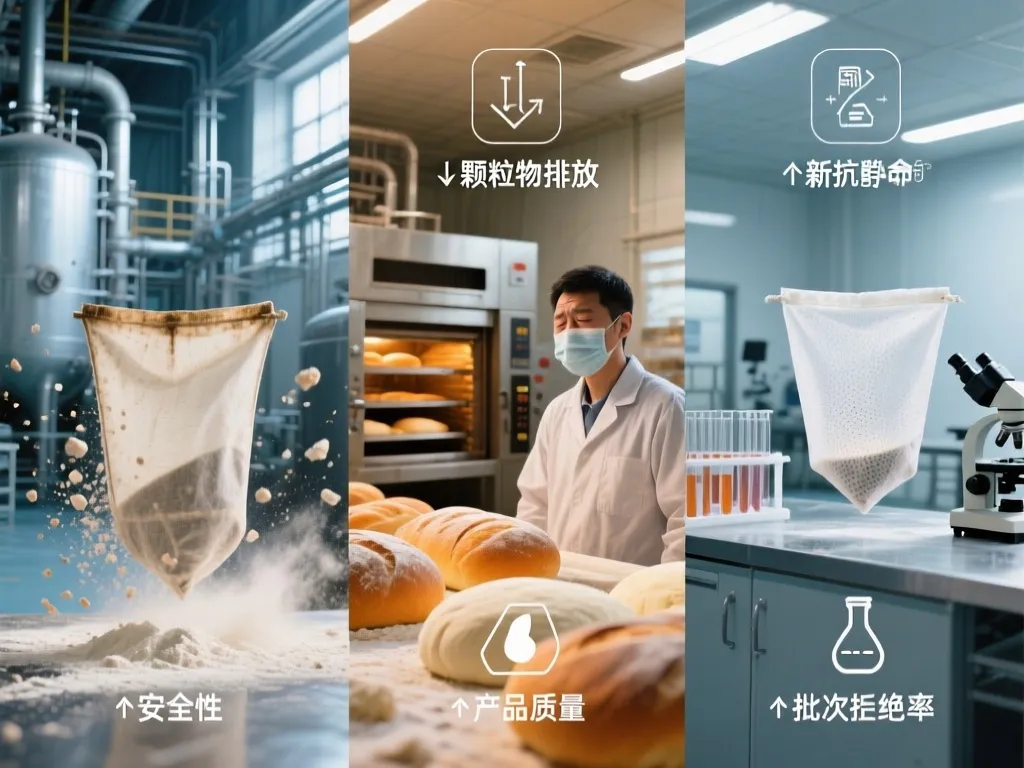
Actual Case Comparison: Real-World Performance of Different Polyester Filter Bags in Filtration Efficiency
Let’s dive right into the heart of the matter: how do different Polyester filter bags perform in real-world filtration scenarios? I’ve gathered a series of compelling industry case studies that’ll shed light on this crucial question, helping you make an informed decision when selecting the right filter bag for your needs. First up, consider the case of a leading chemical manufacturing plant. This facility was grappling with high levels of particulate matter in their waste gas stream, which was not only harming the environment but also leading to frequent maintenance shutdowns due to filter clogging. Initially, they were using a standard Polyester filter bag with a relatively large pore size. While this setup was cost-effective initially, it soon became apparent that the filtration efficiency was lacking, allowing too many fine particles to escape. After consulting with filtration experts, they switched to a high-efficiency Polyester filter bag with a much finer pore size and a specialized surface treatment to enhance particle capture. The result? A dramatic reduction in particulate emissions, coupled with a significant extension in filter bag lifespan due to reduced clogging. Now, let’s shift our focus to the food processing industry, where hygiene and product purity are paramount. A large-scale bakery was facing challenges with airborne flour dust, which was not only a health hazard for workers but also contaminating their finished products. Their initial solution involved a basic Polyester filter bag, which, while somewhat effective, left a lot to be desired in terms of capturing the finest flour particles. Enter the anti-static Polyester filter bag. This innovative solution was designed specifically to tackle the issue of static buildup, which can cause fine particles to cling to the filter bag surface rather than being captured. For a more in-depth look at how anti-static filters work in real-world industrial settings, check out our anti-static industrial pulse jet baghouse. By incorporating anti-static fibers into the filter bag’s construction, the bakery was able to achieve near-perfect filtration of flour dust, ensuring a cleaner working environment and higher product quality. Finally, let’s explore a case from the pharmaceutical industry, where precision and consistency are everything. A pharmaceutical manufacturer was struggling with maintaining the purity of their air supply, which was critical for ensuring the quality of their drug products. Their existing filtration system, which utilized a standard Polyester filter bag, was unable to consistently remove all contaminants, leading to occasional batch rejections. After a thorough evaluation, they upgraded to a Polyester filter bag with a custom pore size distribution and a hydrophobic coating. This specialized filter bag was able to capture even the smallest airborne particles while also repelling moisture, preventing any potential contamination from water droplets. The outcome was a marked improvement in air quality, leading to fewer batch rejections and increased customer satisfaction. These real-world examples clearly demonstrate that the choice of Polyester filter bag can have a profound impact on filtration efficiency. Whether you’re dealing with coarse particulates in a chemical plant, fine flour dust in a bakery, or microscopic contaminants in a pharmaceutical facility, there’s a Polyester filter bag out there that’s perfectly suited to your needs. The key is to understand your specific filtration requirements and select a filter bag that’s designed to meet them head-on.
Chemical Manufacturing Plant Case Study
The chemical plant’s experience highlights the importance of pore size and surface treatment in achieving high filtration efficiency. By switching to a finer pore size and a specialized surface treatment, they were able to significantly reduce particulate emissions and extend filter bag lifespan.
Food Processing Industry Case Study
In the bakery scenario, the anti-static Polyester filter bag proved to be a game-changer. By addressing the issue of static buildup, it was able to capture fine flour particles more effectively, improving both worker safety and product quality.
Pharmaceutical Industry Case Study
The pharmaceutical manufacturer’s upgrade to a custom pore size distribution and hydrophobic coating Polyester filter bag showcases the importance of precision in filtration. This specialized solution was able to maintain air purity at the highest level, ensuring consistent drug product quality.
Armed with insights into how material types and specifications impact Polyester filter bag efficiency, you’re now equipped to make informed decisions that boost your industrial operations. Remember, the right choice isn’t just about meeting standards—it’s about exceeding them. So why wait? Explore our range of high-performance Polyester filter bags today and take your filtration game to the next level. And if you’re curious about how these principles apply across different industries, keep an eye out for our upcoming case studies—you might just find the perfect solution for your unique challenges!