
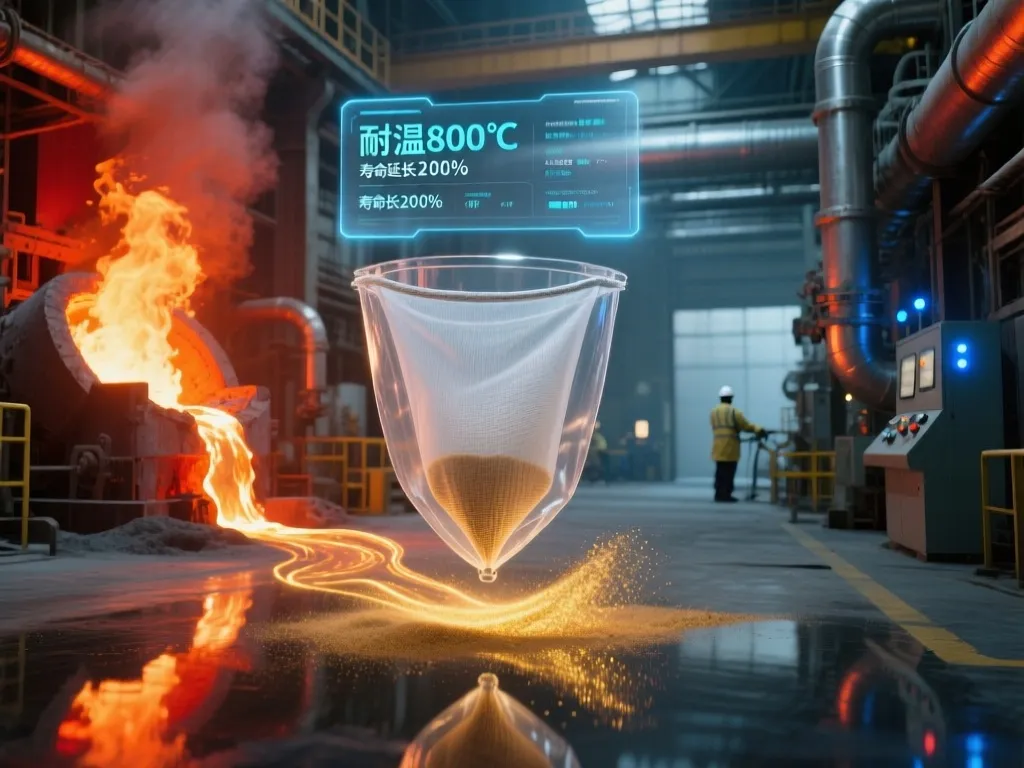
When it comes to industrial filtration in extreme temperatures, the right choice can make or break your production line. You’re likely facing this challenge head-on: how do you select a Fiberglass filter bag that won’t buckle under pressure? This isn’t just about picking a filter—it’s about safeguarding your operations against costly downtime and maintenance headaches. In this guide, we’ll dive deep into the science of high-temperature filtration, explore real-world success stories, and equip you with actionable tips to conquer even the most brutal thermal environments. Ready to transform your filtration strategy?
Decoding the Core Material Properties of High-Temperature Resistant Fiberglass Filter Bags: Temperature Range, Thermal Stability, and More
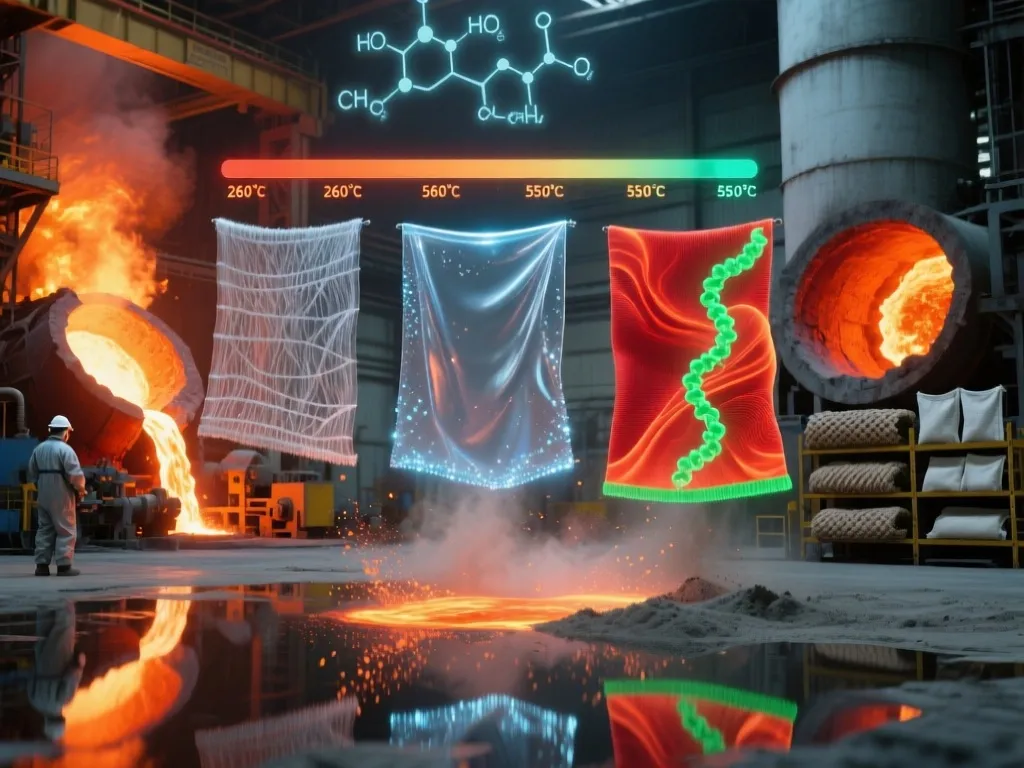
When it comes to selecting the right fiberglass filter bag for extreme heat conditions, understanding the core material properties is like having a secret weapon in your arsenal. After all, you wouldn’t want to invest in a filter bag that crumbles under pressure, right? So, let’s dive deep into the fascinating world of fiberglass and uncover what makes it the go-to material for high-temperature applications. First things first, let’s talk about the temperature range. Fiberglass, as a material, is renowned for its impressive heat resistance. But just how hot can it get? Well, the answer isn’t a one-size-fits-all scenario. The temperature range of fiberglass filter bags can vary depending on several factors, including the type of glass fiber used, the manufacturing process, and any additional coatings or treatments applied. Generally speaking, though, most high-quality fiberglass filter bags can withstand temperatures ranging from 260°C (500°F) up to an astonishing 550°C (1022°F). That’s hot enough to handle the scorching conditions found in industries like steel production, cement manufacturing, and waste incineration. But temperature range is just one piece of the puzzle. Thermal stability is equally crucial. After all, what good is a filter bag that can handle high temperatures if it starts to degrade or lose its structural integrity over time? Fiberglass excels in this area too. Its inherent thermal stability means that it can maintain its shape and performance even under prolonged exposure to extreme heat. This is thanks to the unique molecular structure of glass fibers, which are highly resistant to thermal expansion and contraction. In other words, they don’t stretch or shrink much when heated or cooled, ensuring that your filter bag stays tight and effective, even after countless cycles of use. Now, you might be wondering, ‘What about the coatings and treatments? Don’t they play a role in enhancing these properties?’ Absolutely! Many fiberglass filter bags are treated with special coatings or finishes to further improve their heat resistance and thermal stability. For example, some bags are coated with a layer of PTFE (polytetrafluoroethylene), a material known for its exceptional chemical resistance and high-temperature stability. This coating not only enhances the bag’s ability to withstand extreme heat but also improves its resistance to abrasion and chemical attack, making it a great choice for harsh industrial environments. Another important factor to consider is the thickness and density of the fiberglass fabric. Thicker fabrics with a higher density of fibers tend to offer better heat resistance and thermal stability. However, they can also be more rigid and less flexible, which might affect the bag’s ability to conform to the shape of your filter housing. On the other hand, thinner fabrics with a lower density of fibers are more flexible but might not offer the same level of heat resistance. So, it’s all about finding the right balance based on your specific needs and application. Let’s not forget about the role of manufacturing processes in determining the material properties of fiberglass filter bags. Different manufacturing techniques, such as weaving, needle punching, or melt blowing, can result in fabrics with varying levels of heat resistance, thermal stability, and porosity. For example, a woven fiberglass fabric might offer better strength and durability but could be less porous than a needle-punched fabric, which might be more suitable for applications where high airflow is required. So, how do you choose the right fiberglass filter bag for your needs? It all comes down to understanding your specific application requirements and matching them with the right material properties. Consider factors like the maximum operating temperature, the duration of exposure to high temperatures, the presence of any corrosive chemicals or abrasive particles, and the required airflow rate. By taking these factors into account, you can narrow down your options and select a fiberglass filter bag that offers the perfect combination of heat resistance, thermal stability, and performance for your application. In conclusion, the material properties of fiberglass filter bags, including their temperature range, thermal stability, and the role of coatings, treatments, and manufacturing processes, are crucial factors to consider when selecting the right bag for your high-temperature application. By understanding these properties and how they relate to your specific needs, you can make an informed decision that ensures your filter bag performs at its best, even under the most extreme conditions. So, the next time you’re in the market for a high-temperature resistant fiberglass filter bag, remember to look beyond the price tag and focus on the material properties that truly matter.
Temperature Range: The Heat Is On
When it comes to temperature range, fiberglass filter bags are like the superheroes of the filtration world. They can handle temperatures that would make most other materials cringe in fear. But just how hot is too hot? As mentioned earlier, the temperature range can vary, but most high-quality bags can withstand temperatures from 260°C to 550°C. That’s a pretty impressive range, right? So, whether you’re dealing with the scorching heat of a steel mill or the intense flames of a waste incinerator, a fiberglass filter bag has got your back.
Thermal Stability: Keeping Cool Under Pressure
Thermal stability is all about maintaining your cool, even when things get hot. And fiberglass filter bags are masters at it. Thanks to their unique molecular structure, they don’t stretch or shrink much when heated or cooled. This means that your filter bag stays tight and effective, even after countless cycles of use. So, you can rest easy knowing that your bag won’t let you down, no matter how hot things get.
Coatings and Treatments: The Icing on the Cake
Coatings and treatments are like the icing on the cake when it comes to fiberglass filter bags. They can enhance the bag’s heat resistance, thermal stability, and even its resistance to abrasion and chemical attack. For example, a PTFE coating can make your bag even more resistant to extreme heat and chemicals, while also improving its durability. So, if you’re looking for that extra edge, consider a bag with a special coating or treatment.
Fabric Thickness and Density: Finding the Right Balance
When it comes to fabric thickness and density, it’s all about finding the right balance. Thicker fabrics with a higher density of fibers offer better heat resistance and thermal stability but can be less flexible. On the other hand, thinner fabrics with a lower density of fibers are more flexible but might not offer the same level of heat resistance. So, consider your specific needs and application requirements when choosing the right fabric thickness and density for your fiberglass filter bag.
Manufacturing Processes: The Art of Filtration
Manufacturing processes play a crucial role in determining the material properties of fiberglass filter bags. Different techniques, such as weaving, needle punching, or melt blowing, can result in fabrics with varying levels of heat resistance, thermal stability, and porosity. So, it’s important to understand how these processes affect the bag’s performance and choose the right one for your application. For example, a woven fabric might offer better strength and durability but could be less porous than a needle-punched fabric, which might be more suitable for applications where high airflow is required.
Exploring Specific Demands for High-Temperature Fiberglass Filter Bags Across Industries
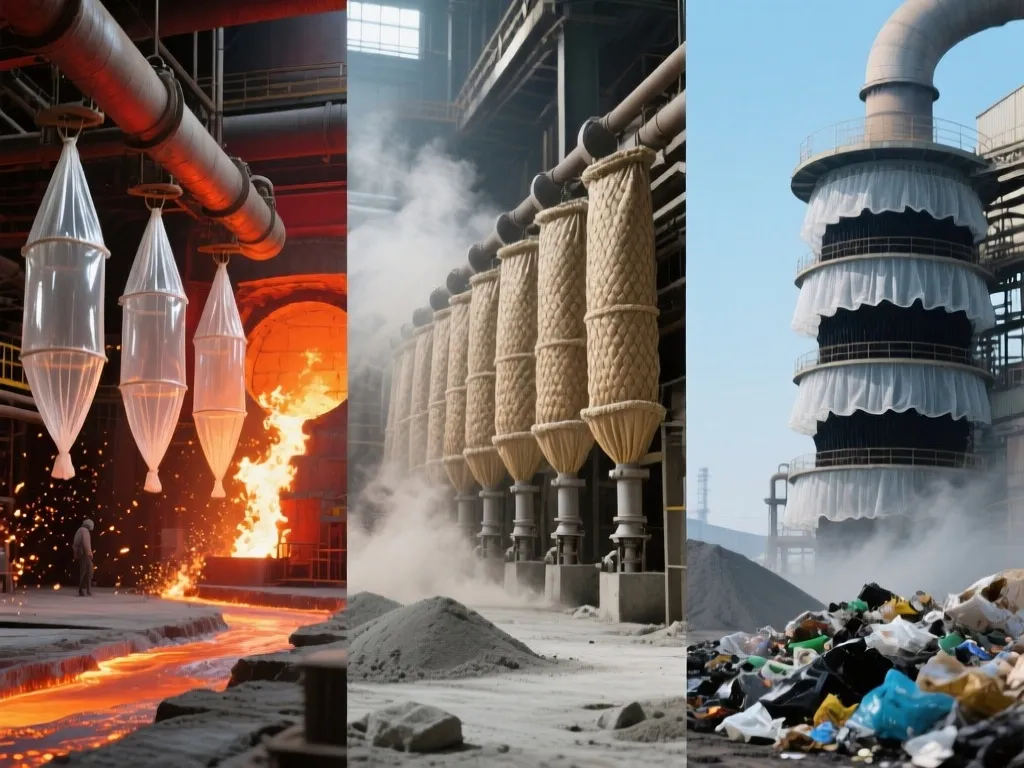
When it comes to selecting the right high-temperature fiberglass filter bag, understanding the unique demands of different industrial sectors is crucial. Each industry, from steel manufacturing to cement production and waste incineration, presents its own set of challenges that require tailored filtration solutions. Let’s delve into the specific needs of these industries and provide targeted advice on choosing the most suitable fiberglass filter bags.
Steel Industry: Withstanding Extreme Heat and Corrosion
In the steel industry, the production process generates extreme temperatures and corrosive gases. The blast furnace, for instance, operates at temperatures that can soar above 1,000°C. Here, fiberglass filter bags must not only withstand these high temperatures but also resist chemical attack from acidic gases like sulfur dioxide. Opting for filter bags with a silicone-coated surface can enhance their chemical resistance and thermal stability, ensuring longevity and consistent performance. Additionally, the bags should have a high filtration efficiency to capture fine particulate matter, preventing air pollution and maintaining a safe working environment.
Cement Manufacturing: Robust Filtration for Abrasive Dust
Cement manufacturing is another sector where high-temperature filtration is essential. The clinker production stage involves heating raw materials to temperatures around 1,450°C. The dust generated during this process is abrasive and can quickly wear out filter bags if they’re not robust enough. Therefore, selecting fiberglass filter bags with a thick, durable weave and a high-temperature-resistant coating is vital. These bags should also have excellent air permeability to ensure efficient dust collection without compromising the plant’s productivity.
Waste Incineration: Capturing Hazardous Substances Effectively
Waste incineration facilities face a different set of challenges. The combustion of waste produces not only high temperatures but also a complex mixture of gases and particulates, including dioxins and furans, which are harmful to human health and the environment. In this context, fiberglass filter bags must be capable of capturing these hazardous substances effectively. A multi-layer filter bag design, combining a coarse outer layer for initial dust capture and a fine inner layer for trapping smaller particles, can be highly effective. Furthermore, incorporating activated carbon into the filter media can help adsorb volatile organic compounds (VOCs) and odors, improving the overall air quality. It’s also essential to choose bags that are resistant to moisture and condensation, as these can lead to bag clogging and reduced filtration efficiency.
General Considerations for All Industries
Beyond these specific industries, there are general considerations that apply across the board when selecting high-temperature fiberglass filter bags. First and foremost, the bags’ temperature rating should exceed the maximum operating temperature of the application by a safe margin. This ensures that the bags won’t degrade or fail prematurely due to thermal stress. Secondly, the bags’ chemical compatibility with the process gases and particulates is crucial. Conducting a thorough analysis of the gas composition and consulting with filter bag manufacturers can help identify the most suitable materials and coatings. Lastly, considering the bags’ mechanical strength and durability is essential, especially in applications with high dust loads or abrasive particles. Choosing bags with reinforced seams and a robust construction can extend their service life and reduce the need for frequent replacements.
Real-World Success Stories: How High-Temperature Fiberglass Filter Bags Boost Efficiency and Cut Costs
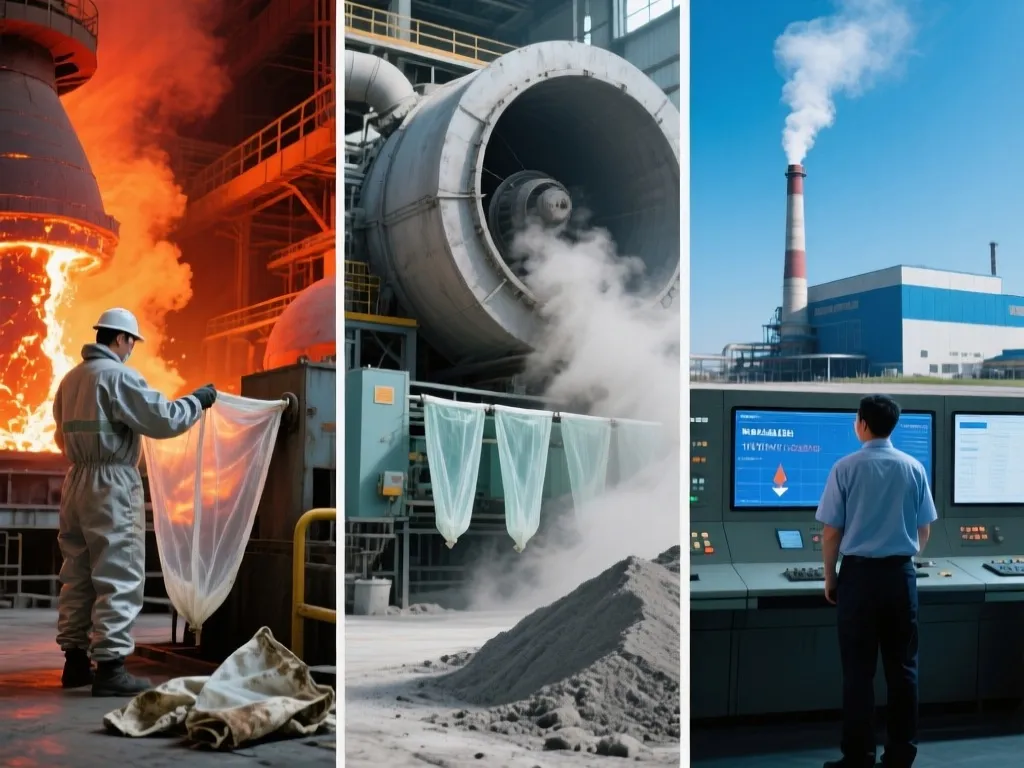
Let’s dive into some real-world examples where businesses have harnessed the power of high-temperature fiberglass filter bags to transform their operations. These stories aren’t just about swapping out one filter for another; they’re about rethinking how filtration fits into the bigger picture of production efficiency and cost management. Whether you’re in steel, cement, waste incineration, or any other industry facing extreme temperatures, the right filter bag can make all the difference. So, how can you replicate these successes in your own facility? Start by assessing your current filtration system’s performance. Are you experiencing frequent failures, high maintenance costs, or reduced production efficiency? If so, it might be time to consider upgrading to high-temperature fiberglass filter bags. Look for bags that are specifically designed for your industry’s unique challenges, whether it’s corrosive gases, abrasive particulates, or extreme heat. Partner with a reputable supplier who can provide technical support and guidance on selecting the right bags for your needs. Remember, the goal isn’t just to replace filters; it’s to optimize your entire filtration system for better performance and lower costs. By taking a proactive approach, you can unlock the same benefits that these successful businesses have enjoyed: increased production efficiency, reduced maintenance costs, and a more sustainable operation. So, what are you waiting for? It’s time to give your filtration system the upgrade it deserves.
Steel Plant Case Study: From Frequent Failures to Long-Lasting Performance
Take the case of a mid-sized steel plant in Germany. This facility was grappling with frequent filter bag failures due to the extreme heat generated during the smelting process. Traditional filter bags would degrade rapidly, leading to unplanned downtime and costly replacements. After switching to high-temperature fiberglass filter bags, the plant saw a dramatic reduction in filter failures. The new bags could withstand temperatures up to 260°C (500°F) without losing structural integrity, meaning they lasted significantly longer than their predecessors. This shift not only cut down on maintenance costs but also boosted production efficiency by minimizing unplanned shutdowns. The plant’s maintenance manager noted, “We used to change filters every two weeks. Now, we’re looking at six months or more between replacements. That’s a game-changer for our bottom line.”
Cement Plant Transformation: Boosting Airflow and Efficiency
Another inspiring example comes from a cement manufacturing plant in India. Cement production involves high-temperature kilns where dust and particulates are generated at an alarming rate. The plant’s existing filtration system struggled to keep up, leading to frequent clogging and reduced airflow. This, in turn, affected the kiln’s efficiency, driving up energy costs and slowing down production. By upgrading to high-temperature fiberglass filter bags, the plant achieved a 30% increase in airflow capacity. The new bags’ superior thermal stability and chemical resistance meant they could handle the harsh conditions without clogging or degrading. As a result, the kiln operated more smoothly, consuming less energy and producing more cement per hour. The plant’s operations director shared, “The investment in better filters paid off within the first year. We’re saving on energy, producing more, and spending less on maintenance. It’s a win-win-win.”
Waste Incineration Plant Success: Meeting Emission Standards and Cutting Costs
Let’s not forget about the waste-to-energy sector, where high-temperature fiberglass filter bags have also made a significant impact. A waste incineration plant in Sweden faced challenges with filter bags that couldn’t handle the corrosive gases and high temperatures generated during the combustion process. This led to frequent filter replacements and increased emissions, which violated environmental regulations. After adopting high-temperature fiberglass filter bags, the plant saw a 50% reduction in filter replacement frequency. The new bags’ ability to resist corrosion and withstand temperatures up to 280°C (536°F) meant they lasted much longer, even in the most demanding conditions. This not only lowered maintenance costs but also helped the plant meet stricter emission standards, enhancing its reputation as an environmentally responsible facility. The plant’s environmental officer remarked, “We’re not just saving money; we’re doing our part to protect the planet. These filters are a key part of our sustainability strategy.”
You’ve now discovered the power of precision-engineered Fiberglass filter bags for extreme temperatures. From understanding glass fiber’s thermal limits to tailoring solutions for steel mills or waste incinerators, these insights empower you to make choices that slash downtime and boost profitability. But don’t stop here—your next step? Download our free case study bundle showing how leading manufacturers cut filter costs by 40% while doubling operational lifespans. Or explore our interactive tool to match your exact temperature range with the perfect filter material. The heat’s on, but with the right Fiberglass filter bag, you’re always in control. What will you filter next?