
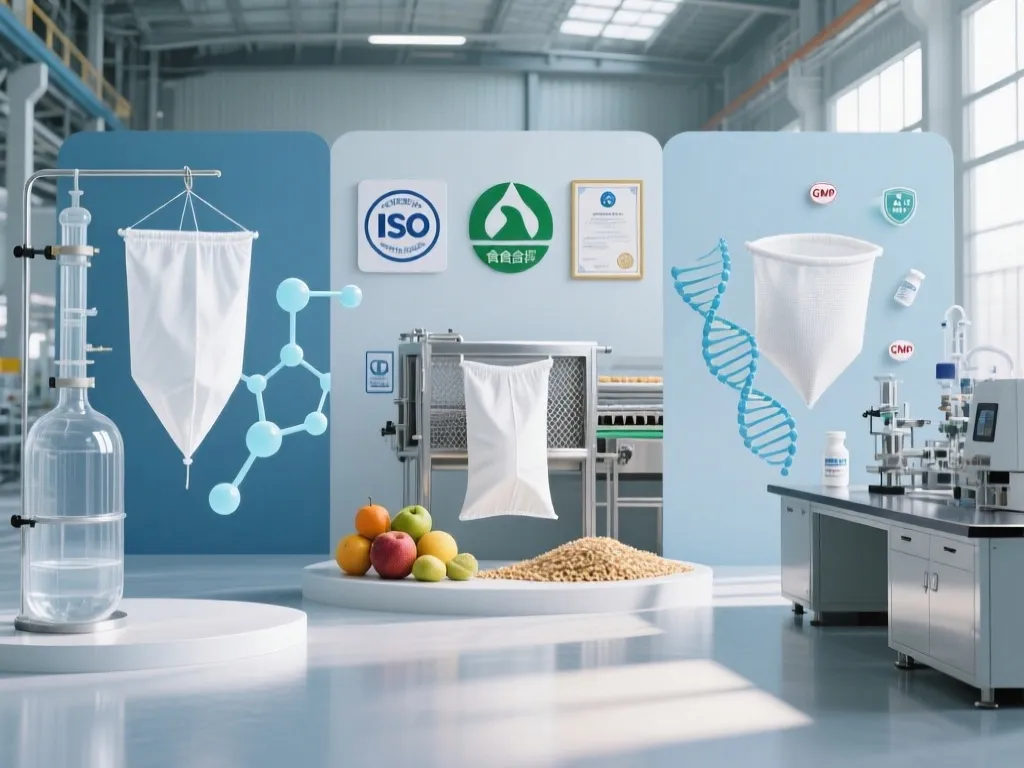
In industries like chemicals, food processing, and pharmaceuticals, choosing the right industrial filter bags isn’t just about keeping things clean—it’s about meeting strict safety standards, handling harsh chemicals, and ensuring every product meets quality benchmarks. But with so many options out there, how do you know which industrial filter bags are the best fit for your specific needs? Let’s dive into how to pick the perfect filter bags for these three demanding sectors, ensuring you get the performance and compliance you need.
Chemical Industry: Emphasizing Corrosion and High-Temperature Resistance, Selecting Materials Based on Chemical Types
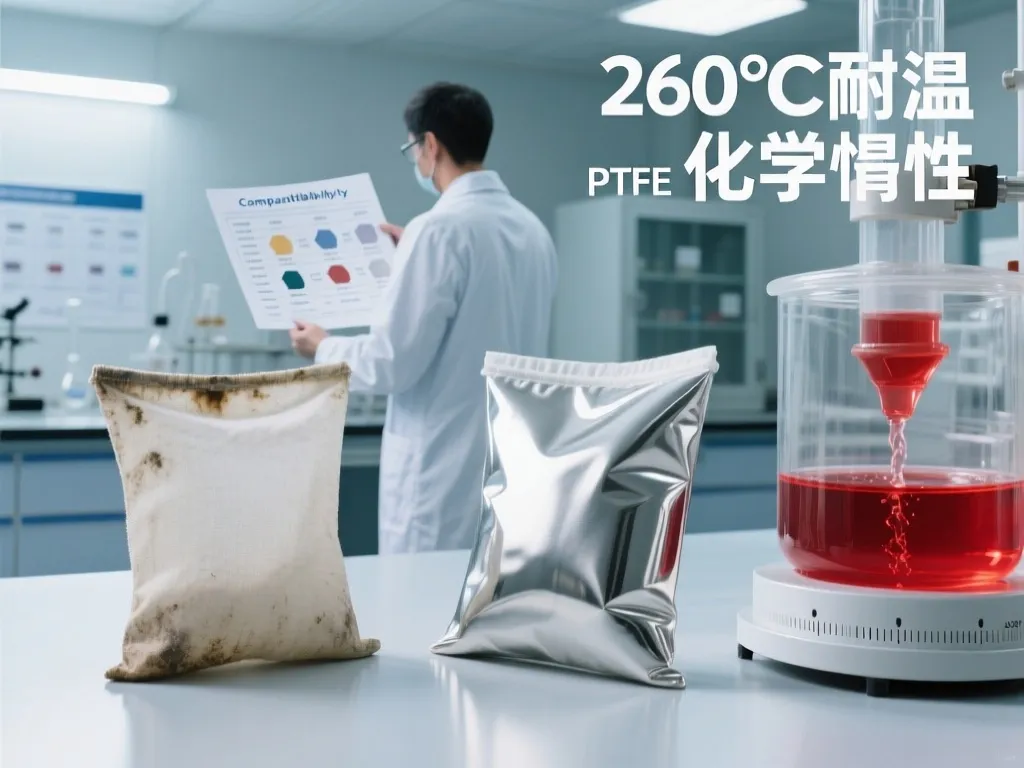
When it comes to the chemical industry, the demands placed on industrial filter bags are nothing short of extreme. This sector is characterized by its use of aggressive chemicals, high-temperature processes, and the need for reliable filtration solutions that can withstand these harsh conditions without compromising performance. If you’re a purchasing manager, engineer, or production manager in the chemical industry, you understand the critical importance of choosing the right industrial filter bags for your specific applications. Let’s dive into the key considerations for selecting materials that offer both corrosion and high-temperature resistance, ensuring your filtration system operates efficiently and safely. First and foremost, corrosion resistance is paramount in the chemical industry. Chemicals such as acids, alkalis, and solvents can quickly degrade conventional filter materials, leading to premature failure, leaks, and potential safety hazards. That’s why selecting industrial filter bags made from materials specifically designed to resist chemical attack is essential. One such material is polypropylene (PP), which offers excellent resistance to a wide range of acids and alkalis. However, when it comes to the most aggressive environments, such as those involving strong acids or alkalis, polypropylene may not be sufficient. Enter polytetrafluoroethylene (PTFE), a material renowned for its exceptional chemical resistance. PTFE industrial filter bags are virtually impervious to all known chemicals, making them the ideal choice for applications involving concentrated sulfuric acid, hydrochloric acid, sodium hydroxide, and other highly corrosive substances. But PTFE’s benefits don’t stop at corrosion resistance. This remarkable material also exhibits outstanding high-temperature stability, withstanding continuous operating temperatures up to 260°C (500°F). This makes PTFE industrial filter bags suitable for processes where high temperatures are involved, such as in certain chemical reactions or when filtering hot gases. So, how do you determine which material is best suited for your specific chemical application? The key lies in understanding the chemical composition of the substances you’re filtering and the operating conditions of your process. Start by identifying the primary chemicals present in your process stream and their concentrations. Then, consider the temperature range your filter bags will be exposed to. Armed with this information, you can consult material compatibility charts or work with a knowledgeable supplier to select the most appropriate material for your needs. For instance, if you’re filtering a dilute solution of a mild acid at room temperature, a polypropylene filter bag might be perfectly adequate. However, if you’re dealing with concentrated sulfuric acid at elevated temperatures, PTFE would be the clear choice. In addition to material selection, it’s also important to consider the construction of your industrial filter bags. Factors such as seam strength, filter media thickness, and surface finish can all impact performance and longevity. For example, PTFE filter bags are often constructed using a unique welding process that creates a seamless, leak-proof bond, eliminating the risk of chemical leakage through stitched seams. Furthermore, the surface finish of the filter media can influence its ability to release filtered particles, known as cake discharge. A smooth, non-stick surface, such as that found on PTFE filter bags, can significantly improve cake discharge, reducing downtime and maintenance costs. For specialized applications, such as filtering virgin coconut oil, where precision filtration is crucial, selecting the right filtration bags is equally important to ensure optimal performance and product quality. In summary, selecting the right industrial filter bags for chemical industry applications requires a thorough understanding of your process conditions and the chemical properties of the substances you’re filtering. By choosing materials like PTFE that offer exceptional corrosion and high-temperature resistance, and paying attention to construction details, you can ensure your filtration system operates reliably and efficiently, protecting your equipment, personnel, and the environment.
The Role of Material Compatibility in Chemical Filtration
Material compatibility is the cornerstone of effective chemical filtration. When selecting industrial filter bags for chemical applications, it’s crucial to ensure that the material you choose is compatible with the chemicals being filtered. This means considering not only the primary chemicals but also any impurities or byproducts that may be present. For example, some chemicals may react with certain materials to form corrosive byproducts, accelerating filter bag degradation. By conducting thorough material compatibility testing or consulting with experts, you can avoid these pitfalls and select filter bags that will perform reliably over time.
PTFE: The Gold Standard for Corrosive Environments
When it comes to filtering highly corrosive chemicals, PTFE stands out as the gold standard. Its unique molecular structure, consisting of carbon atoms surrounded by fluorine atoms, creates a barrier that is virtually impermeable to chemicals. This makes PTFE industrial filter bags ideal for applications involving strong acids, alkalis, and solvents. Moreover, PTFE’s high-temperature stability allows it to maintain its integrity even in processes where temperatures soar, ensuring consistent filtration performance and extending filter bag life.
Construction Considerations for Chemical Filter Bags
While material selection is critical, the construction of your industrial filter bags also plays a vital role in their performance and longevity. Factors such as seam strength, filter media thickness, and surface finish can all impact how well your filter bags handle chemical filtration tasks. For example, a strong, leak-proof seam is essential to prevent chemical leakage, while a smooth surface finish can improve cake discharge and reduce maintenance. By paying attention to these construction details, you can optimize the performance of your chemical filtration system.
Food Industry: Focusing on Hygiene Standards and Food Safety, Exploring the Advantages of Stainless Steel Frames Paired with Food-Grade Filtration Materials, and Ensuring Compliance through Certifications (e.g., FDA)
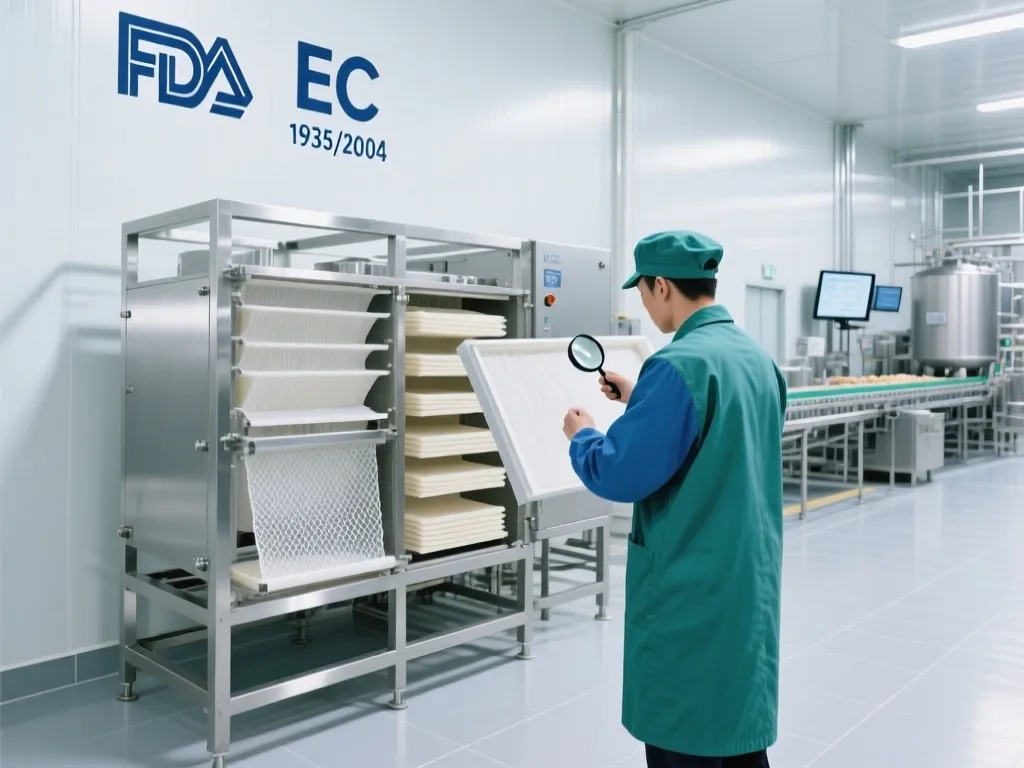
When it comes to the food industry, the stakes are incredibly high. We’re not just talking about making sure products taste good; we’re dealing with the health and safety of consumers worldwide. That’s why every component in the food production process, including industrial filter bags, must meet stringent hygiene standards and ensure food safety. So, how do we achieve this? Let’s dive into the world of stainless steel frames paired with food-grade filtration materials and explore how certifications like the FDA play a crucial role. First off, why stainless steel frames? Well, stainless steel is renowned for its corrosion resistance, durability, and ease of cleaning. In a food processing environment, where moisture and various cleaning agents are constantly present, a stainless steel frame won’t rust or degrade over time. This means your industrial filter bags will maintain their structural integrity, ensuring consistent filtration performance. Plus, stainless steel is non-porous, making it difficult for bacteria to hide and multiply, which is a huge plus for food safety. Now, let’s talk about food-grade filtration materials. These materials are specifically designed to come into contact with food without leaching harmful substances or affecting the taste, odor, or color of the food. Common food-grade materials include polyester, polypropylene, and nylon, each with its own set of advantages depending on the application. For instance, polyester is known for its excellent chemical resistance and high-temperature tolerance, making it suitable for a wide range of food processing scenarios. But how do you know if a filtration material is truly food-grade? This is where certifications come into play. The FDA (Food and Drug Administration) in the United States is one of the most recognized authorities when it comes to food safety. An FDA certification means that the filtration material has been rigorously tested and meets the agency’s strict standards for food contact. This gives you peace of mind knowing that your industrial filter bags won’t compromise the safety or quality of your food products. However, obtaining FDA certification isn’t a walk in the park. The process involves submitting detailed documentation about the material’s composition, manufacturing process, and intended use. The FDA then reviews this information and may conduct its own testing to ensure compliance. But the effort is well worth it, as FDA certification can open doors to new markets and enhance your brand’s reputation for quality and safety. Beyond FDA certification, there are other industry-specific standards and certifications to consider, such as the European Union’s EC 1935/2004 regulation, which sets out general requirements for materials and articles intended to come into contact with food. Depending on your target market, you may need to comply with multiple certifications to ensure global acceptance of your products. So, what’s the bottom line? When selecting industrial filter bags for the food industry, prioritize those with stainless steel frames and food-grade filtration materials. Look for certifications like FDA to ensure compliance with the highest hygiene standards and food safety requirements. By doing so, you’ll not only protect your consumers but also safeguard your brand’s reputation and open up new business opportunities. Have you ever considered the impact of your filtration system on food safety? It’s time to take a closer look and make informed decisions that will benefit your business and your customers in the long run.
The Role of Stainless Steel Frames in Food Safety
Stainless steel frames are the backbone of reliable filtration systems in the food industry. Their corrosion resistance ensures longevity, while their non-porous nature prevents bacterial growth. This combination of properties makes stainless steel an ideal choice for maintaining high hygiene standards in food processing environments.
Choosing the Right Food-Grade Filtration Material
Selecting the right food-grade filtration material depends on various factors, including the type of food being processed, the processing conditions, and the desired filtration efficiency. Polyester, polypropylene, and nylon are popular choices, each offering unique benefits. For high-performance filtration solutions tailored to diverse industrial dust collection needs, consider exploring filter bags specifically designed for industrial dust collectors. Understanding these materials and their applications is key to optimizing your filtration system.
Navigating the Certification Landscape
Certifications like FDA and EC 1935/2004 are essential for ensuring that your industrial filter bags meet the highest food safety standards. However, navigating the certification process can be complex. It’s important to work with reputable suppliers who can provide the necessary documentation and support to help you achieve compliance.

Pharmaceutical Industry: Emphasizing Sterile Processing and High-Efficiency Filtration
When it comes to the pharmaceutical industry, the stakes are incredibly high. Every single step in the production process must adhere to the strictest standards to ensure the safety and efficacy of the final products. That’s where industrial filter bags, especially micro pore membrane industrial filter bags, come into the spotlight. In this section, we’ll delve deep into why these filter bags are a game-changer for pharmaceutical manufacturing, focusing on their outstanding performance in removing particles and bacteria, as well as how they meet Good Manufacturing Practice (GMP) requirements.
Sterile Processing in Pharmaceuticals
First and foremost, let’s talk about sterile processing. In the pharmaceutical world, sterile means free from all living microorganisms, including bacteria, viruses, and fungi. Achieving and maintaining sterility is crucial to prevent contamination of drugs, which could lead to serious health risks for patients. Micro pore membrane industrial filter bags are designed with this in mind. Their extremely fine pores act as a physical barrier, trapping even the tiniest particles and microorganisms. This means that as the liquid or gas passes through the filter bag, any potential contaminants are left behind, ensuring a sterile output. For those seeking high-performance filtration solutions tailored to industrial dust collectors, our high-performance filter bags are an excellent choice.
Filtration Efficiency of Micro Pore Membrane Filters
But how effective are they really? Well, studies have shown that micro pore membrane filters can achieve a log reduction value (LRV) of 7 or higher for bacteria. What does that mean? It means that for every 10 million bacteria present in the input, only 1 or fewer will make it through the filter. That’s an impressive level of filtration efficiency! And when it comes to particles, these filter bags can capture particles as small as 0.1 microns, which is far beyond the capabilities of many traditional filters.
Meeting GMP Requirements
Now, let’s shift our focus to GMP requirements. GMP is a set of regulations and guidelines that ensure pharmaceutical products are consistently produced and controlled according to quality standards. It covers all aspects of production, from the raw materials used to the manufacturing process itself, and even the packaging and storage of the final products. So, how do micro pore membrane industrial filter bags fit into this picture? Well, for starters, these filter bags are made from materials that are compatible with pharmaceutical applications. They’re often constructed from polypropylene, polyester, or other high-purity polymers that don’t shed fibers or leach chemicals into the product stream. This is essential to prevent contamination and ensure the integrity of the drugs being produced. Additionally, the manufacturing process of these filter bags is tightly controlled to meet GMP standards. From the selection of raw materials to the final inspection and packaging, every step is documented and verified to ensure consistency and quality. For a cost-effective filtration solution that meets high efficiency standards, explore our industrial bag filter.
Ease of Installation and Replacement
Moreover, micro pore membrane industrial filter bags are designed for easy installation and replacement. In a pharmaceutical production line, time is of the essence. Any downtime due to filter changes can be costly and disrupt the entire manufacturing schedule. These filter bags are engineered to fit seamlessly into existing filtration systems, and their lightweight, flexible design makes them easy to handle and install. Plus, they often come with features like integrated gaskets or flanges that provide a secure, leak-proof seal, further reducing the risk of contamination.
Supporting Continuous Improvement and Innovation
But perhaps the most compelling reason to choose micro pore membrane industrial filter bags for pharmaceutical applications is their ability to support continuous improvement and innovation. As the industry evolves and new drugs with more complex formulations are developed, the filtration requirements become even more stringent. These filter bags are at the forefront of filtration technology, constantly being refined and improved to meet the ever-changing needs of the pharmaceutical industry. Whether it’s enhancing filtration efficiency, reducing pressure drop, or improving chemical resistance, manufacturers are always looking for ways to make these filter bags even better. For high-performance filter bags specifically designed for industrial dust collectors, consider our filter bags for industrial dust collectors.
Conclusion
In conclusion, when it comes to the pharmaceutical industry, micro pore membrane industrial filter bags are an indispensable tool for ensuring sterile processing and high-efficiency filtration. Their ability to remove particles and bacteria with exceptional precision, combined with their compatibility with GMP requirements, makes them the ideal choice for pharmaceutical manufacturers who demand the highest standards of quality and safety. So, if you’re in the pharmaceutical industry and looking for a filtration solution that can keep up with your demanding production needs, look no further than micro pore membrane industrial filter bags. For a high-efficiency dust collection solution, our filter bag for dust collection is a great option.
Selecting the right industrial filter bags for your industry isn’t just a detail—it’s a game-changer for efficiency and product quality. Whether you’re dealing with corrosive chemicals, strict food safety rules, or the need for sterile pharmaceutical production, there’s a filter bag solution designed just for you. So, why wait? Use this guide to find the perfect industrial filter bags for your needs, and take the first step toward smarter, more efficient operations. Ready to explore more? Dive deeper into our resources or share your thoughts with fellow industry pros!