
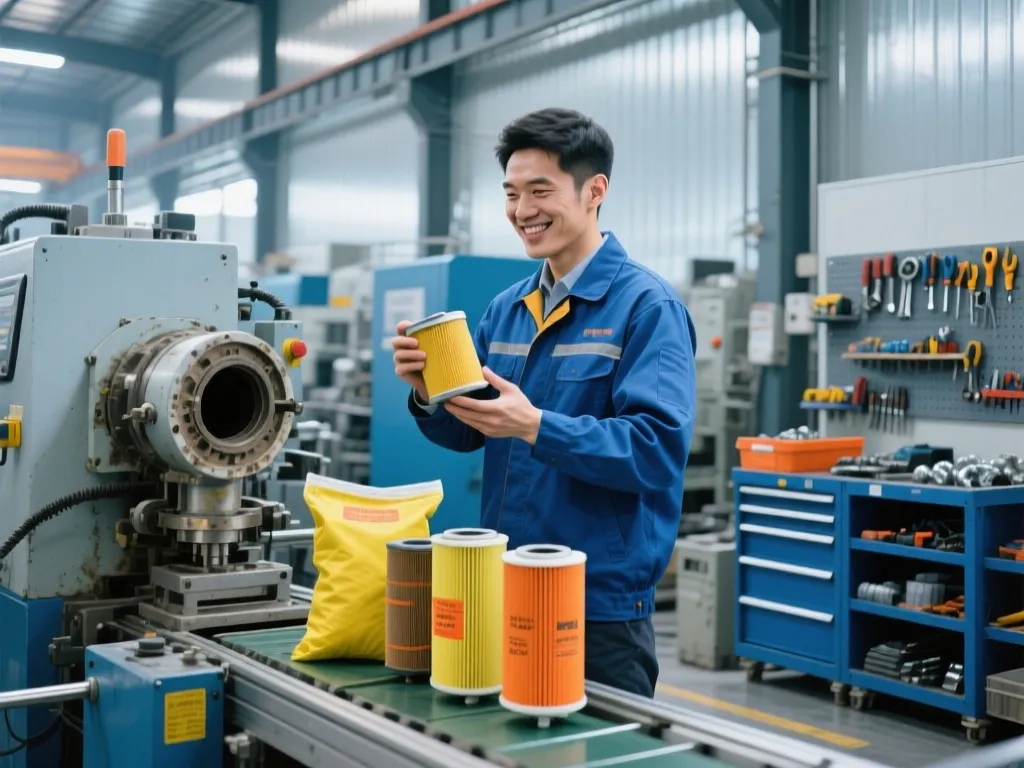
Imagine your production line grinding to a halt because of a failed industrial filter. Sound stressful? It is. That’s why knowing your emergency replacement options for industrial filters is crucial. Whether it’s a bag, plate, or membrane filter, unexpected failures can disrupt operations and cost you big. But don’t panic—we’ve got you covered. In this guide, we’ll walk you through the most common filter types, their emergency replacement needs, and how to find quick solutions when time is of the essence. Ready to turn a potential crisis into a minor hiccup? Let’s dive in.
Analyzing Common Industrial Filter Types and Their Emergency Replacement Needs
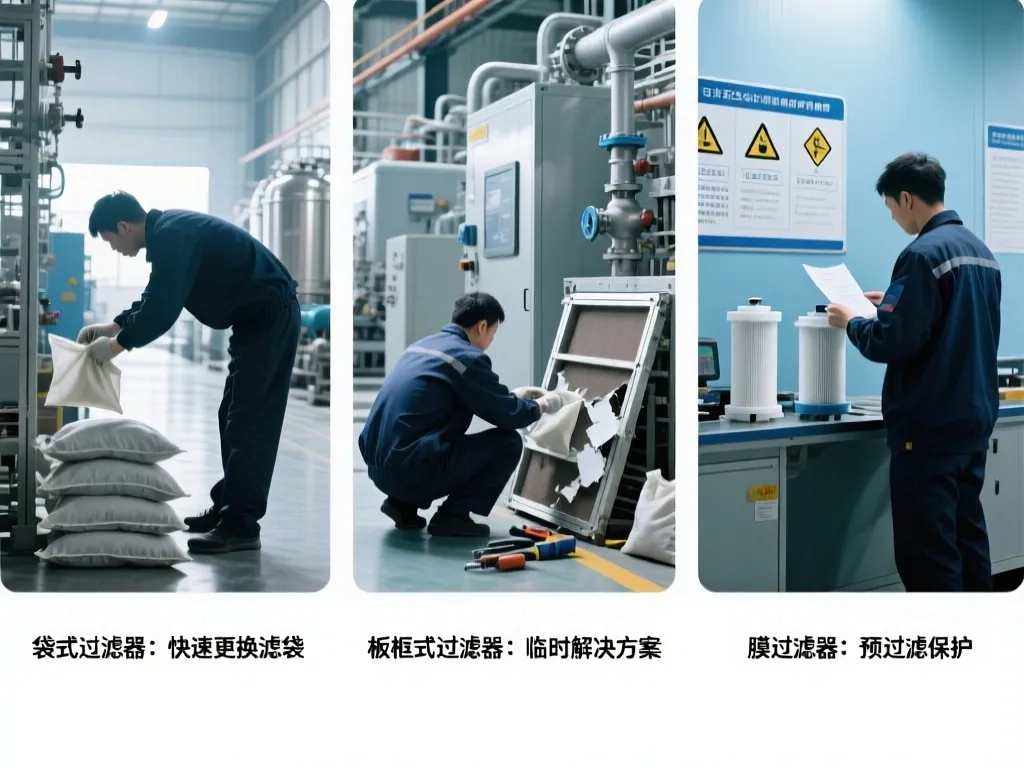
When it comes to industrial filtration, having a solid understanding of the different types of filters and their specific emergency replacement requirements is crucial. After all, unexpected filter failures can bring your production line to a grinding halt, leading to costly downtime and potential damage to equipment. So, let’s dive into the world of industrial filters and explore the emergency replacement options for some of the most common types: bag filters, plate-and-frame filters, and membrane filters.
First up, let’s talk about bag filters. These are widely used in various industries, from food and beverage processing to chemical manufacturing. Bag filters consist of a filter bag housed within a supporting structure. The liquid or gas passes through the bag, and the particles are trapped inside. One of the main advantages of bag filters is their relatively simple design, which makes them easy to install and replace. However, in an emergency situation, if your bag filter fails, you need to act fast. The good news is that there are several emergency replacement options available. For instance, you can keep a stock of spare filter bags on hand. These are usually readily available from most suppliers and can be quickly swapped out to get your system back up and running. But what if you don’t have spare bags? In that case, you might consider using a temporary filter bag. These are often made of a more basic material but can provide a short-term solution until you can get a proper replacement. Just be aware that temporary bags may not offer the same level of filtration efficiency as your regular ones, so they’re not a long-term fix.
Moving on to plate-and-frame filters. These are a bit more complex than bag filters. They consist of a series of plates and frames that are stacked together, with filter cloths placed between them. The liquid or gas is forced through the cloths, and the solids are retained on the surface. Plate-and-frame filters are known for their high filtration capacity and ability to handle large volumes of material. But when it comes to emergency replacements, things can get a bit trickier. If a filter cloth tears or becomes clogged, you can’t just swap it out like a bag filter. In some cases, you might be able to isolate the affected plate and continue operating with reduced capacity until you can replace the cloth. However, if multiple cloths are damaged or the issue is more severe, you may need to consider using a temporary filter system. This could involve setting up a simple bag filter or another type of portable filter to handle the load while you repair or replace the plate-and-frame filter. It’s also a good idea to have a relationship with a reliable supplier who can provide quick turnaround times on replacement filter cloths and other parts.
Finally, let’s discuss membrane filters. These are highly specialized filters that use a thin membrane to separate particles based on their size. Membrane filters are commonly used in applications where high purity is required, such as in the pharmaceutical and semiconductor industries. When a membrane filter fails in an emergency, the consequences can be significant. These filters are often more expensive and harder to replace than other types. But don’t panic! There are still some options available. One approach is to have a backup membrane filter on standby. This could be a spare filter that you’ve tested and know is compatible with your system. If you don’t have a spare, you can try to find a compatible model from another supplier. Just make sure to check the specifications carefully to ensure it will work with your existing equipment. Another option is to use a pre-filter in combination with your membrane filter. A pre-filter can help to remove larger particles before they reach the membrane, reducing the load and potentially extending the life of the membrane. In an emergency, if your membrane is starting to fail, adding a pre-filter can buy you some time until you can get a replacement.
Bag Filters: Simple Yet Effective with Emergency Options
Bag filters are a staple in many industrial settings due to their straightforward design. Their emergency replacement flexibility comes from the ease of swapping out filter bags. Keeping spare bags is a smart move, as it allows for a quick fix when a bag fails. But what if you’re caught off guard without spares? Temporary filter bags can step in as a short-term solution. These are often more basic in construction but can get your system running again, albeit with potentially lower filtration efficiency. It’s a trade-off between immediate functionality and long-term performance that you’ll need to consider in an emergency.
Plate-and-Frame Filters: Complex Systems with Unique Challenges
Plate-and-frame filters offer high capacity but come with more complex emergency replacement scenarios. When a filter cloth is damaged, isolating the affected plate might be an option to maintain some operation. However, for more widespread issues, a temporary filter system becomes necessary. Setting up a portable filter like a bag filter can take over the load while you address the plate-and-frame filter problems. Building a strong relationship with a supplier is key here, as quick access to replacement cloths and parts can minimize downtime.
Membrane Filters: High-Purity Solutions with Critical Emergency Needs
Membrane filters are vital for high-purity applications, and their failure can be costly. Having a backup membrane filter is the ideal emergency strategy. If that’s not available, finding a compatible model from another supplier requires careful specification checks. Using a pre-filter in combination with the membrane is also a valuable tactic. It can reduce the particle load on the membrane, potentially extending its life and buying you time in an emergency situation.
Emergency Replacement Options for Industrial Filters: Your Quick Fix Guide
Temporary Filters: The Short-Term Lifesaver
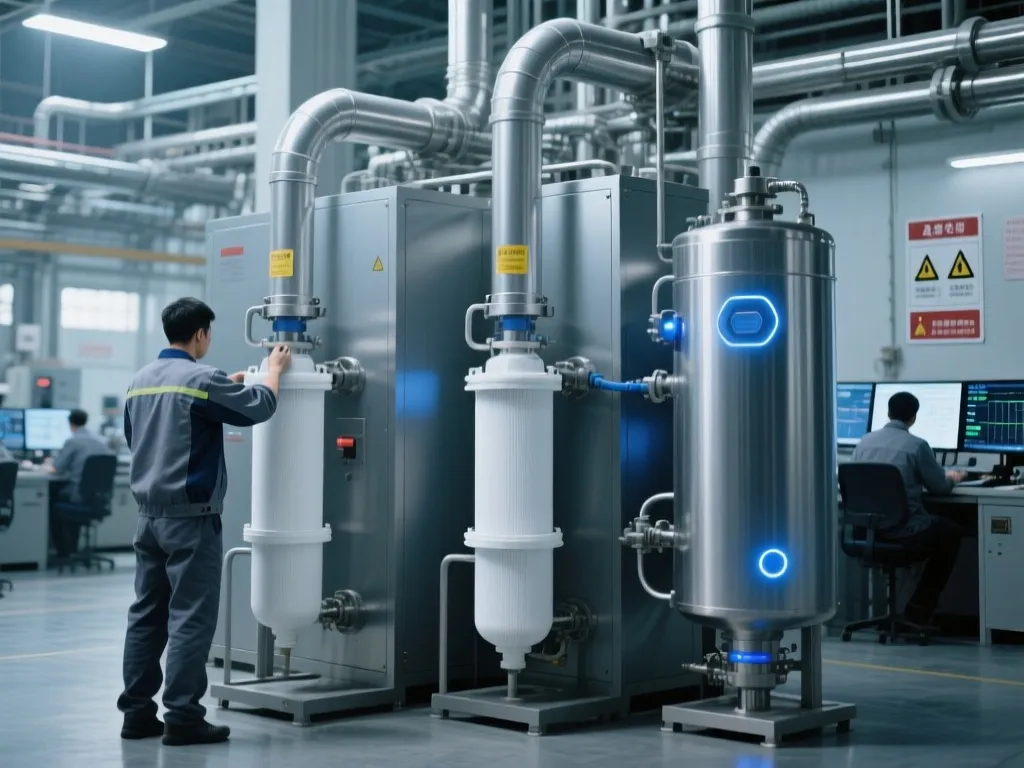
When your industrial filter fails unexpectedly, the clock starts ticking on potential production losses. But don’t panic – there are several emergency replacement options that can keep your operations running smoothly until a permanent solution is in place. Temporary filters are designed specifically for emergency situations. These are typically simpler, more basic versions of your regular filter that can be quickly installed to maintain basic filtration while you source a proper replacement. Think of them like a spare tire for your car – not meant for long-term use, but perfect for getting you to the nearest service station. The main advantage? Speed. Many temporary filters can be installed in minutes, with minimal downtime. However, they do come with limitations. Temporary filters usually have lower filtration efficiency and capacity compared to your standard equipment. They’re best suited for situations where: Your production can tolerate slightly reduced filtration quality for a short period. The failure occurs during off-peak hours when the system isn’t under maximum load. You need to maintain operations while waiting for a custom replacement to be manufactured.
Compatible Model Filters: The Drop-In Solution
If you’re lucky, your filter failure might coincide with the availability of a compatible model from another manufacturer. These filters are designed to fit your existing housing without modification, offering a near-perfect replacement in many cases. The key here is compatibility. Not all filters are created equal, even if they look similar. Before opting for a compatible model, verify: Physical dimensions match exactly, flow rate requirements are met, material compatibility with your process fluids, and pressure rating meets or exceeds your system’s needs. This option works best when: You need a more robust solution than a temporary filter. Your production can’t tolerate reduced filtration quality. The compatible model is readily available in your region.
Upgraded Filters: When Downtime Meets Opportunity
In some cases, an emergency replacement presents an opportunity to upgrade your filtration system. If your current filter has been causing recurring issues or is nearing the end of its expected lifespan, consider installing a higher-quality alternative during the emergency replacement. This approach requires more upfront research but can pay off in the long run with: Improved filtration efficiency, reduced maintenance requirements, longer service life, and better resistance to your specific process conditions. Of course, this option works best when you have some lead time to evaluate alternatives and when your budget allows for a potentially more expensive solution.
Hybrid Approaches: Combining Solutions
Often, the best emergency replacement strategy combines elements from the above options. For example, you might install a temporary filter immediately to maintain operations, then source a compatible model for installation within 24-48 hours, while evaluating long-term upgrade options in the background. This multi-tiered approach gives you flexibility while minimizing risk. It’s particularly effective when: The exact cause of your filter failure isn’t immediately clear. You anticipate extended lead times for your preferred replacement. Your production schedule allows for a phased replacement approach. Remember, no emergency replacement is perfect. Each option comes with trade-offs between speed, cost, and performance. The key is to understand these limitations and choose the solution that best balances your immediate needs with long-term operational goals.
Strategies for Swiftly Finding Emergency Replacement Options
Strategies for Swiftly Finding Emergency Replacement Options
When your industrial filter fails unexpectedly, time is of the essence. You can’t afford to let production grind to a halt while you scramble to find a replacement. That’s why having a solid plan in place for emergency filter replacements is crucial. Here are some tried-and-true strategies to help you get back up and running in no time.
Establishing Emergency Contact with Suppliers
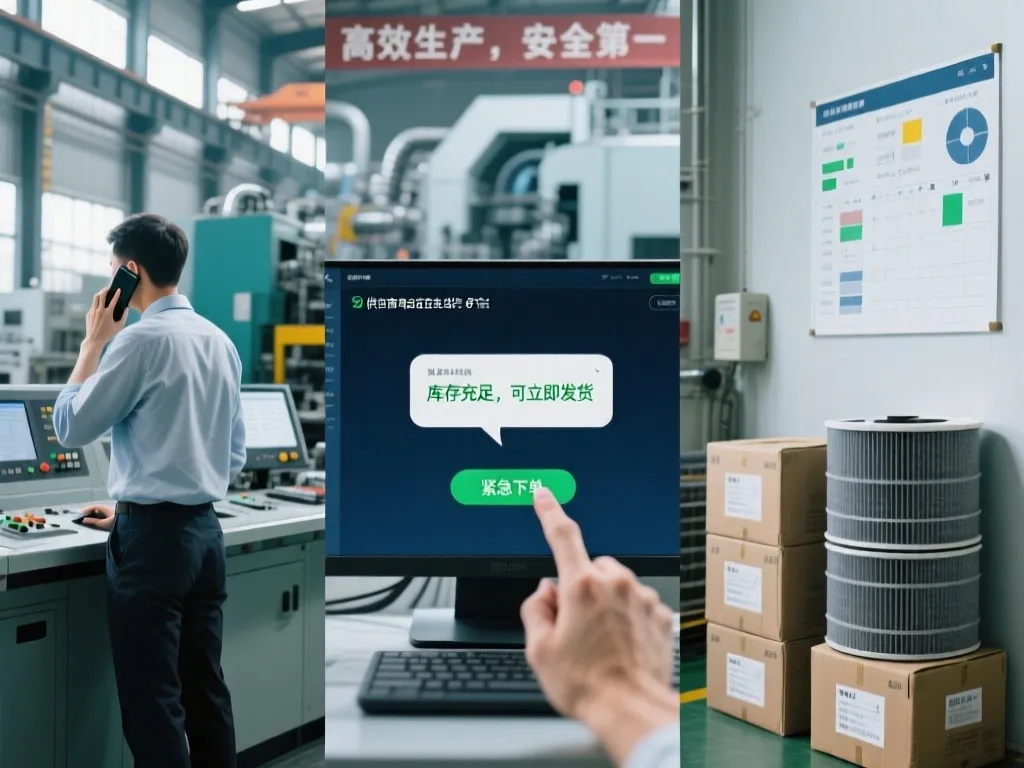
First things first, establishing emergency contact with your suppliers is a game-changer. Think about it – when disaster strikes, you don’t want to be fumbling through business cards or searching online for contact details. Instead, have a dedicated list of suppliers’ emergency numbers saved in your phone and on your computer. Reach out to them beforehand to discuss your emergency needs. Let them know the types of filters you use, the quantities you typically require, and how quickly you need them in an emergency. Many suppliers offer expedited shipping services for such situations. By building this relationship in advance, you’re more likely to get priority treatment when you’re in a bind. For example, a large manufacturing plant in Germany faced a sudden filter failure in their critical production line. Thanks to their pre-established emergency contact with a trusted supplier, they were able to get the replacement filters shipped overnight, minimizing production downtime.
Leveraging Online Platforms for Inventory Checks
Next up, leverage the power of online platforms to check inventory levels. In today’s digital age, most suppliers have online portals where you can view real-time stock information. This is incredibly useful during an emergency. Instead of calling multiple suppliers to inquire about availability, you can quickly log in to their platforms and see which ones have the filters you need in stock. Some platforms even allow you to place emergency orders directly, streamlining the process further. Additionally, there are third-party industrial equipment marketplaces that aggregate inventory from various suppliers. These can be a one-stop-shop for finding the filters you need quickly. Just make sure to verify the credibility of the sellers on these platforms before making a purchase. A small-scale food processing factory in the US once used an online marketplace to source emergency filters during a peak production season. They were able to compare prices and availability from multiple suppliers in minutes and had the filters delivered within two days.
Preparing Spare Filters in Advance
Finally, preparing spare filters in advance is a proactive approach that can save you a lot of headaches. Analyze your production history and identify the filters that are most prone to failure or have the longest lead times for replacement. Stock up on a reasonable quantity of these spare filters. Store them in a clean, dry, and easily accessible location. Make sure to label them clearly with their specifications and expiration dates (if applicable). Regularly check and rotate your spare inventory to ensure the filters are in good condition when you need them. A chemical plant in Japan follows this strategy religiously. They keep a well-organized spare filter inventory and conduct monthly checks. This has helped them avoid production disruptions on several occasions when unexpected filter failures occurred.
When it comes to industrial filters, being prepared for emergencies isn’t just smart—it’s essential. By understanding the different types of filters, knowing your emergency replacement options, and having a plan in place, you can minimize downtime and keep your production line running smoothly. From temporary filters to compatible models and quick supplier contacts, we’ve covered all the bases. So, the next time a filter fails, you’ll know exactly what to do. Ready to take your emergency preparedness to the next level? Share this guide with your team and explore our other resources on industrial filter maintenance and optimization. Your production line will thank you!