
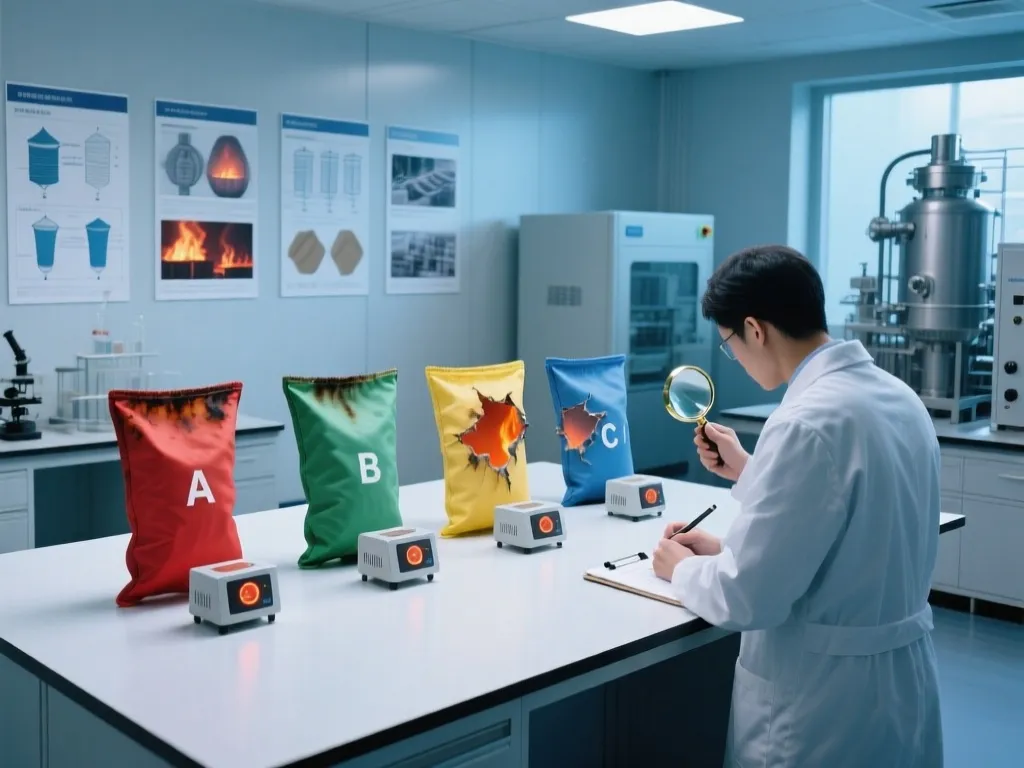
When it comes to industrial filtration in high-temperature environments, choosing the right filter bag material is crucial. You’re probably asking yourself, ‘Which filter bag material is best for high temperature?’ After all, the wrong choice could lead to premature failure, increased downtime, and higher costs. In this blog, we’ll dive deep into the world of high-temp filter bag materials, comparing their performance based on real-world testing data. Let’s find out which material truly stands out as the king of high-temperature resistance!
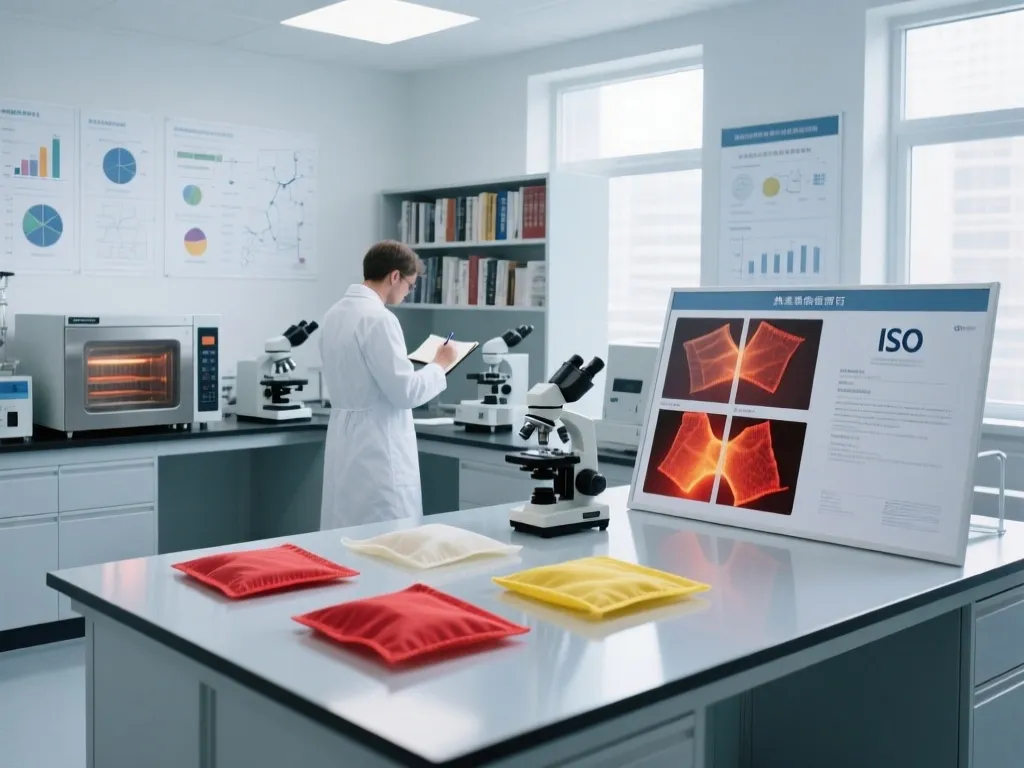
Testing Methods and Standards: Evaluating High-Temperature Resistance of Filter Bag Materials
When it comes to selecting the best filter bag material for high-temperature applications, understanding the testing methods and standards used to evaluate their performance is crucial. After all, you want to ensure that the material you choose can withstand the extreme conditions it will face in your industrial processes. So, how do we determine which filter bag material truly has the best high-temperature resistance? Let’s dive into the testing methods and international standards that help us make an informed decision.
Thermal Stability Test: The Heat is On!
The thermal stability test is like putting the filter bag material through a rigorous workout. We expose it to high temperatures and see how it holds up. Does it stay strong and flexible, or does it start to break down? By measuring changes in key properties such as tensile strength, elongation, and weight after exposure, we can assess the material’s ability to withstand heat without losing its functionality. This is crucial for applications where the filter bag will be constantly exposed to high temperatures, like in incinerators or power plants. For a deeper understanding of how tensile strength is measured in these tests, you can refer to relevant material science resources.
Shrinkage Rate Test: Size Matters!
Shrinkage can be a big issue when it comes to filter bags. If a material shrinks too much at high temperatures, it can cause problems with fit and function. That’s why the shrinkage rate test is so important. We measure how much the material contracts at different temperatures to ensure that it will still fit properly in your housing even after exposure to heat. This helps prevent issues like leaks or reduced filtration efficiency.
International Standards: The Gold Standard
International standards like ISO provide a common framework for evaluating filter bag materials. They outline specific testing procedures and performance requirements that materials must meet to be considered suitable for high-temperature applications. By following these standards, manufacturers can ensure that their products are of high quality and can withstand the demands of your industrial processes. It also makes it easier for you to compare different materials and make an informed decision. For instance, the ISO standard for high-temperature filter bags is a widely recognized benchmark in the industry.
Accredited Testing Labs: The Guardians of Quality
Accredited testing labs play a crucial role in ensuring the accuracy and reliability of filter bag material testing. These independent organizations are certified to perform tests according to international standards. They have the expertise, equipment, and quality control measures in place to ensure that the testing is fair, accurate, and reproducible. When you see a test report from an accredited lab, you can trust that the results are valid and can be used to guide your purchasing decisions.
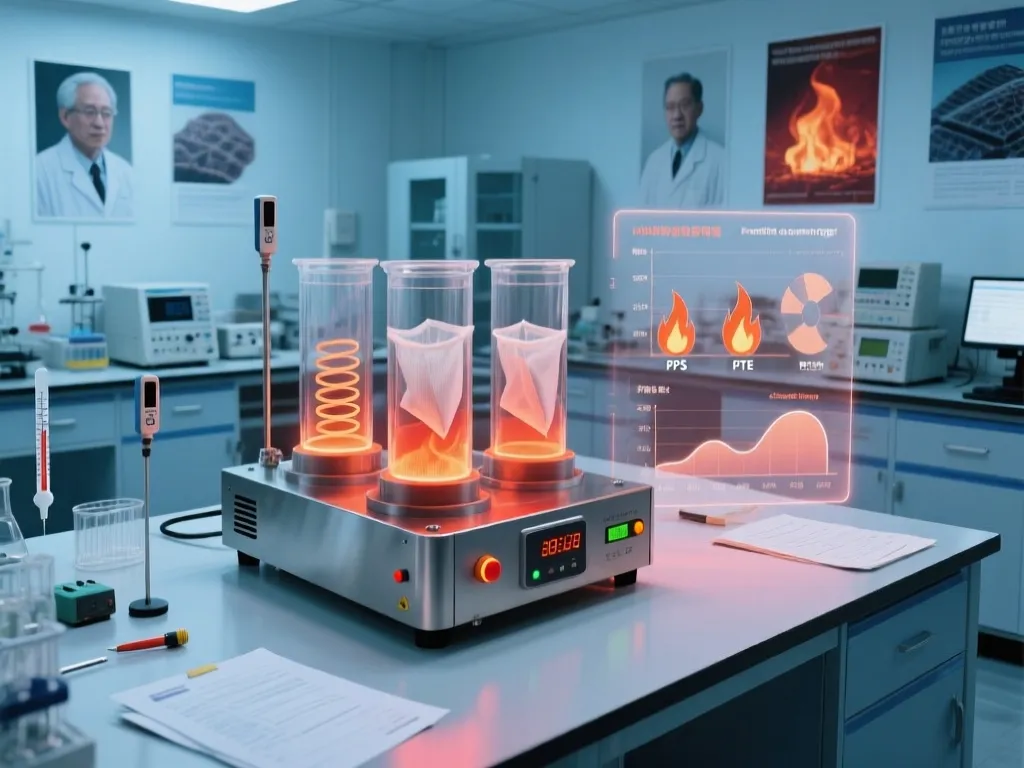
Material Performance Comparison: Actual Test Data Reveals Which Filter Bag Material Reigns Supreme at High Temperatures
When it comes to selecting the best filter bag material for high – temperature applications, nothing speaks louder than actual test data. In this section, we’ll dive deep into the performance of different filter bag materials under extreme heat, comparing key metrics such as temperature resistance range, thermal stability, and shrinkage rate. Let’s start with the temperature resistance range. This is a fundamental parameter that determines how well a material can withstand high – temperature environments. We tested several common filter bag materials, including PPS (polyphenylene sulfide), PTFE (polytetrafluoroethylene), and glass fiber. PPS showed an impressive temperature resistance range, typically able to handle continuous operating temperatures up to around 190°C. However, when the temperature exceeded this limit, its performance started to decline gradually. PTFE, on the other hand, is a real champion in terms of temperature resistance. It can withstand continuous temperatures up to 260°C without significant degradation. This makes it an ideal choice for applications where extremely high temperatures are a constant factor, like in some chemical processing and power generation industries. Glass fiber also has a decent temperature resistance range, usually up to about 280°C for short – term exposure. But for long – term continuous use, it’s better suited for temperatures below 260°C. Now, let’s talk about thermal stability. This refers to a material’s ability to maintain its physical and chemical properties under high – temperature conditions. We conducted a series of tests where we exposed the materials to high temperatures for extended periods and then measured any changes in their strength, flexibility, and chemical composition. PPS showed good initial thermal stability, but over time, especially at higher temperatures close to its upper limit, it started to lose some of its strength. This could lead to premature failure of the filter bag in real – world applications. PTFE demonstrated excellent thermal stability. Even after long – term exposure to high temperatures, it retained its strength and flexibility almost unchanged. Glass fiber had relatively good thermal stability in terms of strength retention. However, it was more prone to chemical changes at high temperatures compared to PTFE. Some of the binders used in glass fiber filter bags could break down, affecting the overall performance and lifespan of the filter. Finally, the shrinkage rate is another important factor to consider. A high shrinkage rate can cause problems such as improper fit in the filter housing, leading to leaks and reduced filtration efficiency. In our tests, PPS had a moderate shrinkage rate at high temperatures. At around 190°C, it could shrink by about 2 – 3% over a period of several hours. PTFE had an extremely low shrinkage rate. Even at its maximum operating temperature of 260°C, the shrinkage was less than 1% over the same time frame. This ensures a consistent and reliable fit in the filter system. Glass fiber had a relatively higher shrinkage rate compared to PTFE. At 260°C, it could shrink by about 3 – 4%, which might require more frequent replacement or adjustment of the filter bags in some applications.
Temperature Resistance Range: PPS vs. PTFE vs. Glass Fiber
PPS showed an impressive temperature resistance range, typically able to handle continuous operating temperatures up to around 190°C. However, when the temperature exceeded this limit, its performance started to decline gradually. PTFE, on the other hand, is a real champion in terms of temperature resistance. It can withstand continuous temperatures up to 260°C without significant degradation. This makes it an ideal choice for applications where extremely high temperatures are a constant factor, like in some chemical processing and power generation industries. Glass fiber also has a decent temperature resistance range, usually up to about 280°C for short – term exposure. But for long – term continuous use, it’s better suited for temperatures below 260°C.
Thermal Stability: A Closer Look at Each Material
We conducted a series of tests where we exposed the materials to high temperatures for extended periods and then measured any changes in their strength, flexibility, and chemical composition. PPS showed good initial thermal stability, but over time, especially at higher temperatures close to its upper limit, it started to lose some of its strength. This could lead to premature failure of the filter bag in real – world applications. PTFE demonstrated excellent thermal stability. Even after long – term exposure to high temperatures, it retained its strength and flexibility almost unchanged. Its chemical composition also remained stable, which is crucial in environments where corrosive substances might be present along with high heat. Glass fiber had relatively good thermal stability in terms of strength retention. However, it was more prone to chemical changes at high temperatures compared to PTFE. Some of the binders used in glass fiber filter bags could break down, affecting the overall performance and lifespan of the filter.
Shrinkage Rate: How Each Material Holds Up Under Heat
A high shrinkage rate can cause problems such as improper fit in the filter housing, leading to leaks and reduced filtration efficiency. In our tests, PPS had a moderate shrinkage rate at high temperatures. At around 190°C, it could shrink by about 2 – 3% over a period of several hours. PTFE had an extremely low shrinkage rate. Even at its maximum operating temperature of 260°C, the shrinkage was less than 1% over the same time frame. This ensures a consistent and reliable fit in the filter system. Glass fiber had a relatively higher shrinkage rate compared to PTFE. At 260°C, it could shrink by about 3 – 4%, which might require more frequent replacement or adjustment of the filter bags in some applications.

Comprehensive Evaluation and Recommendations: Analyzing Each Material Based on Test Results
Now that we’ve delved into the test methods and seen the actual performance data of different filter bag materials under high – temperature conditions, it’s time for a comprehensive evaluation and some practical recommendations. Let’s start with P84 polyimide. This material truly shines when it comes to high – temperature resistance. With a continuous operating temperature of up to 260°C and the ability to withstand short – term peaks of 280°C, it’s a top – tier choice for extremely demanding high – temperature environments. Its thermal stability is outstanding, showing minimal degradation even after prolonged exposure to high temperatures. In terms of shrinkage rate, it remains relatively low, ensuring a consistent fit within the filtration system. So, if you’re operating in industries like incineration plants, where the flue gas temperatures can be extremely high and consistent performance over long periods is crucial, P84 polyimide is an excellent option. It can handle the harsh conditions without compromising on filtration efficiency.
Next up is PTFE (Polytetrafluoroethylene). PTFE offers a continuous operating temperature of around 260°C as well, but it has an edge in terms of chemical resistance along with its high – temperature capabilities. This makes it ideal for applications where both high temperatures and corrosive substances are present. For example, in the chemical processing industry, where various chemicals are used at elevated temperatures, PTFE filter bags can provide reliable filtration without being damaged by the chemicals. Its thermal stability is also commendable, maintaining its structure and performance even under high – temperature stress. However, one thing to note is that PTFE can be relatively more expensive compared to some other materials. But if your application demands both high – temperature and chemical resistance, the investment is well worth it. For a more in – depth look at PTFE – related filtration solutions, you can explore our non – woven polyester felt high – temperature resistant filtration solution (although it’s not exactly PTFE, it gives an idea of similar high – temperature filtration concepts).
Now, let’s talk about glass fiber. Glass fiber filter bags are a cost – effective solution for moderate high – temperature applications. They can typically handle continuous operating temperatures up to 280°C. While their thermal stability is good, they may not be as resistant to sudden temperature changes as some other materials. In terms of shrinkage rate, they can show a bit more variation compared to P84 and PTFE. But for industries like cement production, where the temperature is high but not as extreme as in incineration plants, glass fiber filter bags offer a great balance between performance and cost. They can effectively capture dust and particulate matter at these temperatures without breaking the bank. For more details on glass – fiber – based filtration products, check out our woven fiberglass dust filter felt cloth.
Aramid fibers, such as Nomex and Kevlar, are also worth considering. They have a continuous operating temperature range of around 200 – 240°C. Aramid fibers are known for their excellent strength – to – weight ratio and good thermal stability. They are often used in applications where mechanical strength is as important as high – temperature resistance. For instance, in some metal processing industries, where the combination of high temperatures and the need to withstand mechanical stress during the filtration process is common, aramid fiber filter bags can be a suitable choice. They can handle the heat while also being able to resist wear and tear from the moving parts and the particulate matter in the air. To learn more about aramid – fiber – based filtration media, visit our aramid fiber felt high – temperature resistant filtration media page.
So, how do you decide which material is best for your specific application? First, consider the temperature range in your operation. If it’s consistently in the extremely high range (above 260°C), P84 or PTFE are likely your best bets. If the temperature is a bit lower but still in the moderate high – temperature zone (around 200 – 260°C), glass fiber or aramid fibers could be more cost – effective options. Also, think about the presence of chemicals. If your process involves corrosive substances along with high temperatures, PTFE’s chemical resistance makes it a standout choice. And don’t forget about the mechanical requirements. If your filtration system is subject to a lot of mechanical stress, aramid fibers’ strength can be a deciding factor. In conclusion, each of these high – temperature filter bag materials has its own set of advantages and is suitable for different application scenarios. By carefully evaluating your specific needs in terms of temperature, chemicals, and mechanical stress, you can make an informed decision and select the material that will provide the best performance and longevity for your industrial filtration system.
So, which filter bag material is best for high temperature? The answer depends on your specific application requirements. As we’ve seen, each material has its strengths and weaknesses when it comes to high-temperature performance. By understanding these differences and considering factors like temperature range, thermal stability, and shrinkage rate, you can make an informed decision. Remember, choosing the right filter bag material is an investment in efficiency and reliability. If you’re still unsure which material is best for your needs, why not reach out to our experts for personalized advice? And don’t forget to share this guide with your colleagues who might be facing similar challenges in high-temperature filtration!