
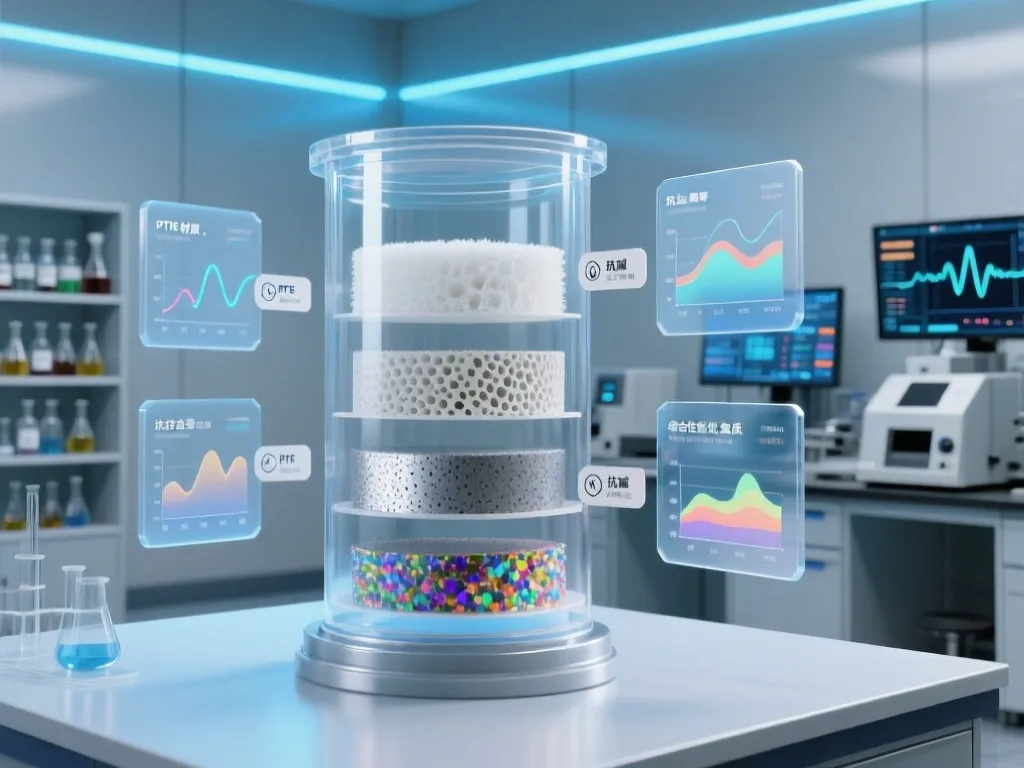
When it comes to industrial filtration, dealing with corrosive environments is no small feat. Whether you’re battling strong acids, harsh alkalis, or relentless salt spray, choosing the right filter material is crucial. So, what filter material works in corrosive environments? This guide dives deep into the world of corrosion-resistant filtration, helping you make informed decisions that enhance equipment performance and longevity.
Filter Material Selection in Strong Acid Environments: Exploring the Acid Resistance of PTFE, Hastelloy, and Other Materials
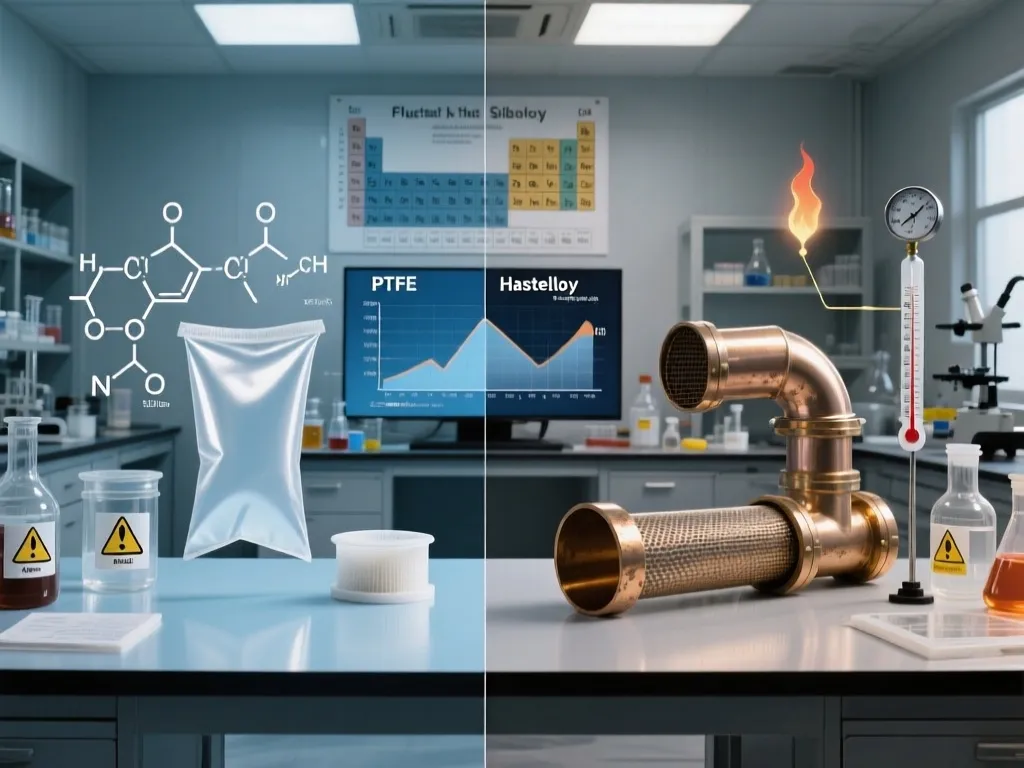
When it comes to industrial filtration in strong acid environments, choosing the right filter material isn’t just a matter of preference—it’s a critical decision that can make or break your operation. Strong acids like sulfuric acid, hydrochloric acid, and nitric acid are notorious for their corrosive properties, which can quickly degrade many common materials. So, what filter material works in corrosive environments, especially when acids are involved? Let’s dive into the world of PTFE, Hastelloy, and other acid-resistant materials to find out. First up is polytetrafluoroethylene, or PTFE for short. This synthetic fluoropolymer is a superstar in the world of acid resistance. PTFE’s chemical structure is packed with fluorine atoms, which create a robust barrier against most acids. In fact, PTFE is so resistant to acids that it’s often used in applications where other materials would quickly fail. But what makes PTFE truly stand out is its versatility. It can be molded into various shapes and sizes, making it suitable for a wide range of filtration needs, from simple filter bags to complex filter cartridges. However, PTFE isn’t without its limitations. While it excels in acid resistance, it’s not as strong as some other materials when it comes to mechanical stress. This means that in high-pressure or high-flow applications, PTFE filters might need additional support or reinforcement to prevent damage. Additionally, PTFE can be more expensive than some other materials, so it’s important to weigh the cost against the benefits when making your decision. Next on our list is Hastelloy, a family of nickel-based alloys known for their exceptional corrosion resistance. Hastelloy alloys, such as Hastelloy C-276 and Hastelloy B-3, are specifically designed to withstand the harshest of chemical environments, including strong acids. These alloys contain a mix of nickel, molybdenum, and chromium, which work together to form a passive oxide layer on the surface of the material. This layer acts as a shield, preventing the acid from attacking the underlying metal. One of the key advantages of Hastelloy is its strength. Unlike PTFE, which can be somewhat fragile under mechanical stress, Hastelloy is incredibly durable. This makes it ideal for high-pressure applications where a strong, reliable filter is essential. Additionally, Hastelloy can withstand a wide range of temperatures, from cryogenic to extremely high, making it suitable for a variety of industrial processes. But like PTFE, Hastelloy isn’t perfect. Its high cost can be a barrier for some applications, especially when large quantities of filter material are needed. Furthermore, Hastelloy can be more difficult to machine and fabricate than some other materials, which can add to the overall cost and lead time of your filtration system. So, how do you decide between PTFE and Hastelloy for your strong acid filtration needs? The answer depends on several factors, including the specific acid you’re dealing with, the concentration and temperature of the acid, the pressure and flow rate of your process, and your budget. In some cases, a combination of both materials might be the best solution, leveraging the acid resistance of PTFE with the strength and durability of Hastelloy. It’s also worth mentioning that there are other materials out there that can offer some level of acid resistance, depending on the application. For example, certain grades of stainless steel, such as 316L, can withstand mild acids under certain conditions. However, for truly strong acid environments, PTFE and Hastelloy are generally the go-to choices. For applications requiring high-efficiency filtration in corrosive environments, consider exploring our felt filter solutions, which are designed to meet stringent industrial demands. In conclusion, when it comes to filter material selection in strong acid environments, PTFE and Hastelloy are two of the most reliable options available. Each has its own strengths and limitations, so it’s important to carefully consider your specific needs before making a decision. By choosing the right material, you can ensure that your filtration system operates efficiently and effectively, even in the harshest of chemical environments.
PTFE: The Acid-Resistant Champion
PTFE’s acid resistance is unmatched, thanks to its fluorine-rich chemical structure. This material can withstand a wide range of acids, making it a popular choice for filtration in chemical processing, pharmaceuticals, and other industries where acid exposure is common. However, its mechanical strength is limited, so it’s often used in conjunction with other materials or in low-pressure applications.
Hastelloy: The Strong and Durable Option
Hastelloy alloys are renowned for their corrosion resistance and strength. These materials can handle strong acids at high temperatures and pressures, making them ideal for demanding industrial processes. While Hastelloy is more expensive than PTFE, its durability and versatility often justify the cost, especially in critical applications where reliability is paramount.
Choosing the Right Material for Your Needs
Selecting the right filter material for your strong acid environment requires careful consideration of several factors. These include the type and concentration of the acid, the temperature and pressure of your process, and your budget constraints. By understanding the strengths and limitations of PTFE and Hastelloy, you can make an informed decision that ensures optimal performance and longevity for your filtration system.
Best Filter Materials for Alkaline Conditions: Ceramic and Fiberglass Performance
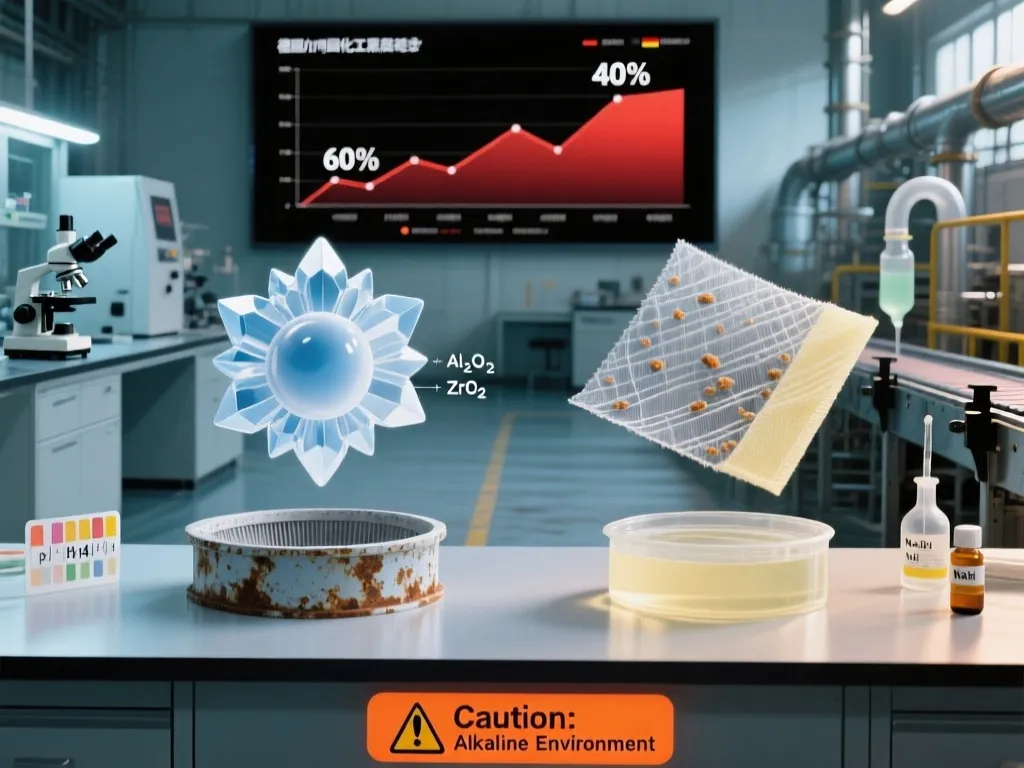
When it comes to filtering in alkaline environments, choosing the right material isn’t just about durability—it’s about ensuring your system operates efficiently without frequent breakdowns. Let’s dive into two top contenders: ceramic and fiberglass. These materials aren’t just tough; they’re specifically engineered to thrive where others fail. Ceramic filters are like the superheroes of alkaline resistance. Their secret? A crystalline structure that laughs off caustic substances. Unlike metals that can corrode or plastics that might degrade, ceramics maintain their integrity even when exposed to strong bases like sodium hydroxide (NaOH) or potassium hydroxide (KOH). This makes them ideal for applications in chemical processing, wastewater treatment, and even food and beverage industries where hygiene is non-negotiable. But here’s the kicker: not all ceramics are created equal. Alumina (Al₂O₃) and zirconia (ZrO₂) ceramics are standouts due to their high chemical stability. Alumina, for instance, can withstand pH levels up to 14 without breaking a sweat. Zirconia takes it a step further, offering superior thermal shock resistance—a bonus if your process involves temperature fluctuations. Now, let’s talk fiberglass. You might think, ‘Isn’t that just for insulation?’ Think again. Modern fiberglass filters are reinforced with special resins that make them resistant to alkaline attack. They’re lightweight, cost-effective, and surprisingly durable in the right conditions. For those seeking a specific fiberglass solution, consider exploring our woven fiberglass dust filter felt cloth, which offers high efficiency for industrial dust collection. Fiberglass shines in applications where airflow is critical, like HVAC systems or dust collection in alkaline manufacturing processes. However, there’s a catch: fiberglass isn’t invincible. Prolonged exposure to highly concentrated alkalis can weaken the resin over time, leading to potential fiber release—a no-go in industries where contamination is a deal-breaker. So, how do these materials perform in the real world? Let’s look at a case study. A chemical plant in Germany switched from traditional metal filters to ceramic ones for their NaOH purification process. The result? A 60% reduction in downtime due to corrosion-related failures and a 40% longer lifespan for the filters themselves. That’s not just savings—it’s peace of mind. But before you rush to order ceramic filters for every alkaline application, consider this: temperature matters. While ceramics handle heat like a champ, extreme cold can make them brittle. Similarly, fiberglass filters might struggle in environments where moisture and alkalis team up—a recipe for resin degradation. So, what’s the takeaway? For high-pH, high-temperature applications, ceramic is your go-to. For moderate alkali exposure with a focus on airflow, fiberglass offers a compelling mix of performance and affordability. The key is matching the material to your specific process conditions. And remember, even the best filter material needs proper maintenance. Regular inspections, timely replacements, and understanding the limits of your chosen material will ensure your system runs smoothly for years to come.
Ceramic Filters: The Alkaline-Resistant Champions
Ceramic filters are engineered to withstand the harshest alkaline environments. Their crystalline structure provides unmatched resistance to caustic substances, making them ideal for chemical processing and wastewater treatment. Alumina and zirconia ceramics are particularly effective, with alumina handling pH levels up to 14 and zirconia offering superior thermal shock resistance. These materials ensure long-term durability and minimal downtime, even in the most demanding applications.
Fiberglass Filters: Lightweight and Cost-Effective
Fiberglass filters, reinforced with special resins, offer a cost-effective solution for alkaline environments where airflow is critical. They excel in HVAC systems and dust collection in manufacturing processes. For those interested in a non-woven option, our non-woven polyester felt provides a high-temperature-resistant filtration solution, though it’s important to note that for direct alkaline resistance, fiberglass remains a top choice. However, prolonged exposure to highly concentrated alkalis can weaken the resin, leading to potential fiber release. This makes them less suitable for industries where contamination is a concern, but they remain a viable option for moderate alkali exposure with proper maintenance.
Real-World Performance: A Case Study
A chemical plant in Germany switched from metal to ceramic filters for their NaOH purification process, resulting in a 60% reduction in downtime and a 40% longer filter lifespan. This demonstrates the tangible benefits of choosing the right material for alkaline applications. For those dealing with high-temperature dust collection, our aramid fiber felt offers a high-temperature-resistant filtration media option, though ceramic filters may still be preferable in highly alkaline environments. However, temperature and moisture must be considered to avoid brittleness or resin degradation, ensuring optimal performance and longevity.

Salt Spray and Other Corrosive Environment Filtration Strategies: Analyzing the Corrosion Resistance of Stainless Steel, Titanium Alloys, and Custom Solutions for Special Corrosive Media
When it comes to filtration in salt spray and other corrosive environments, selecting the right filter material is crucial for ensuring long-term performance and durability. Salt spray, often encountered in coastal areas or industrial settings with high humidity and salt exposure, can wreak havoc on many materials, leading to premature failure and costly downtime. So, what filter material works in corrosive environments like these? Let’s dive into the properties of stainless steel, titanium alloys, and explore custom solutions for more specialized needs. Stainless steel, a common choice for many industrial applications, offers decent corrosion resistance in mild to moderate salt spray conditions. Its chromium content forms a passive oxide layer on the surface, which helps protect against corrosion. However, in harsher environments with high chloride concentrations or prolonged exposure, stainless steel may still succumb to pitting or crevice corrosion. This is where titanium alloys come into play. Titanium alloys, particularly those with added elements like aluminum and vanadium, exhibit exceptional corrosion resistance in salt spray and other aggressive environments. Their natural oxide layer is more stable and tenacious than that of stainless steel, providing superior protection against pitting, crevice corrosion, and stress corrosion cracking. This makes titanium alloys an ideal choice for applications where long-term reliability is paramount, such as in marine environments, chemical processing plants, or offshore oil and gas operations. But what if your application involves a special corrosive medium that doesn’t fit neatly into the ‘salt spray’ category? Maybe you’re dealing with a highly acidic or alkaline solution, or a mixture of corrosive substances that pose unique challenges. In these cases, a one-size-fits-all approach won’t cut it. Instead, you need a custom filtration solution tailored to your specific needs. Custom solutions might involve combining different materials to leverage their respective strengths. For example, you could use a titanium alloy frame with a PTFE (polytetrafluoroethylene) filter element to handle a highly corrosive liquid with suspended solids. Or, you might opt for a ceramic filter coated with a special corrosion-resistant coating for use in a caustic environment. The key is to work closely with a knowledgeable supplier who understands the nuances of corrosion resistance and can help you design a filtration system that meets your exact requirements. They can conduct thorough testing and analysis to ensure that your chosen materials will perform as expected in your specific application, saving you time, money, and headaches down the road. So, when you’re faced with the challenge of selecting a filter material for a corrosive environment, don’t settle for a generic solution. Consider the unique properties of stainless steel and titanium alloys, and don’t be afraid to explore custom options if your application demands it. With the right approach, you can find a filtration solution that stands up to the toughest conditions and keeps your operations running smoothly.
Stainless Steel in Salt Spray Environments
Stainless steel’s corrosion resistance in salt spray environments stems from its chromium content, which forms a passive oxide layer. However, this protection has its limits, especially in harsh conditions with high chloride concentrations. Prolonged exposure can lead to pitting or crevice corrosion, compromising the material’s integrity. Therefore, while stainless steel is a viable option for mild to moderate salt spray, it may not be suitable for all applications.
Titanium Alloys: The Superior Choice
Titanium alloys, with their stable and tenacious oxide layers, offer superior corrosion resistance compared to stainless steel. They excel in salt spray and other aggressive environments, resisting pitting, crevice corrosion, and stress corrosion cracking. This makes them ideal for applications where reliability is critical, such as in marine, chemical processing, or offshore oil and gas settings.
Custom Solutions for Special Corrosive Media
When dealing with special corrosive media that don’t fit the salt spray mold, custom filtration solutions become necessary. These might involve combining materials, like a titanium alloy frame with a PTFE filter element, or using ceramic filters with special coatings. Working with a knowledgeable supplier is key to designing a system that meets your exact needs and performs reliably in your specific application.
Selecting the right filter material for corrosive environments isn’t just about durability—it’s about optimizing performance, minimizing downtime, and safeguarding your investments. From PTFE’s acid-defying prowess to ceramic’s alkaline resilience, every material has its role. Remember, the best choice depends on your specific medium, temperature, and pressure conditions. Ready to elevate your filtration game? Dive deeper into our solutions or reach out for a custom consultation—your corrosion-proof future starts here!