

When it comes to industrial filtration, ensuring your filter bags fit perfectly is crucial for maintaining optimal performance. But have you ever found yourself scratching your head, wondering, ‘How to measure filter bags for replacement?’ You’re not alone! Many maintenance pros and equipment operators face this challenge. In this guide, we’ll walk you through a simple, step-by-step process to measure filter bags accurately, ensuring a seamless replacement every time. Ready to dive in?
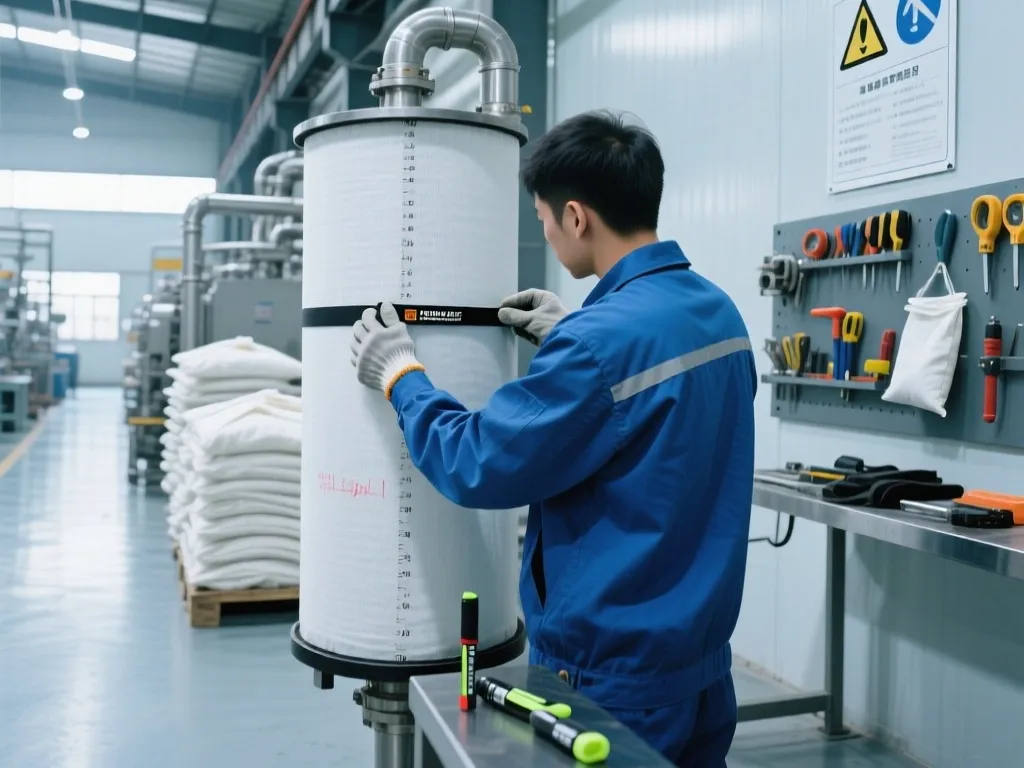
Step 1: Gather Your Measurement Tools
Before you even think about measuring your filter bags for replacement, the first and most crucial step is to gather all the necessary tools. Trust me, having the right tools at hand will make the whole process a breeze and save you from a lot of frustration down the line. So, what exactly do you need? Let’s dive in.
The most fundamental tool you’ll need is a reliable measuring tape. This isn’t just any old measuring tape you might have lying around in your toolbox; it needs to be a sturdy one that can handle the industrial environment. Why? Because filter bags are often used in harsh conditions where dust, moisture, and even chemicals are present. A flimsy measuring tape might break or get damaged easily, leading to inaccurate measurements. A good-quality measuring tape, on the other hand, will be able to withstand these conditions and provide you with precise readings every time. Look for one with clear markings and a locking mechanism that allows you to hold the measurement in place while you record it. This will ensure that you don’t accidentally move the tape and get an incorrect measurement.
Next up is a marking pen. Now, you might be thinking, ‘Why do I need a marking pen?’ Well, let me tell you. When you’re measuring a filter bag, especially if it’s a large one, it can be difficult to keep track of where you started and ended your measurement. A marking pen allows you to make a small, but visible, mark on the filter bag at the starting and ending points of your measurement. This way, you can easily double-check your work and make sure you’re measuring the correct section. Plus, if you’re measuring multiple filter bags, having marks on each one will help you keep track of which ones you’ve already measured and which ones still need to be done. Choose a marking pen that’s designed for industrial use, as it will be more durable and less likely to smudge or fade over time.
In addition to these two main tools, you might also want to consider having a pair of gloves on hand. While not strictly necessary for the measurement process itself, gloves can protect your hands from any sharp edges or rough surfaces on the filter bag. They can also help you get a better grip on the measuring tape, especially if your hands are sweaty or dirty. And let’s face it, in an industrial setting, your hands are probably going to be a bit messy from time to time.
Now, you might be wondering why all these tools are so important. Can’t you just eyeball it or use a rough estimate? The answer is a resounding no. When it comes to replacing filter bags, accuracy is key. A filter bag that’s too small won’t fit properly in your filtration system, leading to leaks and reduced efficiency. On the other hand, a filter bag that’s too large can cause problems too, such as getting stuck or not sealing correctly. Either way, an ill-fitting filter bag can cause damage to your equipment and result in costly downtime. By using the right tools and taking accurate measurements, you can ensure that you get the perfect fit every time, saving you time, money, and headaches in the long run.
The Role of a Sturdy Measuring Tape
A sturdy measuring tape is the backbone of your measurement process. In an industrial setting, you need a tool that can handle the wear and tear of daily use. A measuring tape with a durable casing and a strong, flexible tape is ideal. It should be able to extend fully without bending or kinking, ensuring that you can measure long distances accurately. The markings on the tape should be clear and easy to read, even in low-light conditions. Some measuring tapes also come with additional features like a built-in level or a magnetic tip, which can be useful in certain situations. But for measuring filter bags, the most important thing is that it provides accurate and consistent measurements.
Why a Marking Pen is Essential
A marking pen might seem like a small detail, but it can make a big difference in the accuracy of your measurements. When you’re measuring a filter bag, especially if it’s a complex shape or has multiple layers, it’s easy to lose track of where you started. By making a mark at the starting point, you can ensure that you’re measuring from the same spot every time. This is especially important if you’re taking multiple measurements of the same filter bag or comparing measurements between different bags. A good marking pen should be able to make a clear, visible mark on the filter bag material without bleeding or smudging. It should also be resistant to fading, so that your marks remain legible even after a period of time.
The Benefits of Wearing Gloves
While gloves aren’t an absolute must-have for measuring filter bags, they can definitely make the process more comfortable and safe. In an industrial environment, filter bags can have sharp edges or rough surfaces that can cut or irritate your skin. Wearing gloves provides a layer of protection against these hazards. Additionally, gloves can improve your grip on the measuring tape, especially if your hands are wet or slippery. This can help you get more accurate measurements and reduce the risk of dropping the tape or making a mistake. Choose gloves that are made from a durable material and fit snugly on your hands for the best results.

Step 2: Determine the Measurement Areas
Alright, now that you’ve got your measuring tools ready, it’s time to roll up your sleeves and get down to the nitty-gritty of measuring your filter bags. This step is crucial because getting the dimensions right means the difference between a seamless replacement and a headache-inducing ordeal. So, let’s break down the key areas you need to measure: diameter, length, and opening size. Trust me, skipping any of these could lead to a filter bag that doesn’t fit, and that’s a problem you definitely want to avoid. For those seeking high-performance options, our high-dust-capacity filter bags are designed to meet rigorous industrial demands.
First up, let’s talk about measuring the diameter. The diameter of your filter bag is essentially the width of the circular opening at the top or bottom (depending on the design). Why is this important? Well, if the diameter is too small, the bag won’t fit into the housing properly, leading to leaks and reduced efficiency. On the flip side, if it’s too large, you might struggle to get it in at all, or worse, damage the housing trying to force it. To measure the diameter, lay the filter bag flat on a clean, even surface. Use your tape measure to find the widest point across the circular opening. Make sure to measure from one edge to the opposite edge, passing through the center. If your filter bag has an irregular shape, try to find the average diameter by taking measurements at several points and then calculating the mean. It might sound a bit tedious, but trust me, it’s worth it for a perfect fit.
Next on the list is measuring the length. This one seems straightforward, but there are a few tricks to ensure accuracy. The length of your filter bag is the distance from the top opening to the bottom seal or closure. To measure it, simply extend your tape measure along the side of the bag, starting from the edge of the top opening and ending at the bottom. Make sure the bag is laid out flat and not twisted or bunched up, as this can throw off your measurement. If your filter bag has a pleated design, measure from the top of the pleat to the bottom, ensuring you’re following the contour of the pleats. This will give you the most accurate length measurement, ensuring your new filter bag fits like a glove.
Now, let’s not forget about the opening size. This is the dimension of the hole through which the filter bag is inserted into the housing. It’s usually the same as the diameter we measured earlier, but in some cases, especially with custom or specialized filter bags, the opening size might be different. For instance, some filter bags have a reinforced opening with a different diameter than the main body. To measure the opening size, use your tape measure to find the width of the hole at its widest point. If the opening is oval or irregularly shaped, take measurements at the widest and narrowest points and note both down. This will help you find a replacement filter bag that fits snugly into the housing without any gaps or misalignments. For custom-made solutions, consider our double-layer fiberglass envelope filter bags, tailored to specific industrial needs.
But wait, there’s more! Depending on the type of filter bag you’re dealing with, there might be additional dimensions to consider. For example, some filter bags have a flange or a collar around the opening, which helps secure them in place. If your filter bag has such a feature, make sure to measure the width and length of the flange as well. This will ensure that the replacement filter bag has a compatible flange design, preventing any issues during installation. Additionally, if your filter bag has any special attachments or connectors, such as hooks or loops, measure their dimensions and positions accurately. These small details can make a big difference in the overall fit and functionality of your filter bag.
Diameter Measurement Tips
When measuring the diameter, always ensure the filter bag is laid out flat and not twisted. If the bag is pleated, gently flatten the pleats to get an accurate measurement. For bags with irregular shapes, take multiple measurements and calculate the average. This will help you find a replacement that fits perfectly, avoiding any leaks or inefficiencies. For durable options, our PTFE filter bags with steel ring mouths offer excellent resilience and longevity.
Length Measurement Tricks
For length measurement, extend your tape measure along the side of the bag, following its contour if it’s pleated. Make sure the bag is not bunched up or twisted, as this can affect the accuracy of your measurement. If the bag has a reinforced bottom or a special closure, measure from the top opening to the very bottom of the closure to get the full length.
Opening Size Considerations
The opening size is crucial for ensuring the filter bag fits into the housing properly. If the opening is oval or irregular, take measurements at both the widest and narrowest points. For bags with flanges or collars, measure the width and length of these features as well. This will help you find a replacement that not only fits the opening but also secures properly in the housing.

Step Three: Record Measurement Data
Now that you’ve got all the measurements, it’s time to jot them down. This step might seem simple, but trust me, accurate record-keeping is absolutely crucial. Why? Well, imagine you’re in the middle of a filter bag replacement, and you realize you can’t remember the exact dimensions you measured. Or worse, you mix up the measurements for different parts of the filter system. That could lead to ordering the wrong size filter bags, causing delays, extra costs, and even potential damage to your equipment. So, how do you ensure you record the data correctly? First, use a dedicated notebook or a digital spreadsheet. This way, you can keep all your measurements organized in one place. Label each measurement clearly, indicating what part of the filter bag it corresponds to (e.g., diameter, length, opening size). Don’t forget to include the date of measurement and the specific equipment or filter system the measurements are for.
Step Four: Verify Measurement Results
Once you’ve recorded your measurements, it’s time to double-check them. This step is all about ensuring accuracy and avoiding costly mistakes. There are a couple of ways you can verify your measurement results. One method is to compare your new measurements with those of the old filter bags you’re replacing. If the old filter bags are still intact and you can access them easily, lay them out flat and measure them again using the same techniques you used for the new measurements. Compare the two sets of measurements side by side. Are they similar? If there are significant differences, you might need to re-measure to identify any errors. Another way to verify your measurements is by referring to the equipment’s specifications or manual. Most industrial filter systems come with detailed documentation that includes the recommended filter bag dimensions. Check your measurements against these specifications to ensure they match up. If they don’t, you might need to investigate further to determine the cause of the discrepancy. It could be that your filter system has been modified over time, or there might be a manufacturing variation in the filter bags you’re using. In either case, verifying your measurements gives you peace of mind and ensures you’re ordering the right filter bags for your system.
Step Five: Choose the Right Filter Bag
With your accurate measurements in hand and verified results, you’re now ready to choose the right filter bag for your industrial filter system. This step is all about matching your measurements with the available filter bag options on the market. Start by looking for filter bags that match your recorded dimensions as closely as possible. Pay close attention to the diameter, length, and opening size, as these are the most critical measurements for ensuring a proper fit. If you’re having trouble finding an exact match, don’t worry. Many filter bag manufacturers offer custom sizing options or a range of standard sizes that can accommodate slight variations. For instance, you can explore our durable PTFE filter bags with steel ring mouths, which are designed for industrial dust collection and may meet your specific needs: Durable PTFE Filter Bags with Steel Ring Mouths. In addition to dimensions, consider other factors that might influence your filter bag choice, such as the material the filter bag is made from, its filtration efficiency, and its durability. For example, if you’re working in a high-temperature environment, you’ll need a filter bag that can withstand those conditions without degrading. Similarly, if you’re dealing with corrosive chemicals, you’ll need a filter bag that’s resistant to chemical damage. When in doubt, consult with the filter bag manufacturer or a knowledgeable supplier. They can provide expert advice on which filter bag is best suited for your specific application and help you navigate the various options available. Remember, choosing the right filter bag is essential for maintaining the performance and longevity of your industrial filter system. By following these steps and taking the time to measure accurately, verify your results, and select the appropriate filter bag, you can ensure a smooth and successful replacement process.
There you have it—a straightforward, five-step approach to mastering How to measure filter bags for replacement. By following these steps, you’ll eliminate guesswork, save time, and ensure your industrial filtration system runs smoothly. Remember, accurate measurements are the foundation of a successful filter bag replacement. So, why wait? Grab your tools and start measuring today! And if you found this guide helpful, don’t forget to share it with your colleagues or explore more tips on optimizing your industrial filtration setup.
n
Need Help Selecting the Right Filter?
Share your application, operating conditions, required efficiency or micron rating, dimensions, and quantity. Our filtration team will help identify a suitable solution.