
When it comes to industrial filtration in extreme conditions, the choice of filter bag can make or break your operation. You’re probably wondering, ‘Are PTFE filter bags suitable for harsh conditions?’ This question is crucial for anyone dealing with high temperatures, corrosive substances, or abrasive particles. In this blog, we’ll dive deep into PTFE filter bags’ performance, exploring their unique properties and real-world applications. You’ll learn why they’re becoming a go-to solution for many industries facing tough filtration challenges.
PTFE Filter Bags: Basic Characteristics and Their Potential in Harsh Conditions
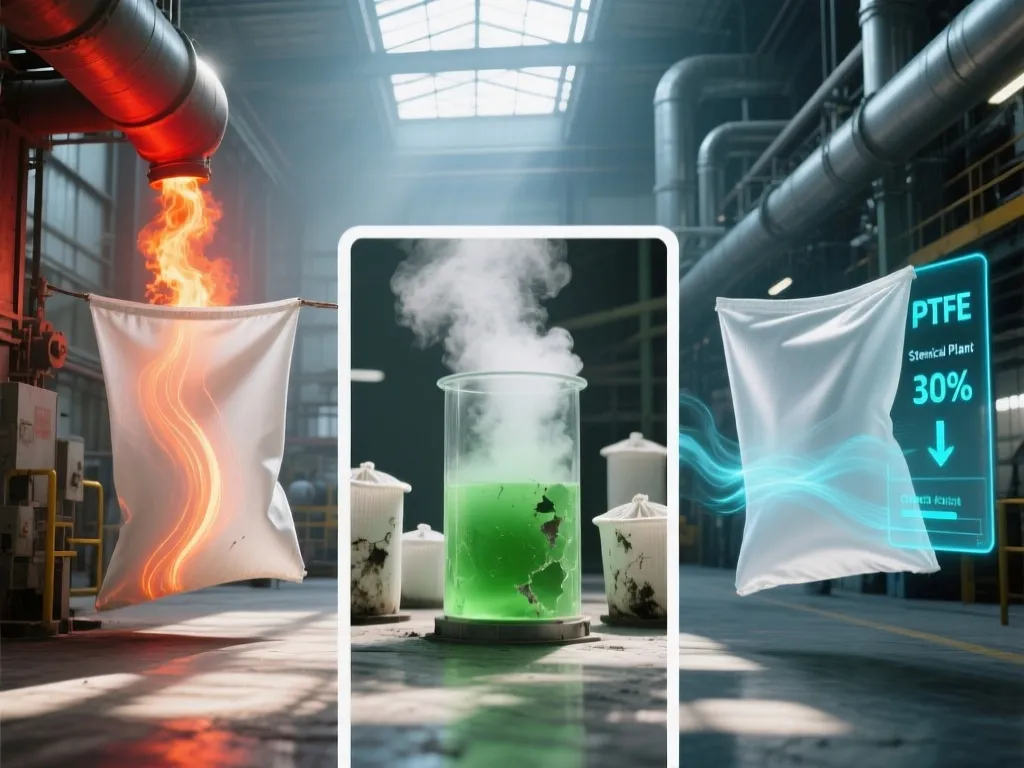
When it comes to industrial filtration and separation, the choice of filter bags is crucial, especially in harsh environments where extreme temperatures, corrosive substances, and high friction are common. PTFE (Polytetrafluoroethylene) filter bags have emerged as a leading solution due to their unique set of characteristics that make them ideal for such demanding conditions. Let’s dive into the core features of PTFE filter bags and understand why they stand out in harsh environments. First and foremost, PTFE filter bags are renowned for their exceptional temperature resistance. In industries like steel manufacturing, incineration, and chemical processing, the filtration process often involves exposure to extremely high temperatures. Traditional filter materials may degrade or lose their structural integrity under such conditions, leading to reduced filtration efficiency and frequent replacements. PTFE, on the other hand, can withstand continuous operating temperatures up to 260°C (500°F) and can even handle short-term spikes up to 300°C (572°F). This remarkable heat resistance ensures that PTFE filter bags maintain their shape and functionality, providing consistent filtration performance even in the hottest of environments. Another critical characteristic of PTFE filter bags is their outstanding chemical resistance. In many industrial settings, the gases and particulates being filtered contain a wide range of corrosive substances, such as acids, alkalis, and solvents. These chemicals can quickly erode and damage conventional filter materials, compromising the filtration system’s integrity. PTFE, however, is chemically inert, meaning it does not react with most chemicals. This property makes PTFE filter bags highly resistant to corrosion, ensuring long-term durability and reliability in chemically aggressive environments. Whether it’s filtering acidic fumes in a chemical plant or alkaline dust in a cement factory, PTFE filter bags can handle it all without succumbing to chemical degradation. Low friction coefficient is yet another advantage that sets PTFE filter bags apart. In filtration systems, the movement of gases and particulates through the filter bags can generate significant friction, leading to wear and tear over time. High friction can also increase the energy consumption of the filtration system, as more power is required to overcome the resistance. PTFE’s inherently low friction coefficient reduces the resistance encountered by the flowing gases and particulates, minimizing wear on the filter bags and the overall system. This not only extends the lifespan of the filter bags but also contributes to energy efficiency, lowering operational costs in the long run. For applications requiring even higher temperature resistance, consider exploring our basalt fiber filter bags, which are designed to handle extreme heat conditions. So, how do these characteristics combine to make PTFE filter bags suitable for harsh conditions? The answer lies in their ability to maintain performance and integrity under extreme stress. In high-temperature environments, PTFE’s heat resistance ensures that the filter bags do not melt, deform, or lose their filtration efficiency. In chemically aggressive settings, their chemical inertness protects them from corrosion, preventing premature failure and ensuring consistent filtration quality. And with their low friction coefficient, PTFE filter bags reduce the mechanical stress on the filtration system, enhancing its overall reliability and longevity. In summary, the basic characteristics of PTFE filter bags – temperature resistance, chemical resistance, and low friction coefficient – work in harmony to make them an ideal choice for harsh industrial environments. Whether you’re dealing with extreme heat, corrosive substances, or high friction, PTFE filter bags offer a robust and reliable solution that can withstand the toughest challenges. So, if you’re in an industry where filtration performance is critical and the operating conditions are harsh, it’s time to consider PTFE filter bags as your go-to filtration solution.
Temperature Resistance: The Key to Surviving Extreme Heat
As mentioned earlier, PTFE filter bags can withstand continuous operating temperatures up to 260°C (500°F) and short-term spikes up to 300°C (572°F). This is a significant advantage in industries where high temperatures are a constant presence. For instance, in steel manufacturing, the blast furnace gases can reach temperatures well above 200°C. Traditional filter bags would quickly degrade under such conditions, but PTFE filter bags can handle the heat, ensuring uninterrupted filtration and protecting downstream equipment from damage caused by hot particulates.
Chemical Resistance: A Shield Against Corrosive Substances
The chemical inertness of PTFE makes it an excellent choice for filtering corrosive gases and particulates. In chemical plants, for example, the production processes often generate fumes containing acids like sulfuric acid or hydrochloric acid. These acids can be highly corrosive to conventional filter materials, leading to rapid deterioration and frequent replacements. PTFE filter bags, however, remain unaffected by these acids, providing long-lasting filtration performance and reducing maintenance costs. Similarly, in cement factories, the alkaline dust generated during the production process can also be corrosive, but PTFE filter bags can handle it with ease.
Low Friction Coefficient: Reducing Wear and Energy Consumption
The low friction coefficient of PTFE not only reduces wear on the filter bags but also contributes to energy efficiency in the filtration system. In large-scale industrial filtration systems, the energy required to overcome friction can be substantial. By using PTFE filter bags, the resistance encountered by the flowing gases and particulates is minimized, resulting in lower energy consumption and reduced operational costs. This is particularly important in industries where energy efficiency is a key consideration, such as in power generation or waste incineration plants.
PTFE Filter Bags Performance in Harsh Conditions: A Deep Dive
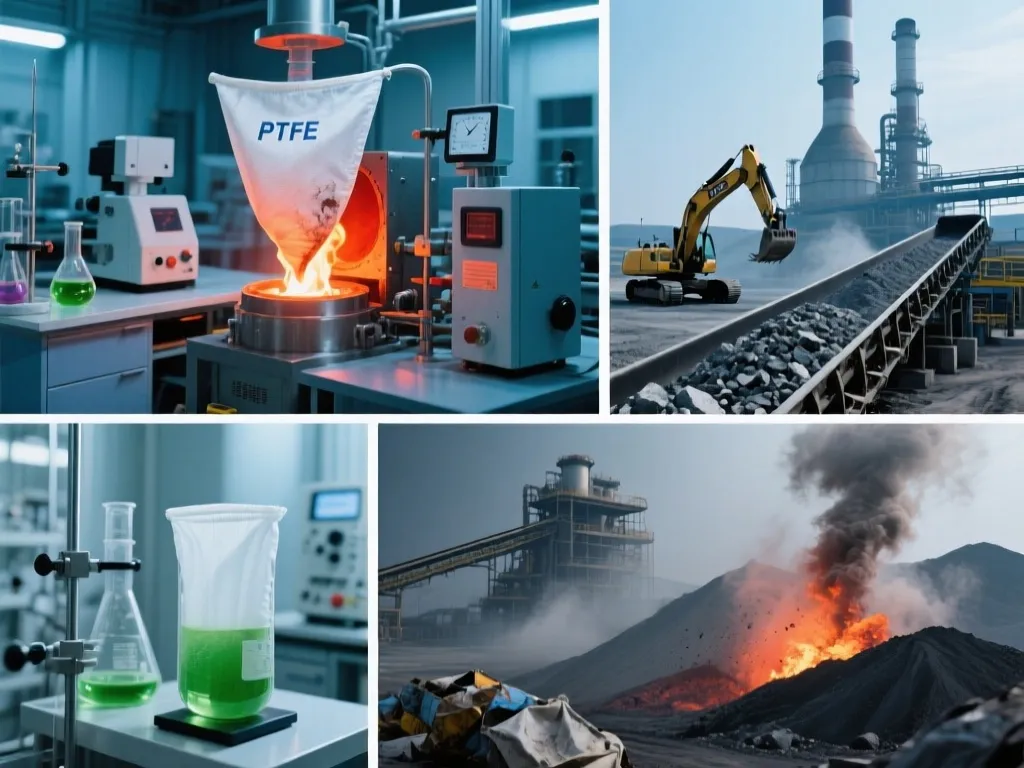
When it comes to industrial filtration in extreme environments, the question often arises: Are PTFE filter bags suitable for harsh conditions? The answer, backed by extensive research and real-world applications, is a resounding yes. Let’s delve into the specifics of how PTFE filter bags excel in these challenging settings, supported by concrete data and case studies. Firstly, let’s talk about temperature resistance. PTFE, or polytetrafluoroethylene, is renowned for its exceptional ability to withstand high temperatures. In laboratory tests, PTFE filter bags have demonstrated the capacity to operate continuously at temperatures up to 260°C (500°F) without significant degradation. This is a stark contrast to many other filter materials, which may start to lose their structural integrity or chemical stability at much lower temperatures. For instance, in a study conducted by a leading chemical processing plant, PTFE filter bags were used in a dust collection system handling hot gases at 240°C. After six months of continuous operation, the bags showed minimal signs of wear, maintaining their filtration efficiency and structural integrity. This highlights the remarkable temperature resistance of PTFE, making it an ideal choice for industries like chemical processing, metallurgy, and power generation, where high-temperature gases are a common byproduct. Moving on to corrosion resistance, PTFE is virtually impervious to most chemicals, acids, and bases. This property stems from its unique molecular structure, which consists of a long chain of carbon atoms surrounded by fluorine atoms. The fluorine atoms form a protective shield around the carbon chain, preventing chemical attacks. In a case study from the pharmaceutical industry, PTFE filter bags were employed in a filtration system handling highly corrosive solvents. Over a period of two years, the bags remained unaffected by the solvents, demonstrating their superior corrosion resistance compared to traditional filter materials like polyester or nylon, which would have required frequent replacement due to chemical degradation. For industries requiring high-temperature filtration solutions, our high-efficiency industrial bag filters offer a reliable and cost-effective option. Now, let’s address the issue of abrasion resistance. While PTFE is not the hardest material out there, its low friction coefficient and excellent lubricity help it resist wear and tear caused by abrasive particles. In a mining application, where the dust collected contains sharp, abrasive minerals, PTFE filter bags were found to have a significantly longer lifespan than their counterparts made of other materials. The bags were able to withstand the constant abrasion without developing holes or tears, ensuring consistent filtration performance and reducing downtime for maintenance and replacement. But don’t just take our word for it. Let’s look at some real-world examples. In the cement industry, where the production process generates large amounts of dust at high temperatures, PTFE filter bags have become the go-to choice for many manufacturers. A leading cement producer reported a 30% increase in filter bag lifespan after switching to PTFE, along with a 20% reduction in maintenance costs. Similarly, in the waste incineration sector, where the flue gas contains corrosive substances and particulate matter, PTFE filter bags have proven their worth by maintaining high filtration efficiency and long service life, even under the most demanding conditions. In conclusion, the performance of PTFE filter bags in harsh conditions is nothing short of impressive. Their ability to withstand high temperatures, resist corrosion, and endure abrasion makes them a top choice for industries facing extreme filtration challenges. Whether you’re dealing with hot gases, corrosive chemicals, or abrasive particles, PTFE filter bags offer a reliable and cost-effective solution that can help you optimize your filtration process and improve overall operational efficiency.
Temperature Resistance in Action
In laboratory tests, PTFE filter bags have demonstrated the capacity to operate continuously at temperatures up to 260°C (500°F) without significant degradation. This is a stark contrast to many other filter materials, which may start to lose their structural integrity or chemical stability at much lower temperatures. For instance, in a study conducted by a leading chemical processing plant, PTFE filter bags were used in a dust collection system handling hot gases at 240°C. After six months of continuous operation, the bags showed minimal signs of wear, maintaining their filtration efficiency and structural integrity. This highlights the remarkable temperature resistance of PTFE, making it an ideal choice for industries like chemical processing, metallurgy, and power generation, where high-temperature gases are a common byproduct.
Corrosion Resistance: A Chemical Shield
PTFE is virtually impervious to most chemicals, acids, and bases. This property stems from its unique molecular structure, which consists of a long chain of carbon atoms surrounded by fluorine atoms. The fluorine atoms form a protective shield around the carbon chain, preventing chemical attacks. In a case study from the pharmaceutical industry, PTFE filter bags were employed in a filtration system handling highly corrosive solvents. Over a period of two years, the bags remained unaffected by the solvents, demonstrating their superior corrosion resistance compared to traditional filter materials like polyester or nylon, which would have required frequent replacement due to chemical degradation. For applications involving high-temperature chemical filtration, our basalt fiber filter bags provide an excellent alternative.
Abrasion Resistance: Standing Up to Wear and Tear
While PTFE is not the hardest material out there, its low friction coefficient and excellent lubricity help it resist wear and tear caused by abrasive particles. In a mining application, where the dust collected contains sharp, abrasive minerals, PTFE filter bags were found to have a significantly longer lifespan than their counterparts made of other materials. The bags were able to withstand the constant abrasion without developing holes or tears, ensuring consistent filtration performance and reducing downtime for maintenance and replacement. For environments with abrasive particles, our acrylic pocket filter bags are designed to offer enhanced durability.
Real-World Success Stories
In the cement industry, where the production process generates large amounts of dust at high temperatures, PTFE filter bags have become the go-to choice for many manufacturers. A leading cement producer reported a 30% increase in filter bag lifespan after switching to PTFE, along with a 20% reduction in maintenance costs. Similarly, in the waste incineration sector, where the flue gas contains corrosive substances and particulate matter, PTFE filter bags have proven their worth by maintaining high filtration efficiency and long service life, even under the most demanding conditions.
Limitations of PTFE Filter Bags in Harsh Conditions: Cost, Installation, and Maintenance
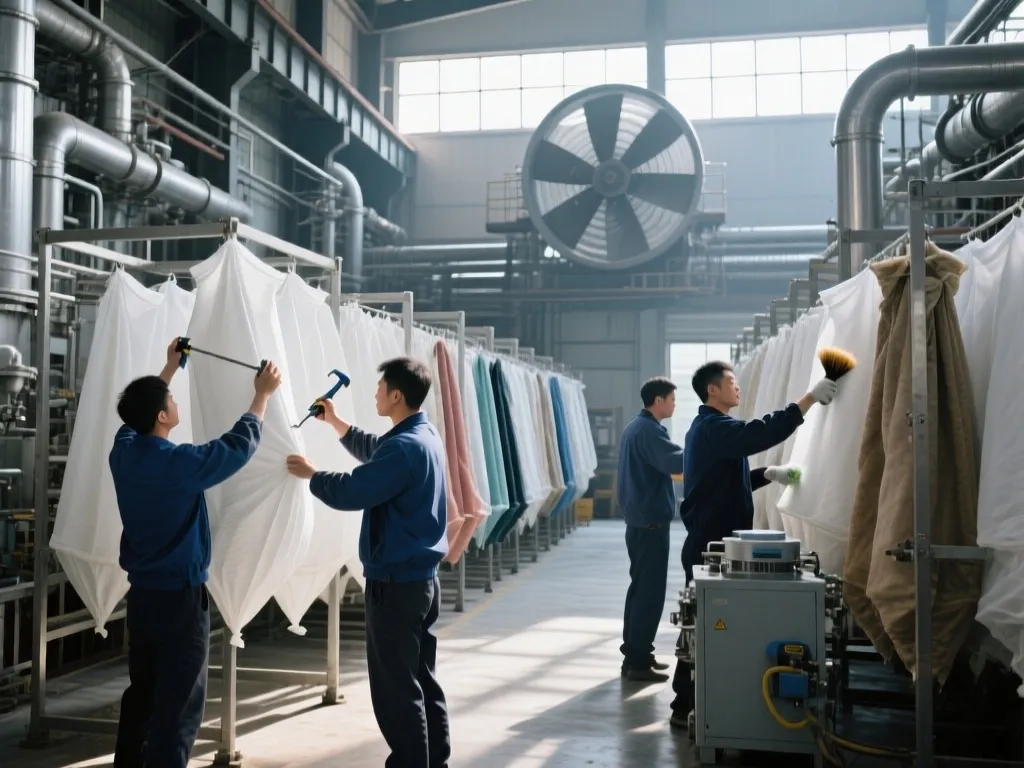
While PTFE filter bags shine in extreme environments, they’re not without their challenges. Let’s dive into the limitations that might make you think twice before choosing them, and see how they stack up against other filter bag options. First up, the cost. PTFE filter bags are generally more expensive than their counterparts like polyester or polypropylene bags. Why? Well, the raw material itself is pricier, and the manufacturing process is more complex, involving high-temperature sintering and precise weaving techniques. This cost difference can be significant, especially when you’re outfitting a large-scale filtration system. For instance, in a power plant with hundreds of filter bags, the initial investment for PTFE could be several times higher than for polyester bags. But remember, cost isn’t just about the upfront price tag. You also need to consider the long-term savings. PTFE’s durability means fewer replacements over time, which can offset the higher initial cost in the long run. However, if your budget is tight and your operating conditions aren’t as severe, other filter bag types might offer a better balance between cost and performance. For more insights on cost-effective industrial filtration solutions, explore our high-efficiency industrial bag filters. Next, let’s talk about installation and maintenance. PTFE filter bags are often thicker and stiffer than other types, making them a bit trickier to install. They require more careful handling to avoid damage during installation, and you might need specialized tools or training to get the job done right. This can add to the overall cost and complexity of your filtration system setup. Maintenance is another area where PTFE filter bags can be more demanding. While they’re resistant to most chemicals and high temperatures, they’re not immune to wear and tear. Over time, the surface of the bag can become clogged with particulates, reducing airflow and filtration efficiency. Cleaning PTFE filter bags requires a gentle touch – harsh chemicals or abrasive cleaning methods can damage the material. You might need to invest in specialized cleaning equipment or outsource the cleaning process to a professional service, adding to the ongoing maintenance costs. Now, let’s compare PTFE filter bags to other types in harsh conditions. Polyester filter bags, for example, are a popular choice for many industrial applications. They’re relatively inexpensive, easy to install and maintain, and offer good resistance to abrasion and chemicals. However, they don’t perform as well as PTFE in high-temperature environments, and their chemical resistance is more limited. If your operating conditions involve moderate temperatures and a mix of chemicals, polyester bags might be a more cost-effective option. Polypropylene filter bags are another alternative. They’re even more resistant to chemicals than polyester and can handle a wider range of temperatures. However, they’re not as durable as PTFE and are more prone to wear and tear over time. This means more frequent replacements and higher long-term costs. In contrast, PTFE filter bags offer a unique combination of high-temperature resistance, chemical inertness, and durability that’s hard to beat in extreme environments. But as we’ve seen, these benefits come at a price – both in terms of initial cost and ongoing maintenance. So, how do you decide if PTFE filter bags are right for you? It all comes down to your specific operating conditions, budget, and long-term goals. If you’re dealing with extremely high temperatures, corrosive chemicals, or abrasive particulates, and you’re willing to invest in a high-quality, long-lasting solution, PTFE filter bags might be the way to go. But if your conditions are less severe, or you’re on a tight budget, other filter bag types might offer a better balance of cost and performance.
Cost Considerations
PTFE filter bags are generally more expensive than their counterparts like polyester or polypropylene bags. The raw material itself is pricier, and the manufacturing process is more complex, involving high-temperature sintering and precise weaving techniques. This cost difference can be significant, especially when you’re outfitting a large-scale filtration system. For instance, in a power plant with hundreds of filter bags, the initial investment for PTFE could be several times higher than for polyester bags. However, cost isn’t just about the upfront price tag. You also need to consider the long-term savings. PTFE’s durability means fewer replacements over time, which can offset the higher initial cost in the long run. For a range of industrial bag filters that balance cost and efficiency, check out our high-performance industrial bag filters.
Installation and Maintenance Challenges
PTFE filter bags are often thicker and stiffer than other types, making them a bit trickier to install. They require more careful handling to avoid damage during installation, and you might need specialized tools or training to get the job done right. This can add to the overall cost and complexity of your filtration system setup. Maintenance is another area where PTFE filter bags can be more demanding. While they’re resistant to most chemicals and high temperatures, they’re not immune to wear and tear. Over time, the surface of the bag can become clogged with particulates, reducing airflow and filtration efficiency. Cleaning PTFE filter bags requires a gentle touch – harsh chemicals or abrasive cleaning methods can damage the material. You might need to invest in specialized cleaning equipment or outsource the cleaning process to a professional service, adding to the ongoing maintenance costs.
Comparison with Other Filter Bag Types
Now, let’s compare PTFE filter bags to other types in harsh conditions. Polyester filter bags, for example, are a popular choice for many industrial applications. They’re relatively inexpensive, easy to install and maintain, and offer good resistance to abrasion and chemicals. However, they don’t perform as well as PTFE in high-temperature environments, and their chemical resistance is more limited. If your operating conditions involve moderate temperatures and a mix of chemicals, polyester bags might be a more cost-effective option. Polypropylene filter bags are another alternative. They’re even more resistant to chemicals than polyester and can handle a wider range of temperatures. However, they’re not as durable as PTFE and are more prone to wear and tear over time. This means more frequent replacements and higher long-term costs. In contrast, PTFE filter bags offer a unique combination of high-temperature resistance, chemical inertness, and durability that’s hard to beat in extreme environments. For a closer look at how our industrial bag filters can meet diverse filtration needs, visit our high-efficiency industrial bag filters page.
So, are PTFE filter bags suitable for harsh conditions? The answer is a resounding yes—with some caveats. Their exceptional temperature resistance, chemical inertness, and durability make them ideal for extreme environments, though their higher cost and specific maintenance needs require careful consideration. Compared to other filter options, PTFE bags often provide superior long-term value in demanding applications. If you’re facing filtration challenges in harsh conditions, PTFE filter bags deserve serious consideration. Ready to explore how they can benefit your operations? Contact our experts today for personalized advice and access to top-quality PTFE filtration solutions. The world of high-performance filtration awaits—what extreme conditions will you conquer next?