
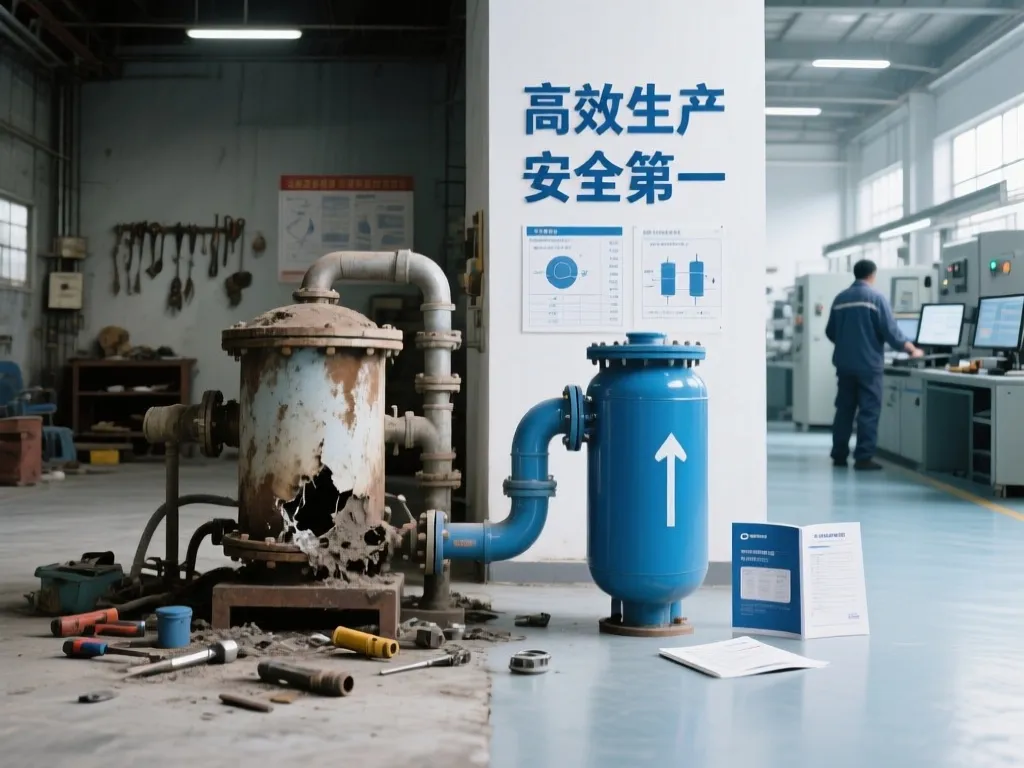
Choosing the right industrial filter isn’t just about ticking a box—it’s about safeguarding your production line, avoiding costly downtime, and ensuring long-term efficiency. Yet, many businesses still fall into common traps, like prioritizing price over performance or ignoring compatibility issues. The result? Filters that clog faster, wear out sooner, or even damage equipment. So, How to avoid choosing the wrong industrial filter? Let’s break down the 5 biggest mistakes—and how to sidestep them—so you can make smarter decisions from day one.
Error 1: Overlooking Application Scenario Compatibility
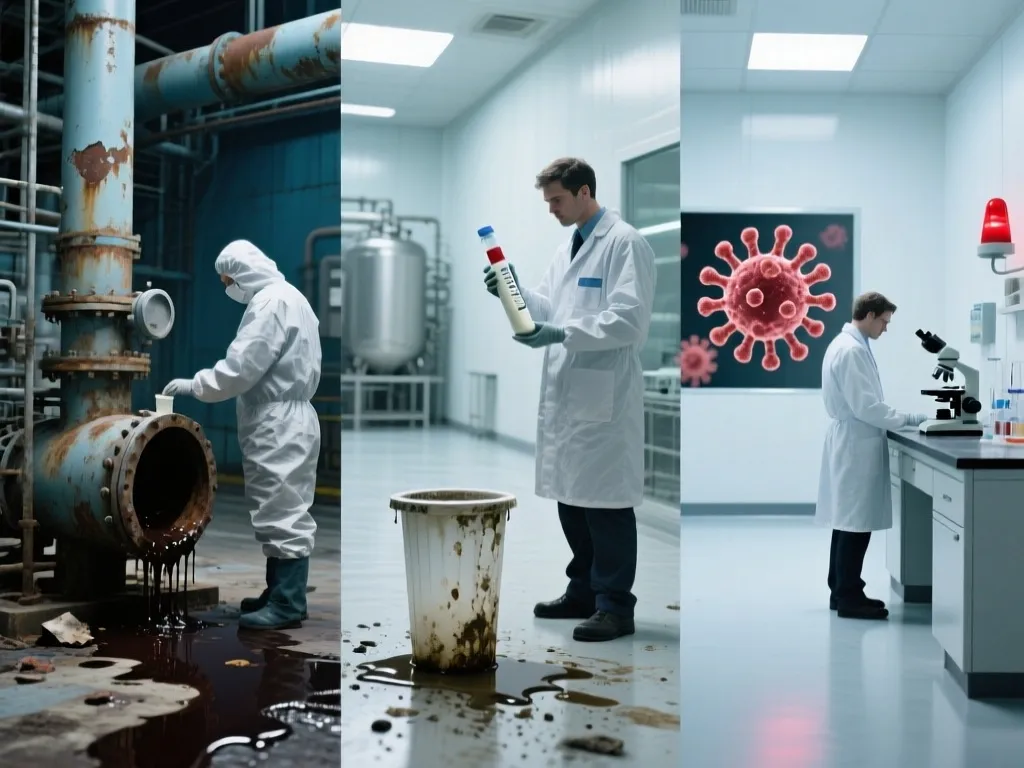
When it comes to selecting industrial filters, one of the most critical yet often overlooked aspects is ensuring compatibility with the specific application scenario. Different industries, such as chemical, food, and pharmaceutical, have unique requirements for filters due to the nature of the substances being processed, the operating conditions, and regulatory standards. Let’s delve into the specifics of each industry to understand why application scenario compatibility is so crucial and what could go wrong if you ignore it.In the chemical industry, filters are exposed to a wide range of corrosive chemicals, high temperatures, and sometimes even high-pressure environments. For instance, in a petrochemical plant, filters need to handle hydrocarbons, sulfur compounds, and other aggressive chemicals. If you choose a filter that’s not designed to withstand these conditions, it can quickly degrade, leading to leaks, contamination of the product stream, and potential safety hazards. Imagine a scenario where a low-quality filter fails in a chemical processing line, causing a hazardous chemical spill. Not only would this result in costly cleanup and production downtime, but it could also pose serious health risks to workers and the environment.Now, let’s shift our focus to the food industry. Here, hygiene and product purity are of utmost importance. Filters used in food processing must be made from food-grade materials that are non-toxic, non-reactive, and easy to clean. They also need to meet strict regulatory standards set by agencies like the FDA (Food and Drug Administration) in the United States. Suppose you install a filter that’s not food-grade in a dairy processing plant. Over time, the filter material could leach into the milk, contaminating the product and potentially causing health issues for consumers. Moreover, such a filter might not be able to effectively remove bacteria and other microorganisms, leading to spoilage and reduced shelf life of the food products.In the pharmaceutical industry, the stakes are even higher. Filters play a vital role in ensuring the purity and sterility of drugs and other pharmaceutical products. They must be able to remove even the tiniest particles and microorganisms to meet the stringent quality control requirements. For example, in the production of injectable drugs, filters with a high filtration efficiency are essential to prevent contamination that could cause severe health problems or even death in patients. If you opt for a subpar filter that doesn’t meet the necessary standards, you run the risk of producing contaminated drugs, which can lead to legal liabilities, damage to your brand reputation, and most importantly, harm to patients.So, how can you avoid making the mistake of overlooking application scenario compatibility? The first step is to thoroughly understand the requirements of your specific industry. Research the types of substances you’ll be filtering, the operating conditions (temperature, pressure, etc.), and any regulatory standards that apply. Then, work closely with a reputable filter manufacturer or supplier who has experience in your industry. They can help you select a filter that’s specifically designed for your application, ensuring optimal performance, reliability, and compliance with all relevant regulations. Remember, choosing the right industrial filter is not just about getting the job done; it’s about protecting your workers, your products, and your bottom line. By taking the time to consider application scenario compatibility, you can avoid costly mistakes and ensure the smooth operation of your industrial processes.
Chemical Industry Filtration Challenges
In the chemical industry, the diversity of substances processed poses significant challenges for filtration. From strong acids and bases to volatile organic compounds, filters must be able to handle a wide range of chemical properties. Additionally, the presence of particulate matter, such as catalysts or solid residues, requires filters with high dirt-holding capacity. Choosing a filter without considering these factors can lead to frequent clogging, reduced flow rates, and increased maintenance costs. For example, in a chemical synthesis plant, a filter that’s not resistant to a particular solvent might dissolve over time, allowing unfiltered chemicals to pass through and contaminate the final product.
Food Industry Hygiene and Purity Requirements
The food industry has strict hygiene and purity requirements to ensure the safety of consumers. Filters used in food processing must not only remove contaminants but also prevent the introduction of foreign substances. This means selecting filters made from materials that are approved for food contact and can withstand repeated cleaning and sterilization cycles. For instance, in a beverage bottling plant, a filter with inadequate sealing might allow airborne particles or bacteria to enter the product, leading to spoilage or health risks. Moreover, the filter’s design should facilitate easy disassembly and cleaning to maintain high hygiene standards.
Pharmaceutical Industry Sterility and Precision Needs
In the pharmaceutical industry, sterility and precision are non-negotiable. Filters must be able to remove even the smallest particles and microorganisms to ensure the purity of drugs and other pharmaceutical products. This requires filters with high filtration efficiency and a well-defined pore size distribution. For example, in the production of sterile injectables, a filter with a pore size of 0.2 microns or smaller is typically used to remove bacteria and other microorganisms. Choosing a filter with a larger pore size or lower filtration efficiency could result in contaminated products, leading to severe consequences for patients and regulatory penalties for the manufacturer.
Mistake 2: Blindly Pursuing Low Prices
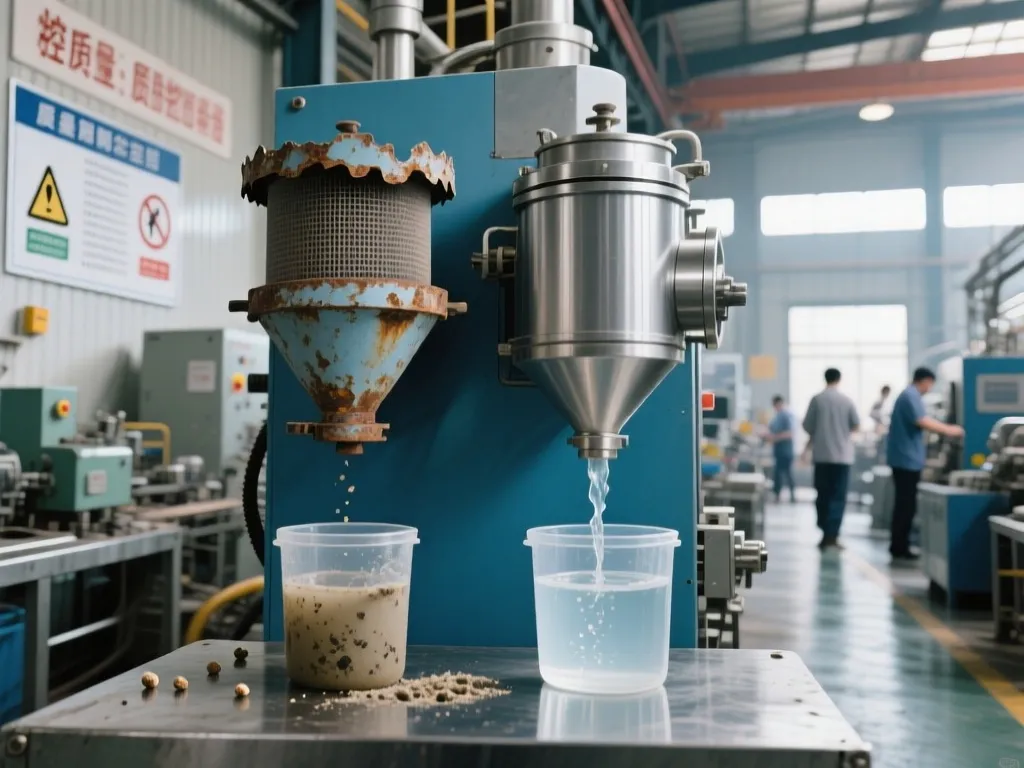
When it comes to industrial filters, the allure of a low – price tag can be hard to resist. After all, who doesn’t want to save a few bucks? But here’s the thing: choosing a filter solely based on its low cost is like building a house on sand. It might seem like a great deal at first, but it’s bound to cause problems down the line. Let’s break down the quality hazards associated with low – cost industrial filters.
First up, low – efficiency filtration. Imagine you’re in a chemical plant where the purity of the final product is crucial. A low – cost filter might promise to do the job, but in reality, it’s not up to the task. These filters often have subpar filter media, which means they can’t trap fine particles effectively. For example, in a food processing facility, if the filter fails to remove all the contaminants from the air or liquid, it can lead to food contamination. This not only affects the quality of the product but also poses a serious health risk to consumers. And let’s not forget about the potential legal issues that could arise from selling contaminated food. It’s a nightmare scenario that could be easily avoided by choosing a high – quality filter.
Another major issue with low – cost filters is their short lifespan. Think of it like a cheap pair of shoes. They might look good for a while, but they’ll start falling apart after a few uses. Similarly, low – cost industrial filters are often made with inferior materials that can’t withstand the harsh conditions of industrial environments. They might corrode easily, get clogged quickly, or simply break down under pressure. In a manufacturing plant that runs 24/7, a filter that needs to be replaced frequently can cause significant downtime. Every minute of downtime means lost production and lost revenue. It’s a cost that adds up quickly and can eat into your profits in the long run.
Now, let’s talk about the long – term cost implications. At first glance, a low – cost filter might seem like a great way to save money. But when you factor in the cost of frequent replacements, the increased energy consumption due to low – efficiency filtration, and the potential damage to other equipment caused by contaminants, the true cost becomes much higher. For instance, if a low – cost filter fails to remove abrasive particles from a lubricant, those particles can wear down the moving parts of machinery, leading to costly repairs or even the need to replace the entire machine. In the end, you’re not saving money; you’re actually spending more. So, the next time you’re tempted by a low – price industrial filter, remember that quality matters. Don’t let the initial cost savings blind you to the long – term risks and costs. Invest in a high – quality filter that will provide reliable performance and save you money in the long run. Have you ever experienced the consequences of choosing a low – cost industrial filter? Share your story in the comments below!
Mistake 3: Overlooking Material Compatibility with Media
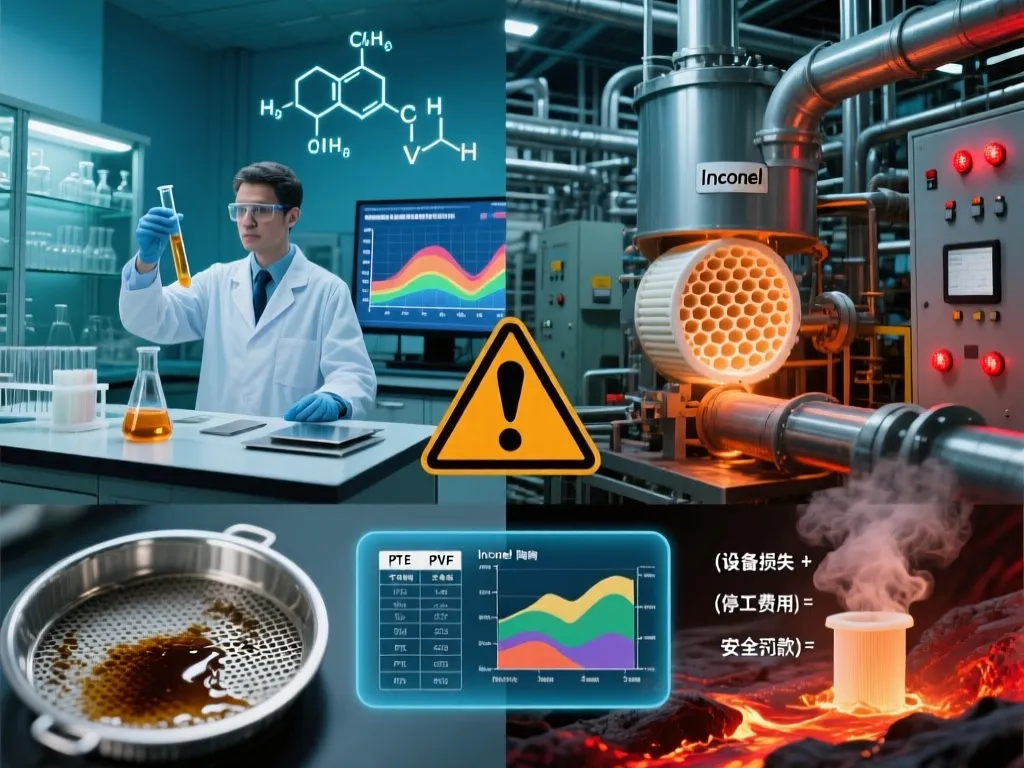
When it comes to industrial filters, one of the most critical yet often overlooked aspects is the compatibility between the filter material and the media it’s designed to handle. Whether you’re dealing with corrosive liquids, high-temperature gases, or even abrasive solids, choosing the wrong filter material can lead to catastrophic consequences, including equipment damage, production downtime, and safety hazards. Let’s dive deeper into why material compatibility matters and how to avoid costly mistakes. Imagine you’re running a chemical processing plant, and your team decides to use a standard stainless-steel filter for a sulfuric acid stream. At first glance, stainless steel seems durable enough, right? Wrong. Sulfuric acid is highly corrosive, and over time, it will eat away at the stainless steel, causing leaks, contamination, and potentially dangerous spills. This is a classic example of how ignoring material compatibility can backfire. So, what should you consider when selecting filter materials for different media? First, let’s talk about corrosive liquids. Chemicals like acids, alkalis, and solvents require filters made from materials that can withstand their corrosive nature. Common choices include PTFE (Teflon), PVDF, and certain grades of stainless steel (like 316L or Hastelloy). Each material has its pros and cons. For instance, PTFE is highly resistant to almost all chemicals but can be expensive and less mechanically strong than metals. PVDF offers a good balance of chemical resistance and durability, while specialized stainless steels provide strength and longevity in moderately corrosive environments. Now, let’s shift gears to high-temperature gases. If your process involves gases heated to several hundred degrees Celsius, you need a filter that won’t melt, deform, or lose its structural integrity. Materials like Inconel, ceramic, and high-temperature alloys are often used in such scenarios. Inconel, for example, retains its strength and corrosion resistance even at extreme temperatures, making it ideal for applications like gas turbines or incinerators. Ceramic filters, on the other hand, excel in handling hot particulate-laden gases due to their thermal stability and resistance to abrasion. But what happens if you ignore these material requirements? The consequences can be severe. A filter not rated for high temperatures might soften or melt, allowing particles to pass through and contaminate your product or downstream equipment. In worst-case scenarios, a compromised filter could lead to fires or explosions, especially in flammable gas streams. Similarly, using a chemically incompatible filter can result in rapid degradation, leading to unexpected failures and costly production interruptions. To illustrate, consider a real-world example. A pharmaceutical company once installed a standard polypropylene filter in a process stream containing concentrated hydrochloric acid. Within weeks, the filter began to disintegrate, releasing plastic fragments into the product and forcing a shutdown for cleanup and replacement. The incident cost the company thousands in lost production, cleanup efforts, and reputational damage. So, how can you avoid such pitfalls? Start by conducting a thorough analysis of your process media. Identify its chemical composition, temperature, pressure, and any other relevant properties. Then, consult with filter manufacturers or material scientists to select a material that meets or exceeds these requirements. Don’t hesitate to ask for testing or certification documents to verify the material’s suitability. Additionally, consider the long-term costs. While a cheaper filter might seem attractive upfront, it could end up costing more in maintenance, replacements, and downtime if it’s not compatible with your media. For instance, choosing a high-efficiency filter bag designed for specific media can enhance performance and reduce long-term expenses. Investing in a high-quality, compatible filter upfront can save you money and headaches in the long run. In summary, overlooking material compatibility with media is a recipe for disaster in industrial filtration. By understanding the unique demands of your process and selecting filters made from appropriate materials, you can ensure reliable performance, minimize risks, and keep your operations running smoothly. Remember, the right filter isn’t just about size or flow rate—it’s about choosing a material that can stand up to whatever your process throws at it.
Corrosive Liquids: Choosing the Right Material
Corrosive liquids are a common challenge in industries like chemical processing, petrochemicals, and wastewater treatment. When selecting filters for these applications, you need materials that won’t react with the liquid or degrade over time. PTFE is a popular choice due to its exceptional chemical resistance, but it’s not the only option. PVDF offers similar benefits at a lower cost, while specialized stainless steels provide strength for less aggressive corrosive environments. Always verify the material’s compatibility with your specific chemical through testing or manufacturer data sheets.
High-Temperature Gases: Thermal Stability is Key
Filters exposed to high-temperature gases must maintain their structural integrity and filtration efficiency even under extreme conditions. Inconel and other high-temperature alloys are commonly used for their ability to withstand heat without softening or corroding. Ceramic filters are another excellent choice for hot particulate-laden gases, offering thermal stability and resistance to abrasion. Avoid using standard materials like polypropylene or nylon, which can melt or deform at elevated temperatures.
The Cost of Ignoring Material Compatibility
The consequences of using an incompatible filter material can be far-reaching. From equipment damage and production downtime to safety hazards and environmental contamination, the risks are significant. A real-world example involved a food processing plant that used a non-food-grade filter material, leading to contamination and a costly recall. Always prioritize material compatibility to avoid such scenarios and protect your operations, reputation, and bottom line.
Choosing the right industrial filter isn’t a gamble—it’s a calculated decision that hinges on understanding your application, balancing costs, and prioritizing compatibility. By steering clear of the 5 mistakes outlined here, you’ll avoid the headaches of premature failures, inefficient operations, and hidden expenses. Ready to upgrade your filter game? Share this guide with your team, bookmark it for your next purchase, or dive deeper into our industry-specific filter selection resources. Your production line deserves filters that work as hard as you do—don’t settle for less.