
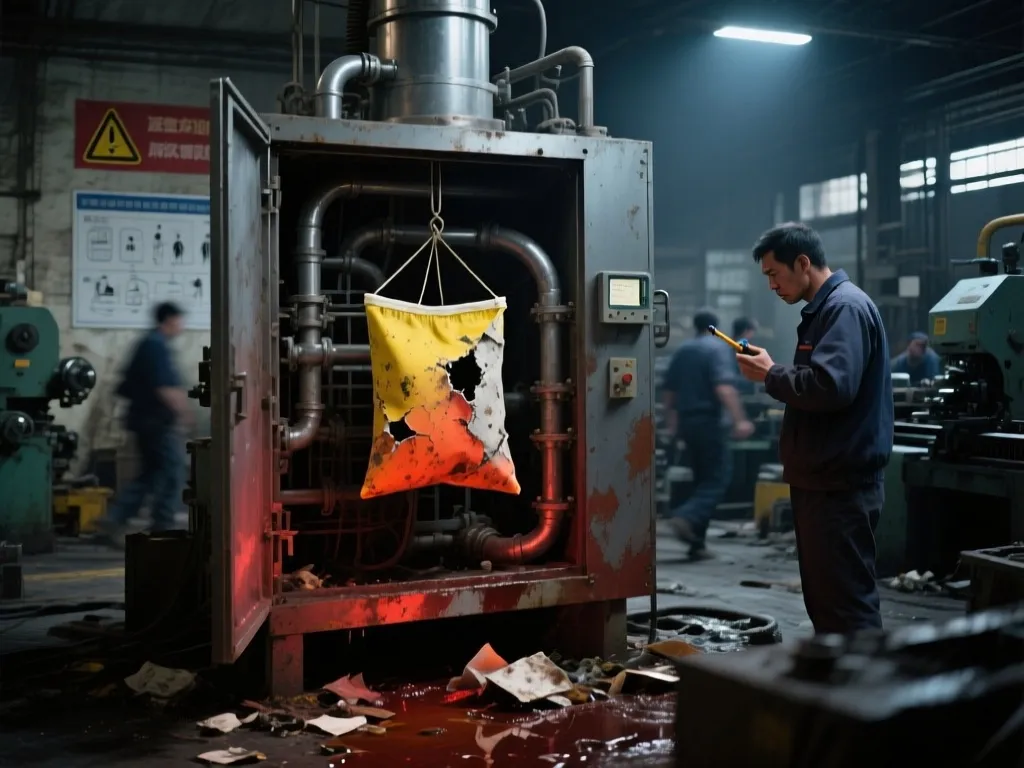
Imagine your industrial filtration system suddenly slowing down, equipment grinding to a halt, or products failing quality checks. What if the root cause is something as seemingly simple as the wrong filter bag? What happens if the wrong filter bag is used? This isn’t just a hypothetical question—it’s a crisis that can cripple operations, drain budgets, and erode trust. In this blog, we’ll dissect the three most critical consequences of using mismatched filter bags and arm you with actionable tips to avoid these pitfalls. Ready to safeguard your system? Let’s dive in.

Equipment Failures Galore: How the Wrong Filter Bag Can Wreak Havoc
Imagine this scenario: Your industrial filtration system, which has been running smoothly for months, suddenly starts showing signs of distress. The pressure gauges are fluctuating wildly, strange noises are emanating from the machinery, and production has slowed to a crawl. What could be the culprit? Often, it’s the humble filter bag – a seemingly insignificant component that, when chosen incorrectly, can trigger a cascade of problems. Let’s delve into the nitty-gritty of how using the wrong filter bag can lead to equipment failures, pressure anomalies, accelerated wear and tear, and even catastrophic shutdowns that cripple your production line.
First off, let’s talk about pressure. In a well-designed filtration system, the pressure should remain relatively stable, ensuring consistent flow rates and optimal performance. However, when you install a filter bag that’s not compatible with your system’s specifications, things can quickly go awry. The wrong pore size, for instance, can either allow too much particulate matter to pass through, clogging up downstream components, or restrict flow too much, causing pressure to build up dangerously. This pressure imbalance can put undue stress on seals, gaskets, and other critical parts, leading to leaks, ruptures, and ultimately, system failure. For systems requiring high-temperature resistance, choosing a basalt fiber filter bag can be a reliable solution to prevent such issues.
But the problems don’t stop there. The wrong filter bag can also accelerate the wear and tear on your equipment. Think about it: if the bag isn’t filtering out contaminants effectively, those particles are going to end up somewhere – usually in the moving parts of your machinery. Over time, this abrasive action can erode bearings, gears, and other components, reducing their lifespan and increasing the likelihood of breakdowns. And let’s not forget about the financial implications. Every time your system goes down, you’re not just losing production time; you’re also incurring costs for repairs, replacement parts, and potentially even lost contracts if you can’t meet delivery deadlines.
Now, let’s consider a real-world example. A manufacturing plant in the automotive industry once experienced a series of unexpected shutdowns due to filtration system failures. After a thorough investigation, it was discovered that the root cause was the use of incorrect filter bags. The bags had been sourced from a supplier who didn’t fully understand the plant’s specific requirements, resulting in a mismatch between the bag’s properties and the system’s needs. The consequences were severe: production was halted for several days, thousands of dollars were lost in repair costs, and the plant’s reputation took a hit. So, how can you avoid falling into the same trap? The key is to choose filter bags that are specifically designed for your system’s operating conditions, including temperature, pressure, flow rate, and the type of contaminants you’re dealing with. For high-performance filtration needs, consider options like high-performance filtration bags or high-efficiency filtration bags to ensure optimal performance and longevity. Don’t be tempted to cut corners by using generic or off-the-shelf bags; the risks far outweigh any potential savings. Instead, work closely with a reputable supplier who can provide expert advice and customized solutions tailored to your unique needs.
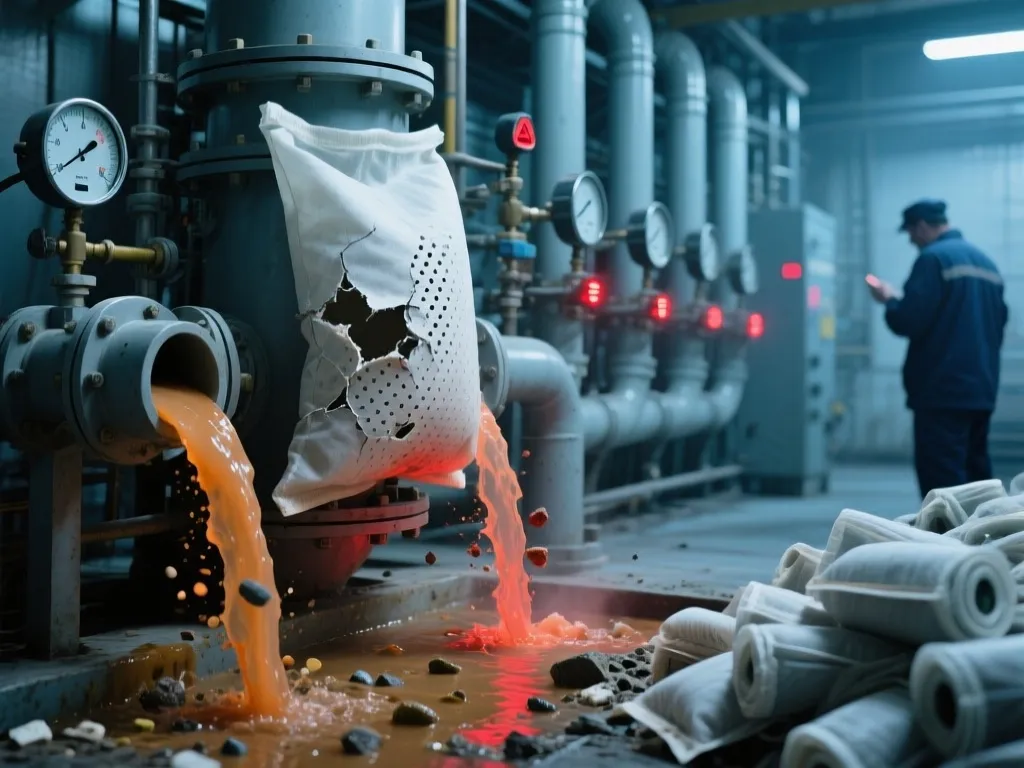
Impact of Incorrect Filter Bag on Filtration Efficiency: A Steep Decline
Let’s face it – when it comes to industrial filtration, every detail matters. And one of the most critical details? Choosing the right filter bag. You might think, “It’s just a bag, how wrong can it be?” But trust me, the consequences of using the wrong filter bag can be far more severe than you’d expect, especially when it comes to filtration efficiency. Imagine this scenario: You’ve got a high-pressure filtration system in place, designed to handle a specific type of contaminant with a particular size and shape. You install a filter bag that seems similar to what you’ve used before, but there’s a catch – the material or pore size isn’t quite right. What happens next? Well, let’s break it down.
First off, the filtration efficiency takes a nosedive. The wrong material might not be able to withstand the chemical composition of the fluid being filtered, leading to premature wear and tear. Or, the pore size might be too large, allowing particles that should be trapped to slip through the cracks. Either way, the result is the same: your filtration system isn’t doing its job effectively. Now, you might be thinking, “So what if a few particles get through? It’s not like it’s going to ruin everything.” But here’s the thing – those seemingly insignificant particles can have a huge impact on the quality of your final product. Whether you’re filtering chemicals for pharmaceutical use, water for drinking, or even air for a cleanroom environment, any impurities can compromise the integrity of your product. And in industries where quality is king, that’s a risk you simply can’t afford to take.
But the problems don’t stop there. The wrong filter bag can also cause a buildup of pressure within your filtration system. As particles start to slip through the cracks, they can accumulate on the downstream side of the filter, creating a blockage. This, in turn, increases the pressure differential across the filter, putting extra strain on your system’s components. Over time, this can lead to accelerated wear and tear, reduced lifespan of your equipment, and even costly downtime for repairs and maintenance.
So, how can you avoid these pitfalls? It all starts with understanding the importance of matching your filter bag to your specific filtration needs. That means considering factors like the chemical composition of the fluid, the size and shape of the particles you need to remove, the operating temperature and pressure of your system, and even the flow rate of the fluid. By taking the time to assess these factors and choose a filter bag that’s tailored to your unique requirements, you can ensure optimal filtration efficiency and protect the quality of your final product.
And let’s not forget about the cost implications. Using the wrong filter bag can lead to increased operational costs in a number of ways. From the cost of frequent filter replacements due to premature wear and tear, to the downtime and lost productivity associated with system failures and repairs, the financial impact can be significant. Not to mention the potential damage to your brand reputation if your products are found to be contaminated or of subpar quality. So, the next time you’re faced with the task of choosing a filter bag for your industrial filtration system, don’t just grab the first one that looks similar to what you’ve used before. Take the time to do your research, consult with experts if needed, and make an informed decision. Your filtration system – and your bottom line – will thank you for it.
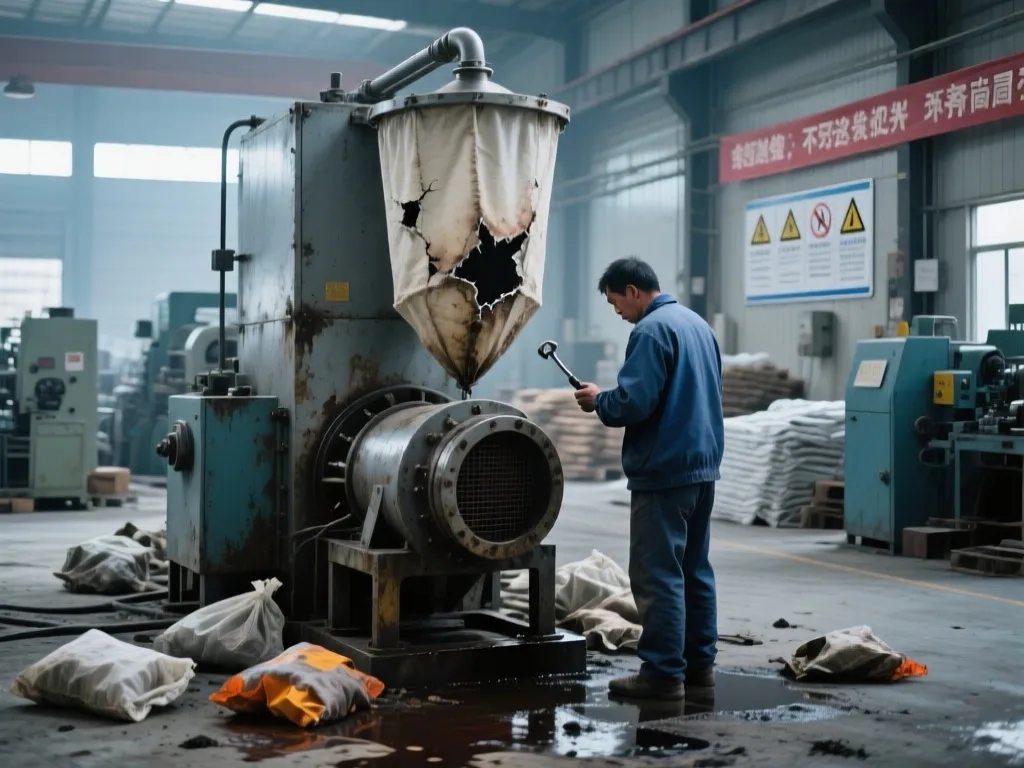
Cost Explosion: The Hidden Drain on Your Bottom Line
Let’s face it – when the wrong filter bag is installed in your industrial filtration system, the financial repercussions can be staggering. You might think, ‘It’s just a filter bag, how much damage can it really do?’ But the truth is, the costs pile up faster than you’d expect, and they come from multiple directions. First, there’s the issue of frequent filter bag replacements. Imagine using a filter bag that’s not designed for your specific application. It might get clogged up quickly, or it might not be able to handle the pressure and temperature of your system. As a result, you’ll find yourself replacing these bags far more often than you should. Each replacement comes with a price tag – the cost of the bag itself, plus the labor involved in changing it out. And if your system is large or complex, those labor costs can add up quickly.
But the expenses don’t stop there. Using the wrong filter bag can also lead to increased equipment maintenance. When a filter bag isn’t functioning properly, it can put extra strain on your filtration system. This can cause components to wear out faster, leading to more frequent breakdowns and repairs. And let’s not forget about the cost of downtime. Every time your system goes down for maintenance or repair, you’re losing production time. That means you’re not making the products you need to sell, and you’re potentially missing out on orders from your customers. In some cases, a system failure due to a wrong filter bag can even lead to a complete shutdown of your production line. Can you afford to have your operations halted for hours, or even days, while you fix the problem? The answer is probably no. And the financial impact of these interruptions can be enormous. You’ll lose revenue from the products you couldn’t produce, and you might also face penalties or fines if you’re unable to fulfill your contractual obligations to your customers. Plus, there’s the cost of rushing to get your system back up and running. You might need to pay overtime to your maintenance staff, or you might need to bring in outside contractors to help with the repairs. All of these costs add up, and they can quickly eat into your profits.
So, what can you do to avoid these cost explosions? The first step is to recognize the importance of choosing the right filter bag for your application. Don’t just go with the cheapest option or the one that seems to fit ‘close enough.’ Take the time to understand your system’s requirements and select a filter bag that’s designed to meet those needs. If you’re not sure which filter bag is right for you, don’t hesitate to reach out to our team of experts. And remember, investing in the right filter bag now can save you a lot of money in the long run. It’s like buying a high-quality pair of shoes – they might cost a bit more upfront, but they’ll last longer and provide better support, saving you from having to replace them constantly. The same goes for filter bags. By choosing the right one, you can reduce your replacement costs, minimize equipment maintenance, and avoid costly production interruptions. So, don’t let the wrong filter bag drain your bottom line. Take action today and make sure you’re using the right filter bag for your industrial filtration system.
So, what happens if the wrong filter bag is used? The answer is clear: a cascade of equipment failures, efficiency losses, and hidden costs that spiral out of control. Choosing the right filter bag isn’t just about avoiding problems—it’s about optimizing performance, protecting your bottom line, and ensuring seamless operations. Take a moment today to review your current filter bag selections. Are they tailored to your system’s needs? If you’re unsure, our team of experts is here to help. Share this blog with your colleagues or drop a comment below—let’s keep the conversation going and turn potential crises into non-issues.