
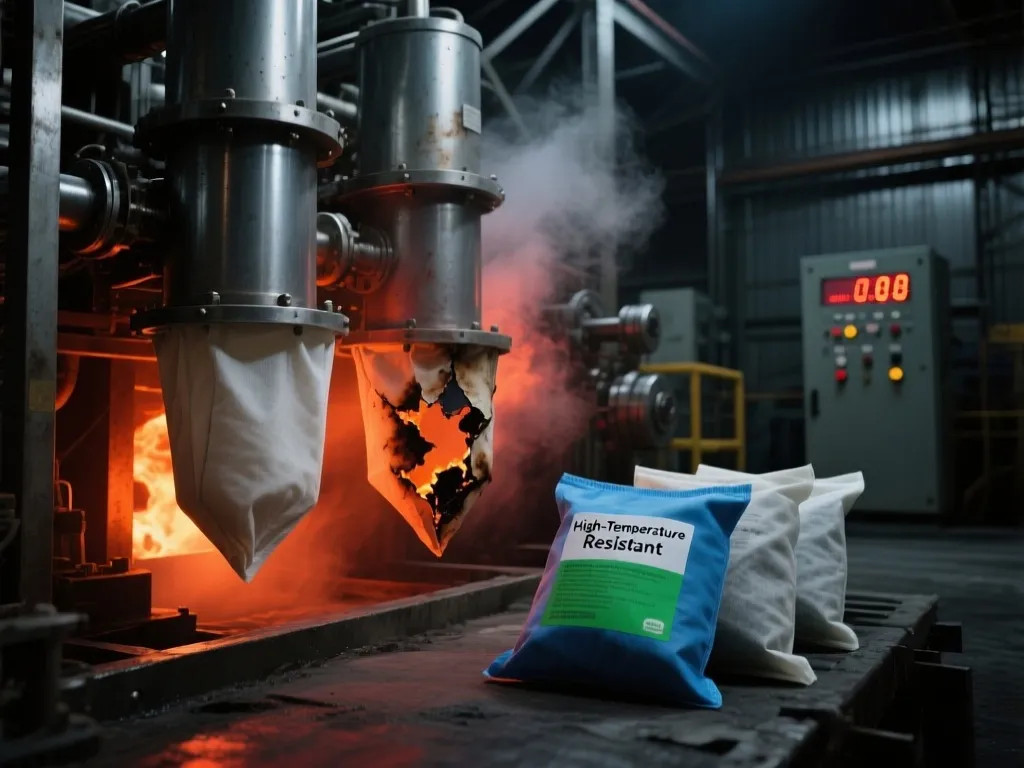
In the demanding world of industrial filtration, filter bags are the unsung heroes, tirelessly working to keep processes clean and efficient. But have you ever wondered, ‘Why do filter bags fail in high heat environments?’ It’s a question that plagues many manufacturers and users alike, leading to costly downtime and reduced productivity. In this blog, we’ll dive deep into the heart of the matter, exploring the root causes of filter bag failure under extreme temperatures and offering practical solutions to keep your filtration system running smoothly.
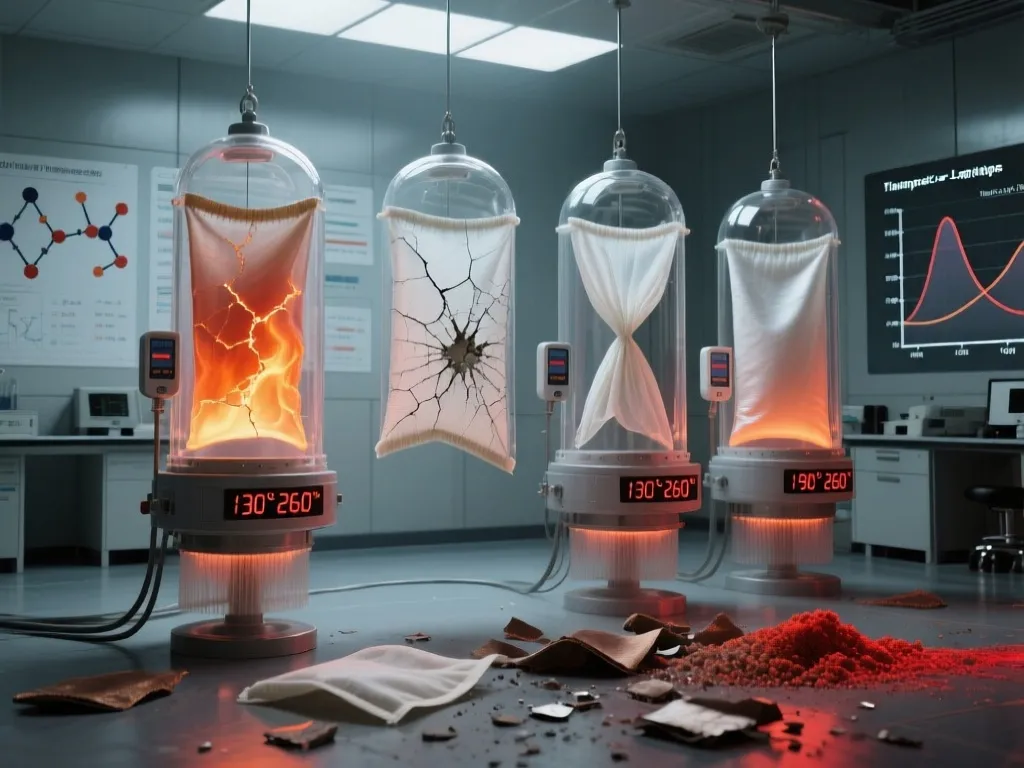
Material Selection Gone Wrong: Analyzing the Stability of Different Filter Bag Materials in High Heat
When it comes to filter bags operating in high – temperature environments, material selection is the cornerstone of their performance and longevity. You might be surprised to learn that a staggering number of filter bag failures can be directly attributed to choosing the wrong material. So, why is material selection such a big deal? Let’s dive into the details of how different materials behave under extreme heat and why getting it right is crucial. First, let’s talk about polyester filter bags. Polyester is a commonly used material in many industrial applications due to its relatively low cost and good general performance. However, when exposed to high temperatures, polyester starts to show its limitations. At around 130 – 150°C, polyester begins to soften. This softening can lead to a loss of structural integrity, causing the filter bag to deform. Once deformed, the filtration efficiency drops significantly as the gaps between the fibers widen, allowing more particulate matter to pass through. Moreover, the softened material is more prone to abrasion, which further accelerates the wear and tear of the filter bag, ultimately leading to failure. Next up is polypropylene. Polypropylene filter bags are known for their chemical resistance, but high – temperature tolerance is not their strong suit. They have a relatively low melting point, typically around 160 – 170°C. In high – heat environments, even temperatures slightly below the melting point can cause the polypropylene fibers to lose their strength. The fibers may become brittle, and under the stress of filtration and the flow of hot gases, they can easily break. Once the fibers start breaking, the filter bag’s ability to capture and retain particles is severely compromised, and it won’t be long before it fails completely. Now, let’s consider fiberglass filter bags. Fiberglass has excellent heat – resistance properties, withstanding temperatures up to 260°C or even higher in some cases. But here’s the catch: fiberglass is brittle by nature. In high – temperature applications where there are vibrations or mechanical stresses, such as in some industrial processes with moving parts or high – velocity gas flows, the brittle fiberglass fibers can crack and break. Additionally, fiberglass can be abrasive to other components in the filtration system, and over time, this abrasion can damage the filter housing or other parts, indirectly affecting the performance of the filter bag. For industrial applications where high – temperature resistance is crucial, you may want to explore our carbon black fiberglass filter bag, designed specifically for demanding environments like refineries. On the other hand, materials like P84 polyimide and PTFE (polytetrafluoroethylene) are well – suited for high – temperature applications. P84 polyimide can handle temperatures up to 260°C continuously. It has a unique three – dimensional fiber structure that provides excellent filtration efficiency and a high dirt – holding capacity. The fibers are also highly resistant to chemical attack and oxidation at high temperatures, making them a reliable choice for demanding industrial environments. PTFE, commonly known as Teflon, is another top – performer in high – heat scenarios. It can withstand temperatures up to 260°C as well. PTFE has a non – stick surface, which means that particles are less likely to adhere to the filter bag. This reduces the build – up of dust and cake formation, allowing for longer service intervals and better overall performance. It also has excellent chemical resistance, ensuring that it won’t be damaged by various chemicals present in the hot gases being filtered. So, how can you avoid the pitfalls of material selection? The key is to thoroughly understand the operating conditions of your filtration system. Consider factors such as the maximum temperature the filter bag will be exposed to, the presence of chemicals in the gas stream, the level of mechanical stress, and the required filtration efficiency. By carefully evaluating these factors and choosing a material that can withstand the specific challenges of your high – temperature environment, you can significantly reduce the risk of filter bag failure. In conclusion, material selection is not a decision to be taken lightly when it comes to filter bags in high – heat applications. Each material has its own set of strengths and weaknesses, and choosing the wrong one can lead to a host of problems, from reduced filtration efficiency to complete filter bag failure. By making an informed choice based on a detailed analysis of your system’s requirements, you can ensure that your filter bags perform optimally and last as long as possible.
Polyester’s High – Temperature Woes
Polyester is a commonly used material in many industrial applications due to its relatively low cost and good general performance. However, when exposed to high temperatures, polyester begins to soften at around 130 – 150°C. This softening can lead to a loss of structural integrity, causing the filter bag to deform. Once deformed, the filtration efficiency drops significantly as the gaps between the fibers widen, allowing more particulate matter to pass through. Moreover, the softened material is more prone to abrasion, which further accelerates the wear and tear of the filter bag, ultimately leading to failure.
Polypropylene’s Temperature Limitations
Polypropylene filter bags are known for their chemical resistance, but high – temperature tolerance is not their strong suit. They have a relatively low melting point, typically around 160 – 170°C. In high – heat environments, even temperatures slightly below the melting point can cause the polypropylene fibers to lose their strength. The fibers may become brittle, and under the stress of filtration and the flow of hot gases, they can easily break. Once the fibers start breaking, the filter bag’s ability to capture and retain particles is severely compromised, and it won’t be long before it fails completely.
Fiberglass’s Brittle Nature
Fiberglass has excellent heat – resistance properties, withstanding temperatures up to 260°C or even higher in some cases. But here’s the catch: fiberglass is brittle by nature. In high – temperature applications where there are vibrations or mechanical stresses, such as in some industrial processes with moving parts or high – velocity gas flows, the brittle fiberglass fibers can crack and break. Additionally, fiberglass can be abrasive to other components in the filtration system, and over time, this abrasion can damage the filter housing or other parts, indirectly affecting the performance of the filter bag.
High – Temperature Heroes: P84 and PTFE
P84 polyimide can handle temperatures up to 260°C continuously. It has a unique three – dimensional fiber structure that provides excellent filtration efficiency and a high dirt – holding capacity. The fibers are also highly resistant to chemical attack and oxidation at high temperatures, making them a reliable choice for demanding industrial environments. PTFE, commonly known as Teflon, can withstand temperatures up to 260°C as well. It has a non – stick surface, which means that particles are less likely to adhere to the filter bag. This reduces the build – up of dust and cake formation, allowing for longer service intervals and better overall performance. It also has excellent chemical resistance, ensuring that it won’t be damaged by various chemicals present in the hot gases being filtered.
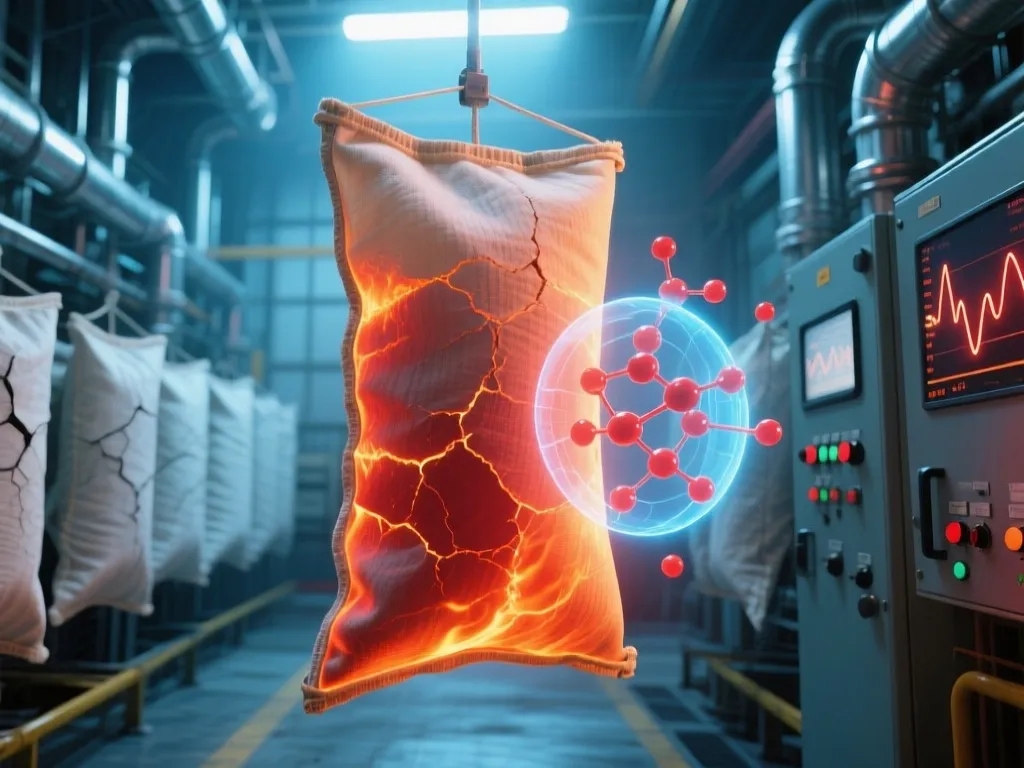
Thermal Stress and Thermal Expansion: Explaining the Phenomena and Their Impact on Filter Bag Structural Integrity in High-Heat Environments
When it comes to filter bags operating in high-heat environments, thermal stress and thermal expansion are two critical factors that can significantly impact their structural integrity. But what exactly are these phenomena, and how do they contribute to filter bag failure? Let’s dive deeper into the science behind it.
Thermal stress occurs when a material is subjected to a temperature change, causing it to expand or contract. In the case of filter bags, when they are exposed to high temperatures, different parts of the bag may expand at different rates due to variations in material composition, thickness, or even the distribution of heat across the bag’s surface. This differential expansion creates internal stresses within the material, which can lead to cracking, tearing, or even complete rupture if the stress exceeds the material’s strength limit.
Now, you might be wondering, ‘How does this relate to thermal expansion?’ Well, thermal expansion is the tendency of matter to change its shape, area, and volume in response to a change in temperature. When a filter bag heats up, its molecules become more energetic and move apart, causing the bag to expand. Conversely, when it cools down, the molecules contract, and the bag shrinks. While this expansion and contraction are natural responses to temperature changes, they can be problematic if not properly accounted for in the design and selection of filter bag materials. For instance, if a filter bag is made from a material with a high coefficient of thermal expansion (CTE), it will expand significantly more than a material with a low CTE when exposed to the same temperature increase. This can lead to excessive stretching and weakening of the bag’s fibers, making it more susceptible to failure under normal operating conditions. Understanding the coefficient of thermal expansion is crucial in this context, as it helps in selecting materials that can withstand high-heat environments without significant deformation.
Moreover, the repeated cycles of heating and cooling that occur in many industrial processes can cause fatigue in the filter bag material. Over time, this fatigue can accumulate, leading to microscopic cracks that eventually grow and cause the bag to fail. It’s like bending a paperclip back and forth until it breaks – the same principle applies to filter bags under thermal stress.
So, how can we mitigate the effects of thermal stress and thermal expansion on filter bags? One approach is to select materials with low CTEs and high thermal stability. These materials are less likely to expand or contract significantly under temperature changes, reducing the risk of internal stresses and fatigue. Additionally, designing filter bags with reinforced seams and edges can help distribute thermal stresses more evenly across the bag’s surface, preventing localized failure points. Another strategy is to implement proper temperature control measures in the filtration system. By maintaining a consistent operating temperature within the recommended range for the filter bag material, we can minimize the magnitude of thermal expansion and contraction cycles, thereby extending the bag’s service life.
In summary, thermal stress and thermal expansion are two interconnected phenomena that can have a profound impact on the structural integrity of filter bags in high-heat environments. By understanding these effects and taking proactive measures to mitigate them, such as selecting appropriate materials and implementing temperature control strategies, we can ensure that our filter bags perform reliably and efficiently, even under the most challenging conditions.
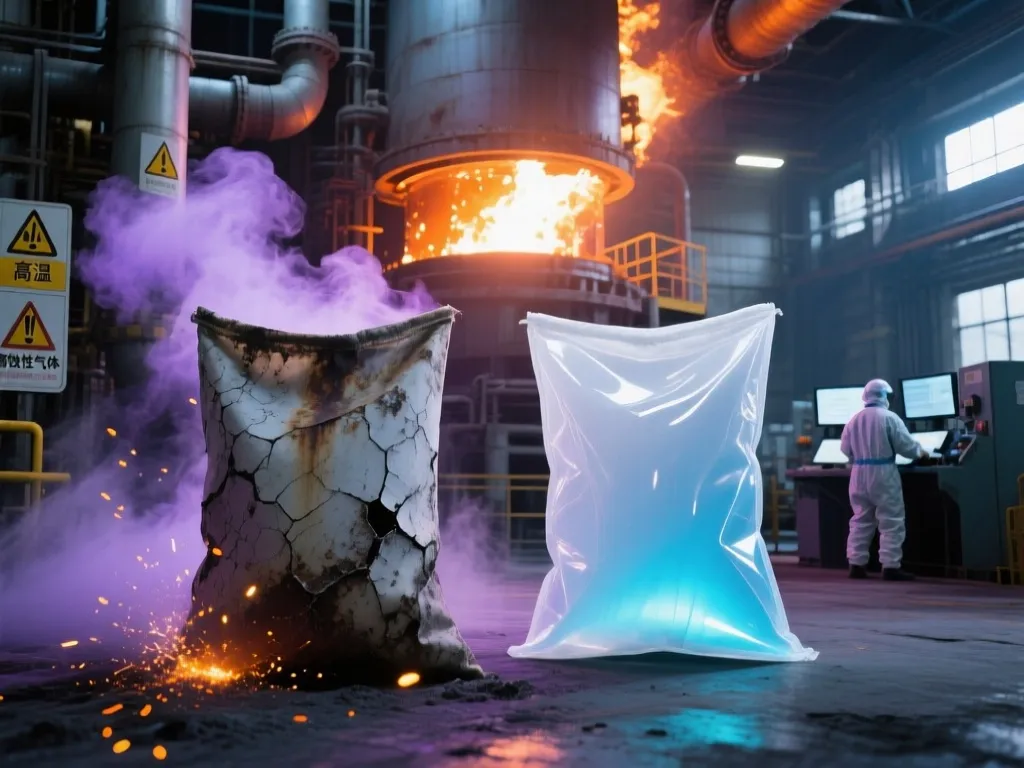
Chemical Corrosion and Oxidation: Exploring the Impact on Filter Bag Materials in High-Heat Environments
When it comes to filter bags operating in high-temperature settings, chemical corrosion and oxidation are two silent killers that can significantly accelerate their failure. You might be wondering, how exactly do these processes wreak havoc on your filter bags? Let’s dive deep into the science behind it. High temperatures create an environment where chemical reactions occur at a much faster rate. Filter bag materials, depending on their composition, can be highly susceptible to these reactions. For instance, certain synthetic fibers, when exposed to high heat, can react with gases or particles present in the industrial process. These reactions can lead to the breakdown of the fiber structure, weakening the filter bag and making it more prone to tears and holes. Oxidation is another major concern. In simple terms, oxidation is the process where a material reacts with oxygen, leading to a change in its chemical properties. For filter bags, this means that the fibers can become brittle and lose their flexibility. Imagine a rubber band that’s been left out in the sun for too long – it becomes stiff and breaks easily. Similarly, oxidized filter bag fibers can’t withstand the mechanical stresses of filtration, leading to premature failure. But it’s not just the fibers themselves that are at risk. The binders and coatings used in filter bags can also be affected by chemical corrosion and oxidation. These components are crucial for maintaining the structural integrity of the filter bag, ensuring that the fibers stay in place and the bag maintains its shape. When these binders and coatings break down, the filter bag can lose its form, resulting in reduced filtration efficiency and a shorter lifespan. So, what can you do to mitigate these issues? First and foremost, selecting the right filter bag material is essential. Materials that are inherently resistant to chemical corrosion and oxidation, such as certain types of fluoropolymers or high-temperature-resistant aramids, can offer better protection in harsh environments. For industries like refinery where high-heat and chemical exposure are common, choosing a durable filter bag like the Carbon Black Fiberglass Filter Bag can be a smart solution. Additionally, considering the specific chemicals and gases present in your industrial process can help you choose a material that’s less likely to react with them. Another strategy is to optimize the design of your filter bags. This includes factors like the thickness of the fibers, the density of the weave, and the type of coating used. A thicker fiber might offer more resistance to chemical penetration, while a denser weave can prevent particles from getting trapped and causing localized corrosion. The right coating can also act as a barrier, protecting the underlying fibers from direct exposure to corrosive substances. Regular maintenance and inspection are also key. By keeping a close eye on your filter bags, you can identify signs of chemical corrosion or oxidation early on. This includes looking for discoloration, brittleness, or a change in the texture of the material. If you notice any of these signs, it’s time to replace the filter bag before it fails completely, potentially causing downtime and costly repairs to your filtration system. In conclusion, chemical corrosion and oxidation are significant factors that can accelerate the failure of filter bags in high-heat environments. By understanding these processes and taking proactive steps to mitigate their impact, you can ensure that your filter bags last longer, perform better, and keep your industrial processes running smoothly.
The Role of Chemical Reactions in Filter Bag Degradation
Chemical reactions are a fundamental part of the degradation process of filter bags in high-temperature settings. When filter bag materials come into contact with reactive gases or particles, a series of chemical changes can occur. These reactions can alter the molecular structure of the fibers, leading to a loss of strength and durability. For example, certain acids or alkalis present in industrial processes can react with the fibers, breaking down their chemical bonds and causing them to weaken. This is why it’s crucial to understand the chemical composition of your industrial process and choose filter bag materials that are resistant to these specific chemicals.
Oxidation: The Silent Threat to Filter Bag Fibers
Oxidation is a process that occurs when a material reacts with oxygen, and it can be a major threat to filter bag fibers in high-temperature environments. As the temperature rises, the rate of oxidation increases, leading to a faster breakdown of the fiber structure. Oxidized fibers become brittle and lose their flexibility, making them more susceptible to mechanical damage during filtration. This is why choosing filter bag materials with high oxidation resistance is essential for ensuring long-term performance in high-heat applications.
Protecting Binders and Coatings from Chemical Attack
Binders and coatings play a crucial role in maintaining the structural integrity of filter bags, but they can also be vulnerable to chemical corrosion and oxidation. When these components break down, the filter bag can lose its shape and filtration efficiency. To protect binders and coatings, it’s important to choose materials that are resistant to the chemicals present in your industrial process. Additionally, applying a protective coating or using a binder with high chemical stability can help extend the lifespan of your filter bags.
Now that you’ve uncovered the mysteries behind why filter bags fail in high heat environments, you’re well-equipped to take proactive steps. Remember, choosing the right material, understanding thermal stress, and guarding against chemical corrosion are key to extending your filter bags’ lifespan. But don’t stop here—explore our range of high-temperature-resistant filter bags and discover how our expert solutions can revolutionize your industrial filtration. Share this insight with your peers or dive deeper into our resources to stay ahead in the filtration game. The journey to optimal filtration doesn’t end here; it’s just the beginning!