

When it comes to industrial filtration, choosing the right filter bags isn’t just a detail—it’s a game-changer. What should I consider when buying filter bags? This question haunts many decision-makers, from plant managers to procurement specialists. Whether you’re upgrading existing systems or starting fresh, understanding the core factors—material, application, and cost—can save you time, money, and headaches. Let’s dive into what truly matters when selecting filter bags for your unique needs.
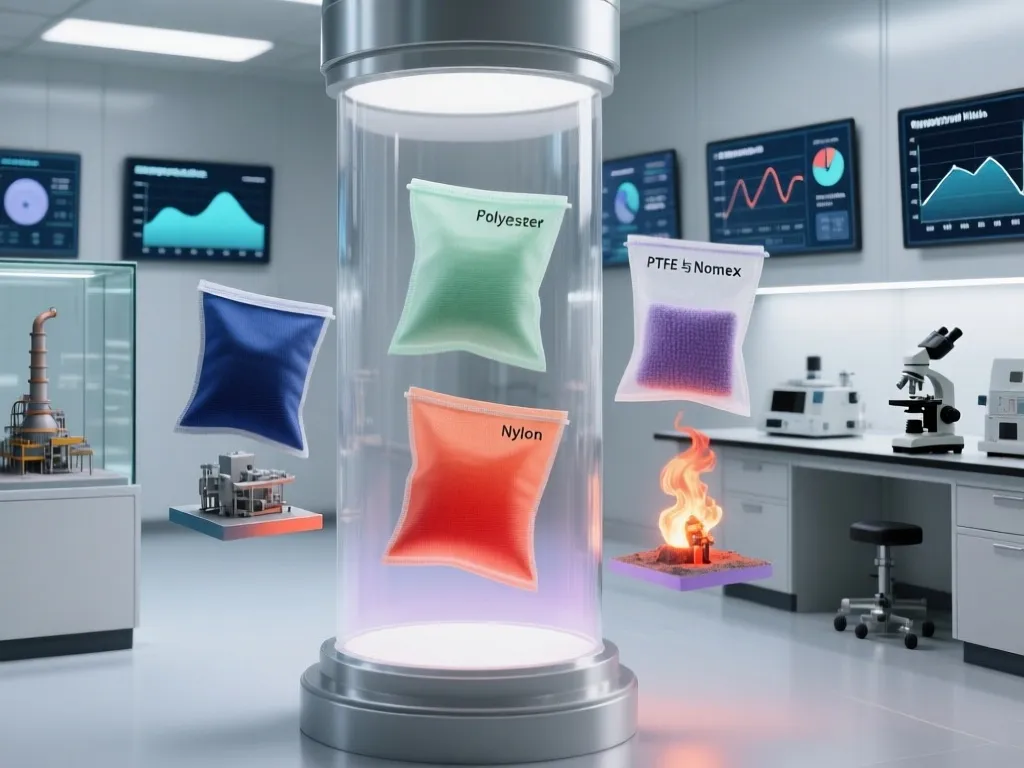
Material Considerations: A Deep Dive into the Pros and Cons of Different Materials (Such as Polyester, Polypropylene, Nylon, etc.) and Their Suitability in Various Application Scenarios
When it comes to choosing the right filter bag material, you’re faced with a myriad of options, each with its own set of advantages and drawbacks. Understanding these nuances is crucial for making an informed decision that aligns with your specific industrial needs. Let’s embark on a journey through the world of filter bag materials, exploring polyester, polypropylene, nylon, and more, to uncover their secrets and help you find the perfect match for your application. Polyester filter bags are a popular choice in many industries due to their excellent chemical resistance and durability. They can withstand a wide range of temperatures, making them suitable for both hot and cold applications. One of the standout features of polyester is its resistance to abrasion, which means it can handle high-flow rates and abrasive particles without wearing down quickly. This makes polyester filter bags ideal for applications like cement production, where the filtration process involves coarse particles and high temperatures. For high-performance polyester filter bag solutions, you can explore our aramid filter bags for cement plant dust collection. However, polyester isn’t without its limitations. While it’s resistant to many chemicals, it can be susceptible to hydrolysis in highly alkaline environments. So, if your industrial process involves strong alkalis, you might want to consider other materials. Moving on to polypropylene, this material is known for its excellent resistance to acids and alkalis, making it a versatile choice for a wide range of applications. Polypropylene filter bags are also lightweight and have a low moisture absorption rate, which helps in maintaining their structural integrity even in humid conditions. They’re commonly used in food and beverage processing, pharmaceuticals, and chemical manufacturing, where purity and chemical resistance are paramount. The downside? Polypropylene has a lower melting point compared to polyester, limiting its use in high-temperature applications. If your process involves temperatures exceeding 200°F (93°C), you might need to look elsewhere. Nylon filter bags, on the other hand, offer a unique blend of strength and flexibility. They’re highly resistant to abrasion and can withstand repeated flexing without breaking down. This makes nylon an excellent choice for applications involving dynamic filtration systems, where the filter bag needs to move or vibrate during operation. Nylon is also resistant to many chemicals, although it’s not as universally resistant as polypropylene. One area where nylon shines is in its ability to handle high-pressure differentials. If your filtration system operates under high pressure, nylon filter bags can provide the necessary strength and durability. However, nylon’s higher cost compared to polyester and polypropylene might be a consideration for budget-conscious buyers. Beyond these three materials, there are other options worth exploring, such as PTFE (Polytetrafluoroethylene) and Nomex. PTFE is known for its exceptional chemical resistance and can handle temperatures up to 500°F (260°C), making it suitable for the most demanding applications. Nomex, on the other hand, is a flame-resistant material often used in high-temperature environments where fire safety is a concern. So, how do you decide which material is right for you? It all comes down to your specific application scenario. Consider factors like the temperature range, chemical exposure, particle size, and flow rate of your industrial process. Think about the long-term costs, including maintenance and replacement frequency, as well as the initial investment. By weighing these factors against the pros and cons of each material, you can make an informed decision that ensures optimal performance and cost-effectiveness. In conclusion, choosing the right filter bag material is a critical step in optimizing your industrial filtration system. Whether you opt for polyester, polypropylene, nylon, or another material altogether, understanding their unique properties and how they align with your application needs is key. So, take the time to evaluate your options, consult with experts if needed, and make a choice that will serve you well for years to come.
Polyester: The All-Rounder
Polyester filter bags are a popular choice in many industries due to their excellent chemical resistance and durability. They can withstand a wide range of temperatures, making them suitable for both hot and cold applications. One of the standout features of polyester is its resistance to abrasion, which means it can handle high-flow rates and abrasive particles without wearing down quickly. This makes polyester filter bags ideal for applications like cement production, where the filtration process involves coarse particles and high temperatures. For a more detailed look at high-performance polyester filter bags, check out our aramid solution for cement plant dust collection. However, polyester isn’t without its limitations. While it’s resistant to many chemicals, it can be susceptible to hydrolysis in highly alkaline environments. So, if your industrial process involves strong alkalis, you might want to consider other materials.
Polypropylene: The Chemical Resistant Champion
Polypropylene is known for its excellent resistance to acids and alkalis, making it a versatile choice for a wide range of applications. Polypropylene filter bags are also lightweight and have a low moisture absorption rate, which helps in maintaining their structural integrity even in humid conditions. They’re commonly used in food and beverage processing, pharmaceuticals, and chemical manufacturing, where purity and chemical resistance are paramount. For an efficient and cost-effective polypropylene filter bag solution, you can consider our high-efficiency industrial bag filter. The downside? Polypropylene has a lower melting point compared to polyester, limiting its use in high-temperature applications. If your process involves temperatures exceeding 200°F (93°C), you might need to look elsewhere.
Nylon: The Strong and Flexible Option
Nylon filter bags offer a unique blend of strength and flexibility. They’re highly resistant to abrasion and can withstand repeated flexing without breaking down. This makes nylon an excellent choice for applications involving dynamic filtration systems, where the filter bag needs to move or vibrate during operation. Nylon is also resistant to many chemicals, although it’s not as universally resistant as polypropylene. One area where nylon shines is in its ability to handle high-pressure differentials. If your filtration system operates under high pressure, nylon filter bags can provide the necessary strength and durability. However, nylon’s higher cost compared to polyester and polypropylene might be a consideration for budget-conscious buyers.
Exploring Other Materials: PTFE and Nomex
Beyond polyester, polypropylene, and nylon, there are other materials worth exploring, such as PTFE (Polytetrafluoroethylene) and Nomex. PTFE is known for its exceptional chemical resistance and can handle temperatures up to 500°F (260°C), making it suitable for the most demanding applications. Nomex, on the other hand, is a flame-resistant material often used in high-temperature environments where fire safety is a concern. For high-efficiency dust collection solutions, you can explore our high-efficiency dust collection filter bags.
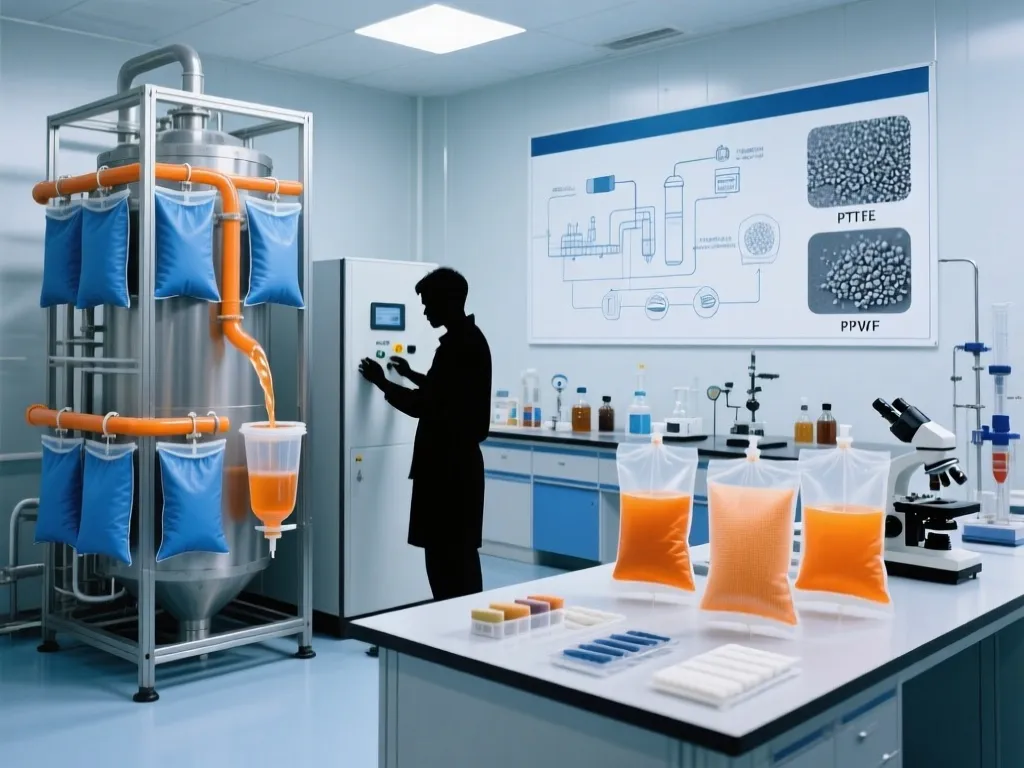
Application Scenarios and Type Selection: Choosing the Right Filter Bag Based on Industrial Process Needs
When it comes to selecting filter bags, understanding the specific requirements of your industrial process is crucial. Different applications demand different types of filter bags, each designed to handle specific challenges efficiently. Let’s dive into how you can choose the right filter bag type, such as bag filters and liquid filter bags, based on your unique industrial needs.First up, let’s talk about bag filters. These are widely used in various industries, from chemical processing to food and beverage production. Bag filters are typically housed in a filter vessel and come in a range of sizes and configurations to suit different flow rates and filtration requirements. If you’re dealing with high-volume liquid filtration, a bag filter system might be your best bet. These systems are known for their high dirt-holding capacity and ease of operation. But how do you know if a bag filter is right for your application? Consider factors like the viscosity of the liquid, the presence of solids, and the required filtration fineness. For instance, if you’re filtering a viscous liquid with a high solids content, you’ll need a bag filter with a larger surface area and a robust construction to handle the pressure and prevent clogging. For more information on high-performance industrial bag filters, you can explore our industrial bag filters collection.On the other hand, if your application involves gas or air filtration, you might want to look into cartridge filters or pleated filters. However, for simplicity and cost-effectiveness, many industries still prefer bag filters for their gas filtration needs, especially when dealing with low to medium flow rates. The key here is to select a bag filter with the right micron rating and material compatibility to ensure optimal performance and longevity.Now, let’s shift our focus to liquid filter bags. These are specifically designed for liquid filtration applications and come in a variety of materials and configurations. Liquid filter bags are commonly used in industries like pharmaceuticals, cosmetics, and automotive, where cleanliness and purity are paramount. When choosing a liquid filter bag, you need to consider the chemical compatibility of the bag material with the liquid being filtered. For example, if you’re filtering a corrosive liquid, you’ll need a bag made from a corrosion-resistant material like PTFE or PVDF.Another important factor is the filtration efficiency required. Liquid filter bags are available in different micron ratings, ranging from coarse to fine filtration. If you’re removing large particles or debris, a coarse filter bag with a higher micron rating might suffice. However, for applications requiring the removal of fine particles or even bacteria, you’ll need a fine filter bag with a lower micron rating.It’s also worth mentioning that some liquid filter bags come with additional features like welded seams, which provide better leak resistance and durability. Others might have a handle or a ring for easy installation and removal. These features can make a big difference in terms of operational efficiency and maintenance costs.So, how do you decide between a bag filter and a liquid filter bag? Well, it all comes down to your specific application. If you’re dealing with high-volume liquid filtration with a need for high dirt-holding capacity, a bag filter system is likely your best choice. However, if you’re focusing on the purity and cleanliness of the liquid, especially in industries like pharmaceuticals or food and beverage, a liquid filter bag with the right material and micron rating will be more suitable.In conclusion, choosing the right filter bag type based on your industrial process needs requires careful consideration of several factors, including the nature of the liquid or gas being filtered, the required filtration efficiency, and the chemical compatibility of the bag material. By taking the time to assess these factors and selecting a filter bag that meets your specific requirements, you can ensure optimal performance, reduce maintenance costs, and extend the lifespan of your filtration system.
Bag Filters: Versatility and Efficiency
Bag filters are the workhorses of liquid filtration, offering versatility and efficiency in a wide range of applications. Their ability to handle high flow rates and large volumes of liquid makes them ideal for industries like chemical processing, wastewater treatment, and paint and coatings. When selecting a bag filter, consider the size and configuration of the filter vessel, as well as the micron rating and material of the bag itself. A well-chosen bag filter can provide reliable and cost-effective filtration for years to come. For a cost-effective filtration solution, consider our high-efficiency industrial bag filter.
Liquid Filter Bags: Precision and Purity
For applications where precision and purity are paramount, liquid filter bags are the go-to choice. These bags are designed to remove even the finest particles from liquids, ensuring the highest level of cleanliness. When choosing a liquid filter bag, pay close attention to the material compatibility and micron rating. A bag that’s not compatible with the liquid being filtered can lead to contamination or premature failure, while a bag with the wrong micron rating might not provide the level of filtration you need. By selecting a liquid filter bag that’s tailored to your specific application, you can achieve the precision and purity you require. For high-performance dust collection, explore our high-efficiency dust collection filter bags.
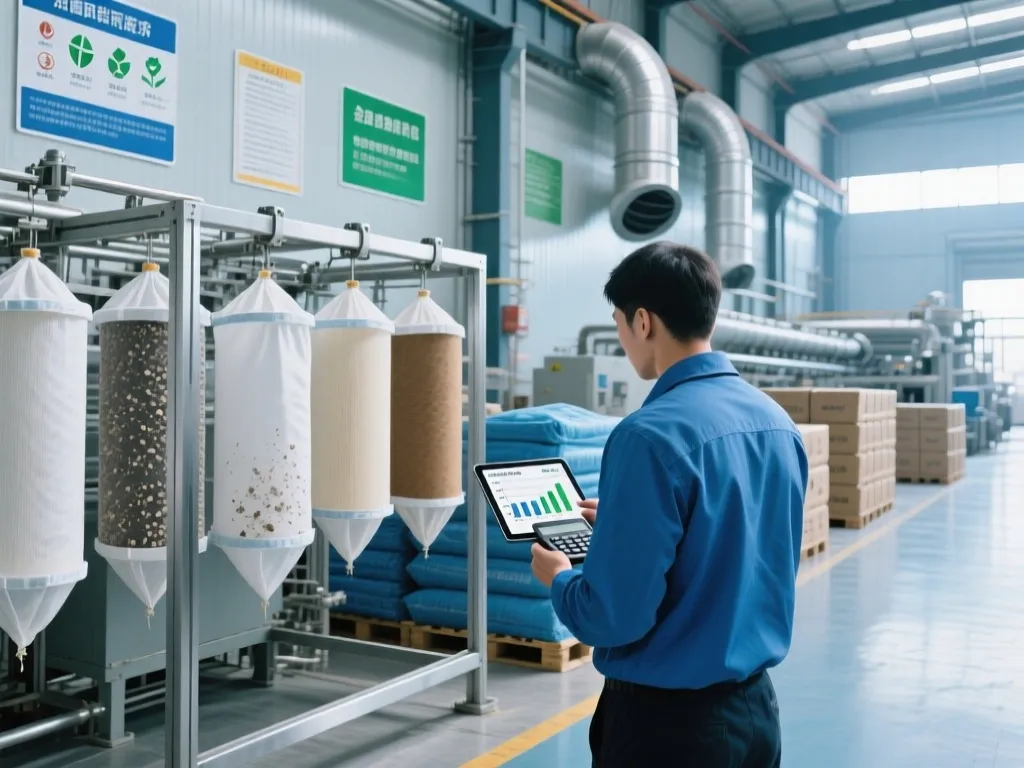
Cost Considerations When Buying Industrial Filter Bags: From Initial Investment to Long-Term Operational Costs
When it comes to purchasing industrial filter bags, cost considerations are far more complex than simply looking at the initial price tag. You need to take a holistic view, encompassing everything from the initial investment to the long-term operational costs. This comprehensive approach will help you find the most cost-effective solution that meets your specific needs. Let’s start with the initial investment. The cost of filter bags can vary significantly depending on several factors. One of the primary determinants is the material. As we’ve discussed earlier, different materials like polyester, polypropylene, and nylon each have their own price points. Polyester, for instance, is often a more budget-friendly option compared to some of the more specialized materials. However, it’s crucial not to just go for the cheapest option without considering other aspects. The quality of the filter bag is paramount. A low-quality bag might seem like a great deal initially, but it could lead to frequent replacements, increased downtime, and ultimately higher costs in the long run. You need to strike a balance between cost and quality. Look for suppliers that offer a good warranty or guarantee on their products, as this can be an indicator of the bag’s durability and reliability.
Another aspect of the initial investment is the size and quantity of filter bags you need. Larger bags or a greater number of bags will naturally cost more upfront. But here’s where you need to think strategically. If you choose a size that’s too small for your application, you might end up needing to replace them more often, increasing the overall cost. On the other hand, oversized bags could be a waste of money if they’re not fully utilized. So, it’s essential to accurately assess your filtration requirements to determine the right size and quantity.
Now, let’s move on to the long-term operational costs. These are often overlooked but can have a significant impact on your bottom line. One of the major long-term costs is energy consumption. Some filter bags offer better airflow or liquid flow rates than others. If your filtration system requires a high flow rate, using a bag that restricts the flow can force your equipment to work harder, consuming more energy. Over time, this increased energy usage can add up to substantial costs. So, when selecting filter bags, consider their flow characteristics and how they align with your system’s requirements. Maintenance and replacement costs are also crucial long-term factors. Filter bags that are prone to clogging or damage will require more frequent cleaning or replacement. This not only involves the direct cost of new bags but also the labor costs associated with changing them. Additionally, if a filter bag fails unexpectedly, it can cause damage to your equipment or disrupt your production process, leading to further financial losses. To minimize these costs, opt for filter bags that are known for their durability and low maintenance needs. Some materials are more resistant to wear and tear, chemicals, and high temperatures, which can extend their lifespan and reduce the frequency of replacements.
Another long-term cost to consider is the disposal of used filter bags. Depending on the material and the nature of the contaminants they’ve filtered, there may be specific disposal regulations and costs associated with them. Some materials are more environmentally friendly and easier to dispose of, which can save you money in the long run and also help you meet your sustainability goals. So, how can you find the most cost-effective solution? It’s all about comparing different options based on their total cost of ownership (TCO). TCO takes into account not only the initial purchase price but also all the long-term costs we’ve discussed. By calculating the TCO for different filter bags, you can make an informed decision that balances upfront costs with long-term savings. For example, let’s say you’re comparing two types of filter bags. One is slightly more expensive initially but has a longer lifespan, better flow characteristics, and lower maintenance needs. The other is cheaper upfront but requires more frequent replacements and has higher energy consumption. By calculating the TCO for each option over a specific period, say five years, you might find that the more expensive bag actually saves you money in the long run. In conclusion, when considering the cost of industrial filter bags, don’t be short-sighted. Take into account all the economic factors from the initial investment to the long-term operational costs. By doing so, you can find a cost-effective solution that not only meets your filtration needs but also helps you optimize your budget and improve your overall business performance.
So, what should I consider when buying filter bags? By weighing material properties, aligning with your application’s demands, and balancing short-term costs with long-term savings, you’ll unlock filtration efficiency that boosts productivity and profitability. Remember, the right filter bag isn’t just a purchase—it’s an investment in seamless operations. Ready to upgrade your system? Explore our catalog or reach out for tailored advice—your perfect filtration solution awaits. What challenges will you conquer next with smarter filter choices?
n
Need Help Selecting the Right Filter?
Share your application, operating conditions, required efficiency or micron rating, dimensions, and quantity. Our filtration team will help identify a suitable solution.