
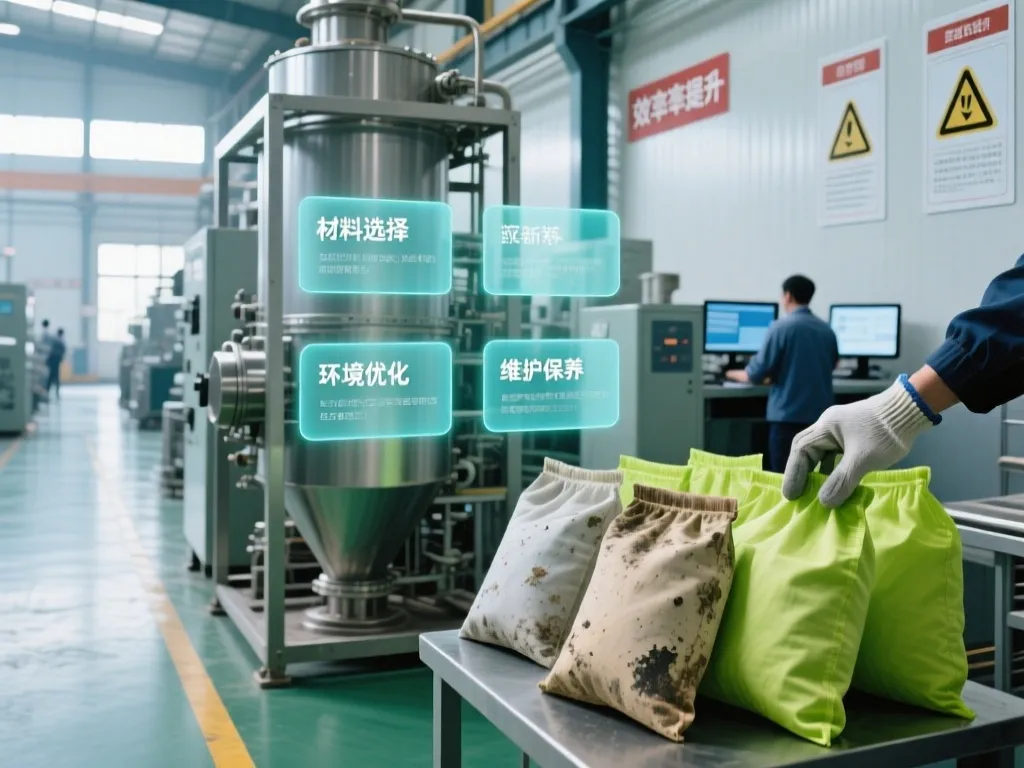
Ever wondered, ‘What causes frequent filter bag replacement?’ in your industrial setup? It’s a common headache for many, leading to unexpected downtime and higher costs. This blog dives deep into the root causes, from material choices to environmental factors, and offers practical solutions. Ready to unravel the mystery and save some cash?
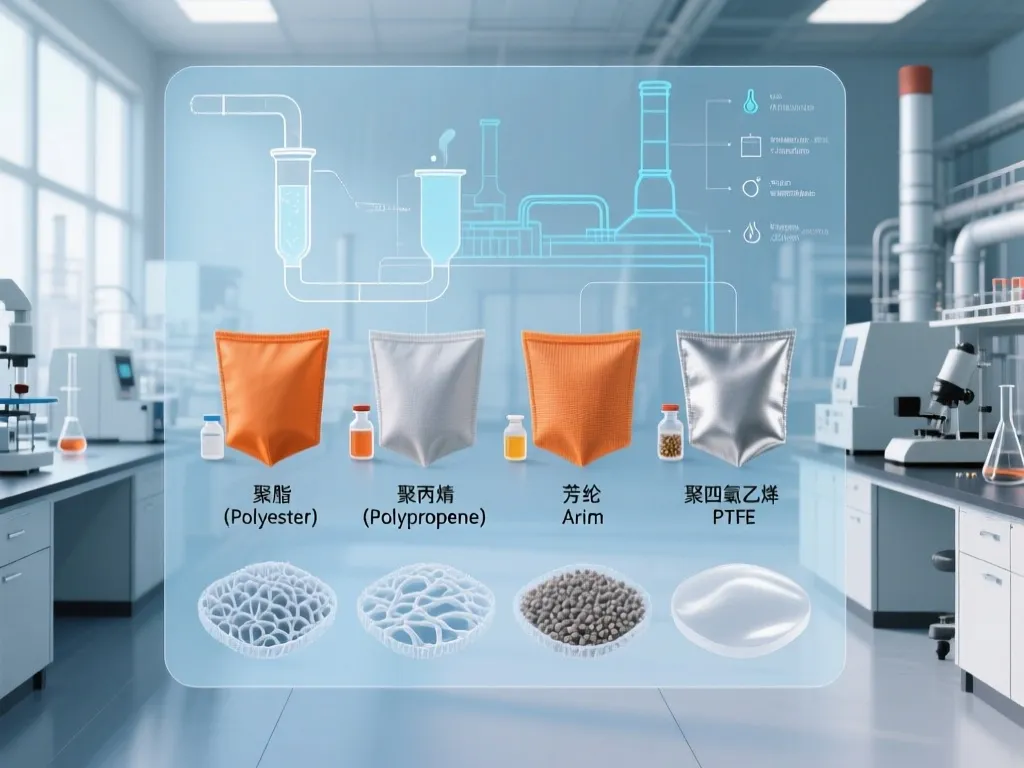
Filter Bag Material and Durability Analysis: Pros and Cons of Different Materials and the Consequences of Improper Selection
When it comes to industrial filtration and separation equipment, filter bags are undoubtedly the unsung heroes. They work tirelessly to capture particles, ensuring that the air or liquid passing through is clean and free from contaminants. But have you ever wondered why some filter bags seem to need replacing more frequently than others? The answer often lies in the material they’re made from. Let’s dive into the world of filter bag materials and explore how the wrong choice can lead to those frustrating frequent replacements.
First up, let’s talk about polyester filter bags. Polyester is a popular choice due to its affordability and versatility. It offers good resistance to abrasion and can handle a wide range of temperatures, making it suitable for many general-purpose filtration applications. However, polyester has its limitations. It’s not particularly resistant to chemicals, especially strong acids and alkalis. If your filtration process involves exposure to such substances, a polyester filter bag will quickly degrade, leading to holes and tears. This means more frequent replacements and higher operational costs in the long run. So, while polyester might be a great option for less demanding environments, it’s not the best bet when dealing with harsh chemicals. For high-performance solutions, consider exploring our range of high-performance filter bags designed for industrial dust collectors.
Next on the list is polypropylene. Polypropylene filter bags are known for their excellent chemical resistance. They can withstand a variety of acids, alkalis, and solvents, making them ideal for chemical processing and wastewater treatment applications. Additionally, polypropylene has a low moisture absorption rate, which helps prevent the growth of bacteria and mold. But here’s the catch: polypropylene has a relatively low melting point. If the temperature of the fluid or gas being filtered exceeds its melting point, the filter bag will melt, causing a complete system failure. This is a critical consideration, especially in high-temperature industrial processes. Choosing polypropylene for the wrong application can result in costly downtime and frequent filter bag changes.
Now, let’s move on to aramid filter bags. Aramid, also known as Nomex in some cases, is a high-performance material that excels in high-temperature environments. It can withstand temperatures up to 200°C (392°F) without losing its structural integrity. Aramid filter bags are also highly resistant to abrasion and chemicals, making them suitable for applications such as cement production, metal smelting, and power generation. However, aramid comes with a higher price tag compared to polyester and polypropylene. If you’re operating on a tight budget and your filtration process doesn’t involve extreme temperatures or harsh chemicals, aramid might not be the most cost-effective choice. Moreover, aramid filter bags require special handling during installation and maintenance due to their stiffness. Improper handling can lead to damage, reducing their lifespan and necessitating premature replacements. For a more cost-effective and efficient filtration solution, you may want to check our industrial bag filters.
Finally, we have PTFE (Polytetrafluoroethylene) filter bags. PTFE is often referred to as the “king of materials” in the filtration world due to its exceptional properties. It has an extremely low coefficient of friction, which means particles have a hard time sticking to its surface. This results in excellent cake release and reduced pressure drop across the filter bag. PTFE is also highly resistant to chemicals, including strong acids, alkalis, and organic solvents. It can operate at temperatures up to 260°C (500°F), making it suitable for the most demanding industrial applications. But as you might expect, PTFE filter bags are the most expensive option on the market. Unless your filtration process requires the highest level of performance and durability, investing in PTFE filter bags might not be justifiable. Additionally, PTFE is a relatively brittle material, and improper installation or handling can cause cracks and breaks, leading to frequent replacements. For high-efficiency filtration needs, our 1-micron filtration filter bags offer a reliable solution.
So, how does improper material selection lead to frequent filter bag replacements? It all comes down to compatibility. If the filter bag material isn’t compatible with the fluid or gas being filtered, it will degrade quickly. This degradation can manifest as holes, tears, or a loss of structural integrity, all of which reduce the filter bag’s ability to capture particles effectively. As a result, the filtration system becomes less efficient, and more contaminants pass through, potentially causing damage to downstream equipment. To avoid these issues, it’s crucial to carefully evaluate your filtration requirements and choose a filter bag material that can withstand the specific conditions of your application. By doing so, you can significantly extend the lifespan of your filter bags and reduce the frequency of replacements, saving you time and money in the long run. For more information on selecting the right filter bag for your needs, visit our high-efficiency dust collection filter bag page.
Impact of Operating Environment on Filter Bag Lifespan
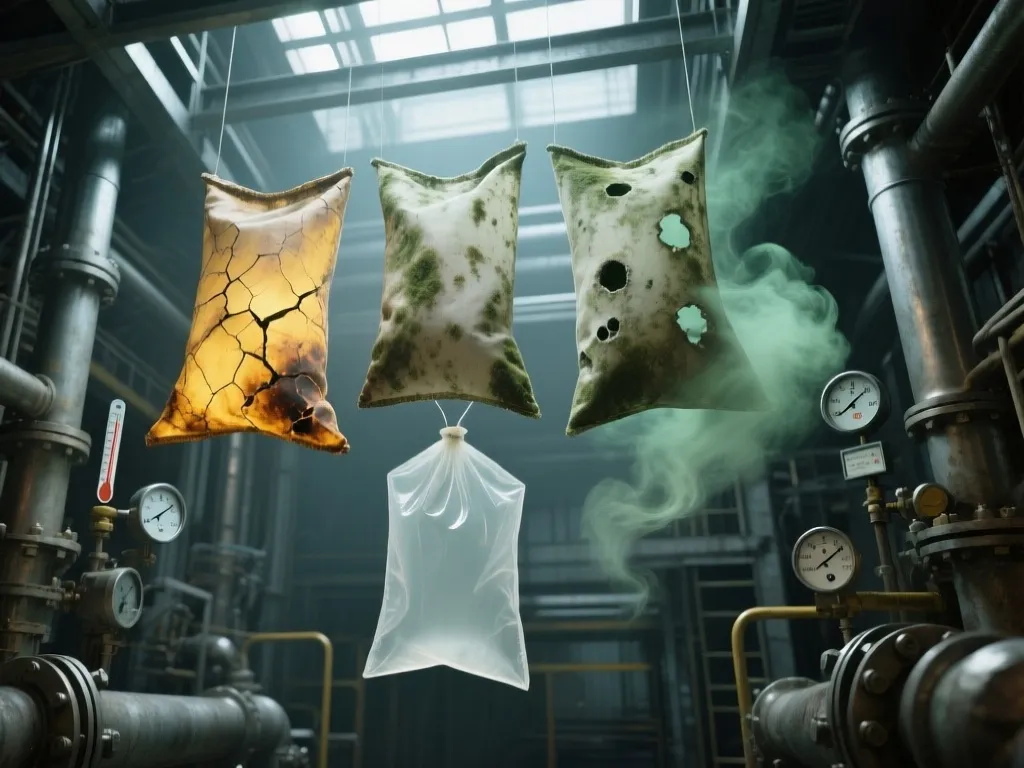
Ever wondered why your filter bags seem to give up the ghost way before their expected lifespan? It’s not just about the material they’re made of; the environment they operate in plays a huge role too. Let’s dive into how temperature, humidity, and corrosive gases can turn your filter bags into premature relics, and what you can do about it. First up, temperature. Imagine wearing a thick wool sweater on a scorching summer day. Not comfortable, right? Similarly, if your filter bags are exposed to extreme temperatures, they’re going to suffer. High temperatures can cause the filter material to degrade faster, losing its structural integrity and filtration efficiency. On the flip side, freezing temperatures can make the filter material brittle, leading to cracks and tears. So, what’s the solution? Choose filter bags that are rated for the temperature range of your operating environment. If you’re dealing with extreme heat, look for materials that can withstand high temperatures without breaking down. For cold environments, opt for materials that remain flexible even at low temperatures. Next, let’s talk about humidity. High humidity can be a filter bag’s worst enemy. Moisture can seep into the filter material, promoting the growth of mold and bacteria, which can clog the pores and reduce filtration efficiency. Moreover, moisture can also cause the filter material to swell, altering its fit and potentially leading to leaks. To combat humidity, consider using filter bags with moisture-resistant coatings or treatments. If your filtration system is exposed to gases like sulfur dioxide, chlorine, or ammonia, your filter bags are in for a rough ride. These gases can react with the filter material, causing chemical degradation and weakening the structure. In some cases, the gases can even penetrate the filter material, contaminating the filtered air or liquid. To protect your filter bags from corrosive gases, start by identifying the gases present in your operating environment. Then, choose filter bags made from materials that are resistant to those specific gases. For example, if you’re dealing with sulfur dioxide, look for filter bags with a PTFE (polytetrafluoroethylene) coating, which offers excellent chemical resistance. In addition to choosing the right filter bags, regular maintenance is crucial. Inspect your filter bags regularly for signs of wear, tear, or chemical damage. Replace any damaged bags immediately to prevent further degradation and maintain filtration efficiency. Also, consider implementing a preventive maintenance program that includes regular cleaning and inspection of your filtration system. By understanding the impact of temperature, humidity, and corrosive gases on your filter bags, you can take proactive steps to extend their lifespan and ensure optimal filtration performance. Remember, choosing the right filter bags for your operating environment is just the first step. Regular maintenance and inspection are equally important to keep your filtration system running smoothly and efficiently.
Temperature’s Toll on Filter Bags
High temperatures can cause the filter material to degrade faster, losing its structural integrity and filtration efficiency. Freezing temperatures, on the other hand, can make the filter material brittle, leading to cracks and tears. To mitigate these issues, select filter bags rated for your specific temperature range and consider materials that maintain stability across varying temperatures.
Humidity’s Hidden Dangers
High humidity promotes mold and bacteria growth, clogging filter pores and reducing efficiency. Moisture can also cause the filter material to swell, leading to leaks. Combat humidity with moisture-resistant coatings, proper ventilation, and moisture control methods like dehumidifiers.
Corrosive Gases: The Silent Killers
Corrosive gases like sulfur dioxide, chlorine, and ammonia can chemically degrade filter materials, weakening their structure and potentially contaminating filtered substances. Identify the gases in your environment and choose filter bags with appropriate chemical resistance, such as PTFE-coated options for sulfur dioxide exposure.
Operation and Maintenance Mistakes: How They Lead to Premature Filter Bag Failure
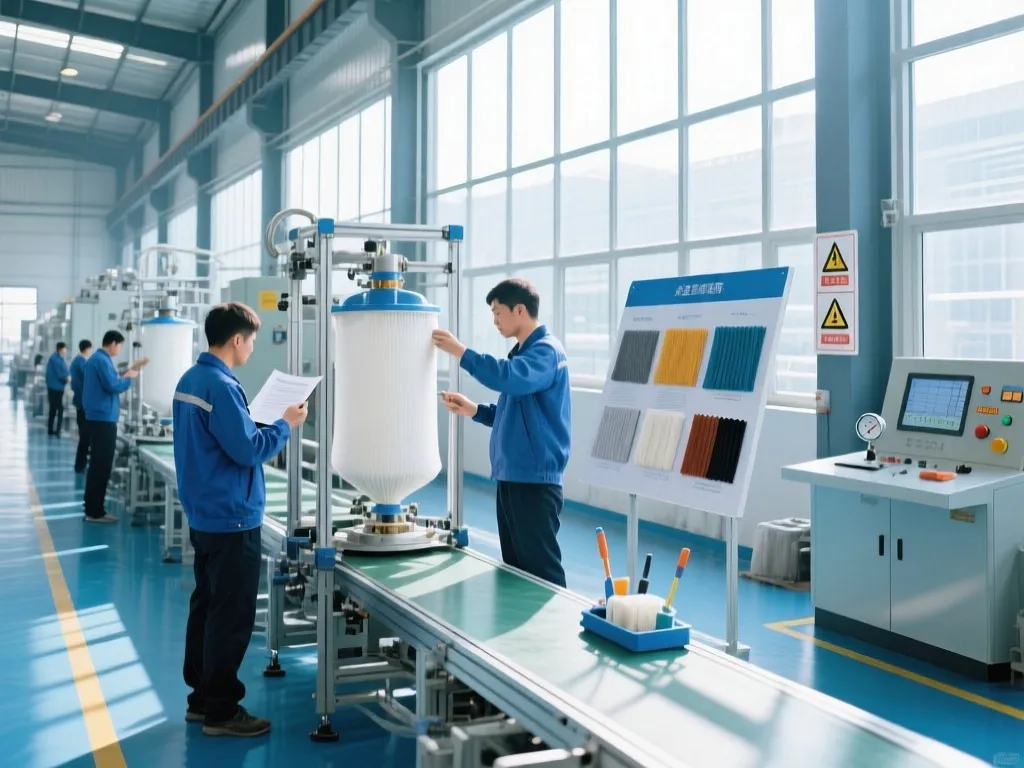
Ever wondered why your filter bags seem to wear out faster than expected? It’s not always about the quality of the bags themselves; often, it’s how we handle and maintain them that makes all the difference. Let’s dive into some common mistakes that can lead to premature filter bag failure and how you can avoid them. First off, improper installation is a major culprit. Imagine trying to fit a square peg into a round hole – it just doesn’t work, right? Similarly, if filter bags aren’t installed correctly, they can’t perform their job efficiently. This means gaps where dust can escape, or excessive tension that causes the bags to tear. Always follow the manufacturer’s installation guidelines to the letter. Next up, incorrect operation parameters. Running your filtration system at too high a pressure or temperature can put immense stress on the filter bags. It’s like pushing a car beyond its speed limit – eventually, something’s going to give. Make sure you’re operating within the recommended parameters to extend the life of your filter bags. Now, let’s talk about maintenance – or rather, the lack thereof. Regular maintenance is crucial for keeping your filter bags in top condition. But what does ‘regular’ mean? It varies depending on your specific application and environment, but generally, a monthly check-up is a good starting point. During these checks, look for signs of wear and tear, such as holes, thinning fabric, or loose seams. Also, check the pressure drop across the filter bags. A sudden increase could indicate a blockage or other issue that needs addressing. Cleaning is another aspect of maintenance that’s often overlooked. Dust and debris can accumulate on the filter bags, reducing their efficiency and increasing the risk of damage. Depending on your system, you might need to clean the bags manually or use an automated cleaning system. Either way, make sure cleaning is part of your regular maintenance routine. But what if you’re already doing all this and still facing premature filter bag failure? It could be that you’re using the wrong type of filter bag for your application. Different materials have different strengths and weaknesses, and choosing the wrong one can lead to rapid degradation. For example, if you’re filtering corrosive gases, you’ll need a filter bag made from a material that can withstand those conditions. Lastly, don’t forget about training. Your operators and maintenance staff need to be well-versed in the proper handling and care of filter bags. A little knowledge can go a long way in preventing costly mistakes. So, there you have it – a rundown of common operation and maintenance mistakes that can lead to premature filter bag failure. By avoiding these pitfalls and following the correct procedures, you can significantly extend the life of your filter bags and save yourself a lot of money in the long run.
Improper Installation: A Recipe for Disaster
Improper installation can lead to a host of problems, from reduced filtration efficiency to complete system failure. It’s essential to ensure that filter bags are installed correctly, with no gaps or excessive tension. This might require some training or guidance from the manufacturer, but it’s well worth the effort in the long run.
Operating Outside Recommended Parameters
Running your filtration system outside the recommended pressure or temperature range can put undue stress on the filter bags. This can cause them to wear out faster, tear, or even burst. Always check the manufacturer’s specifications and stick to them to avoid these issues.
Neglecting Regular Maintenance
Regular maintenance is key to keeping your filter bags in good condition. This includes checking for signs of wear and tear, monitoring pressure drops, and cleaning the bags as needed. By catching problems early, you can prevent them from escalating into more serious issues that require costly repairs or replacements.
Choosing the Wrong Filter Bag Material
Using the wrong type of filter bag material for your application can lead to rapid degradation and failure. Different materials have different properties, such as resistance to heat, chemicals, and abrasion. For high-performance dust collection, consider options like high-performance filtration bags or high-efficiency filtration bags depending on your specific requirements. Make sure you choose a material that’s suitable for your specific needs to ensure long-lasting performance.
Now you know the key factors behind frequent filter bag replacement. By choosing the right material, optimizing the operating environment, and following proper maintenance practices, you can significantly extend their lifespan. This not only cuts costs but also ensures smoother operations. So, why wait? Start implementing these strategies today and watch your filter system thrive. Want to dive deeper into optimizing your industrial filtration? Keep exploring our blog for more insights!