
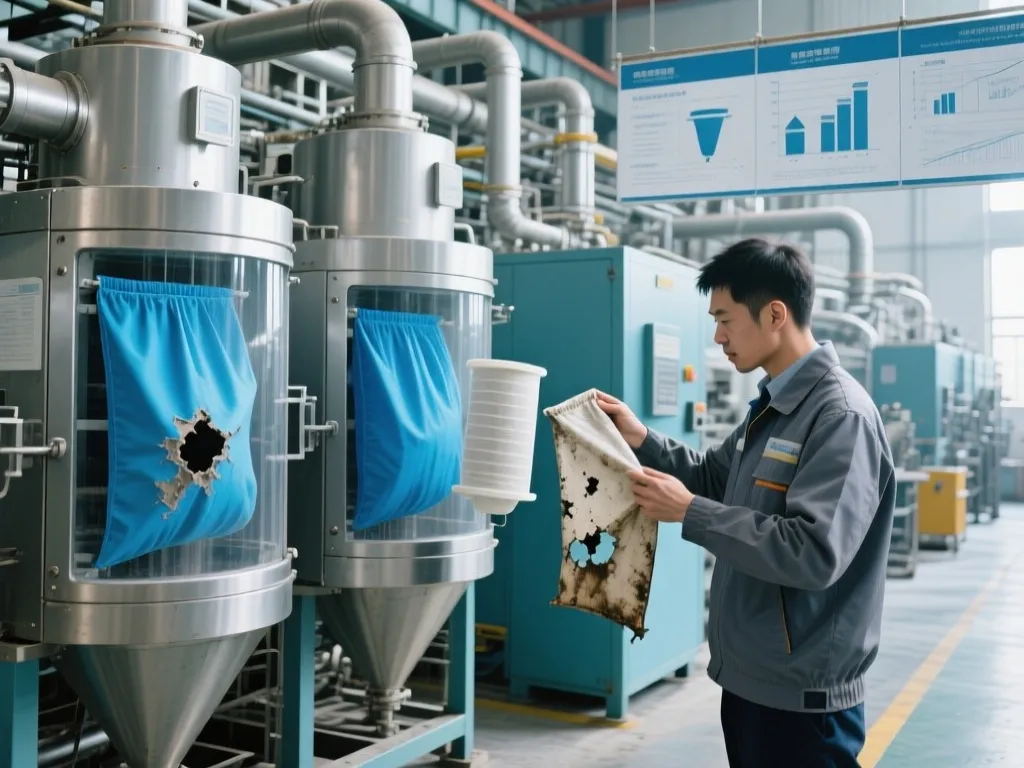
In the world of industrial filtration, one question often puzzles operators and engineers alike: Why do filter bags fail so quickly? Whether you’re managing a bustling factory floor or overseeing a complex filtration system, understanding the root causes of premature filter bag failure is crucial. It’s not just about cost savings; it’s about ensuring your operations run smoothly without unexpected downtime. So, let’s dive into the nitty-gritty of why these essential components sometimes give up the ghost way before their time.
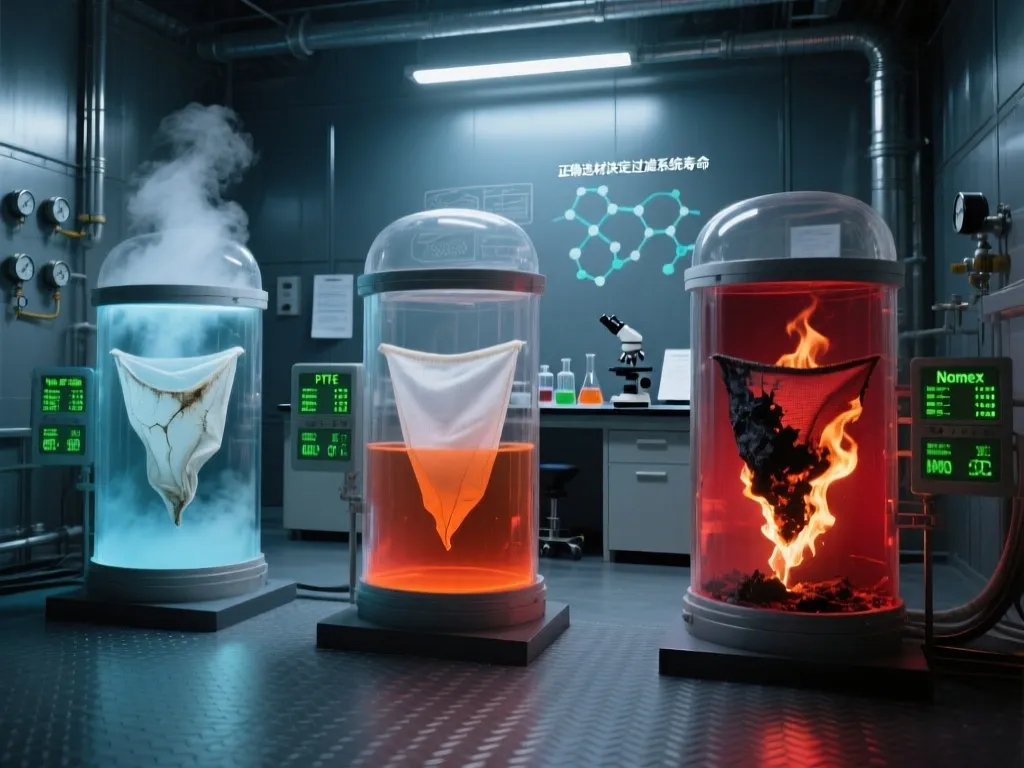
Material Selection Pitfalls: Why Do Filter Bags Fail So Quickly?
When it comes to industrial filtration, the choice of filter bag material is not just a matter of preference—it’s a critical decision that can significantly impact the lifespan and efficiency of your filtration system. Have you ever wondered why some filter bags seem to wear out much faster than others, even under similar operating conditions? The answer often lies in the mismatch between the material of the filter bag and the specific demands of the application. Let’s delve into the world of filter bag materials, exploring their unique properties, ideal use cases, and the pitfalls of choosing the wrong one. Polyester filter bags, for instance, are a popular choice due to their cost-effectiveness and versatility. They perform well in a wide range of temperatures and can handle many types of dry particulates. However, polyester’s Achilles’ heel is its susceptibility to hydrolysis in high-humidity environments or when exposed to certain chemicals. Imagine using a polyester filter bag in a steam-cleaning application or in a process where alkaline substances are prevalent. The result? A prematurely failed filter bag, costing you time and money in replacements and system downtime. On the other end of the spectrum, we have PTFE (Polytetrafluoroethylene) filter bags, renowned for their exceptional chemical resistance and thermal stability. PTFE can withstand extreme temperatures and aggressive chemicals, making it ideal for applications like chemical processing or incinerator flue gas filtration. But here’s the catch: PTFE filter bags come with a hefty price tag. If you’re filtering relatively benign substances at moderate temperatures, opting for PTFE might be overkill, leading to unnecessary expenses without significant performance benefits. For a more cost-effective solution in less severe applications, consider exploring our range of high-efficiency, cost-effective industrial bag filters. Then there’s the case of nomex filter bags, which excel in high-temperature applications, particularly those involving hot gases or flames. Nomex’s heat-resistant properties make it a go-to material for industries like cement production or metal smelting. However, nomex is not invincible. It can degrade when exposed to certain oxidizing agents or in environments with high levels of moisture. Using nomex in a wet scrubbing system, for example, could lead to rapid material breakdown and filter bag failure. So, how does material mismatch lead to such rapid filter bag failures? It boils down to the fundamental properties of the materials not aligning with the operational demands. When a filter bag is subjected to conditions it’s not designed to handle—be it excessive heat, chemical exposure, or mechanical stress—its structural integrity begins to compromise. This can manifest as tears, holes, or a general weakening of the fabric, all of which reduce the filter bag’s ability to capture and retain particulates effectively. Moreover, the wrong material choice can also affect the filter bag’s ability to release captured particles during the cleaning cycle, a process known as ‘cake release.’ If the material is too sticky or has a high surface energy, particles can adhere too strongly, leading to clogging and increased pressure drop across the filter. This not only reduces filtration efficiency but also puts additional strain on the filter bag, hastening its demise. In essence, selecting the right filter bag material is a balancing act. You need to consider the temperature range, chemical composition, particle size distribution, and moisture content of the gas stream you’re filtering. Only by matching these factors with the appropriate material properties can you ensure optimal performance and longevity of your filter bags. So, the next time you’re faced with choosing a filter bag material, don’t just go with what’s cheap or readily available. Take the time to understand your application’s unique requirements and select a material that’s up to the task. Your filtration system—and your bottom line—will thank you for it.
Polyester Filter Bags: The Jack-of-All-Trades, Master of None?
Polyester filter bags are often seen as the ‘default’ choice for many industrial filtration applications. Their affordability and broad compatibility make them attractive, but are they always the best option? Let’s explore the scenarios where polyester shines and where it falls short. In dry particulate filtration, especially at moderate temperatures, polyester performs admirably. It’s resistant to abrasion and can handle a fair amount of mechanical stress. However, when humidity enters the picture, things get tricky. Polyester’s tendency to absorb moisture can lead to hydrolysis, a chemical reaction that weakens the fabric over time. This is particularly problematic in applications involving steam or high-moisture gases. Additionally, polyester’s resistance to chemicals is limited. While it can handle many organic solvents and oils, it’s not suitable for use with strong acids or bases. If your process involves these substances, you’ll need to look for alternative materials, such as our high-efficiency dust collection filter bags designed for such challenging environments.
PTFE Filter Bags: The Premium Choice with a Premium Price
PTFE filter bags are the Rolls-Royce of the filtration world. Their unparalleled chemical resistance and thermal stability make them the go-to choice for the most demanding applications. But is the extra cost justified? In scenarios where you’re dealing with highly corrosive gases or extreme temperatures, PTFE’s superior properties can save you from frequent filter bag replacements and system failures. Its non-stick surface also ensures excellent cake release, reducing the risk of clogging and pressure buildup. However, for less severe applications, the benefits of PTFE may not outweigh its high cost. If you’re filtering relatively clean air or mild particulates, a less expensive material like polyester or nomex might suffice. It’s all about finding the right balance between performance and cost-effectiveness.
Nomex Filter Bags: Heat Resistance at a Cost
Nomex filter bags are the heroes of high-temperature filtration. Their ability to withstand scorching temperatures without melting or degrading makes them indispensable in industries like cement production and metal smelting. But what are the trade-offs? While nomex excels in heat resistance, it’s not as chemically inert as PTFE. Certain oxidizing agents can cause nomex to break down, reducing its lifespan. Moreover, nomex’s moisture sensitivity means it’s not suitable for wet applications. If your process involves water or steam, you’ll need to consider other materials or take steps to protect the nomex filter bags from moisture exposure. For cement plant dust collection, our high-performance aramid filter bags offer an excellent solution, combining heat resistance with durability. Understanding these limitations is crucial for making an informed material selection.
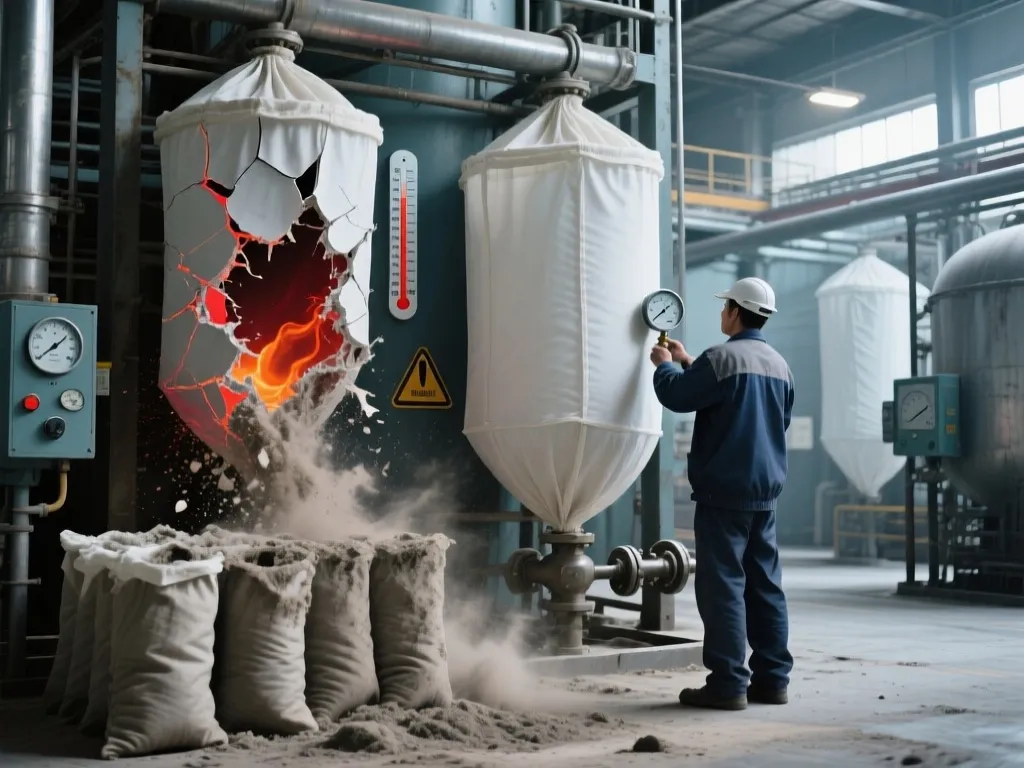
Operational Mistakes and Maintenance Neglect: How They Shorten Filter Bag Lifespan
When it comes to the longevity of filter bags in industrial filtration systems, operational mistakes and maintenance neglect are two silent killers that often go unnoticed until it’s too late. You might be surprised to learn just how much these seemingly minor oversights can impact the overall performance and lifespan of your filter bags. Let’s dive into the specifics of how pressure mismanagement, temperature extremes, and inadequate cleaning can lead to premature filter bag failure. First up, let’s talk about pressure. Have you ever considered the impact of excessive pressure on your filter bags? It’s a common oversight, but one that can have catastrophic consequences. Filter bags are designed to withstand a certain amount of pressure, but when that pressure exceeds their rated capacity, the fibers can start to break down. This breakdown not only reduces the filtration efficiency but also weakens the structural integrity of the bag, making it more susceptible to tears and ruptures. Imagine trying to hold back a flood with a sieve; that’s essentially what’s happening when you subject your filter bags to too much pressure. Now, let’s shift our focus to temperature. Just like pressure, temperature plays a crucial role in the performance and lifespan of filter bags. Each type of filter material has its own temperature tolerance range. Exceeding this range, even slightly, can cause the material to degrade rapidly. For instance, synthetic fibers like polyester or polypropylene can melt or become brittle at high temperatures, while natural fibers like cotton can char or burn. On the flip side, extremely low temperatures can make the material stiff and less flexible, increasing the risk of damage during installation or operation. It’s a delicate balance, and one that requires careful monitoring and adjustment to maintain optimal filtration conditions. But operational mistakes aren’t the only culprits behind premature filter bag failure. Maintenance neglect, particularly in the form of inadequate cleaning, can be just as damaging. Over time, filter bags accumulate dust, debris, and other particulates that can clog the pores and reduce airflow. If these contaminants aren’t removed regularly through proper cleaning, they can build up to the point where they exert excessive pressure on the bag fibers, causing them to stretch or break. Moreover, some contaminants can be corrosive or abrasive, further accelerating the degradation process. It’s like trying to breathe through a straw filled with sand; eventually, the strain becomes too much, and the straw (or in this case, the filter bag) gives way. So, what can you do to prevent these issues and extend the lifespan of your filter bags? The answer lies in proactive monitoring, regular maintenance, and a deep understanding of your filtration system’s requirements. By keeping a close eye on pressure and temperature gauges, adjusting settings as needed, and implementing a rigorous cleaning schedule, you can significantly reduce the risk of premature filter bag failure. Additionally, investing in high-quality filter bags that are specifically designed for your application can provide an extra layer of protection against operational and maintenance-related issues. Remember, a little bit of prevention goes a long way in the world of industrial filtration.
The Impact of Pressure Mismanagement
Excessive pressure can cause filter bag fibers to break down, reducing filtration efficiency and weakening structural integrity. It’s crucial to monitor pressure levels and ensure they stay within the rated capacity of your filter bags to prevent premature failure.
Temperature Extremes and Filter Bag Degradation
Each filter material has its own temperature tolerance range. Exceeding this range can cause rapid degradation, whether through melting, brittleness, charring, or stiffness. Careful temperature control is essential for maintaining optimal filtration conditions.
Inadequate Cleaning: A Silent Killer
Accumulated dust, debris, and particulates can clog filter bag pores and reduce airflow. If not removed regularly through proper cleaning, these contaminants can exert excessive pressure on bag fibers, causing stretching or breaking. Some contaminants can also be corrosive or abrasive, further accelerating degradation.
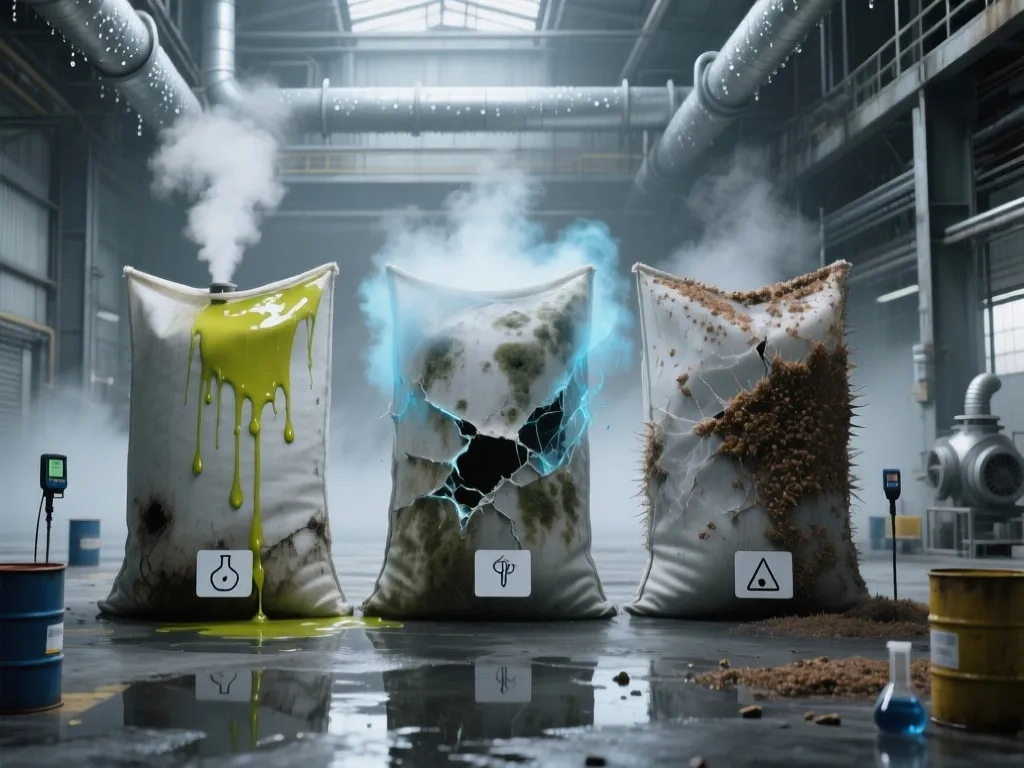
Environmental Factors Consideration: How Chemicals, Humidity, and Particulates Accelerate Filter Bag Aging and Failure
When it comes to the durability of filter bags in industrial settings, environmental factors play a pivotal role that often goes underestimated. You might be surprised to learn just how much the surrounding conditions can impact the lifespan of your filter bags. Let’s delve into the specifics of how chemicals, humidity, and particulates can wreak havoc on your filtration system. Firstly, let’s talk about chemicals. Industrial environments are rife with various chemicals, from corrosive acids to alkaline substances. These chemicals can interact with the filter bag material, leading to chemical degradation. For instance, if you’re using a polyester filter bag in an environment with high concentrations of sulfuric acid, you’re setting yourself up for failure. The acid will gradually eat away at the polyester fibers, weakening the structure and causing premature failure. It’s crucial to select filter bag materials that are resistant to the specific chemicals present in your industrial setting. Now, onto humidity. High humidity levels can be a silent killer for filter bags. When the air is saturated with moisture, it can condense on the filter bag surface, leading to a phenomenon known as ‘wetting out.’ This not only reduces the filter’s efficiency but also creates an ideal environment for microbial growth. Microbes can further degrade the filter material, leading to holes and tears. Additionally, moisture can cause the filter bag fibers to swell, reducing the pore size and increasing pressure drop, which in turn accelerates wear and tear. So, if you’re operating in a humid climate, consider investing in moisture-resistant filter bags or implementing dehumidification measures in your facility. Lastly, let’s not forget about particulates. The very particles that filter bags are designed to capture can also contribute to their demise. Fine particulates, especially those with sharp edges or abrasive properties, can act like sandpaper on the filter bag surface. Over time, this abrasion can wear down the fibers, leading to thinning and eventual failure. Moreover, if the particulate load is too high, it can clog the filter bag pores, increasing pressure drop and forcing the system to work harder, which can also shorten the filter bag’s lifespan. To mitigate this, ensure your filter bags are rated for the specific particulate size and load in your application, and consider implementing pre-filtration steps to reduce the burden on your primary filter bags. In conclusion, environmental factors such as chemicals, humidity, and particulates can significantly accelerate the aging and failure of filter bags in industrial settings. By understanding these factors and taking proactive measures to mitigate their impact, you can extend the lifespan of your filter bags, improve filtration efficiency, and reduce operational costs. So, the next time you’re evaluating your filtration system, don’t overlook the importance of environmental considerations. They could be the key to unlocking longer-lasting, more reliable filter performance.
Chemical Resistance: The First Line of Defense
Chemical resistance is paramount when selecting filter bags for industrial applications. Different materials offer varying levels of resistance to specific chemicals. For example, PTFE (polytetrafluoroethylene) filter bags are highly resistant to most chemicals, making them ideal for harsh chemical environments. On the other hand, polyester filter bags may not fare as well in acidic conditions. Always consult with your filter bag supplier to ensure you’re choosing a material that can withstand the chemicals present in your facility.
Humidity Control: Keeping Moisture at Bay
Controlling humidity levels is crucial for maintaining the integrity of your filter bags. In addition to selecting moisture-resistant materials, consider implementing humidity control measures such as dehumidifiers or ventilation systems. Regularly monitoring humidity levels can help you identify potential issues before they lead to filter bag failure. Remember, prevention is always better than cure when it comes to maintaining your filtration system.
Particulate Management: Reducing the Abrasive Load
Effective particulate management is key to extending the lifespan of your filter bags. This includes selecting filter bags with the appropriate pore size and rating for your application, as well as implementing pre-filtration steps to reduce the particulate load on your primary filters. Regular maintenance, such as pulse cleaning or backflushing, can also help remove accumulated particulates and prevent clogging. By managing particulates effectively, you can minimize abrasion and prolong the life of your filter bags.
Now that you’ve uncovered the common culprits behind why filter bags fail so quickly, you’re better equipped to tackle the issue head-on. From selecting the right materials to fine-tuning your operational practices and accounting for environmental factors, every step counts in extending the lifespan of your filter bags. Remember, a proactive approach is key to avoiding costly replacements and maintaining optimal filtration performance. So, what are you waiting for? Review your current setup, implement the tips shared here, and watch your filter bags thrive longer. Want to delve deeper into industrial filtration secrets? Keep exploring our blog for more insights!