
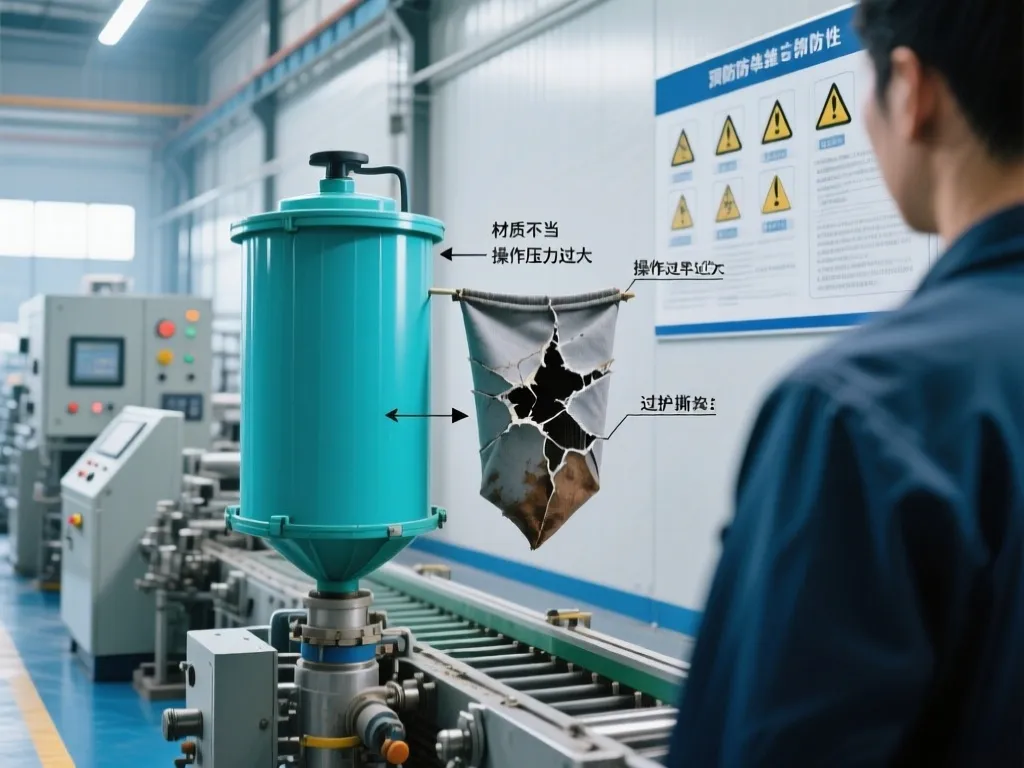
Ever found yourself puzzled, asking, ‘Why does my filter bag tear prematurely?’ You’re not alone. In the industrial world, where efficiency is king, a torn filter bag can mean costly downtime and reduced productivity. Whether you’re an operator, a maintenance technician, or a business owner seeking solutions, understanding the root causes of premature filter bag failure is crucial. In this blog, we’ll dive deep into the reasons behind this common issue and provide you with actionable strategies to keep your filter bags intact and your operations running smoothly.
Why Material Selection Matters: The Root Cause of Premature Filter Bag Tears
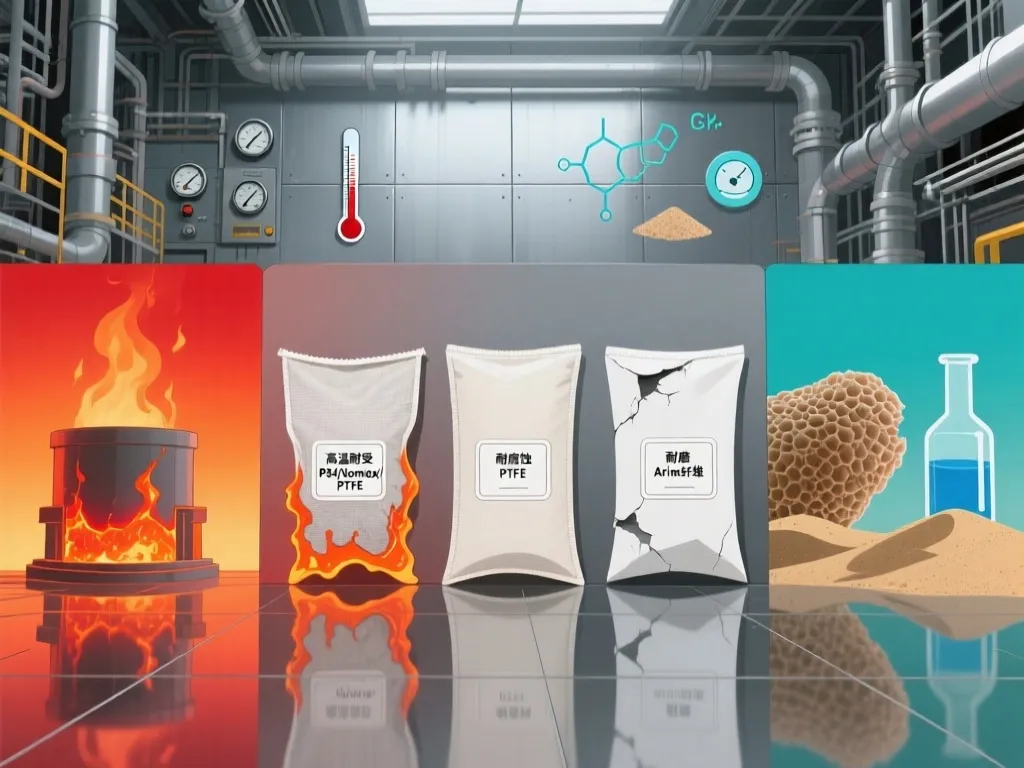
When it comes to industrial filtration systems, the material of your filter bags isn’t just a detail—it’s the cornerstone of performance and longevity. You might be asking yourself, ‘Why does my filter bag tear prematurely?’ Well, one of the most common culprits is improper material selection. Let’s dive into why this happens and how you can avoid it. Different industrial environments come with their own set of challenges. For instance, in a high-temperature setting like a steel mill or a cement plant, your filter bags need to withstand extreme heat without degrading. Using a standard polyester filter bag in such conditions is a recipe for disaster. Polyester, while cost-effective and versatile, has a relatively low melting point and can quickly lose its structural integrity under high temperatures, leading to premature tears. For high-performance solutions in such environments, consider exploring our range of aramid filter bags designed for cement plant dust collection. Similarly, in corrosive environments such as chemical processing plants or wastewater treatment facilities, the wrong material choice can spell trouble. Imagine using a filter bag made of a material that reacts with the chemicals in the air or liquid it’s filtering. Over time, this chemical interaction can weaken the fabric, making it more susceptible to tears and punctures. So, what materials should you consider for these demanding environments? For high-temperature applications, materials like P84 (polyimide), Nomex, or even certain grades of PTFE (polytetrafluoroethylene) are excellent choices. These materials have high melting points and can maintain their strength and flexibility even at elevated temperatures. When it comes to corrosive environments, PTFE stands out as a top performer due to its exceptional chemical resistance. It’s virtually impervious to most acids, bases, and solvents, making it an ideal choice for harsh chemical processing applications. Another factor to consider is the physical properties of the material itself. Some materials are inherently more durable and abrasion-resistant than others. For example, if your filtration system handles abrasive particles like sand or metal shavings, you’ll want a filter bag made of a tough, wear-resistant material like aramid fibers. Aramid fibers, such as Kevlar, are known for their high tensile strength and excellent abrasion resistance, making them perfect for such demanding applications. But here’s the thing: even if you choose the right material for your environment, you still need to ensure it’s the right fit for your specific filtration needs. This means considering factors like filtration efficiency, air permeability, and pressure drop. A material that’s too dense might offer excellent filtration but could also cause excessive pressure drop, reducing system efficiency and potentially leading to premature filter bag failure. On the other hand, a material that’s too porous might not provide adequate filtration, allowing contaminants to pass through and potentially damaging downstream equipment. So, how do you strike the right balance? It all comes down to understanding your specific application requirements and selecting a material that meets those needs while also being compatible with your operating conditions. This might involve consulting with a filtration expert or conducting thorough research to identify the best material for your situation. In conclusion, choosing the right material for your filter bags is crucial for preventing premature tears and ensuring optimal system performance. By considering factors like temperature resistance, chemical compatibility, and physical durability, you can select a material that will stand up to the rigors of your industrial environment and keep your filtration system running smoothly for years to come.
High-Temperature Resistance: Choosing the Right Material for Hot Environments
When operating in high-temperature settings, selecting a filter bag material that can withstand the heat is paramount. Standard materials like polyester simply won’t cut it in environments where temperatures soar above 200°C (392°F). Instead, opt for materials like P84, Nomex, or PTFE, which have much higher melting points and can maintain their structural integrity even under extreme heat. These materials are designed to resist thermal degradation, ensuring your filter bags last longer and perform reliably in hot industrial settings. For high-temperature resistant options, check out our high-temperature resistant filtration bags.
Chemical Resistance: Protecting Your Filter Bags from Corrosive Substances
In corrosive environments, the chemical resistance of your filter bag material is just as important as its temperature resistance. Using a material that reacts with the chemicals in your process stream can lead to rapid degradation and premature failure. PTFE, with its exceptional chemical inertness, is an excellent choice for such applications. It’s resistant to a wide range of acids, bases, and solvents, making it a versatile and reliable option for chemical processing plants, wastewater treatment facilities, and other corrosive environments.
Physical Durability: Ensuring Your Filter Bags Can Withstand Abrasion and Wear
Even if your filter bags are exposed to moderate temperatures and non-corrosive substances, they still need to be physically durable to withstand the rigors of daily operation. Abrasive particles like sand, metal shavings, or even coarse dust can quickly wear down standard filter bag materials, leading to tears and punctures. Aramid fibers, such as Kevlar, offer excellent abrasion resistance and high tensile strength, making them ideal for applications where physical durability is a top priority. By choosing a tough, wear-resistant material, you can extend the lifespan of your filter bags and reduce the frequency of replacements. For more information on high-performance filter bags, visit our high-performance filtration bag solutions page.
Harsh Operating Conditions: The Silent Killers of Your Filter Bags
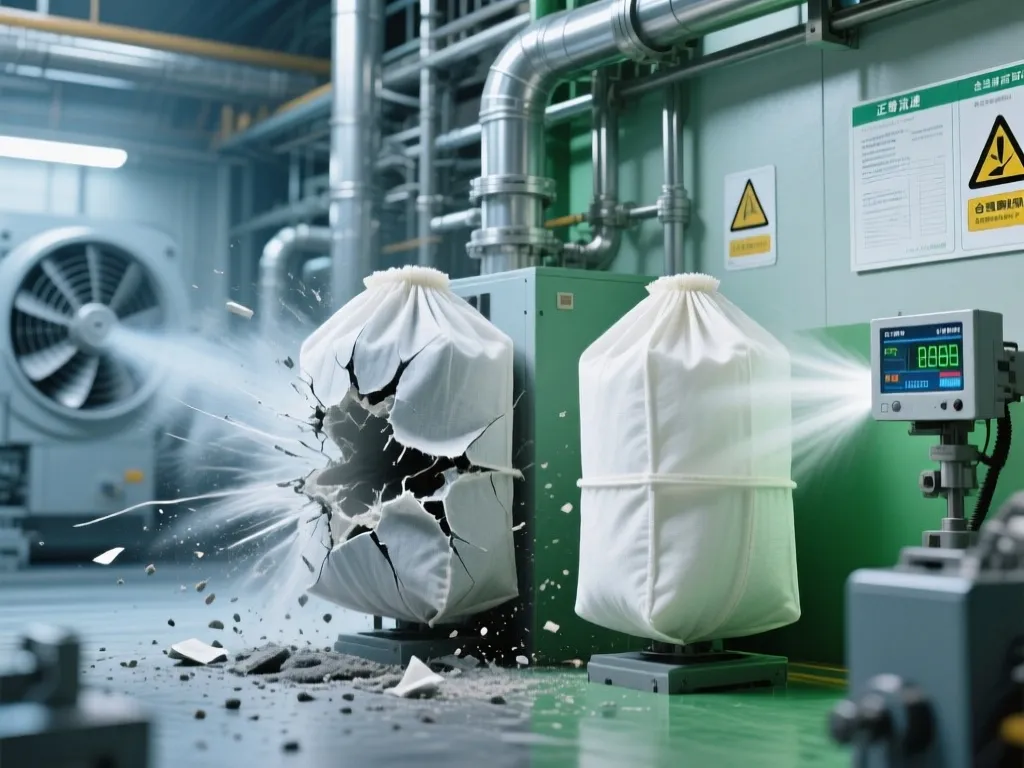
Ever wondered why your filter bags seem to tear apart way before their expected lifespan? It’s not always about the quality of the material or the brand you’ve chosen. Sometimes, the culprit lies in the operating conditions you’re subjecting them to. Let’s dive into two major factors that can wreak havoc on your filter bags: excessive filtration velocity and improper cleaning methods. Excessive filtration velocity is like putting your filter bags on a high-speed treadmill. When the air or liquid passes through the filter bag at a speed that’s too high, it creates a tremendous amount of stress on the fabric. Imagine trying to hold a thin piece of cloth against a powerful gust of wind – it’s going to tear apart, right? The same principle applies here. High filtration velocity can cause the fibers in the filter bag to stretch and eventually break, leading to premature tearing. This is especially problematic in industries where high-volume filtration is necessary, such as in cement plants or steel mills. But it’s not just about the speed; it’s also about how you manage it. If your system isn’t designed to handle such high velocities, you’re setting yourself up for failure. For systems struggling with high velocities, consider exploring high-performance filtration bag solutions that are designed to withstand such conditions. Now, let’s talk about improper cleaning methods. Cleaning your filter bags is crucial to maintain their performance and extend their lifespan. However, if you’re not doing it right, you might as well be tearing them apart yourself. One common mistake is using excessive force during cleaning. Whether it’s mechanical shaking, reverse air flow, or pulse jet cleaning, applying too much pressure can damage the delicate fibers of the filter bag. It’s like scrubbing a delicate fabric with a rough brush – it’s going to wear out quickly. Another aspect of improper cleaning is the frequency. Cleaning too often can be just as harmful as not cleaning enough. Over-cleaning can strip away the protective layers on the filter bag, making it more susceptible to wear and tear. On the other hand, under-cleaning can lead to clogging, which increases the pressure drop across the filter bag and puts additional stress on it. So, what’s the solution? First, you need to understand the optimal operating conditions for your specific filter bags. This includes the ideal filtration velocity, cleaning pressure, and frequency. Consult the manufacturer’s guidelines or seek expert advice to ensure you’re not pushing your filter bags beyond their limits. Second, invest in a reliable monitoring system. This will help you keep track of the operating conditions in real-time and make adjustments as needed. For instance, if you notice that the filtration velocity is consistently high, you might need to upgrade your system or add more filter bags to distribute the load. Lastly, train your staff on proper cleaning procedures. Make sure they understand the importance of using the right amount of pressure and frequency. Regular training sessions can go a long way in preventing premature filter bag failure due to improper cleaning. In conclusion, harsh operating conditions like excessive filtration velocity and improper cleaning methods can significantly shorten the lifespan of your filter bags. By understanding these factors and taking proactive measures to mitigate them, you can protect your investment and ensure smooth operation of your filtration system.
Excessive Filtration Velocity: A High-Speed Disaster
Excessive filtration velocity is a common yet often overlooked cause of premature filter bag failure. When the velocity is too high, it creates a turbulent flow that can cause the filter bag to vibrate excessively. This vibration, combined with the high-speed impact of particles against the fabric, can lead to rapid wear and tear. In industries where fine particles are prevalent, such as in pharmaceuticals or food processing, high filtration velocity can be particularly damaging. The tiny particles can act like sandpaper, gradually eroding the filter bag’s surface until it tears. To prevent this, you need to ensure that your filtration system is designed to handle the specific particle size and load of your application. This might involve using a multi-stage filtration system or selecting filter bags with a higher filtration efficiency, such as high-efficiency filtration bags.
Improper Cleaning Methods: The Hidden Danger
Cleaning your filter bags is a necessary evil, but doing it wrong can be a recipe for disaster. As mentioned earlier, using excessive force during cleaning can damage the fibers and strip away protective layers. But there’s more to it than just pressure. The type of cleaning method you choose also matters. For instance, pulse jet cleaning is a popular method for its effectiveness in removing stubborn particles. However, if the pulse duration or frequency is not properly calibrated, it can cause the filter bag to flex excessively, leading to fatigue and eventual tearing. Similarly, mechanical shaking can be too harsh for some types of filter bags, especially those made from delicate materials. To avoid these issues, you need to select a cleaning method that’s compatible with your filter bags and adjust the parameters to suit your specific application. Regular maintenance checks can also help you identify any signs of damage early on and take corrective action before it’s too late.
Maintenance Neglect: Why Skipping Checks Leads to Premature Filter Bag Tears
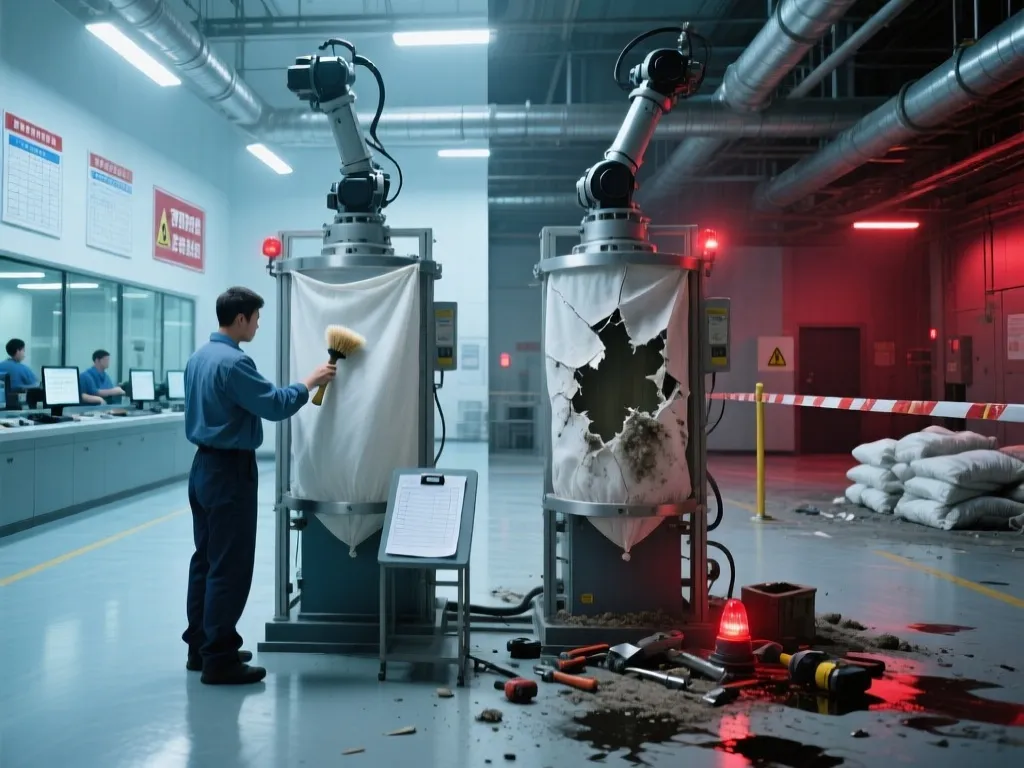
When it comes to industrial filtration systems, maintenance isn’t just a chore—it’s the lifeline of your filter bags. Let’s face it, we’ve all been guilty of pushing off maintenance tasks, thinking ‘it can wait until tomorrow.’ But here’s the thing: when it comes to filter bags, tomorrow might be too late. Regular inspections, cleaning, and timely replacements are the cornerstones of maintaining peak performance. Neglecting these steps? Well, that’s a one-way ticket to premature tear town.Imagine your filter bag as a dedicated worker in a bustling factory. It’s constantly filtering out impurities, ensuring the smooth flow of operations. But just like any worker, it needs breaks, care, and occasional check-ups to stay in top shape. If you ignore its needs, don’t be surprised when it starts showing signs of wear and tear—or worse, tears apart unexpectedly.So, why exactly does skipping maintenance lead to premature filter bag tears? Let’s break it down. First off, regular inspections are crucial. They allow you to spot small issues before they turn into big problems. A tiny hole or a weak spot might seem insignificant at first glance, but under the constant pressure of filtration, these minor flaws can quickly escalate into full-blown tears. By catching them early, you can patch them up or replace the bag before it’s too late.Next up, cleaning. Over time, filter bags accumulate a layer of trapped particles and contaminants. This buildup not only reduces their filtration efficiency but also adds extra weight and strain. Think of it like carrying a heavy backpack all day—eventually, your shoulders will give out. Similarly, a dirty filter bag is more likely to tear under the added stress. Regular cleaning removes this buildup, keeping the bag light and efficient.And let’s not forget about timely replacements. Even with the best care, filter bags have a finite lifespan. Continuously using a bag beyond its recommended service life is a recipe for disaster. As the material degrades, it becomes more susceptible to tears and ruptures. By replacing worn-out bags promptly, you ensure that your filtration system operates at peak performance without any unexpected downtime. For high-performance solutions that can withstand rigorous industrial use, consider exploring our range of high-performance filtration bags.Now, you might be thinking, ‘But I’m busy! I don’t have time for all this maintenance.’ Trust me, I get it. But here’s the thing: the time you invest in maintenance now will save you countless hours (and dollars) in repairs and replacements later. Plus, a well-maintained filtration system runs more smoothly, reduces energy consumption, and extends the lifespan of your equipment. It’s a win-win situation.So, what can you do to make maintenance easier and more effective? Start by creating a maintenance schedule. Set aside specific times for inspections, cleaning, and replacements. Stick to it religiously, and you’ll see a noticeable difference in the performance and longevity of your filter bags. Additionally, invest in high-quality maintenance tools and products. Using the right equipment makes the job easier and ensures better results.Finally, don’t underestimate the power of training. Make sure your team is well-versed in the proper maintenance procedures for filter bags. A knowledgeable and skilled workforce is your best defense against premature tears and system failures.In conclusion, maintenance neglect is a silent killer of filter bags. By skipping regular checks, cleaning, and replacements, you’re setting yourself up for costly repairs and unexpected downtime. But by prioritizing maintenance and following the tips outlined above, you can keep your filter bags in top shape and ensure the smooth operation of your industrial filtration system. So, what are you waiting for? Start maintaining those bags today!
The Importance of Regular Inspections
Regular inspections are your first line of defense against premature filter bag tears. By visually examining the bags for signs of wear, holes, or weak spots, you can catch potential issues before they escalate. Implement a routine inspection schedule, and don’t hesitate to replace any bags showing signs of damage. Remember, a stitch in time saves nine—or in this case, a replacement bag saves a lot of headaches.
Cleaning: The Unsung Hero of Filter Bag Maintenance
Cleaning might not be the most glamorous task, but it’s essential for keeping your filter bags in top shape. Over time, trapped particles and contaminants can build up, reducing filtration efficiency and adding strain. Regular cleaning removes this buildup, ensuring optimal performance and extending the lifespan of your bags. Use appropriate cleaning agents and techniques for your specific bag material to avoid damage. For bags that require efficient cleaning due to their high filtration demands, our 1-micron filtration bags are a great choice.
Timely Replacements: Knowing When to Say Goodbye
Even with the best care, filter bags won’t last forever. Knowing when to replace them is crucial for preventing premature tears. Keep track of each bag’s service life and replace them promptly when they reach their recommended lifespan. Don’t be tempted to squeeze a little extra life out of a worn-out bag—it’s not worth the risk of a costly tear or system failure. For environments with high temperatures, our basalt fiber filter bags offer a durable solution.
Now that you’ve uncovered the mystery behind why your filter bag tears prematurely, it’s time to take action. By choosing the right material, optimizing operating conditions, and sticking to a regular maintenance schedule, you can significantly extend the lifespan of your filter bags and boost your industrial efficiency. Remember, prevention is always better than cure. So, don’t wait until your next filter bag fails—start implementing these strategies today and see the difference for yourself. Want to learn more about maximizing your filter bag’s performance? Keep exploring our blog for more insights and tips!