
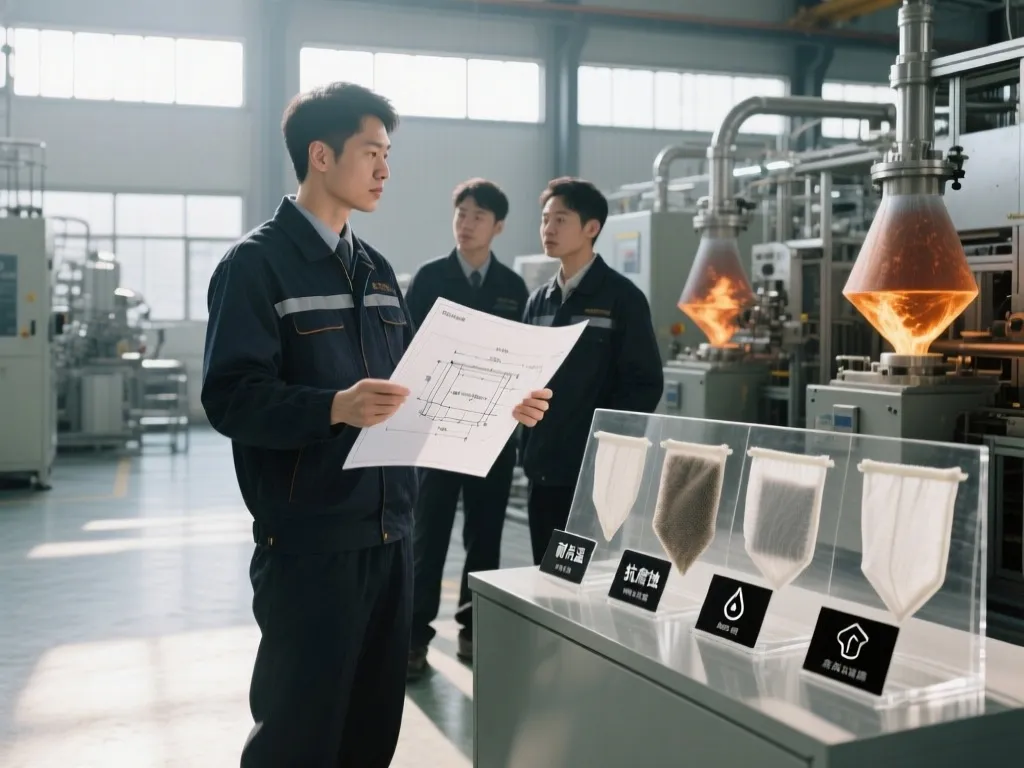
When it comes to industrial filtration, one size rarely fits all. Every factory, workshop, or production line has its own set of challenges—be it extreme temperatures, corrosive chemicals, or ultra-fine particulates. This raises a critical question: Can filter bags be custom made to tackle these specific demands? The answer isn’t just ‘yes’—it’s a game-changer. In this guide, we’ll break down how tailored filter bags work, why they’re worth considering, and how to get started. Ready to rethink your filtration setup?
Custom-Made Filter Bags: Meeting Diverse Industrial Needs
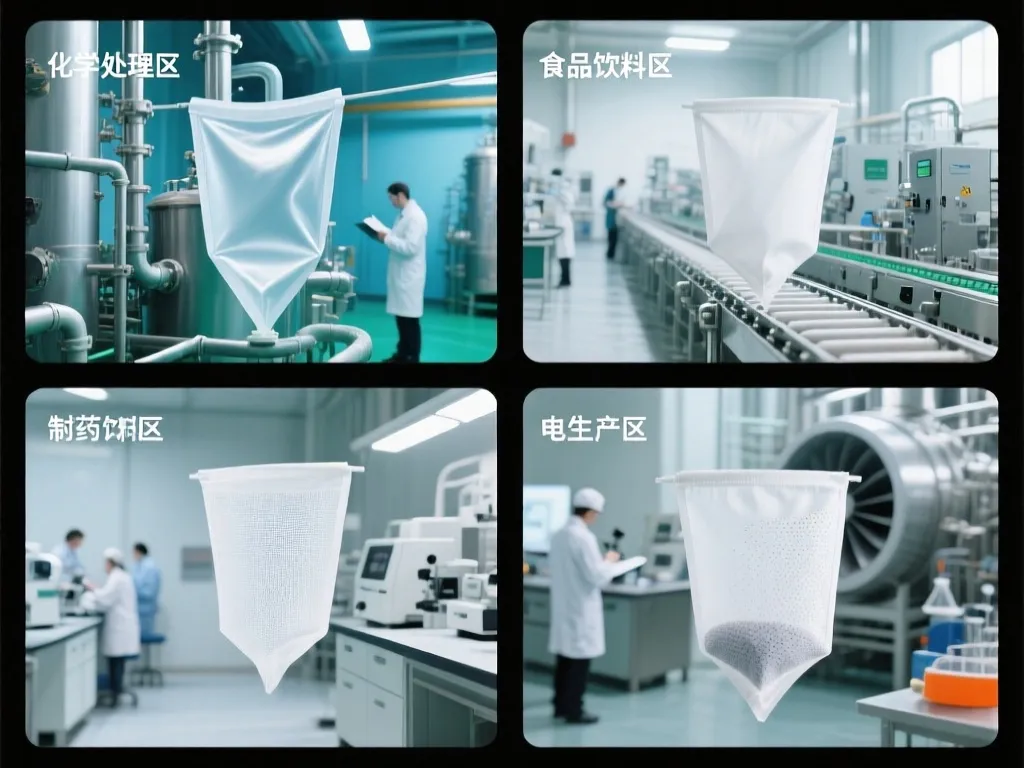
When it comes to industrial filtration, one size does not fit all. The question ‘Can filter bags be custom made?’ is more than just a query—it’s a gateway to unlocking tailored solutions for specific filtration challenges. In this section, we’ll delve into the feasibility of custom-made filter bags, analyzing their demand across various industrial scenarios and demonstrating how they can effectively address unique filtration problems while enhancing efficiency.Imagine a chemical processing plant where the effluent contains a mix of corrosive substances and fine particulates. Standard filter bags might not withstand the harsh chemical environment or capture the minute particles efficiently. Here, custom-made filter bags come to the rescue. By selecting materials with high chemical resistance and designing the bags with a specific pore size, we can create a filtration solution that not only lasts longer but also ensures cleaner effluent discharge.Another example is the food and beverage industry, where hygiene and product purity are paramount. Custom-made filter bags can be designed to meet stringent food-grade standards, using materials that are safe for contact with consumables and are easy to clean and sanitize. This ensures that the filtration process does not introduce any contaminants, maintaining the integrity of the final product.In the pharmaceutical sector, the need for precision is even more critical. Custom-made filter bags can be tailored to capture specific particle sizes, ensuring that only the desired components pass through while unwanted impurities are retained. This level of control is essential for maintaining product quality and compliance with regulatory standards.Moreover, custom-made filter bags can also address the challenge of varying flow rates. In industries like power generation, where the volume of air or gas to be filtered can fluctuate significantly, standard filter bags might not be able to handle the load effectively. By customizing the dimensions and design of the filter bags, we can optimize their performance to match the specific flow rate requirements, ensuring consistent and efficient filtration.The beauty of custom-made filter bags lies in their versatility. Whether it’s adapting to extreme temperatures, handling abrasive materials, or meeting specific filtration efficiency targets, custom solutions can be designed to meet virtually any industrial need. This flexibility not only solves existing filtration problems but also opens up new possibilities for process optimization and cost savings.
Chemical Processing: Corrosion Resistance and Particle Capture
In chemical processing plants, the effluent often contains a cocktail of corrosive chemicals and fine particulates. Standard filter bags may not be up to the task, as they can quickly degrade under such harsh conditions or fail to capture the minute particles effectively. Custom-made filter bags, on the other hand, can be engineered with materials that offer high chemical resistance, ensuring longevity and durability. Additionally, by carefully selecting the pore size and structure, we can optimize the bags for efficient particle capture, resulting in cleaner effluent and reduced environmental impact.
Food and Beverage: Hygiene and Purity
The food and beverage industry operates under strict hygiene standards to ensure the safety and quality of its products. Custom-made filter bags play a crucial role in this regard by providing a filtration solution that meets food-grade requirements. These bags are made from materials that are safe for contact with consumables and are designed to be easy to clean and sanitize. This prevents contamination during the filtration process, maintaining the purity of the final product and protecting consumer health.
Pharmaceuticals: Precision and Compliance
In the pharmaceutical sector, precision is everything. Custom-made filter bags can be tailored to capture specific particle sizes with high accuracy, ensuring that only the desired components pass through while impurities are retained. This level of control is essential for maintaining product quality and meeting regulatory standards. By customizing the filtration solution, pharmaceutical companies can ensure that their processes are efficient, reliable, and compliant with industry regulations.
Power Generation: Handling Fluctuating Flow Rates
Power generation plants often face fluctuating volumes of air or gas to be filtered, which can pose a challenge for standard filter bags. Custom-made filter bags can be designed to handle these variations effectively by optimizing their dimensions and design. This ensures that the filtration system can maintain consistent performance even under changing conditions, providing reliable and efficient filtration for power generation processes.

Custom Process Unveiled: From Requirement Communication to Production
Ever wondered, ‘Can filter bags be custom made?’ The answer is a resounding yes! And the journey from concept to reality is a fascinating one. Let’s dive into the nitty-gritty of how custom-made filter bags come to life, step by step.
First things first, requirement communication is the cornerstone of the entire process. Imagine you’re in a factory dealing with a unique filtration challenge. You can’t just pick a standard filter bag off the shelf and expect it to work wonders. That’s where we come in. We sit down with you, listen to your specific needs, and understand the intricacies of your industrial process. Are you dealing with high temperatures? Corrosive substances? Or maybe you need a filter bag that can handle a high flow rate without compromising on efficiency? Whatever it is, we’ve got you covered.
Once we’ve grasped your requirements, it’s time for design confirmation. This is where our team of experts gets creative. They take your needs and translate them into a detailed design blueprint. We’ll show you sketches, 3D models, and even simulations to ensure that the design aligns perfectly with your expectations. Think of it as a sneak peek into the future of your filtration system. You can provide feedback, suggest changes, and we’ll iterate until we get it just right.
Now comes the crucial part – material selection. The choice of material can make or break the performance of your custom filter bag. We offer a wide range of options, each with its own set of advantages. For instance, polyester is known for its durability and resistance to abrasion, making it ideal for harsh industrial environments. Polypropylene, on the other hand, is excellent for chemical resistance and can handle a wide range of temperatures. And if you’re looking for something even more robust, nylon might be the way to go. It’s strong, flexible, and can withstand high pressures. We’ll guide you through the selection process, considering factors like the nature of the substances being filtered, the operating temperature, and the desired lifespan of the filter bag.
Finally, it’s time for production manufacturing. This is where the magic happens. Our state-of-the-art facilities are equipped with the latest machinery and technology to ensure that your custom filter bags are made to the highest standards. We follow strict quality control measures at every stage of production, from cutting the fabric to stitching the seams. We even conduct rigorous testing to ensure that the filter bags meet or exceed your expectations. And voila! Your custom-made filter bags are ready to be shipped to your doorstep, ready to revolutionize your filtration system.
Materials & Specifications Guide: Choosing the Right Fit for Custom Filter Bags
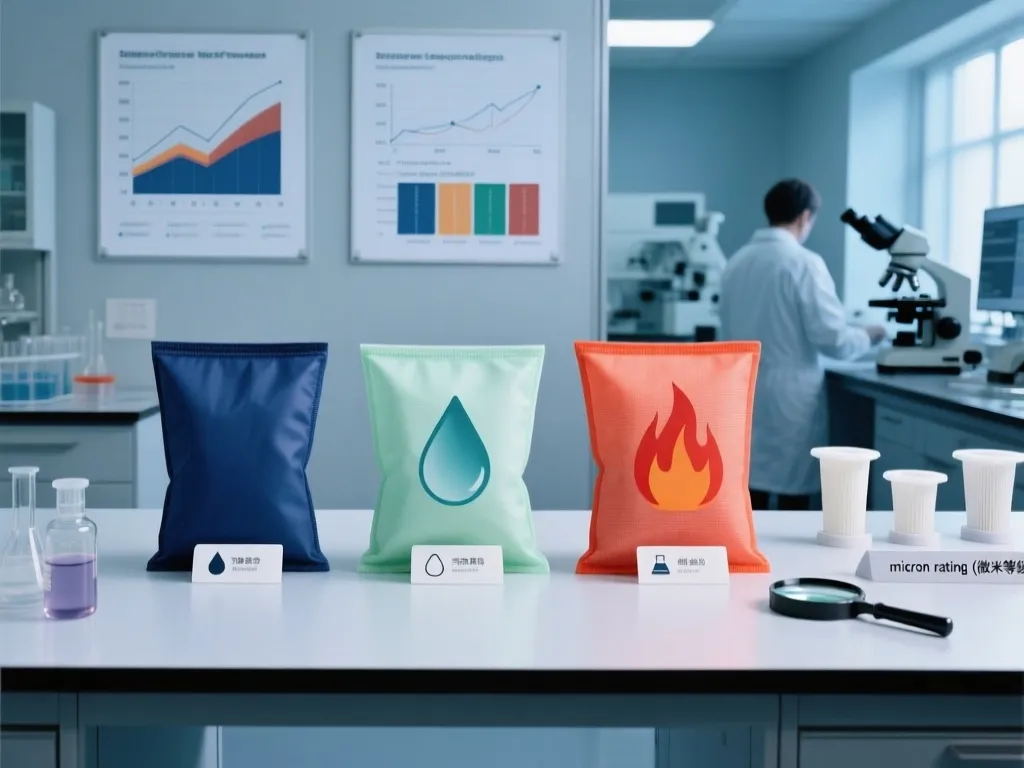
When it comes to custom-made filter bags, the materials and specifications you choose can make all the difference in your filtration system’s efficiency and longevity. Let’s dive into the world of materials first, exploring the most commonly used types and their unique properties. Polyester, a popular choice, offers excellent chemical resistance, making it ideal for applications involving acids, alkalis, and organic solvents. Its high tensile strength ensures durability, even under high-pressure conditions. Plus, polyester filter bags are relatively easy to clean and reuse, reducing long-term costs. For those seeking a cost-effective yet high-efficiency filtration solution, our industrial bag filter is a great example of polyester’s capabilities. Polypropylene, on the other hand, stands out for its exceptional resistance to water and moisture. This makes it perfect for wet filtration processes, where preventing clogging and maintaining flow rates are crucial. Polypropylene bags also exhibit good resistance to most acids and alkalis, although they may not be as robust as polyester in extreme conditions. Nylon, a synthetic polymer known for its strength and elasticity, is another great option for custom filter bags. Nylon bags offer excellent resistance to abrasion and wear, making them suitable for high-flow applications where particles are constantly bombarding the filter surface. They also have a high melting point, allowing them to withstand elevated temperatures without degrading. Now, let’s talk about specifications. Choosing the right size and shape for your custom filter bag is just as important as selecting the material. The dimensions of your bag should be based on the size of your filtration vessel and the desired flow rate. A bag that’s too small won’t capture enough particles, while one that’s too large can restrict flow and reduce efficiency. Consider the micron rating as well. This refers to the size of the particles the filter bag can capture. A lower micron rating means finer filtration, but it also requires more pressure to push the fluid through the bag. Balance your need for cleanliness with the practicality of your system’s capabilities. When customizing your filter bag, don’t forget about the neck style and fitment options. These details ensure a secure seal within your filtration vessel, preventing bypass and ensuring all fluid passes through the filter media. Whether you need a drawstring, flange, or snap-band neck, choosing the right fitment is crucial for optimal performance. So, how do you decide which materials and specifications are right for you? Start by assessing your specific filtration needs. What type of contaminants are you dealing with? What flow rates do you require? What are the temperature and pressure conditions in your system? Answering these questions will guide you toward the most suitable material and specification choices. Remember, custom-made filter bags are all about tailoring the solution to your unique requirements. By understanding the properties of different materials and the impact of various specifications, you can create a filtration system that operates at peak efficiency, saving you time, money, and headaches in the long run.
Polyester: The All-Rounder
Polyester’s versatility makes it a go-to material for many industrial filtration applications. Its chemical resistance, high tensile strength, and ease of cleaning make it a reliable choice for a wide range of contaminants and conditions. Whether you’re filtering acids, alkalis, or organic solvents, polyester filter bags can handle the job with ease. For more information on polyester filter bags, check out our high-efficiency dust collection solution.
Polypropylene: The Wet Filtration Expert
If your filtration process involves water or moisture, polypropylene is your best bet. Its exceptional resistance to these elements prevents clogging and maintains consistent flow rates, even in challenging environments. Plus, polypropylene’s resistance to most acids and alkalis makes it a versatile option for various industrial settings.
Nylon: The High-Flow Champion
For applications where high flow rates and abrasion resistance are paramount, nylon filter bags shine. Their strength and elasticity allow them to withstand the constant bombardment of particles without compromising filtration efficiency. And with a high melting point, nylon bags can handle elevated temperatures without breaking down. For a high-performance solution for industrial dust collectors, consider our nylon filter bags.
Specifications: The Devil’s in the Details
Choosing the right specifications for your custom filter bag is just as important as selecting the material. From size and shape to micron rating and neck style, every detail plays a role in your filtration system’s performance. Take the time to assess your needs and consult with experts to ensure you’re making the best choices for your application. For high-performance filtration across diverse industries, our industrial bag filters offer a range of specifications to meet your needs.
So, can filter bags be custom made? Absolutely—and they’re often the key to unlocking efficiency, cost savings, and reliability in industrial filtration. By understanding the process, materials, and specs, you’re now equipped to make informed decisions for your unique needs. Why settle for off-the-shelf compromises when a tailored solution is within reach? Contact our team today to explore how custom filter bags can transform your operations—and keep an eye out for our next post on optimizing filter lifespan!