
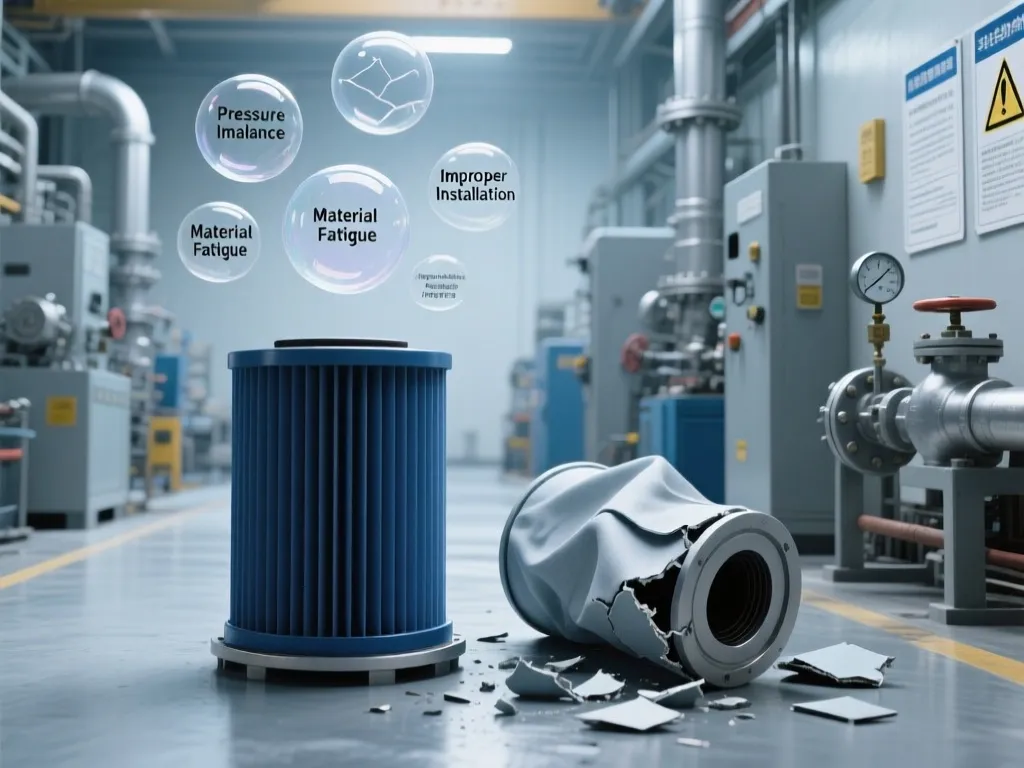
Ever stared at a collapsed filter cartridge and wondered, ‘Why does my filter cartridge collapse?’ You’re not alone. For industrial filter users, this is a frustrating yet common issue. Whether you’re a maintenance technician, an engineer, or just someone tired of unexpected downtime, understanding the root causes of filter cartridge collapse is crucial. In this blog, we’ll dive deep into the science behind why these essential components fail, helping you keep your operations running smoothly.
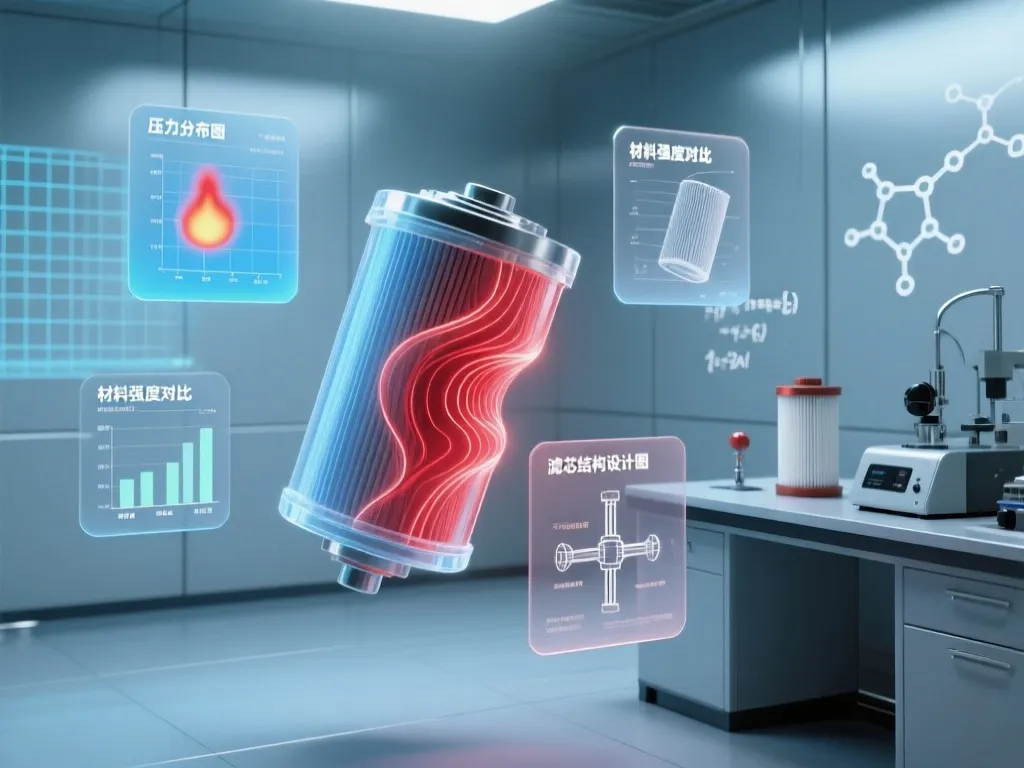
Why Does My Filter Cartridge Collapse? The Science Behind It
Have you ever wondered, ‘Why does my filter cartridge collapse under pressure?’ It’s a question that plagues many industrial filter users, and the answer lies deep within the realm of material science. Let’s dive into the fascinating world of filter cartridge collapse, exploring the intricate balance between pressure distribution, material strength, and environmental factors that can lead to this frustrating issue. First off, let’s talk about pressure distribution. Imagine your filter cartridge as a delicate balance scale. When pressure is evenly distributed across its surface, the scale remains steady, and the cartridge functions optimally. However, when pressure becomes uneven, perhaps due to a clogged inlet or an irregular flow pattern, certain areas of the cartridge bear a disproportionate amount of stress. This uneven pressure distribution can cause localized weakening, making the cartridge more susceptible to collapse. Now, let’s shift our focus to material strength. Filter cartridges are crafted from a variety of materials, each with its own unique set of properties. Some materials, like stainless steel, boast exceptional strength and durability, making them ideal for high-pressure applications. Others, like certain types of polymers, may offer excellent filtration capabilities but lack the same level of structural integrity. When the pressure exerted on a cartridge exceeds its material’s strength threshold, collapse becomes inevitable. It’s like trying to hold up a heavy weight with a flimsy stick – eventually, the stick will give way. But material strength isn’t just about the inherent properties of the material itself. It’s also influenced by factors like temperature, chemical exposure, and even the manufacturing process. For instance, a cartridge exposed to high temperatures may experience thermal expansion, altering its shape and potentially compromising its structural integrity. Similarly, exposure to harsh chemicals can weaken the material over time, making it more prone to collapse. Another crucial aspect to consider is the design of the filter cartridge. A well-designed cartridge will have structural reinforcements in areas that are likely to experience high stress, helping to distribute pressure more evenly and prevent collapse. On the other hand, a poorly designed cartridge may lack these reinforcements, leaving it vulnerable to failure under pressure. So, how can you tell if your filter cartridge is at risk of collapse? One telltale sign is visible deformation. If you notice any bulging, sagging, or other irregularities in the cartridge’s shape, it’s a clear indication that the pressure is taking its toll. Additionally, if you’re experiencing a sudden drop in filtration efficiency or an increase in pressure drop across the cartridge, these could also be signs of impending collapse. In summary, filter cartridge collapse is a complex issue that stems from a combination of factors, including uneven pressure distribution, inadequate material strength, environmental influences, and design flaws. By understanding these underlying principles, you can take proactive steps to prevent collapse and ensure the longevity of your filtration system.
The Role of Pressure Distribution in Filter Cartridge Collapse
Uneven pressure distribution is a leading cause of filter cartridge collapse. When pressure is not evenly spread across the cartridge’s surface, certain areas bear more stress than others, leading to localized weakening. This can occur due to various factors, such as clogged inlets, irregular flow patterns, or improper installation. To mitigate this risk, it’s essential to ensure that your filtration system is properly designed and maintained, with regular inspections to identify and address any potential issues that could disrupt pressure distribution.
Material Strength: The Key to Withstanding Pressure
The strength of the material used in your filter cartridge plays a pivotal role in its ability to withstand pressure. Different materials have varying strength thresholds, and choosing the right one for your application is crucial. For instance, stainless steel cartridges are ideal for high-pressure environments, while certain polymers may be better suited for lower-pressure applications. Additionally, factors like temperature, chemical exposure, and manufacturing processes can affect material strength.
Design Considerations for Preventing Collapse
A well-designed filter cartridge will incorporate structural reinforcements in areas prone to high stress, helping to distribute pressure more evenly and prevent collapse. When selecting a cartridge, look for designs that include features like ribbed supports, reinforced end caps, or other structural elements that enhance durability. Additionally, ensure that the cartridge is properly sized and installed for your specific application, as an ill-fitting cartridge can be more susceptible to collapse.
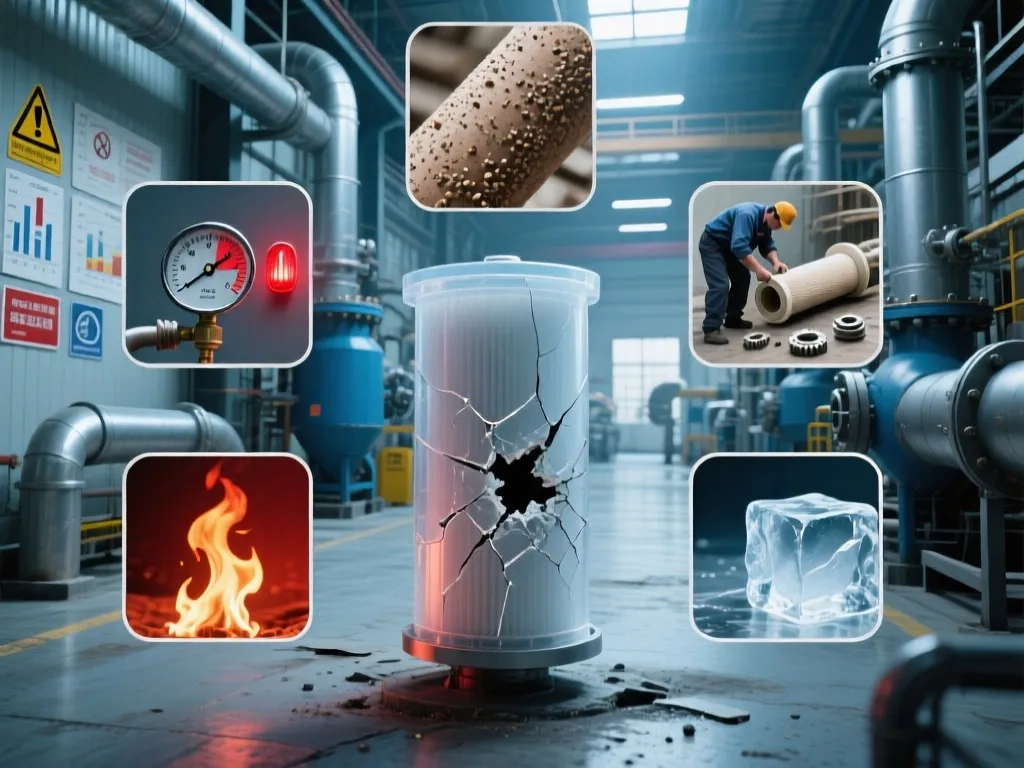
Common Causes of Filter Cartridge Collapse and Troubleshooting Methods
When it comes to industrial filter cartridges, encountering a collapsed cartridge can be a frustrating and costly issue. But why does this happen? Let’s dive into the common causes and figure out how to troubleshoot them effectively. First up, excessive pressure is a major culprit. Imagine your filter cartridge is like a balloon. If you keep blowing air into it, at some point, it’ll burst or, in the case of a filter cartridge, collapse. In industrial settings, high-pressure systems are common. When the pressure exceeds the rated capacity of the filter cartridge, the structural integrity starts to break down. The materials used in the cartridge can’t withstand the force, leading to deformation and eventually collapse. So, how do you know if pressure is the problem? Check the pressure gauges in your system regularly. If the pressure is consistently above the manufacturer’s recommended levels, that’s a red flag. Another sign is if you notice a sudden drop in flow rate. A collapsed cartridge can block the flow, causing a significant decrease. Next, let’s talk about the lifespan of the filter cartridge. Just like any other component, filter cartridges have a finite life. Over time, the materials degrade due to constant exposure to the filtered substances, whether it’s chemicals, particles, or other contaminants. This degradation weakens the structure of the cartridge, making it more prone to collapse. For example, if you’re using a filter cartridge to remove fine particles from a liquid, the tiny particles can gradually clog the pores of the cartridge. As the clogging increases, the pressure drop across the cartridge rises, putting more stress on it. Eventually, the cartridge can’t handle the pressure and collapses. To check if the lifespan is the issue, keep a record of when you installed the cartridge and how long it’s been in use. Compare this with the manufacturer’s recommended lifespan. Also, inspect the cartridge visually for signs of wear and tear, such as cracks, discoloration, or a sagging appearance. Installation errors are also a common cause of filter cartridge collapse. If the cartridge isn’t installed correctly, it can lead to uneven pressure distribution. For instance, if the cartridge isn’t seated properly in the housing, some parts may be under more pressure than others. This uneven stress can cause the weaker parts to collapse first. Another installation mistake is using the wrong size or type of cartridge for your system. Each industrial filter system is designed to work with specific cartridges. Using an incompatible one can lead to improper fit, which in turn can cause collapse. To troubleshoot installation issues, double-check the installation instructions provided by the manufacturer. Make sure the cartridge is inserted straight and seated firmly in the housing. Also, verify that you’re using the correct cartridge for your system model. Lastly, environmental factors can play a role. Extreme temperatures, whether hot or cold, can affect the materials of the filter cartridge. High temperatures can soften the materials, making them more susceptible to deformation under pressure. Cold temperatures, on the other hand, can make the materials brittle, increasing the risk of cracking and collapse. If your system operates in an environment with extreme temperatures, consider using cartridges specifically designed for those conditions. Check the manufacturer’s specifications to ensure the cartridge can handle the temperature range of your application.
Excessive Pressure: The Silent Killer
Excessive pressure is often the most overlooked yet most dangerous cause of filter cartridge collapse. In industrial processes, pressure fluctuations are common, but when they go beyond the safe limits, trouble brews. The pressure can build up gradually or suddenly, depending on the nature of the process. For example, in a chemical processing plant, a sudden increase in the flow rate of the feedstock can cause a pressure spike in the filter system. If the filter cartridge isn’t rated for that high pressure, it can collapse instantly. To prevent this, install pressure relief valves in your system. These valves will open when the pressure exceeds a certain level, releasing the excess pressure and protecting the filter cartridge. Also, regularly calibrate your pressure gauges to ensure accurate readings.
Lifespan: The Countdown to Collapse
Understanding the lifespan of your filter cartridge is crucial for preventing collapse. Different types of cartridges have different lifespans, depending on the materials used and the application. For instance, a polypropylene filter cartridge used for filtering water may last longer than a ceramic filter cartridge used for filtering aggressive chemicals. To extend the lifespan of your cartridge, follow the manufacturer’s maintenance guidelines. This may include regular cleaning, backwashing, or chemical regeneration, depending on the type of cartridge. Also, avoid exposing the cartridge to substances that can accelerate degradation, such as strong acids or bases if the cartridge isn’t designed for them.
Installation: The Devil is in the Details
Proper installation is the foundation of a long-lasting filter cartridge. Even a small mistake during installation can lead to big problems down the line. Before installing a new cartridge, clean the filter housing thoroughly to remove any debris or old gasket material. This ensures a proper seal and even pressure distribution. When inserting the cartridge, make sure it’s aligned correctly with the housing. Don’t force it in, as this can damage the cartridge or the housing. Once installed, check for any leaks around the cartridge. Leaks can indicate an improper fit, which can lead to collapse over time.
Environmental Factors: The Unseen Enemies
Environmental factors can have a significant impact on the performance of your filter cartridge. In addition to temperature, humidity can also play a role. High humidity can cause moisture absorption in some cartridge materials, leading to swelling or deformation. If your system is located in a humid environment, consider using cartridges with moisture-resistant coatings or materials. Also, protect your filter system from direct sunlight, as prolonged exposure can cause UV degradation of the cartridge materials.
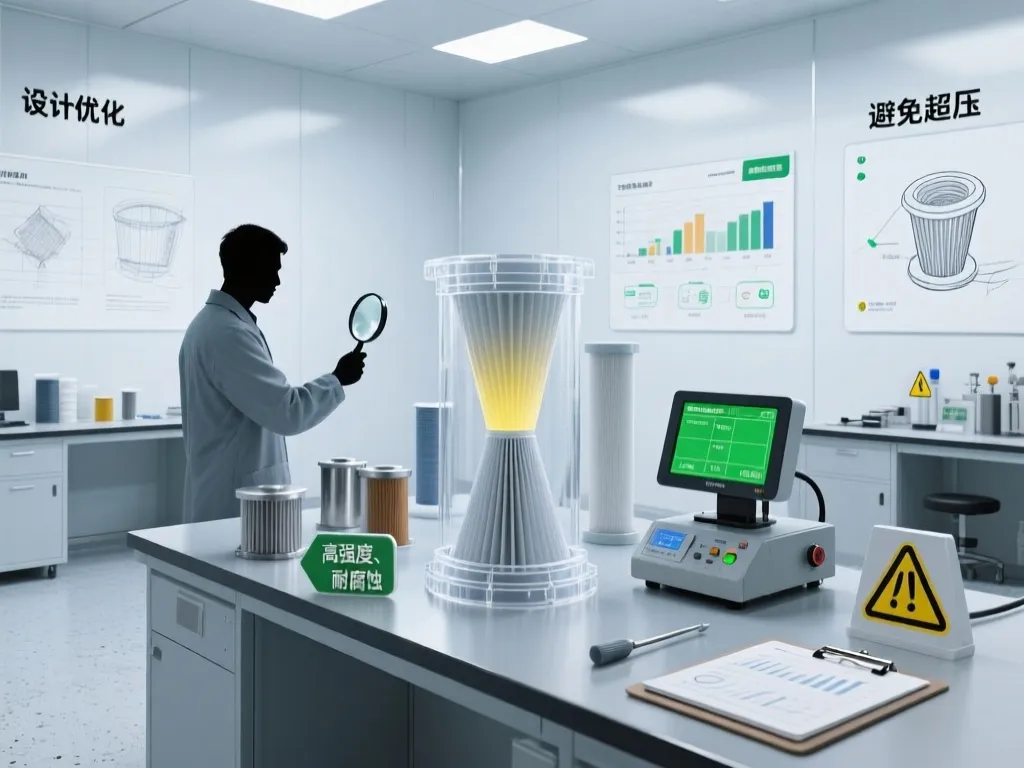
Preventive Measures for Filter Cartridge Collapse: Design, Material Selection, Usage, and Maintenance
Design Considerations
The foundation of a robust filter cartridge lies in its design. Engineers must carefully consider the pressure distribution across the cartridge’s surface. An uneven pressure distribution can lead to localized stress concentrations, which are prime spots for collapse. By incorporating features like reinforced edges or a tapered design, the pressure can be more evenly distributed, reducing the risk of failure. Additionally, the overall structural integrity of the cartridge should be optimized to withstand the expected operating pressures without compromising filtration efficiency. For example, pleated panel filter cartridges are designed with structural integrity in mind, making them suitable for various applications like HVAC, automotive, and home use. Learn more about pleated panel filter cartridges.
Material Selection
The choice of materials plays a pivotal role in determining the durability and resistance to collapse of a filter cartridge. High-strength, corrosion-resistant materials are essential, especially in industrial settings where harsh chemicals and extreme temperatures are common. For instance, stainless steel or specialized polymers can offer superior strength and chemical resistance compared to traditional materials. Moreover, the material’s fatigue life should be considered, as repeated pressure cycles can lead to material fatigue and eventual collapse. Selecting materials with a long fatigue life ensures that the cartridge can withstand the rigors of daily use without failing prematurely.
Usage Guidelines
Proper usage is equally important in preventing filter cartridge collapse. One of the most common mistakes is operating the filter at pressures beyond its rated capacity. Always refer to the manufacturer’s specifications and ensure that the operating pressure stays within the recommended range. Additionally, avoid sudden pressure changes, as these can cause shockwaves that damage the cartridge. Gradual pressure increases and decreases are much gentler on the filter and help maintain its structural integrity. Furthermore, be mindful of the flow rate through the filter. Excessive flow rates can create turbulence and increase the pressure drop across the cartridge, leading to potential collapse.
Maintenance Practices
Regular maintenance is the key to prolonging the life of your filter cartridges. Implement a routine inspection schedule to check for signs of wear, such as cracks, deformations, or leaks. Early detection of these issues allows for timely replacement or repair, preventing a minor problem from escalating into a major collapse. Cleaning the filter cartridges regularly is also essential, as accumulated debris can increase the pressure drop and strain the cartridge. Use appropriate cleaning agents and follow the manufacturer’s instructions to avoid damaging the filter material. Finally, keep a record of the filter’s usage history, including operating pressures, flow rates, and maintenance activities. This data can help you identify patterns and predict when a cartridge might need replacement, allowing for proactive maintenance and minimizing the risk of unexpected collapse.
Now you know that filter cartridge collapse isn’t some mysterious industrial curse. From pressure imbalances to material fatigue, we’ve uncovered the key reasons behind this frustrating phenomenon. By implementing the preventive measures we’ve discussed, you can significantly reduce the risk of unexpected failures. Remember, a proactive approach to filter maintenance saves time, money, and headaches. Ready to take control of your filtration system’s reliability? Start by examining your current filter cartridges – are they showing early signs of collapse? Share your experiences or questions in the comments below, and let’s keep the conversation going!