
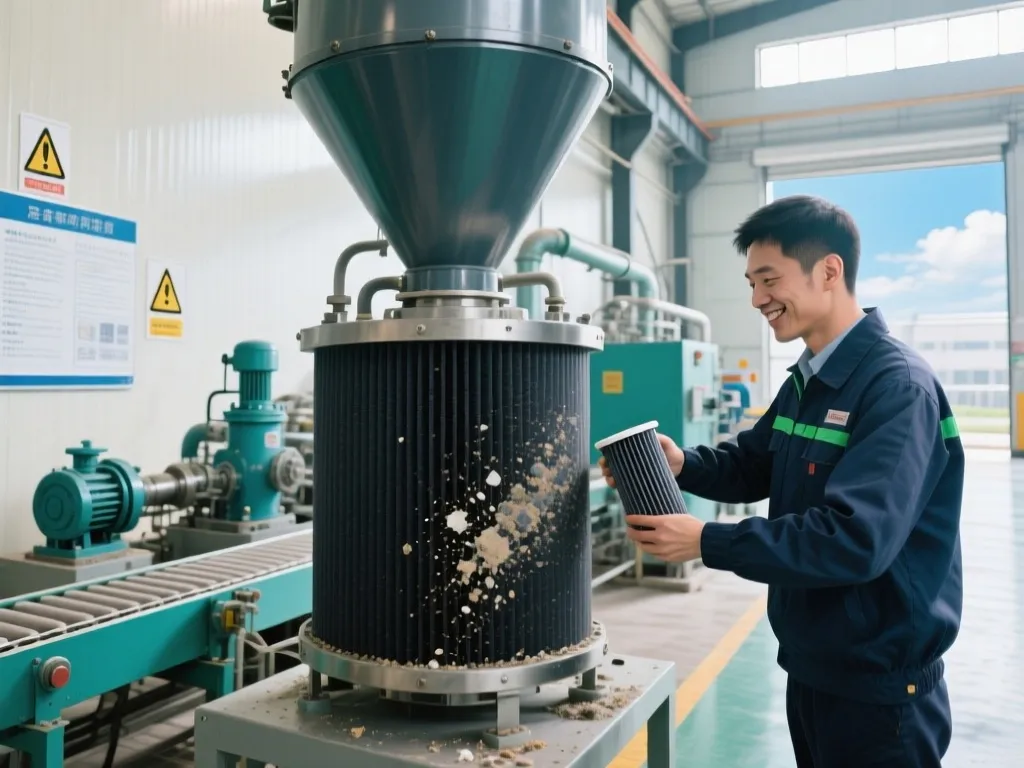
Ever wondered, ‘Why do cartridge filters clog too fast?’ It’s a common headache for many in industrial filtration. Whether you’re dealing with murky water, inconsistent flow rates, or just plain old wear and tear, a clogged filter can throw a wrench in your operations. But what’s really causing these blockages? Is it the water quality, your maintenance routine, or something else entirely? Let’s dive into the nitty-gritty of cartridge filter clogging and uncover the secrets to keeping them running smoothly.
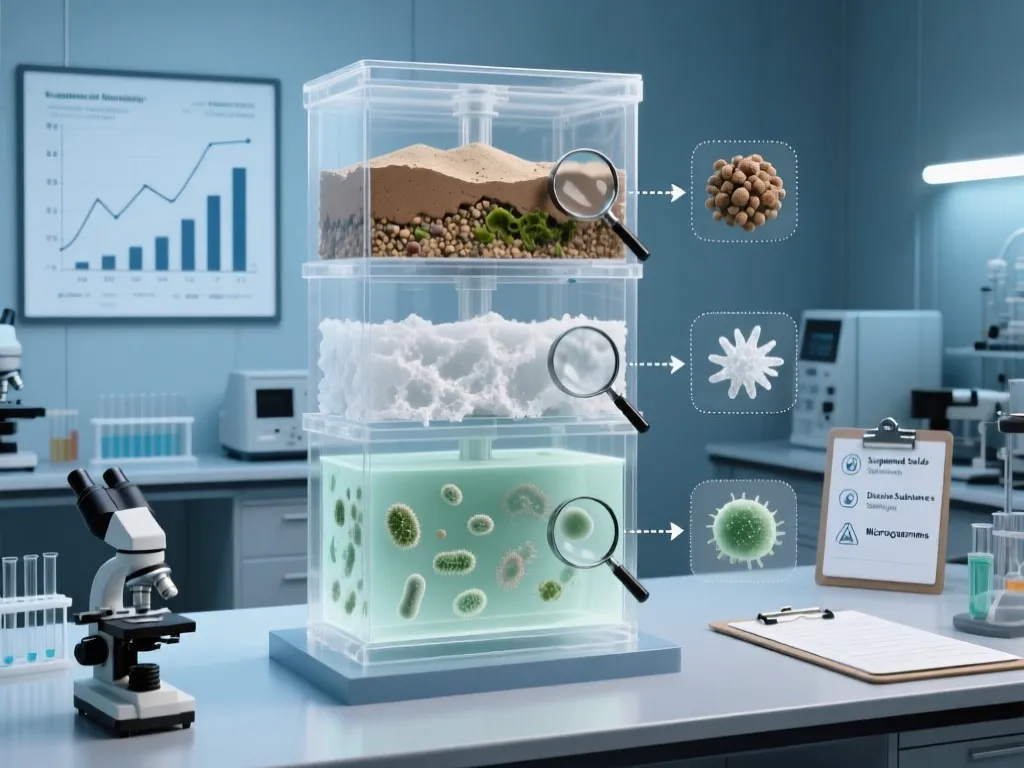
Water Quality Factors: Analyzing the Impact of Different Water Qualities on Cartridge Filters, Including How Suspended Solids, Dissolved Substances, and Microorganisms Accelerate Filter Clogging
When it comes to cartridge filters clogging too fast, water quality is a major player that often goes unnoticed. You might be surprised to learn just how much the characteristics of the water you’re filtering can influence the lifespan of your cartridge filters. Let’s dive into the nitty-gritty of how suspended solids, dissolved substances, and microorganisms in water can wreak havoc on your filtration system. Suspended solids are like tiny, unwanted guests at a party—they’re everywhere, and they can quickly turn a good time into a mess. These particles, which can range from sand and silt to organic matter like algae and bacteria, get trapped in the filter media as water passes through. Over time, these solids accumulate, forming a dense layer that restricts water flow and increases pressure drop across the filter. This not only reduces the filter’s efficiency but also accelerates its clogging, leading to more frequent replacements and higher operational costs. Now, let’s talk about dissolved substances. These are the invisible culprits that can be just as damaging as suspended solids. Dissolved substances include minerals like calcium and magnesium, which are notorious for causing hard water problems. When these minerals come into contact with the filter media, they can precipitate out of solution, forming scale deposits that clog the pores of the filter. This scale buildup not only reduces the filter’s capacity to capture particles but also makes it harder for water to pass through, further increasing the risk of clogging. But wait, there’s more! Microorganisms, such as bacteria and fungi, can also play a significant role in accelerating filter clogging. These tiny organisms thrive in moist environments, and the filter media provides the perfect breeding ground for them. As they multiply, they form biofilms—a sticky, slimy layer that coats the filter surface and traps even more particles. This biofilm not only reduces the filter’s flow rate but also makes it more difficult to clean and maintain, leading to premature clogging and failure. So, how can you combat these water quality issues and extend the life of your cartridge filters? The first step is to understand the specific characteristics of the water you’re filtering. Conducting a comprehensive water analysis can help you identify the types and concentrations of suspended solids, dissolved substances, and microorganisms present in your water supply. Armed with this information, you can then select the appropriate filter media and design a filtration system that’s tailored to your specific needs. For example, if your water contains high levels of suspended solids, you might opt for a filter with a higher dirt-holding capacity or a pre-filtration stage to remove larger particles before they reach the cartridge filter. Similarly, if your water is hard and prone to scaling, you could consider using a water softener or a scale inhibitor to prevent mineral buildup on the filter media. And when it comes to microorganisms, implementing a regular cleaning and disinfection protocol can help keep biofilm growth in check and prolong the life of your filters. In conclusion, water quality is a critical factor that can significantly impact the performance and lifespan of your cartridge filters. By understanding the role of suspended solids, dissolved substances, and microorganisms in accelerating filter clogging, you can take proactive steps to mitigate these issues and ensure your filtration system operates at peak efficiency. So, the next time you’re wondering why your cartridge filters are clogging too fast, take a closer look at your water quality—it might just hold the key to solving your filtration woes.
Suspended Solids: The Tiny Troublemakers
Suspended solids are a diverse group of particles that can vary in size, shape, and composition. They can be inorganic, like sand and silt, or organic, such as algae and bacteria. Regardless of their origin, these solids pose a significant challenge to cartridge filters. As water flows through the filter, these particles get trapped in the pores of the filter media, gradually reducing its permeability. This not only decreases the filter’s ability to capture more particles but also increases the pressure drop across the filter, leading to reduced flow rates and higher energy consumption. To combat the effects of suspended solids, it’s essential to choose a filter with the right pore size and dirt-holding capacity. Additionally, implementing a pre-filtration stage can help remove larger particles before they reach the cartridge filter, extending its lifespan and improving overall system performance.
Dissolved Substances: The Invisible Threat
Dissolved substances might be invisible to the naked eye, but their impact on cartridge filters can be profound. Minerals like calcium and magnesium, which are commonly found in hard water, can precipitate out of solution when they come into contact with the filter media. This precipitation forms scale deposits that clog the pores of the filter, reducing its flow rate and efficiency. Over time, these scale deposits can build up to the point where they completely block the filter, rendering it useless. To prevent scale buildup, consider using a water softener or a scale inhibitor. These solutions can help reduce the concentration of dissolved minerals in your water, minimizing the risk of scale formation and extending the life of your cartridge filters.
Microorganisms: The Biofilm Builders
Microorganisms, such as bacteria and fungi, are ubiquitous in water systems. While some of these organisms are harmless, others can cause significant problems for cartridge filters. As these microorganisms multiply, they form biofilms—a sticky, slimy layer that coats the filter surface and traps particles. This biofilm not only reduces the filter’s flow rate but also makes it more difficult to clean and maintain. In severe cases, biofilm growth can lead to premature filter failure and the need for frequent replacements. To combat biofilm growth, implement a regular cleaning and disinfection protocol. This can include using chemical cleaners or sanitizers to kill microorganisms and remove biofilm from the filter surface. Additionally, selecting a filter media with antimicrobial properties can help inhibit the growth of microorganisms and prolong the life of your cartridge filters.
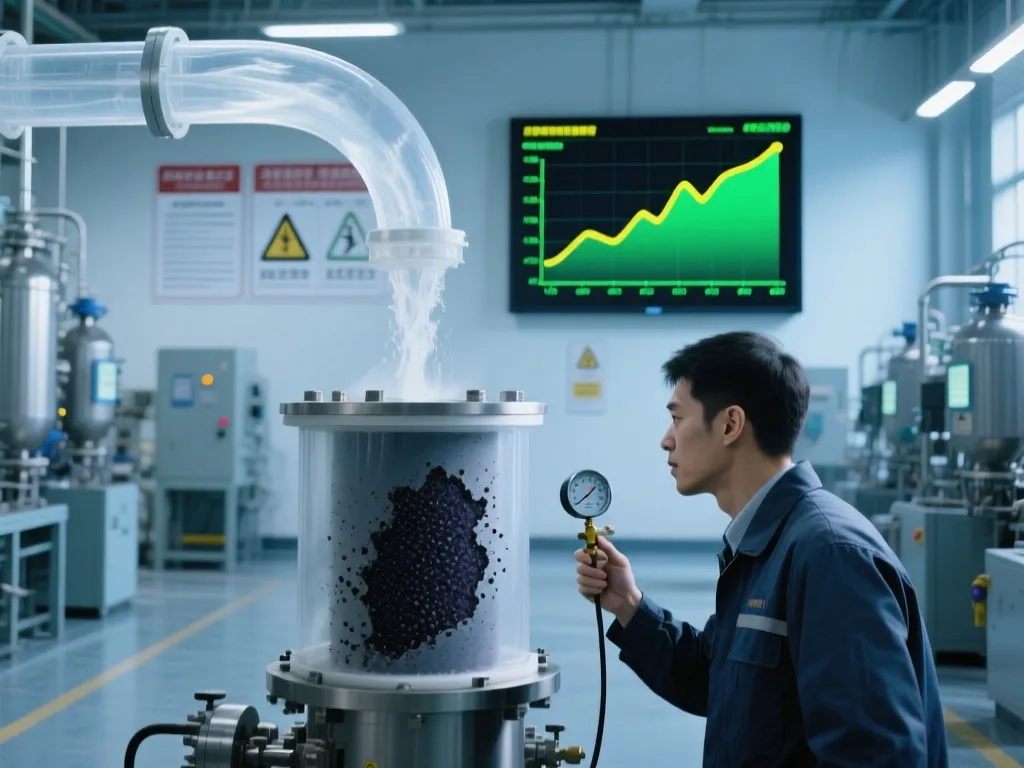
Operational Mistakes: Unveiling Behaviors Leading to Rapid Cartridge Filter Clogging
When it comes to cartridge filters, improper operation is a silent culprit behind their rapid clogging. You might be surprised at how seemingly small mistakes can have a big impact on the lifespan of your filters. Let’s dive into some common operational blunders and how to avoid them.
First off, let’s talk about flow rate control. Have you ever thought that the speed at which fluid passes through the filter could be a game – changer? Well, it is! If the flow rate is too high, it’s like trying to shove too much stuff through a narrow door at once. The particles in the fluid don’t get enough time to be properly captured by the filter media. Instead, they just bounce around and eventually get stuck in places where they shouldn’t, causing the filter to clog up quickly. On the other hand, if the flow rate is too low, the fluid might stagnate inside the filter. This stagnation can lead to the accumulation of particles, which can then harden and block the pores of the filter over time. So, what’s the optimal flow rate? It really depends on the type of filter you’re using and the nature of the fluid being filtered. Generally, manufacturers provide guidelines on the recommended flow rate range. Make sure to follow these guidelines strictly. If you’re unsure, you can always reach out to the manufacturer or a professional in the field for advice.
Another major operational issue is inadequate back – flushing. Back – flushing is like giving your filter a good clean – up from the inside out. It helps to dislodge the trapped particles and keep the filter media clean. But if you don’t do it thoroughly, it’s like only doing half the job. When back – flushing, you need to ensure that the pressure and duration are sufficient. If the pressure is too low, it won’t be able to remove the stubborn particles that are deeply embedded in the filter. And if the duration is too short, some particles might still remain. So, how do you know if you’re doing it right? A good rule of thumb is to follow the manufacturer’s instructions for back – flushing. They usually specify the required pressure and the time needed for an effective back – flush. Additionally, you can visually inspect the filter after back – flushing. If there are still visible signs of clogging or the filter doesn’t seem to be performing as well as before, it might be a sign that you need to improve your back – flushing technique.
Let’s not forget about improper installation. Even if you have the best – quality filter and follow all the other operational guidelines, a wrong installation can still lead to rapid clogging. For example, if the filter is not installed tightly, there could be leaks around the edges. These leaks allow unfiltered fluid to bypass the filter media, and at the same time, they can also introduce air into the system. Air bubbles can get trapped in the filter and disrupt the normal flow of the fluid, causing particles to accumulate and clog the filter. So, when installing a cartridge filter, make sure to use the proper tools and follow the installation instructions carefully. Double – check all the connections to ensure they are tight and leak – free.
In addition, not monitoring the pressure drop across the filter is a common oversight. The pressure drop is an important indicator of the filter’s condition. As the filter gets clogged, the pressure drop increases. By regularly monitoring the pressure drop, you can detect early signs of clogging and take action before it’s too late. You can install pressure gauges on both the inlet and outlet sides of the filter. When the pressure drop exceeds a certain threshold (usually specified by the manufacturer), it’s time to clean or replace the filter. This simple step can save you a lot of trouble and prevent unexpected downtime in your industrial processes.
Flow Rate Control: Finding the Sweet Spot
The flow rate is a critical factor in filter operation. As mentioned earlier, both high and low flow rates can cause problems. To find the optimal flow rate, start by referring to the manufacturer’s recommendations. Then, conduct some tests in your actual operating environment. Monitor the filter’s performance, such as the pressure drop and the quality of the filtered fluid. Adjust the flow rate gradually until you find the setting that gives you the best results in terms of filter lifespan and fluid quality.
Back – Flushing: The Art of Effective Cleaning
Back – flushing is an essential maintenance task. To ensure its effectiveness, use the right pressure and duration as specified by the manufacturer. You can also experiment with different back – flushing techniques, such as using different angles of water jets or adding cleaning agents if appropriate. After back – flushing, check the filter for any remaining clogs or signs of damage. If necessary, repeat the process until the filter is clean.
Proper Installation: The Foundation of Filter Performance
Proper installation is the first step to ensuring the long – term performance of your cartridge filter. Make sure you have the right tools and follow the installation steps precisely. Check for any loose connections or potential leaks. If you’re not confident in your installation skills, consider hiring a professional to do it for you. A well – installed filter will operate more efficiently and have a longer lifespan.
Pressure Drop Monitoring: A Proactive Approach
Regularly monitoring the pressure drop across the filter is a proactive way to prevent rapid clogging. Install pressure gauges and set up a schedule for checking the readings. When the pressure drop starts to rise significantly, take immediate action, such as back – flushing or replacing the filter. This will help you avoid costly breakdowns and maintain the smooth operation of your industrial processes.
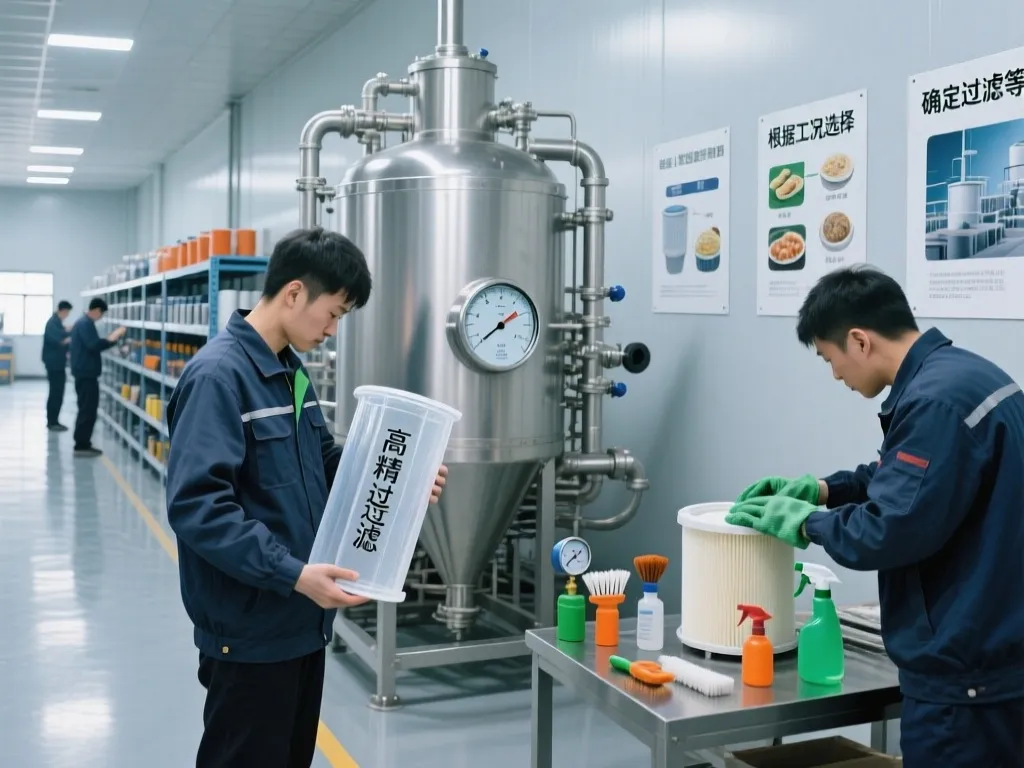
Filter Selection and Maintenance: Choosing the Right Cartridge Filter Based on Actual Conditions and the Importance of Regular Maintenance
When it comes to industrial filtration, selecting the right cartridge filter and maintaining it properly are crucial steps to prevent premature clogging and ensure optimal performance. But how do you choose the right filter for your specific application, and what maintenance practices should you follow to extend its lifespan? Let’s dive into the details. First, understanding your actual working conditions is the foundation of selecting the right cartridge filter. Different industries have varying requirements for filtration. For example, in the food and beverage industry, filters need to meet strict hygiene standards to prevent contamination. In chemical processing, filters must be resistant to corrosive substances. So, before making a selection, assess the nature of the fluid being filtered, including its chemical composition, temperature, and pressure. This information will guide you towards filters with the appropriate materials and construction. Next, consider the filtration rating. The filtration rating determines the size of particles the filter can capture. If your application requires removing very fine particles, you’ll need a filter with a high filtration rating. However, a higher rating also means a slower flow rate, so balance is key. Consult with filter manufacturers or experts to find the optimal rating for your specific needs. Now, let’s talk about maintenance. Regular maintenance is the key to preventing cartridge filters from clogging too fast. One of the most important aspects is establishing a proper replacement cycle. The replacement frequency depends on several factors, such as the quality of the fluid being filtered, the operating hours, and the filter’s capacity. Generally, it’s recommended to monitor the pressure drop across the filter. A significant increase in pressure drop indicates that the filter is clogged and needs replacement. But don’t wait until it’s completely blocked; regular inspections and proactive replacements can save you from costly downtime. Cleaning methods also play a vital role in maintaining filter performance. Some cartridge filters can be cleaned and reused, while others are designed for single – use. For reusable filters, follow the manufacturer’s instructions for cleaning. Typically, this involves back – flushing with clean water or a suitable cleaning solution. However, be careful not to damage the filter media during cleaning. Using excessive pressure or harsh chemicals can reduce the filter’s effectiveness and lifespan. In addition to replacement and cleaning, proper storage is often overlooked but equally important. Store unused cartridge filters in a clean, dry, and cool environment to prevent contamination and degradation of the filter media. Avoid exposing them to direct sunlight or extreme temperatures, as these can affect the filter’s performance. Moreover, training your staff on the correct installation, operation, and maintenance of cartridge filters is essential. Even the best – quality filters can fail prematurely if not handled properly. Provide clear guidelines and regular training sessions to ensure everyone understands the importance of following the correct procedures. By taking these factors into account when selecting and maintaining cartridge filters, you can significantly reduce the risk of premature clogging. This not only saves you money on replacement filters but also improves the overall efficiency of your industrial processes. So, are you ready to optimize your filter selection and maintenance practices? Let’s get started and keep your operations running smoothly!
Selecting Based on Working Conditions
Understanding your actual working conditions is the foundation of selecting the right cartridge filter. Different industries have varying requirements for filtration. For example, in the food and beverage industry, filters need to meet strict hygiene standards to prevent contamination. In chemical processing, filters must be resistant to corrosive substances. So, before making a selection, assess the nature of the fluid being filtered, including its chemical composition, temperature, and pressure. This information will guide you towards filters with the appropriate materials and construction.
Determining the Filtration Rating
The filtration rating determines the size of particles the filter can capture. If your application requires removing very fine particles, you’ll need a filter with a high filtration rating. However, a higher rating also means a slower flow rate, so balance is key. Consult with filter manufacturers or experts to find the optimal rating for your specific needs.
Establishing a Replacement Cycle
Regular maintenance is the key to preventing cartridge filters from clogging too fast. One of the most important aspects is establishing a proper replacement cycle. The replacement frequency depends on several factors, such as the quality of the fluid being filtered, the operating hours, and the filter’s capacity. Generally, it’s recommended to monitor the pressure drop across the filter. A significant increase in pressure drop indicates that the filter is clogged and needs replacement. But don’t wait until it’s completely blocked; regular inspections and proactive replacements can save you from costly downtime.
Effective Cleaning Methods
Cleaning methods also play a vital role in maintaining filter performance. Some cartridge filters can be cleaned and reused, while others are designed for single – use. For reusable filters, follow the manufacturer’s instructions for cleaning. Typically, this involves back – flushing with clean water or a suitable cleaning solution. However, be careful not to damage the filter media during cleaning. Using excessive pressure or harsh chemicals can reduce the filter’s effectiveness and lifespan.
Proper Storage and Staff Training
In addition to replacement and cleaning, proper storage is often overlooked but equally important. Store unused cartridge filters in a clean, dry, and cool environment to prevent contamination and degradation of the filter media. Avoid exposing them to direct sunlight or extreme temperatures, as these can affect the filter’s performance. Moreover, training your staff on the correct installation, operation, and maintenance of cartridge filters is essential. Even the best – quality filters can fail prematurely if not handled properly. Provide clear guidelines and regular training sessions to ensure everyone understands the importance of following the correct procedures.
So, there you have it—the mystery behind why cartridge filters clog too fast is no longer a puzzle. From water quality woes to maintenance mishaps, we’ve explored the key culprits and shared practical strategies to keep your filters flowing freely. By implementing these tips, you’ll not only extend the lifespan of your cartridge filters but also boost your overall production efficiency. Got more questions or need personalized advice? Our team of filtration experts is just a click away. Don’t let clogged filters slow you down—take action today and keep your operations running like a well-oiled machine!
n
Need Help Selecting the Right Filter?
Share your application, operating conditions, required efficiency or micron rating, dimensions, and quantity. Our filtration team will help identify a suitable solution.