
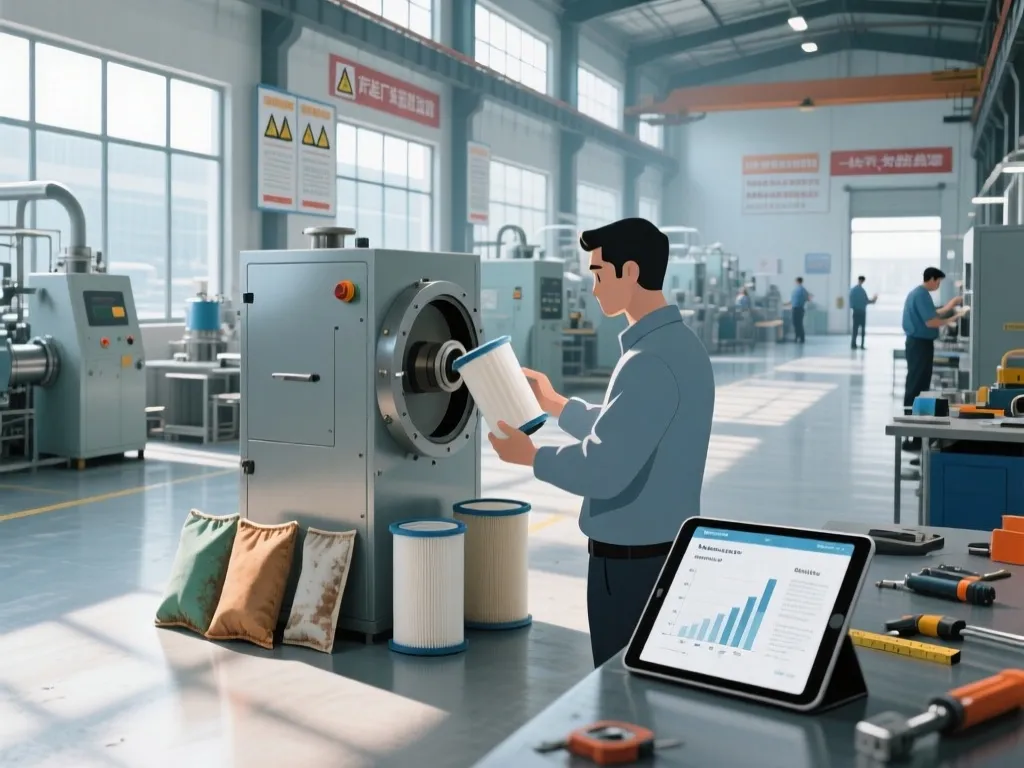
Facing the sudden discontinuation of your original filter bags can feel like hitting a roadblock in your industrial filtration process. Whether it’s due to supply chain issues, product updates, or manufacturer decisions, the question remains: What to do if original filter bags are discontinued? This isn’t just about finding a quick fix—it’s about minimizing downtime, controlling costs, and maintaining efficiency. Let’s dive into how to navigate this challenge without missing a beat.
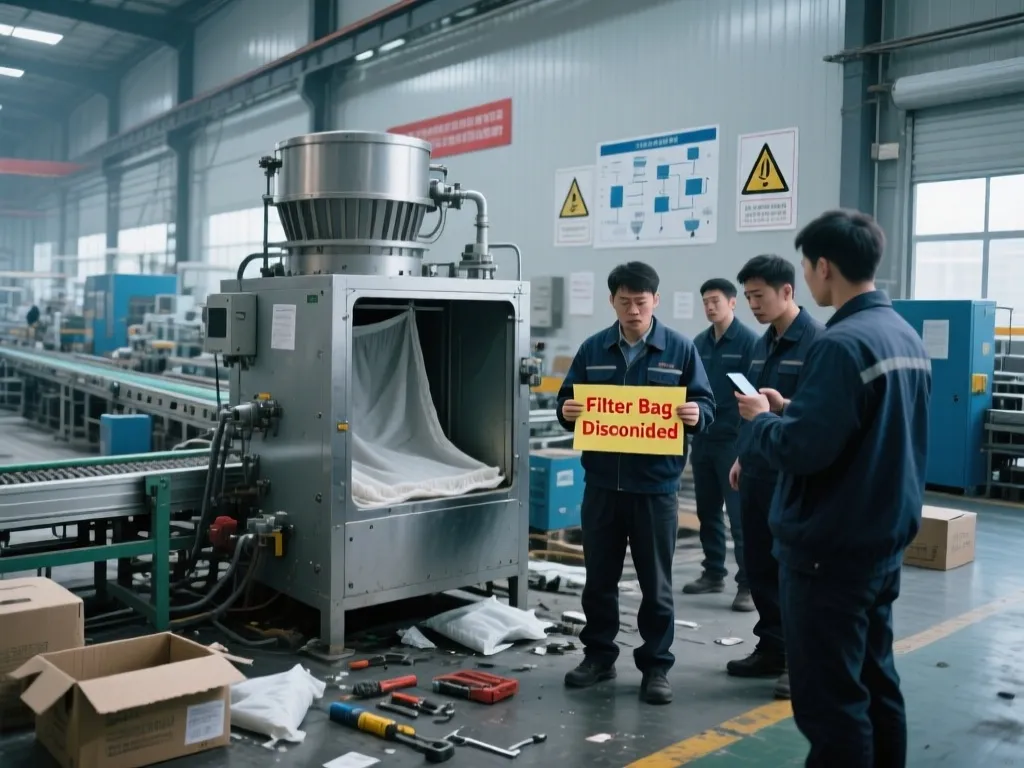
Understanding the Impact of Discontinuation: How Original Filter Bag Discontinuation Affects Your Filtration Process
When you receive the news that your original filter bags are being discontinued, it’s not just a minor inconvenience—it’s a potential crisis for your filtration process. The implications of such a discontinuation can ripple through your entire operation, affecting everything from production schedules to the bottom line. Let’s delve into the specifics of how this can impact your industrial filtration setup, focusing on three key areas: potential downtime, increased costs, and reduced efficiency. Firstly, let’s talk about potential downtime. Imagine your filtration system is the heart of your industrial operation, pumping out clean, filtered materials that are essential for your production lines. Now, picture that heart suddenly stopping because the filter bags it relies on are no longer available. This isn’t an exaggeration; it’s a very real scenario that many businesses face when their filter bag supplier decides to discontinue a product. The immediate effect is a halt in production as you scramble to find a suitable replacement. Depending on the availability of alternatives and the complexity of your system, this downtime can range from a few hours to several days, or even weeks in extreme cases. Every minute of downtime translates to lost productivity, missed deadlines, and potentially dissatisfied customers. Next up, increased costs. The discontinuation of original filter bags often forces you into a reactive purchasing mode, where you might have to settle for less-than-ideal replacements at a premium price. Suppliers know that when you’re in a bind, you’re more likely to pay extra to keep your operations running. This can lead to a significant spike in your filtration costs, eating into your profit margins and making budgeting a nightmare. Moreover, if the replacement filter bags aren’t a perfect fit, you might incur additional expenses for modifications to your equipment or for more frequent replacements due to premature wear and tear. Finally, let’s consider reduced efficiency. Even if you manage to find replacement filter bags relatively quickly, there’s no guarantee they’ll perform at the same level as your original ones. Different materials, designs, and manufacturing processes can all affect the filtration efficiency, flow rate, and pressure drop across the filter. This means your system might not be able to handle the same volume of material or achieve the same level of purity, leading to subpar product quality and potential compliance issues with industry standards. In the long run, reduced efficiency can also strain your equipment, causing it to wear out faster and require more frequent maintenance or replacement.
The Ripple Effect of Downtime
Downtime doesn’t just affect your production; it has a cascading effect on your entire supply chain. Suppliers might be left waiting for your orders, customers might face delays in receiving their products, and your reputation for reliability could take a hit. In today’s fast-paced industrial environment, where just-in-time manufacturing is the norm, even a short period of downtime can have far-reaching consequences. It’s crucial to have a contingency plan in place to minimize the impact of filter bag discontinuation on your operations.
Cost Implications Beyond the Purchase Price
When calculating the true cost of filter bag discontinuation, don’t just look at the sticker price of the replacements. Consider the hidden costs as well, such as the time spent by your maintenance team searching for alternatives, the potential need for equipment modifications, and the increased frequency of filter changes. These costs can quickly add up, turning what seemed like a minor inconvenience into a major financial burden. It’s essential to factor in all these variables when evaluating your options and making a decision.
Efficiency Losses and Their Long-Term Impact
Reduced efficiency isn’t just a short-term problem; it can have long-lasting effects on your equipment and your bottom line. If your filtration system isn’t operating at peak efficiency, it’s working harder than it needs to, which can lead to increased energy consumption and higher operating costs. Over time, this strain can cause components to wear out faster, requiring more frequent repairs or replacements. In the worst-case scenario, it could even lead to system failure, bringing your entire operation to a standstill. Investing in high-quality, compatible replacement filter bags is crucial to maintaining optimal efficiency and avoiding these costly issues.
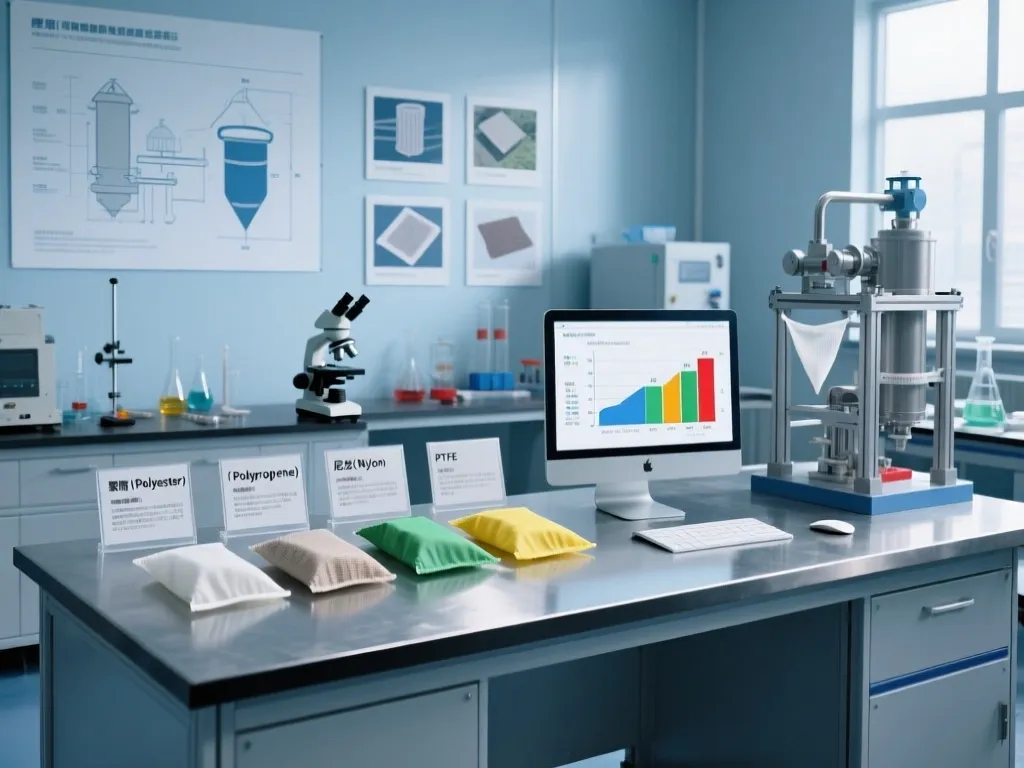
Identifying Suitable Replacement Options: Explore various types of replacement filter bags available in the market, including their materials, specifications, and compatibility with your existing equipment.
When your original filter bags are discontinued, finding suitable replacements becomes a top priority. The market offers a wide range of options, each with unique materials, specifications, and compatibility features. Let’s dive into the details to help you make an informed decision. First, let’s talk about materials. The most common materials for replacement filter bags include polyester, polypropylene, nylon, and PTFE (Polytetrafluoroethylene). Polyester filter bags are known for their excellent chemical resistance and durability, making them suitable for a variety of industrial applications. They can withstand high temperatures and are resistant to abrasion, which means they’ll last longer in demanding environments. Polypropylene, on the other hand, is a cost-effective option that offers good chemical resistance and is ideal for applications involving water-based solutions or mild chemicals. It’s also lightweight and easy to handle, which can simplify the replacement process. Nylon filter bags are another great choice, especially if you need a material that’s strong and flexible. Nylon is resistant to tearing and puncturing, making it perfect for applications where the filter bag might be subjected to physical stress. Additionally, nylon has a high melting point, which allows it to handle higher temperatures compared to some other materials. For applications that require extreme chemical resistance or high-temperature performance, PTFE filter bags are the way to go. PTFE is known for its non-stick properties, which can help prevent clogging and extend the lifespan of the filter bag. It’s also highly resistant to most chemicals, making it suitable for use in harsh environments. For high-temperature-resistant solutions, you may want to explore our basalt fiber filter bags as well. Now, let’s move on to specifications. When choosing replacement filter bags, you need to consider factors like size, shape, and filtration rating. The size of the filter bag should match the dimensions of your existing equipment to ensure a proper fit. If the bag is too small, it won’t cover the entire filtration area, leading to reduced efficiency. Conversely, if it’s too large, it might not fit properly, causing leaks or other issues. The shape of the filter bag is also important. Some bags are designed to fit specific types of filtration equipment, such as baghouses or cartridge filters. Make sure to check the shape requirements of your equipment before making a purchase. Filtration rating is another critical specification. This refers to the size of the particles that the filter bag can capture. For example, a filter bag with a 5-micron rating will trap particles that are 5 microns or larger in size. Choosing the right filtration rating depends on your specific application and the level of purity you need. Finally, compatibility with your existing equipment is essential. Not all filter bags are created equal, and some might not work with your current setup. Before buying replacement filter bags, check the manufacturer’s specifications to ensure they’re compatible with your equipment. You might also want to consult with the equipment manufacturer or a filtration expert to get their recommendations. In some cases, you might need to make minor modifications to your equipment to accommodate the new filter bags. This could involve adjusting the mounting brackets, changing the sealing mechanism, or updating the control system. Don’t worry—we’ll cover the retrofitting process in more detail in the next section. But for now, just keep in mind that compatibility is key to ensuring a smooth transition and optimal performance.
Material Considerations for Replacement Filter Bags
The choice of material for your replacement filter bags depends on several factors, including the type of contaminants you’re filtering, the operating temperature, and the chemical environment. Polyester is a versatile material that works well in many applications, but if you’re dealing with highly corrosive chemicals or extreme temperatures, you might need to consider PTFE or another specialized material. Polypropylene is a good option for applications where cost is a concern, but it might not be suitable for high-temperature or highly chemical-resistant environments. Nylon offers a balance of strength and flexibility, making it a good choice for applications where the filter bag might be subjected to physical stress. Ultimately, the best material for your replacement filter bags will depend on your specific needs and the requirements of your application. For high-efficiency dust collection, you can also consider our high-efficiency filter bags.
Specifications to Look for in Replacement Filter Bags
When evaluating replacement filter bags, pay close attention to the specifications. Size and shape are obvious considerations, but don’t overlook the filtration rating. Choosing the right filtration rating is crucial for achieving the desired level of purity in your filtered product. If you’re unsure about which rating to choose, consult with a filtration expert or refer to industry standards for guidance. Additionally, consider the flow rate of your system. Some filter bags are designed to handle higher flow rates than others, so make sure the replacement bags you choose can keep up with your system’s demands. Finally, check the maximum operating temperature and pressure ratings of the filter bags to ensure they’re suitable for your application.
Ensuring Compatibility with Your Existing Equipment
Compatibility is perhaps the most important factor to consider when choosing replacement filter bags. If the bags don’t fit properly or aren’t compatible with your equipment, you could end up with leaks, reduced efficiency, or even damage to your system. Before making a purchase, check the manufacturer’s specifications for compatibility with your specific model of filtration equipment. If you’re unsure, reach out to the manufacturer or a filtration expert for assistance. In some cases, you might need to make minor modifications to your equipment to accommodate the new filter bags. This could involve adjusting the mounting brackets, changing the sealing mechanism, or updating the control system. While these modifications might seem daunting, they’re often relatively simple and can be completed with basic tools and a little bit of know-how. For high-performance filter bags suitable for industrial dust collectors, you can explore our product range.
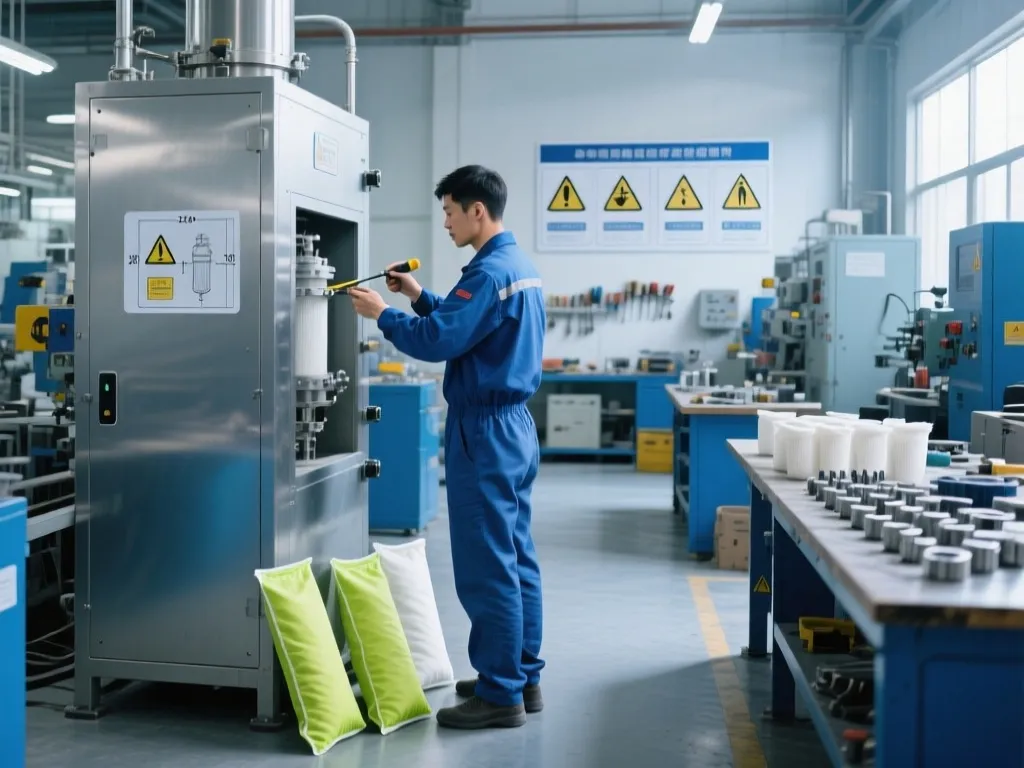
Steps to Retrofit Your Equipment: Provide a step-by-step guide on how to modify your filtration equipment to accommodate new filter bags, ensuring a seamless transition and optimal performance.
Step 1: Assess Your Current Equipment
When your original filter bags are discontinued, the thought of modifying your filtration equipment can be daunting. But don’t worry, with a clear step-by-step approach, you can make the transition smoothly and ensure your equipment continues to operate at peak performance. Before you start making any changes, it’s crucial to understand your existing filtration system thoroughly. Take a close look at the dimensions, mounting points, and any unique features of your current filter bags and the housing they fit into. Measure the length, diameter, and any other relevant specifications. Note down the type of closure system used, whether it’s a snap band, a clamp, or something else. This detailed assessment will serve as your blueprint for finding compatible replacement filter bags and making necessary modifications.
Step 2: Identify Compatibility Factors
Compatibility is key when it comes to retrofitting your equipment. Look for replacement filter bags that match the physical dimensions of your original ones as closely as possible. However, don’t just stop at size. Consider the material composition as well. Different materials have varying levels of chemical resistance, temperature tolerance, and filtration efficiency. For example, if your original filter bags were made of polyester and you’re switching to a different material like polypropylene, make sure the new material can handle the same operating conditions. For high-temperature applications, you might consider basalt fiber filter bags as a robust alternative. Also, check the compatibility of the closure system. If your original bags had a snap band closure, ensure the new ones have a similar mechanism or an easy-to-adapt alternative.
Step 3: Gather the Right Tools
Once you’ve identified the compatible replacement filter bags, it’s time to gather the tools you’ll need for the retrofitting process. Depending on the modifications required, you might need basic hand tools like wrenches, screwdrivers, and pliers. If you need to make any cuts or adjustments to the filter housing, a hacksaw or a power drill with the appropriate bits might be necessary. Make sure you have all the tools on hand before you start the process to avoid any delays or interruptions.
Step 4: Prepare the Equipment
Before you begin making any physical changes to your filtration equipment, it’s essential to prepare it properly. Turn off the power supply to the equipment and isolate it from the rest of the system if possible. This will ensure your safety during the retrofitting process. Next, remove any remaining debris or old filter material from the housing. A thorough cleaning will help you get a better view of the areas that need modification and ensure a clean installation of the new filter bags.
Step 5: Make Necessary Modifications
Now comes the actual retrofitting part. Based on your assessment in Step 1 and the compatibility factors you identified in Step 2, start making the necessary modifications to the filter housing. This could involve drilling new holes for mounting points, cutting out sections to accommodate a different closure system, or adding spacers to adjust the fit of the new filter bags. Take your time during this step and follow the manufacturer’s instructions for the replacement filter bags carefully. If you’re unsure about any modifications, consult with a professional or the manufacturer’s technical support team.
Step 6: Install the New Filter Bags
Once the modifications are complete and you’re satisfied with the fit, it’s time to install the new filter bags. For high-performance filtration needs, consider high-performance filtration bags for optimal results. Carefully insert the bags into the housing, making sure they’re properly seated and aligned. Secure the closure system according to the manufacturer’s instructions. Double-check all the connections and mounting points to ensure everything is tight and secure.
Step 7: Test and Optimize
After installing the new filter bags, it’s crucial to test the equipment to make sure it’s operating correctly. Turn on the power supply and run the filtration system for a short period. Monitor the pressure drop across the filter bags and check for any leaks or abnormal noises. If you notice any issues, make the necessary adjustments. You might need to fine-tune the flow rate or adjust the tension of the closure system to achieve optimal performance. For high-efficiency filtration, you could explore high-efficiency filtration bags for enhanced results. Keep testing and optimizing until you’re satisfied with the results.
When original filter bags are discontinued, it’s not the end of the road—it’s an opportunity to upgrade your filtration strategy. By understanding the impact, exploring replacement options, and retrofitting your equipment, you can turn this setback into a seamless transition. Don’t let discontinued products derail your operations. Share this guide with your team, bookmark it for future reference, or reach out to our experts for personalized advice on finding the best replacement filter bags. Ready to keep your filtration process running smoothly? Let’s get started!