
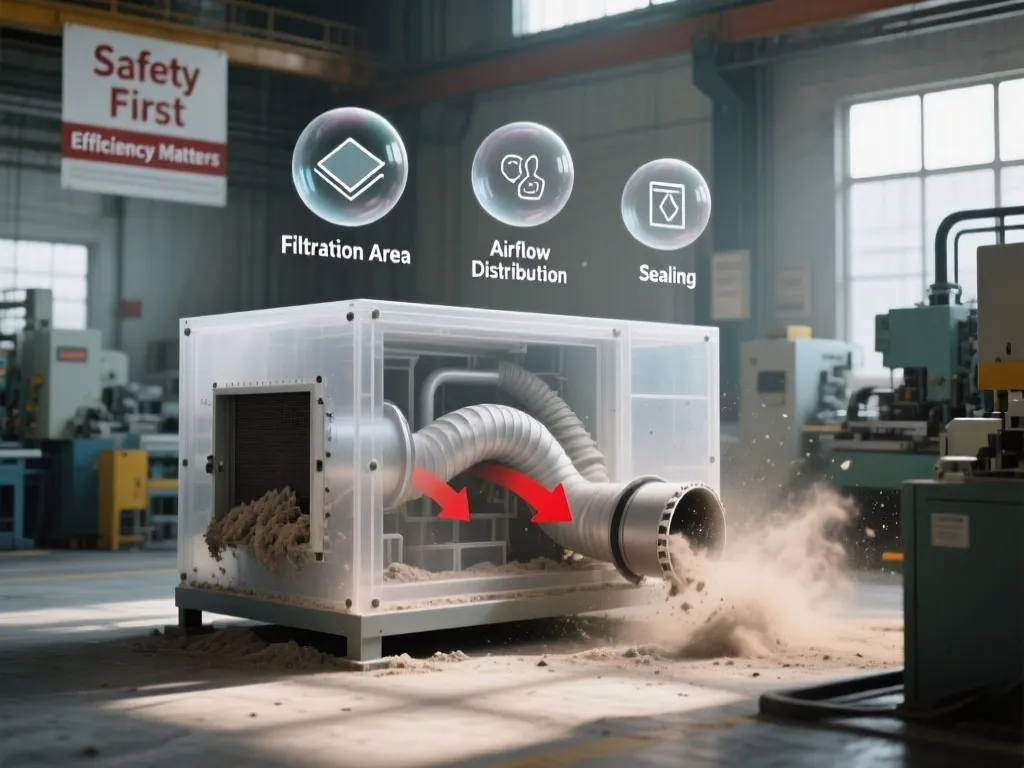
In industrial settings, efficient dust filtration isn’t just a necessity—it’s a cornerstone of safety and productivity. Yet, many facilities grapple with subpar performance, leaving them wondering: What causes poor dust filtration performance? This isn’t just about a clogged filter or a worn-out part; it’s about diving deep into the design flaws that silently sabotage your system. Let’s unravel these mysteries together, exploring how overlooked aspects like filtration area, airflow distribution, and sealing can make or break your dust control efforts.
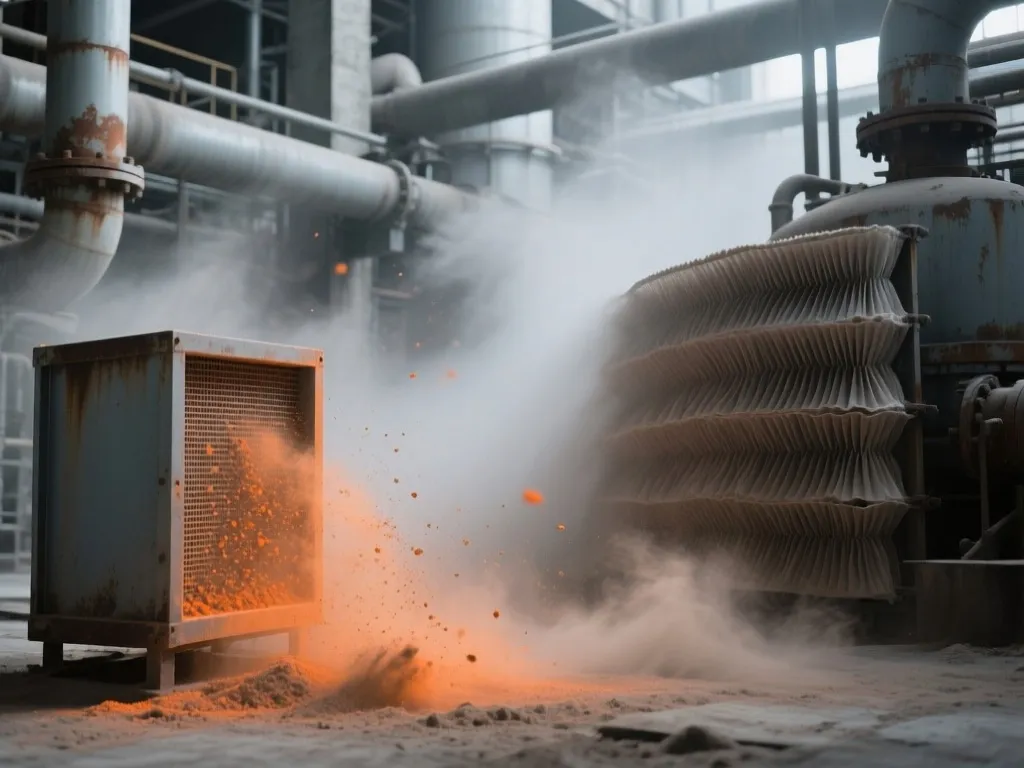
Insufficient Filtration Area: How It Leads to Poor Dust Interception and Affects Efficiency
When it comes to dust filtration, the filtration area is like the front – line defense against dust particles. If this area is too small, it’s like having a small army trying to stop a large – scale invasion. Let’s dive deep into how insufficient filtration area causes problems and what we can do about it.Imagine a dust – laden air stream rushing towards a filter. The filter’s job is to capture all those tiny dust particles. But when the filtration area is small, there simply isn’t enough surface for the dust to stick to. It’s similar to trying to catch raindrops with a small umbrella. The raindrops (dust particles in our case) will just keep flowing past the limited surface area of the umbrella (filter). This means that a significant portion of the dust escapes interception and continues to move through the system, reducing the overall filtration efficiency.The impact of this on industrial processes can be far – reaching. In a manufacturing plant, for example, unfiltered dust can contaminate the final products, leading to quality issues and potential customer dissatisfaction. Moreover, the dust that gets through can accumulate in other parts of the equipment, causing wear and tear over time. This not only shortens the lifespan of the machinery but also increases maintenance costs.So, how can we increase the filtration area through reasonable design? One effective approach is to use multi – layer filters. Instead of relying on a single thin layer, we can stack multiple layers of filter media. Each layer adds to the total filtration area, providing more opportunities for dust particles to be captured. Think of it as building a multi – story building instead of a single – story house. The more floors (layers) you have, the more space (filtration area) there is to accommodate the dust.Another design strategy is to optimize the shape and structure of the filter. For instance, using a pleated filter design can significantly increase the surface area within the same physical space. The pleats create folds, which effectively multiply the available area for dust interception. It’s like taking a flat piece of paper and folding it into an accordion shape. The folded paper has much more surface area than the flat one, allowing it to hold more dust.In addition, the size and arrangement of the filter elements also matter. By carefully calculating and adjusting the size of each filter element and how they are placed within the filtration system, we can maximize the use of available space and increase the overall filtration area. This requires in – depth knowledge of fluid dynamics and dust behavior to ensure that the design is both efficient and practical.
The Consequences of Small Filtration Area in Real – World Scenarios
Let’s take a look at a real – world example. In a cement plant, the dust generated during the production process is extremely fine and abundant. If the filtration area of the dust collection system is insufficient, a large amount of dust will escape into the atmosphere. This not only violates environmental regulations but also poses a health risk to the workers in the plant and the surrounding community. Moreover, the dust can settle on the equipment, causing blockages and reducing the efficiency of the production process. Over time, the accumulated dust can lead to mechanical failures, resulting in costly downtime for repairs.
Calculating the Required Filtration Area
To ensure that the filtration area is adequate, it’s essential to perform accurate calculations. This involves considering factors such as the volume of air to be filtered, the concentration of dust in the air, and the desired filtration efficiency. By using established formulas and taking into account the specific characteristics of the dust and the filtration system, we can determine the minimum required filtration area. This helps in selecting the right filter size and design, avoiding the problems associated with insufficient filtration area.
Innovative Filter Materials for Increased Filtration Area
In recent years, there have been significant advancements in filter materials. Some new materials have a higher surface – to – volume ratio, which means they can provide more filtration area within the same physical size. For example, nanofiber filter media have extremely fine fibers that create a large number of pores. These pores increase the surface area available for dust capture, improving the filtration efficiency even with a relatively small overall filter size. Using such innovative materials can be a great way to overcome the limitations of a small physical space and increase the effective filtration area.
Why is Uneven Airflow Distribution Bad for Dust Filtration?
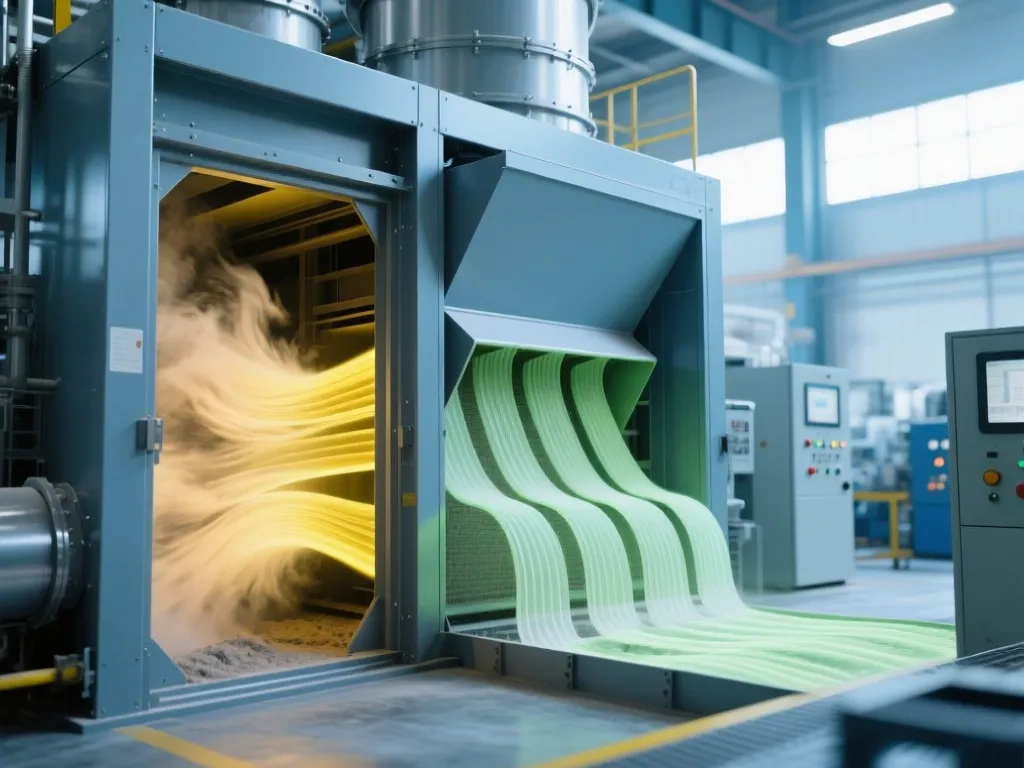
When it comes to dust filtration performance, one often overlooked yet critical factor is the evenness of airflow distribution within the filtration equipment. You might be surprised to learn just how much of an impact uneven airflow can have on the overall efficiency of your dust filtration system. So, what exactly causes this uneven distribution, and why does it matter so much? Let’s dive in and explore these questions in detail. First off, let’s talk about the root causes of uneven airflow. One of the most common culprits is improper inlet design. The inlet is where the air enters the filtration system, and if it’s not designed correctly, it can lead to turbulent airflow patterns. For instance, if the inlet is too small or narrow, it can restrict the flow of air, causing it to speed up and create turbulence as it enters the system. This turbulence can then disrupt the smooth flow of air throughout the rest of the equipment, leading to uneven distribution. Another factor that can contribute to uneven airflow is the absence or improper placement of flow deflectors. Flow deflectors, also known as guide vanes or baffles, are designed to direct the flow of air in a specific direction, helping to ensure that it’s evenly distributed throughout the filtration system. However, if these deflectors are missing or not positioned correctly, the air can flow in unpredictable ways, leading to areas of high and low airflow within the equipment. Now, you might be wondering, why does uneven airflow distribution matter so much for dust filtration performance? Well, the answer lies in the fundamental principles of filtration. In order for dust particles to be effectively captured by the filter media, they need to come into contact with it. If the airflow is uneven, some areas of the filter media will receive more airflow than others, leading to uneven wear and tear on the filter. In areas with high airflow, the filter media can become clogged more quickly, reducing its overall efficiency and lifespan. On the other hand, areas with low airflow may not capture dust particles as effectively, allowing them to pass through the filter and into the surrounding environment. This not only reduces the overall filtration efficiency of the system but can also lead to increased dust emissions, which can be harmful to both the environment and the health of workers in the facility. For more insights on the health risks associated with dust emissions, you can refer to this OSHA guide on silica dust control. So, what can be done to improve airflow distribution within dust filtration equipment? One effective solution is to redesign the inlet to ensure that it’s the correct size and shape for the specific application. This might involve widening the inlet to reduce airflow restrictions or adding a diffuser to help smooth out the airflow as it enters the system. Additionally, installing or repositioning flow deflectors can help to direct the airflow more evenly throughout the equipment, ensuring that all areas of the filter media receive an adequate amount of airflow. Another option is to incorporate computational fluid dynamics (CFD) modeling into the design process. CFD is a powerful tool that can simulate the flow of air within a filtration system, allowing engineers to identify potential areas of turbulence or uneven airflow before the equipment is even built. By using CFD modeling, designers can optimize the layout and design of the filtration system to ensure that airflow is as even and efficient as possible. In conclusion, uneven airflow distribution is a significant factor that can have a profound impact on the performance of dust filtration equipment. By understanding the root causes of uneven airflow and taking steps to address them, such as redesigning the inlet, installing flow deflectors, or incorporating CFD modeling into the design process, you can significantly improve the efficiency and effectiveness of your dust filtration system. So, the next time you’re evaluating the performance of your filtration equipment, don’t forget to consider the role that airflow distribution plays in the overall picture.
The Impact of Inlet Design on Airflow Distribution
The design of the inlet plays a crucial role in determining the airflow distribution within dust filtration equipment. A poorly designed inlet can lead to turbulent airflow patterns, which can disrupt the smooth flow of air throughout the system. To ensure even airflow distribution, the inlet should be designed to be the correct size and shape for the specific application. This might involve widening the inlet to reduce airflow restrictions or adding a diffuser to help smooth out the airflow as it enters the system. By optimizing the inlet design, you can significantly improve the overall efficiency of your dust filtration system.
The Role of Flow Deflectors in Airflow Management
Flow deflectors, also known as guide vanes or baffles, are essential components in managing airflow within dust filtration equipment. These deflectors are designed to direct the flow of air in a specific direction, helping to ensure that it’s evenly distributed throughout the system. However, if these deflectors are missing or not positioned correctly, the air can flow in unpredictable ways, leading to areas of high and low airflow. By installing or repositioning flow deflectors, you can help to direct the airflow more evenly, ensuring that all areas of the filter media receive an adequate amount of airflow.
Leveraging CFD Modeling for Optimal Airflow Distribution
Computational fluid dynamics (CFD) modeling is a powerful tool that can simulate the flow of air within a filtration system. By using CFD modeling, engineers can identify potential areas of turbulence or uneven airflow before the equipment is even built. This allows designers to optimize the layout and design of the filtration system to ensure that airflow is as even and efficient as possible. Incorporating CFD modeling into the design process can significantly improve the performance of dust filtration equipment, reducing the risk of uneven airflow distribution and improving overall filtration efficiency.
Poor Sealing Performance: Unveiling Dust Leakage Issues Caused by Inadequate Equipment Sealing
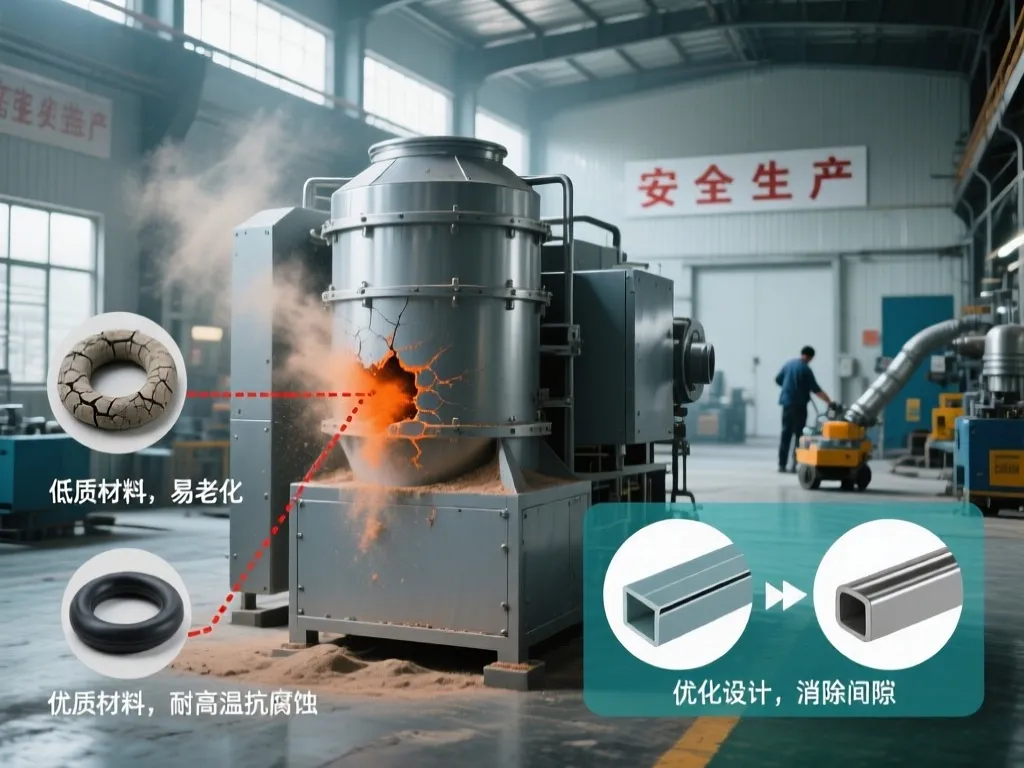
Have you ever wondered why, despite having a seemingly robust dust filtration system, you’re still facing issues with dust leakage? Well, one of the major culprits could be poor sealing performance of your equipment. In this section, we’ll dive deep into the world of equipment sealing, exploring how improper sealing can lead to significant dust leakage problems and what you can do to fix it. Let’s start by understanding the two main aspects that contribute to poor sealing: improper selection of sealing materials and unreasonable sealing structures. When it comes to sealing materials, not all are created equal. Some materials may seem cost-effective at first glance, but they could end up costing you more in the long run due to their inability to withstand the harsh operating conditions of industrial filtration equipment. For instance, certain rubber seals might degrade quickly when exposed to high temperatures or corrosive chemicals, leading to gaps and, consequently, dust leakage. On the other hand, high-quality seals made from materials like silicone or fluororubber offer superior resistance to heat, chemicals, and wear, ensuring a tight and long-lasting seal. Now, let’s talk about sealing structures. Even if you’ve chosen the best sealing materials, a poorly designed sealing structure can still lead to leakage. Imagine a door with a misaligned frame; no matter how good the lock is, it won’t prevent air (or in our case, dust) from seeping through. Similarly, in filtration equipment, if the sealing surfaces aren’t properly aligned or if there are gaps due to inadequate design, dust will find its way out. This is especially true for complex equipment with multiple moving parts or interfaces, where ensuring a perfect seal at every point can be challenging. So, what can you do to improve the sealing performance of your dust filtration equipment? Here are some effective measures: Firstly, conduct a thorough assessment of your current sealing materials. Are they suitable for your specific operating conditions? If not, consider upgrading to more durable and resistant materials. Secondly, review the design of your sealing structures. Look for areas where gaps might occur and redesign them to ensure a tight fit. This might involve adding gaskets, using precision-machined components, or incorporating self-adjusting sealing mechanisms. Thirdly, regular maintenance is key. Even the best seals will wear out over time, so it’s essential to inspect and replace them as needed. Implement a preventive maintenance schedule to catch potential issues before they lead to significant leakage. Lastly, consider investing in advanced sealing technologies. For example, some modern filtration systems use magnetic or pneumatic seals that offer superior performance compared to traditional mechanical seals. These technologies can provide a more reliable and maintenance-free sealing solution, reducing the risk of dust leakage significantly. In conclusion, poor sealing performance is a common yet often overlooked cause of dust filtration issues. By understanding the importance of proper sealing material selection and structure design, and by implementing effective maintenance and upgrade strategies, you can significantly improve the sealing performance of your equipment, ensuring cleaner air and a safer working environment.
Improper Selection of Sealing Materials
Choosing the wrong sealing materials can be a recipe for disaster. As mentioned earlier, materials that can’t withstand high temperatures or corrosive chemicals will degrade quickly, leading to gaps and dust leakage. To avoid this, always consider the operating conditions of your equipment when selecting sealing materials. Opt for materials that offer high resistance to heat, chemicals, and wear, such as silicone or fluororubber. These materials may cost more initially, but they’ll save you money in the long run by reducing maintenance costs and preventing costly downtime due to leakage.
Unreasonable Sealing Structures
A poorly designed sealing structure is another major cause of dust leakage. Even with the best sealing materials, if the structure isn’t properly designed, gaps will occur, allowing dust to escape. To address this, review the design of your sealing structures carefully. Look for areas where gaps might occur due to misalignment, inadequate clearance, or lack of support. Redesign these areas to ensure a tight fit, using techniques like precision machining, adding gaskets, or incorporating self-adjusting mechanisms. In complex equipment with multiple moving parts, consider using modular designs that allow for easy replacement of worn-out seals.
Effective Measures to Improve Sealing Performance
Improving the sealing performance of your dust filtration equipment requires a multi-faceted approach. Start by assessing your current sealing materials and structures, identifying areas for improvement. Then, implement effective maintenance practices, such as regular inspections and timely replacements of worn-out seals. Consider investing in advanced sealing technologies that offer superior performance and reliability. Finally, train your staff on the importance of proper sealing and maintenance procedures to ensure everyone is on the same page when it comes to preventing dust leakage.
So, what causes poor dust filtration performance? As we’ve seen, it often boils down to design flaws that fly under the radar—be it insufficient filtration area, uneven airflow, or shoddy sealing. These aren’t just technical hiccups; they’re costly oversights that drag down efficiency and compromise safety. The good news? By zeroing in on these issues and optimizing your equipment design, you can transform your dust filtration system from a liability into a powerhouse. If you’re tired of chasing dust problems, maybe it’s time to rethink your approach—starting with the equipment itself. Want to dive deeper? Explore our guide on design optimization for dust filtration or share your own experiences in the comments below. The journey to cleaner air starts here!