
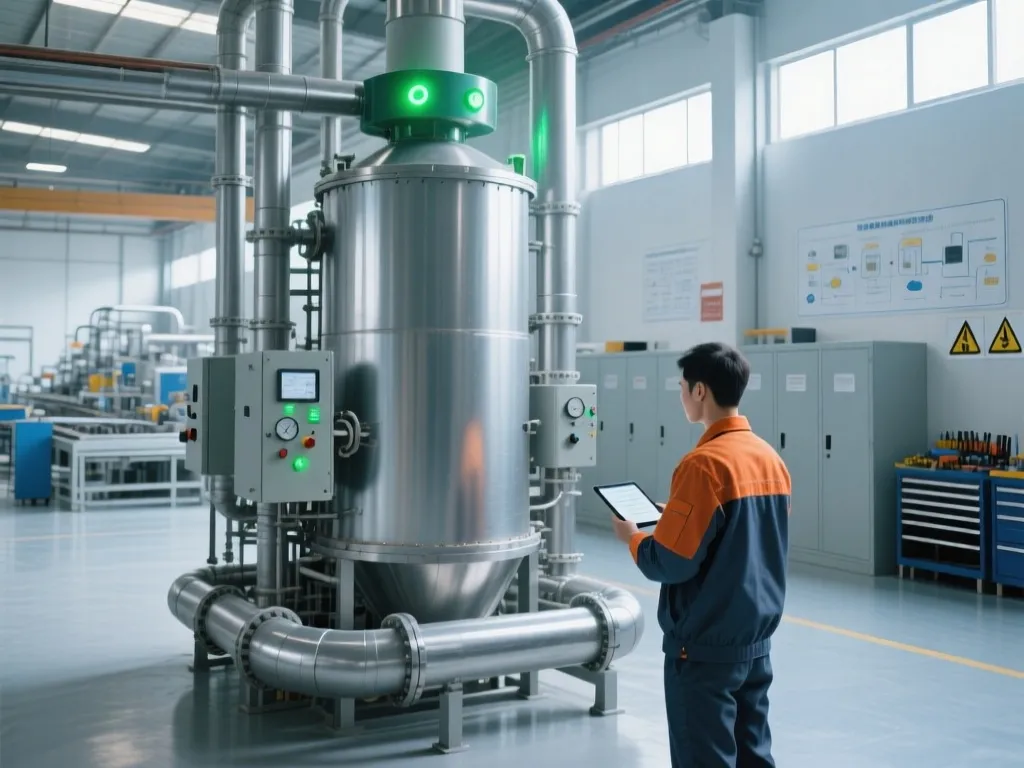
In industrial settings, dust filtration systems are the unsung heroes keeping the air clean and operations smooth. But how do you ensure your system is performing at its peak? How to optimize industrial dust filtration systems? isn’t just a question—it’s a necessity for any facility aiming to reduce downtime, save costs, and protect worker health. In this guide, we’ll break down the process from assessing your current setup to implementing advanced tools and techniques. Ready to breathe easier and boost productivity? Let’s dive in.
System Fundamentals Explained: Understanding the Basics of Industrial Dust Filtration Systems
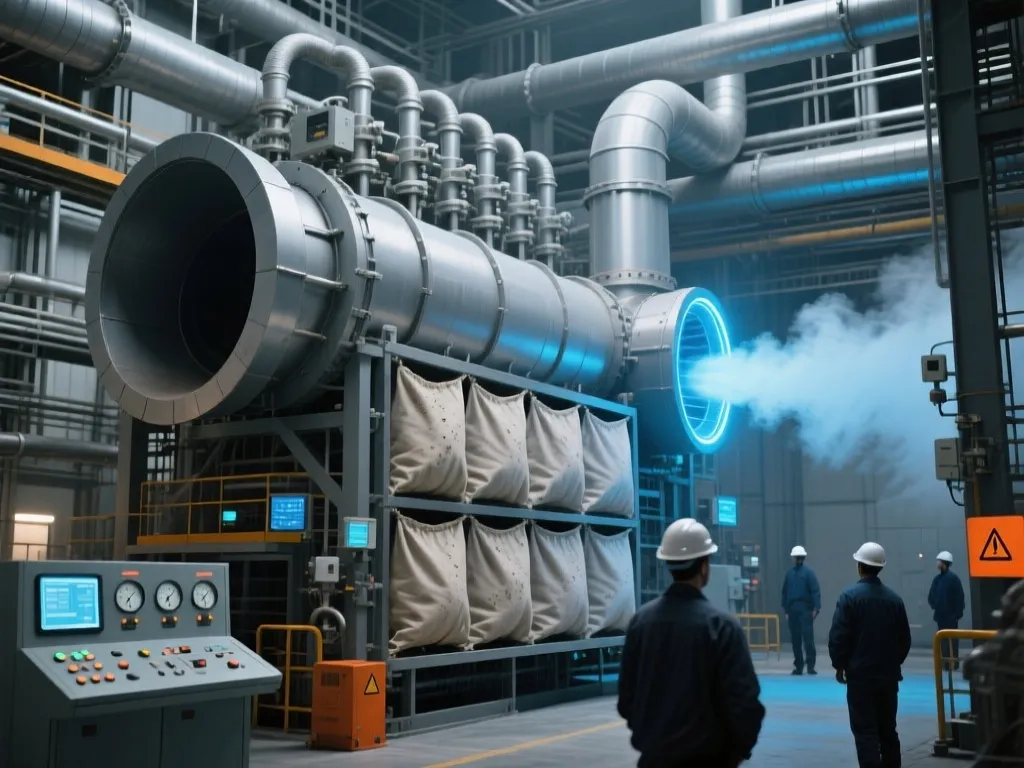
When it comes to optimizing industrial dust filtration systems, a solid grasp of the fundamentals is your first step towards success. Think of it like trying to fix a car without knowing how the engine works – you’re just shooting in the dark! So, let’s dive into the nitty-gritty of what makes these systems tick, from their basic components to their operational principles and common types. This knowledge will not only help you understand your current setup better but also lay the groundwork for effective optimization strategies later on. First things first, let’s talk about the basic components of an industrial dust filtration system. At its core, any such system consists of a few key parts: the intake, the filtration unit, the cleaning mechanism, and the exhaust. The intake is where the dusty air enters the system. It’s like the mouth of the system, gobbling up all the unwanted particles floating around in your factory. The filtration unit is where the magic happens. This is where the dust gets trapped, leaving behind clean air that can be safely released back into the environment. The cleaning mechanism is crucial for maintaining the system’s efficiency over time. Without it, the filters would quickly become clogged, reducing airflow and compromising performance. Finally, the exhaust is where the clean air exits the system, ready to be recirculated or vented outside. Now, let’s move on to how these components work together to filter out dust. The process typically starts with the intake drawing in dusty air at a high velocity. This air is then directed towards the filtration unit, where it encounters a series of filters designed to capture particles of varying sizes. The exact mechanism varies depending on the type of filter used, but generally, it involves some combination of inertial impaction, diffusion, interception, and electrostatic attraction. As the air passes through the filters, the dust particles get trapped, leaving behind cleaner air that continues its journey through the system. But what about the cleaning mechanism? How does it keep the filters from getting clogged? Well, there are several methods used, depending on the system’s design. Some systems use mechanical shaking or reverse airflow to dislodge trapped particles from the filters. Others employ pulse-jet cleaning, where short bursts of compressed air are used to blow the dust off the filters. There are even self-cleaning filters that use advanced technologies like ultrasonic vibrations or electrostatic precipitation to keep themselves clean. Now that we’ve covered the basics of how industrial dust filtration systems work, let’s take a look at some of the most common types you’ll encounter in the field. One popular type is the baghouse filter, which uses fabric bags to capture dust particles. Baghouses are known for their high efficiency and ability to handle large volumes of air, making them ideal for heavy-duty applications like cement plants and steel mills. Another common type is the cartridge filter, which uses pleated filter cartridges to increase surface area and improve filtration efficiency. Cartridge filters are often used in applications where space is limited or where a high level of filtration is required, such as in pharmaceutical manufacturing or food processing. Then there are the electrostatic precipitators, which use electrical charges to attract and capture dust particles. These systems are highly effective at removing fine particles from the air and are commonly used in power plants and other industries where fine dust is a major concern. Finally, we have the wet scrubbers, which use liquid to capture and remove dust particles from the air. Wet scrubbers are particularly useful in applications where the dust is sticky or combustible, as they can help prevent fires and explosions by keeping the dust moist. So, there you have it – a crash course in the basics of industrial dust filtration systems. By understanding the components, workings, and common types of these systems, you’re now better equipped to assess your current setup and identify areas for improvement. But remember, optimization is an ongoing process, not a one-time fix. So, keep learning, keep experimenting, and most importantly, keep asking questions. After all, the only stupid question is the one you don’t ask!
Key Components of Industrial Dust Filtration Systems
When it comes to industrial dust filtration systems, understanding the key components is crucial. The intake is the entry point for dusty air, acting like the system’s mouth. The filtration unit is where the actual filtering happens, capturing dust particles and leaving clean air behind. The cleaning mechanism ensures the filters stay efficient by removing trapped particles, preventing clogging. Finally, the exhaust releases the clean air back into the environment or recirculates it within the facility. Each component plays a vital role in the system’s overall performance and efficiency.
How Industrial Dust Filtration Systems Work
The operation of industrial dust filtration systems is a fascinating process. Dusty air is drawn in at high velocity through the intake and directed towards the filtration unit. Here, various mechanisms like inertial impaction, diffusion, interception, and electrostatic attraction work together to capture dust particles of different sizes. The cleaning mechanism then comes into play, using methods like mechanical shaking, reverse airflow, or pulse-jet cleaning to dislodge trapped particles and keep the filters clean. This continuous cycle ensures that the system maintains high efficiency and performance over time.
Common Types of Industrial Dust Filtration Systems
There are several common types of industrial dust filtration systems, each with its own unique features and applications. Baghouses use fabric bags to capture dust and are known for their high efficiency and large air handling capacity. Cartridge filters employ pleated cartridges to increase surface area and improve filtration, making them ideal for space-constrained or high-filtration applications. Electrostatic precipitators use electrical charges to attract and capture fine dust particles, while wet scrubbers use liquid to capture and remove sticky or combustible dust. Understanding these types helps you choose the right system for your specific needs.
Optimization Steps Explained: A Step-by-Step Guide to Evaluating System Status, Formulating Optimization Plans, Implementing Improvements, and Continuously Monitoring Results
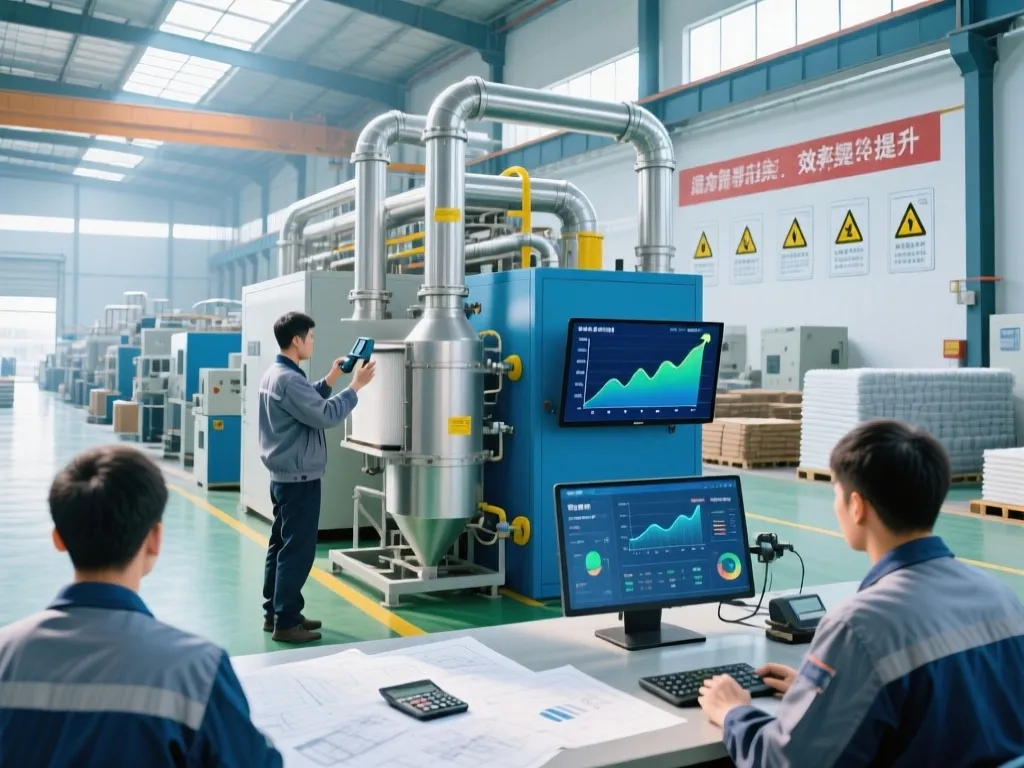
When it comes to optimizing industrial dust filtration systems, a systematic approach is key. Here’s a detailed breakdown of the steps you should follow to ensure your system operates at peak efficiency. First up, evaluating your system’s current status. This is where you roll up your sleeves and get into the nitty-gritty of your filtration setup. Start by assessing the overall performance of your system. Are you noticing a decline in air quality? Are there frequent breakdowns or maintenance issues? These are red flags indicating that your system might need some TLC. Next, dive deeper into the components. Check the condition of your filters – are they clogged, worn out, or damaged? A clogged filter can significantly reduce airflow, leading to poor filtration efficiency. Also, inspect the ductwork for any leaks or blockages. Even a small leak can compromise the entire system’s performance. Don’t forget to evaluate the fan and motor as well. Are they running smoothly, or are there signs of wear and tear? Once you’ve gathered all this information, it’s time to move on to formulating an optimization plan. This plan should be tailored to your specific system and its unique challenges. Start by setting clear, achievable goals. Do you want to improve filtration efficiency by a certain percentage? Reduce maintenance costs? Or enhance overall system reliability? Having specific goals will guide your optimization efforts and help you measure success. Now, let’s talk about implementing those improvements. This is where the rubber meets the road, and you put your plan into action. Depending on your evaluation, you might need to replace worn-out filters with high-efficiency ones. Or perhaps, you need to seal those pesky ductwork leaks. In some cases, upgrading the fan or motor might be necessary to boost performance. But remember, implementation isn’t just about making changes; it’s also about doing it right. Follow manufacturer guidelines for filter replacement and installation. Ensure that all components are properly aligned and secured. And don’t skip any steps in the process – even small oversights can lead to big problems down the line. After implementing the improvements, the next crucial step is continuously monitoring the results. This is where you verify whether your optimization efforts have paid off. Set up a regular monitoring schedule to track key performance indicators like airflow, filtration efficiency, and energy consumption. Use smart monitoring tools to get real-time data and insights. These tools can alert you to any anomalies or potential issues before they escalate into major problems. But monitoring isn’t a one-time thing; it’s an ongoing process. Keep a close eye on your system’s performance over time. Are you consistently meeting your optimization goals? Or are there areas where you’re still falling short? Use this data to fine-tune your system and make further improvements as needed. Remember, optimization is a journey, not a destination. There’s always room for improvement, and staying proactive is key to maintaining a high-performing industrial dust filtration system.
Evaluating System Status: The Foundation of Optimization
Evaluating your system’s current status is the crucial first step in the optimization process. It’s like taking your car to the mechanic for a check-up before a long road trip. You want to make sure everything is running smoothly and identify any potential issues before they cause bigger problems. When evaluating your industrial dust filtration system, focus on performance indicators like airflow, filtration efficiency, and maintenance frequency. Look for signs of wear and tear on components like filters, ductwork, fans, and motors. And don’t forget to consider external factors like environmental conditions and operational demands that might impact your system’s performance.
Formulating an Optimization Plan: Setting the Course for Success
Once you’ve evaluated your system’s status, it’s time to formulate an optimization plan. This plan should be a roadmap that outlines the specific steps you’ll take to improve your system’s performance. Start by setting clear, measurable goals. What do you want to achieve through optimization? Is it higher filtration efficiency, lower maintenance costs, or increased system reliability? Having specific goals will help you stay focused and track your progress. Next, identify the key areas that need improvement. Based on your evaluation, which components or processes are holding your system back? Is it outdated filters, leaky ductwork, or an underpowered fan? Prioritize these areas and develop targeted solutions for each one. Finally, create a timeline and budget for your optimization efforts. When will you implement each improvement? How much will it cost? Having a clear plan in place will help you stay organized and ensure that your optimization project stays on track.
Implementing Improvements: Turning Plans into Action
With your optimization plan in hand, it’s time to roll up your sleeves and start implementing those improvements. This is where the real work begins, but don’t worry – with a clear plan and the right tools, you can tackle even the most complex optimization tasks. Start by gathering all the necessary materials and equipment. Do you need new filters, sealant for ductwork leaks, or a more powerful fan? Make sure you have everything you need before you start making changes. Next, follow your plan step by step. Replace worn-out filters with high-efficiency ones. Seal any leaks in the ductwork. Upgrade the fan or motor if needed. And don’t forget to document each step of the process. This will help you track your progress and troubleshoot any issues that arise. Finally, test your system after making each improvement. Sometimes, small tweaks can make a big difference in performance.
Continuously Monitoring Results: The Key to Long-Term Success
After implementing your improvements, the work isn’t over yet. Continuously monitoring your system’s performance is essential to ensure that your optimization efforts have paid off and to identify any new issues that might arise. Set up a regular monitoring schedule that includes checking key performance indicators like airflow, filtration efficiency, and energy consumption. Use smart monitoring tools to get real-time data and insights. These tools can provide valuable information about your system’s health and alert you to any potential problems before they become serious. But monitoring isn’t just about collecting data; it’s also about analyzing it and taking action. Look for trends or patterns in your system’s performance. Are you consistently meeting your optimization goals? Or are there areas where you’re still falling short? Use this information to fine-tune your system and make further improvements as needed. Remember, optimization is an ongoing process. By staying proactive and continuously monitoring your system’s performance, you can ensure that it operates at peak efficiency for years to come.
Efficient Tools & Techniques: Boosting Filtration Performance with Smart Monitoring & Advanced Materials
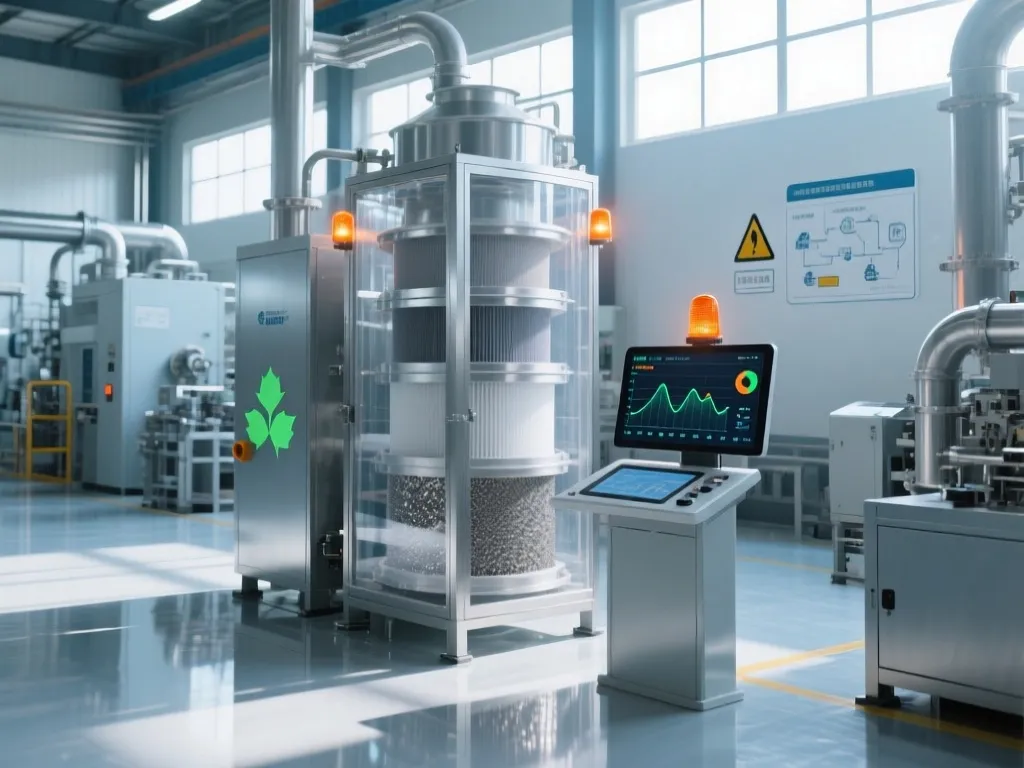
When it comes to optimizing industrial dust filtration systems, having the right tools and techniques at your disposal can make all the difference. Imagine being able to monitor your system’s performance in real-time, identify potential issues before they become major problems, and fine-tune your filtration process for maximum efficiency. That’s the power of incorporating smart monitoring systems and advanced filtration materials into your setup. Let’s dive into some of the most effective tools and technologies that can help you achieve these goals. First up, smart monitoring systems. These aren’t just fancy gadgets; they’re essential components for any modern industrial dust filtration system. By integrating sensors and IoT technology, these systems provide continuous, real-time data on key parameters like airflow, pressure drop, and dust concentration. This means you can keep a close eye on your system’s performance without having to manually check each component. For instance, if the pressure drop across your filters starts to rise unexpectedly, it could indicate a clog or a need for maintenance. With smart monitoring, you’ll get an alert right away, allowing you to take action before the issue escalates. But smart monitoring isn’t just about detecting problems; it’s also about optimizing performance. By analyzing the data collected by these systems, you can identify patterns and trends that reveal opportunities for improvement. Maybe you notice that certain filters are consistently reaching their capacity faster than others. This could indicate a need for better distribution of dust load or a switch to a more durable filter material. Armed with this information, you can make data-driven decisions that enhance your system’s overall efficiency. Now, let’s talk about advanced filtration materials. The choice of filter media can have a profound impact on your system’s performance and longevity. Traditional materials like fiberglass and polyester are still widely used, but there are now a host of newer options that offer superior performance in specific applications. For example, if you’re dealing with fine or sticky dust particles, you might want to consider a nanofiber filter. These filters have extremely small fibers that create a dense, intricate web of pores. This structure allows them to capture even the tiniest particles while maintaining high airflow rates. As a result, you can achieve higher filtration efficiency without sacrificing system performance. Another advanced material to consider is sintered metal filters. These filters are made by compressing metal powder into a solid mass and then sintering it to create a porous structure. Sintered metal filters are incredibly durable and can withstand high temperatures and corrosive environments. They’re also easy to clean and reuse, making them a cost-effective choice for many industrial applications. Plus, their uniform pore size distribution ensures consistent filtration performance over time. But wait, there’s more! Did you know that some filtration materials can even help reduce energy consumption? It’s true. By choosing a filter with low pressure drop characteristics, you can minimize the amount of energy your system needs to operate. This not only saves you money on your utility bills but also reduces your carbon footprint. It’s a win-win situation for both your bottom line and the environment. Of course, no discussion of filtration materials would be complete without mentioning the importance of proper filter selection and maintenance. Even the most advanced filter won’t perform well if it’s not the right fit for your application or if it’s not properly maintained. That’s why it’s crucial to work with a knowledgeable supplier who can help you choose the right filter for your needs and provide guidance on maintenance and replacement schedules. For instance, our anti-static industrial pulse-jet baghouse offers high-efficiency dust collection for various industrial applications, demonstrating the practical application of advanced filtration technologies. In addition to smart monitoring and advanced materials, there are also a number of other tools and techniques that can help you optimize your industrial dust filtration system. For example, you might want to consider investing in a dust collector with a variable frequency drive (VFD). This allows you to adjust the speed of the fan based on the actual dust load, which can significantly reduce energy consumption. Or, you could explore the use of pulse-jet cleaning systems, which use bursts of compressed air to clean filters on the fly, extending their service life and improving overall system efficiency. The key takeaway here is that optimizing your industrial dust filtration system doesn’t have to be a daunting task. By leveraging the right tools and technologies, you can achieve significant improvements in performance, efficiency, and cost savings. Whether you’re looking to upgrade your existing system or design a new one from scratch, there are plenty of options available to help you meet your goals. So, what are you waiting for? Start exploring these efficient tools and techniques today and take your industrial dust filtration system to the next level!
Smart Monitoring Systems: The eyes and ears of your filtration system
Smart monitoring systems are like the eyes and ears of your industrial dust filtration system. They provide continuous, real-time data on key parameters, allowing you to detect issues early and optimize performance. By integrating sensors and IoT technology, these systems make it easy to keep track of your system’s health and make data-driven decisions.
Advanced Filtration Materials: Choosing the right filter for the job
The choice of filtration material can have a profound impact on your system’s performance. From nanofiber filters for fine particles to sintered metal filters for high-temperature applications, there are now a host of advanced materials available that offer superior performance in specific scenarios. By selecting the right filter for your needs, you can achieve higher filtration efficiency and extend the lifespan of your system.
Other Optimization Tools & Techniques
In addition to smart monitoring and advanced materials, there are also a number of other tools and techniques that can help you optimize your industrial dust filtration system. These include variable frequency drives (VFDs) for energy-efficient fan control, pulse-jet cleaning systems for extended filter life, and more. By exploring these options, you can find the right combination of tools and techniques to meet your specific needs.
Optimizing industrial dust filtration systems isn’t a one-time task—it’s an ongoing journey toward cleaner air and smarter operations. By following the steps outlined in this guide, you’ve equipped yourself with the knowledge to assess, plan, and execute improvements that make a real difference. Remember, even small tweaks can lead to significant gains in efficiency and cost savings. So, what’s your next move? Will you start by evaluating your current system or explore the latest smart monitoring tools? The choice is yours, but one thing’s certain: your factory floor (and your lungs) will thank you. Share this guide with your team or bookmark it for future reference—the path to optimization starts here.