
In industries where high temperatures and dust are constant companions, selecting the right filters isn’t just a task—it’s a necessity. Ever wondered How to select filters for high temperature dust collection that can withstand extreme conditions while maintaining peak performance? This guide dives deep into the critical factors you need to consider, from technical parameters to industry standards, ensuring you make an informed choice that boosts efficiency and safety. Ready to demystify the selection process?
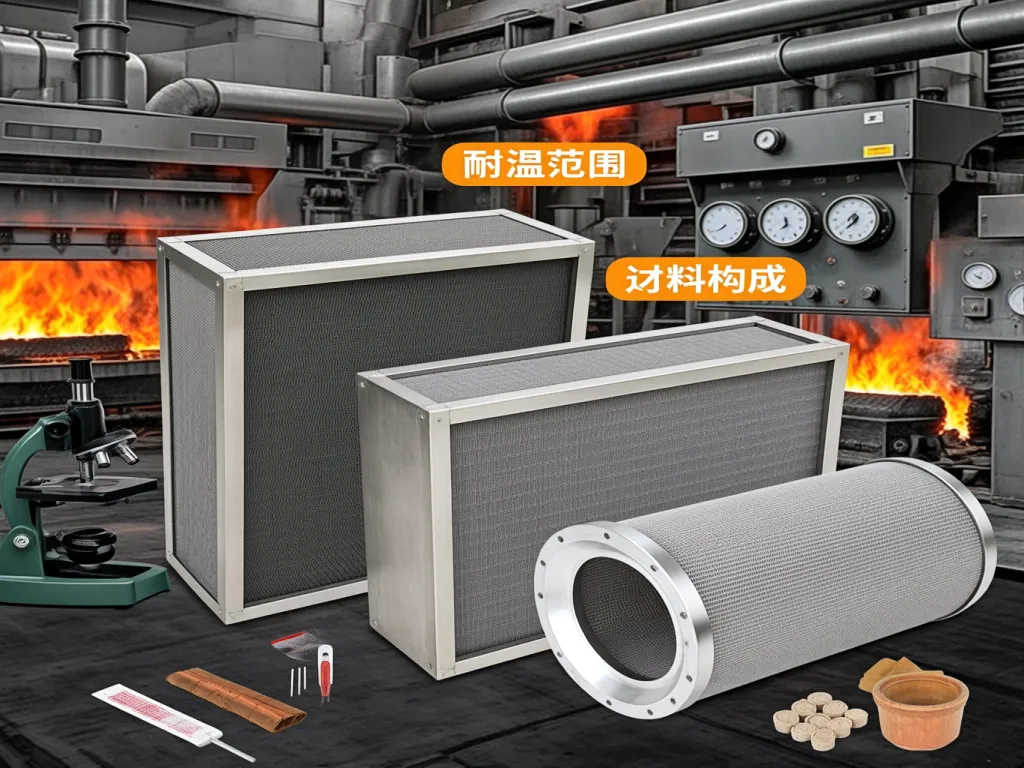
Key Technical Parameters Unveiled: How Temperature Resistance, Filtration Accuracy, and Material Impact Filter Performance
When it comes to selecting filters for high-temperature dust collection, understanding the core technical parameters is crucial. These parameters not only determine the filter’s performance but also influence its longevity and efficiency in your specific industrial setting. Let’s dive deep into the three most critical aspects: temperature resistance range, filtration accuracy, and material composition, and explore how each affects filter selection. First up, temperature resistance range. This is, without a doubt, the most vital parameter when dealing with high-temperature environments. Imagine trying to use a standard filter in a furnace or a kiln where temperatures soar above 500°C (932°F). It would melt or deform, rendering it useless and potentially causing a safety hazard. So, how do you choose the right temperature resistance range? Start by identifying the maximum operating temperature in your facility. Add a safety margin of at least 20-30°C to account for any unexpected spikes. For instance, if your process operates at 600°C, opt for a filter rated for at least 650-700°C. This ensures reliability and prevents premature failure. Next, let’s talk about filtration accuracy. This parameter defines the size of particles the filter can effectively capture. In high-temperature dust collection, you’re dealing with fine particulates that can be as small as a few microns. If your filter’s accuracy is too low, these tiny particles will slip through, compromising air quality and potentially damaging downstream equipment. Conversely, an overly precise filter might clog quickly, increasing pressure drop and energy consumption. To strike the right balance, consider the nature of your dust. Is it abrasive? Does it have a tendency to agglomerate? For abrasive dust, a slightly coarser filter might be preferable to reduce wear and tear. For fine, sticky dust, a higher-precision filter with a pre-coating or pulse-jet cleaning system could be ideal. Finally, material composition plays a pivotal role in filter performance. The material must withstand not only high temperatures but also chemical corrosion, mechanical stress, and thermal shock. Common materials used in high-temperature filters include stainless steel, ceramic, and certain specialized alloys. Stainless steel offers excellent corrosion resistance and is suitable for moderate temperatures up to around 800°C. Ceramic filters, on the other hand, can handle temperatures exceeding 1000°C and are highly resistant to chemical attack. However, they’re more brittle and require careful handling. Specialized alloys like Inconel or Hastelloy provide a blend of temperature resistance and corrosion resistance, making them ideal for harsh environments. So, how do you choose the right material? Consider your operating temperature, the chemical composition of your dust, and any mechanical stresses the filter will face. For instance, if you’re dealing with corrosive gases at high temperatures, a ceramic or specialized alloy filter would be a better choice than stainless steel. In summary, selecting the right filters for high-temperature dust collection requires a thorough understanding of temperature resistance range, filtration accuracy, and material composition. By carefully evaluating these parameters against your specific industrial needs, you can ensure optimal performance, longevity, and safety. Don’t just settle for a ‘one-size-fits-all’ solution; tailor your filter selection to your unique process conditions for the best results.
Temperature Resistance Range: The Foundation of High-Temperature Filtration
Choosing a filter with the right temperature resistance range is like selecting the right armor for a knight going into battle. It must withstand the heat without failing. Start by measuring the peak temperatures in your dust collection system. Then, add a buffer to account for any unexpected surges. This buffer ensures your filter remains operational even during temperature spikes, preventing costly downtime and potential safety risks. Remember, it’s always better to err on the side of caution when it comes to temperature resistance.
Filtration Accuracy: Striking the Perfect Balance
Filtration accuracy is a delicate balance between capturing all harmful particulates and maintaining airflow efficiency. Too coarse, and you risk letting harmful dust escape; too fine, and you face clogging issues and increased energy costs. To find the sweet spot, analyze your dust characteristics. Is it mostly large, abrasive particles or fine, sticky ones? For abrasive dust, a slightly coarser filter can reduce wear, while fine dust might require a higher-precision filter with advanced cleaning mechanisms. Regular maintenance and monitoring are also key to ensuring your filter maintains its optimal accuracy over time.
Material Composition: The Building Blocks of Durability
The material of your filter is its backbone, determining its ability to withstand high temperatures, chemicals, and mechanical stress. Stainless steel is a popular choice for its corrosion resistance and moderate temperature capabilities. Ceramic filters excel in extreme heat and chemical resistance but require careful handling due to their brittleness. Specialized alloys offer a blend of properties, making them suitable for the harshest environments. When selecting a material, consider not just the temperature but also the chemical composition of your dust and any mechanical forces the filter will encounter. A well-chosen material ensures your filter lasts longer and performs reliably.
Performance Criteria Comparison: Unveiling the Common Traits of High-Quality Filters
When it comes to selecting filters for high-temperature dust collection, understanding the performance criteria is crucial. It’s not just about picking any filter; you need one that can withstand extreme conditions while maintaining optimal efficiency. Let’s dive into the key performance indicators: cleaning efficiency, pressure drop stability, and service life, and uncover what makes a filter truly stand out. First up, cleaning efficiency. This is a biggie. In high-temperature environments, dust particles can be stubborn and cling to filter surfaces. A filter with high cleaning efficiency ensures that these particles are effectively removed during the cleaning cycle, preventing clogging and maintaining airflow. Imagine a filter that can shake off dust like a dog after a bath—that’s the kind of efficiency we’re talking about. But how do you measure this? Look for filters that have a proven track record in similar industrial settings. Case studies and user reviews can be gold mines of information here. They’ll give you real-world insights into how well a filter performs under pressure. Next, pressure drop stability. This might sound technical, but it’s pretty straightforward. Pressure drop refers to the difference in pressure between the inlet and outlet of the filter. A stable pressure drop means consistent performance over time, even as the filter collects more dust. Why is this important? Well, a fluctuating pressure drop can lead to inconsistent airflow, which can affect the overall efficiency of your dust collection system. It’s like trying to breathe through a straw that keeps changing size—not fun, right? Opt for filters that are designed to maintain a steady pressure drop, even in harsh conditions. This ensures that your system runs smoothly, day in and day out. Now, let’s talk about service life. This is where the rubber meets the road, so to speak. A filter’s service life is how long it can effectively function before needing replacement. In high-temperature applications, this is especially critical because replacing filters can be costly and time-consuming. You want a filter that can go the distance, providing reliable performance for as long as possible. To assess service life, consider the filter’s construction materials and design. High-quality filters are often made from durable materials that can withstand extreme temperatures and chemical exposure. They also feature robust designs that minimize wear and tear, extending their lifespan. Additionally, look for filters that come with warranties or guarantees. This shows that the manufacturer has confidence in their product’s longevity. So, what do all these performance criteria have in common? They all point to one thing: quality. High-quality filters excel in cleaning efficiency, pressure drop stability, and service life. They’re designed to perform under the toughest conditions, ensuring that your high-temperature dust collection system runs smoothly and efficiently. But how do you know if a filter is truly high-quality? Look for certifications and compliance with industry standards. These are indicators that the filter has been rigorously tested and meets certain performance benchmarks. Additionally, consider the manufacturer’s reputation and experience in the field. A company with a long history of producing reliable filters is more likely to deliver a product that meets your needs. In conclusion, when selecting filters for high-temperature dust collection, don’t just focus on the price tag. Consider the performance criteria we’ve discussed: cleaning efficiency, pressure drop stability, and service life. By doing so, you’ll be able to identify high-quality filters that can withstand extreme conditions and provide reliable performance for years to come. So, the next time you’re in the market for a new filter, remember these tips and make an informed decision that will benefit your business in the long run.
Cleaning Efficiency: The Key to Uninterrupted Airflow
Cleaning efficiency is the cornerstone of a filter’s performance in high-temperature dust collection. It determines how effectively the filter can remove dust particles during the cleaning cycle, preventing clogging and maintaining optimal airflow. To ensure high cleaning efficiency, look for filters with advanced cleaning mechanisms, such as pulse-jet or reverse-air cleaning. These methods are more effective at dislodging stubborn dust particles, ensuring that the filter remains clean and efficient. Additionally, consider the filter’s surface area and pore size. A larger surface area provides more space for dust to collect, while a smaller pore size ensures that even the finest particles are captured. Together, these factors contribute to a filter’s overall cleaning efficiency.
Pressure Drop Stability: The Secret to Consistent Performance
Pressure drop stability is another critical factor to consider when selecting filters for high-temperature dust collection. A stable pressure drop ensures consistent airflow, which is essential for maintaining the efficiency of your dust collection system. To achieve pressure drop stability, filters must be designed to minimize resistance to airflow. This can be achieved through the use of advanced materials and construction techniques that reduce friction and turbulence. Additionally, regular maintenance and cleaning can help maintain a stable pressure drop by preventing the buildup of dust and debris on the filter surface. For more insights on maintaining optimal pressure drop, you may refer to relevant industry resources.
Service Life: The Measure of a Filter’s Durability
Service life is the ultimate test of a filter’s durability and reliability in high-temperature dust collection applications. A long service life means fewer replacements, lower costs, and less downtime for your system. To ensure a long service life, choose filters made from high-quality materials that can withstand extreme temperatures and chemical exposure. Additionally, look for filters with robust designs that minimize wear and tear, such as reinforced frames and sealed edges. Regular maintenance and proper usage can also extend a filter’s service life by preventing premature failure due to neglect or misuse.
Industry Standards and Compliance Requirements: Navigating Emission Standards and Safety Certifications for High-Temperature Dust Collection Filters
When it comes to selecting filters for high-temperature dust collection, understanding and adhering to industry standards and compliance requirements is not just a legal obligation—it’s a cornerstone of ensuring operational safety, environmental responsibility, and long-term efficiency. So, how do you navigate this complex landscape? Let’s break it down. First things first, emission standards are the backbone of any high-temperature dust collection system. These standards, set by regulatory bodies like the Environmental Protection Agency (EPA) in the United States or the European Union’s Industrial Emissions Directive (IED), dictate the maximum allowable concentration of particulate matter (PM) that can be released into the atmosphere. For instance, the EPA’s National Ambient Air Quality Standards (NAAQS) specify limits for PM2.5 and PM10, which are critical for industries like cement manufacturing, steel production, and incineration plants where high-temperature dust collection is a daily necessity. But emission standards are just the tip of the iceberg. Safety certifications play an equally vital role in ensuring your filters are up to the task. Look for certifications like UL (Underwriters Laboratories) or CE (Conformité Européenne), which indicate that the filter has undergone rigorous testing for fire resistance, chemical stability, and structural integrity under extreme conditions. These certifications are your assurance that the filter won’t just fail catastrophically under high temperatures, potentially causing fires or explosions, but will also maintain its performance over time, reducing the risk of costly downtime and maintenance. Now, you might be wondering, ‘How do I translate these standards and certifications into practical filter selection criteria?’ Great question! Start by identifying the specific emission limits applicable to your industry and location. This will give you a clear benchmark for the filter’s filtration efficiency. For example, if you’re operating in a region with stringent PM2.5 limits, you’ll need a filter with a high-efficiency particulate air (HEPA) rating or equivalent, capable of capturing 99.97% of particles 0.3 microns in size or larger. Next, consider the safety certifications. Don’t just take the manufacturer’s word for it—ask for documentation proving compliance with relevant standards. This could include test reports from accredited laboratories or certificates issued by recognized certification bodies. Remember, a filter without the proper certifications is a liability waiting to happen, especially in industries where high temperatures and combustible dust are commonplace. But compliance isn’t just about meeting minimum requirements—it’s about exceeding them where possible to future-proof your operations. For instance, some industries are voluntarily adopting stricter emission standards than those mandated by law, driven by corporate social responsibility goals or customer demand for cleaner products. In such cases, selecting filters that not only meet but exceed regulatory standards can give you a competitive edge and enhance your brand reputation. Moreover, don’t overlook the importance of ongoing compliance monitoring. Even the best filters can degrade over time, leading to increased emissions and potential non-compliance. Implement a regular maintenance and inspection schedule to ensure your filters are performing as expected and replace them as needed to maintain compliance. In summary, selecting filters for high-temperature dust collection isn’t just about finding a product that fits your technical specifications—it’s about ensuring that product meets the highest standards of safety, efficiency, and environmental responsibility. By understanding and adhering to industry emission standards and safety certifications, you can make informed decisions that protect your workers, your community, and your bottom line.
Emission Standards: The Legal Backbone
Emission standards are the legal framework that governs how much particulate matter can be released into the air. These standards vary by industry and location, but they all serve the same purpose: to protect public health and the environment from harmful pollutants. For high-temperature dust collection, this means selecting filters that can achieve the required filtration efficiency to meet or exceed these limits. For example, in the cement industry, where dust emissions are a significant concern, filters must be capable of capturing fine particles that can cause respiratory issues and contribute to smog formation. By choosing filters that align with these standards, you’re not just complying with the law—you’re also doing your part to create a cleaner, healthier world.
Safety Certifications: Your Assurance of Quality
Safety certifications are your guarantee that a filter has been tested and proven to perform safely under extreme conditions. These certifications, issued by independent organizations like UL or CE, cover a range of factors, including fire resistance, chemical stability, and structural integrity. For high-temperature dust collection, where filters are exposed to intense heat and potentially corrosive substances, these certifications are essential. They ensure that the filter won’t fail catastrophically, causing fires or explosions, and that it will maintain its performance over time, reducing the risk of costly downtime and maintenance. When selecting filters, always ask for proof of these certifications—it’s your right as a buyer to know that you’re investing in a safe, reliable product.
Beyond Compliance: The Benefits of Exceeding Standards
While meeting minimum compliance requirements is essential, there are significant benefits to exceeding them where possible. For one, it can give you a competitive edge in the marketplace, as customers increasingly demand products and services that are not just compliant but also environmentally friendly. Exceeding standards can also enhance your brand reputation, demonstrating your commitment to sustainability and corporate social responsibility. Moreover, by selecting filters that are more efficient than required, you can future-proof your operations against tightening regulations, reducing the need for costly upgrades or replacements down the line. In short, exceeding standards isn’t just good for the planet—it’s good for business, too.
Navigating the complexities of How to select filters for high temperature dust collection doesn’t have to be daunting. By focusing on key technical parameters, comparing performance criteria, and adhering to industry standards, you’re well-equipped to choose filters that not only meet but exceed your expectations. Remember, the right filter selection is a game-changer for your production efficiency and environmental compliance. So, why wait? Start applying these insights today and witness a transformation in your high-temperature dust collection systems. Curious about more advanced filtration techniques? The journey to optimal performance is just beginning.