
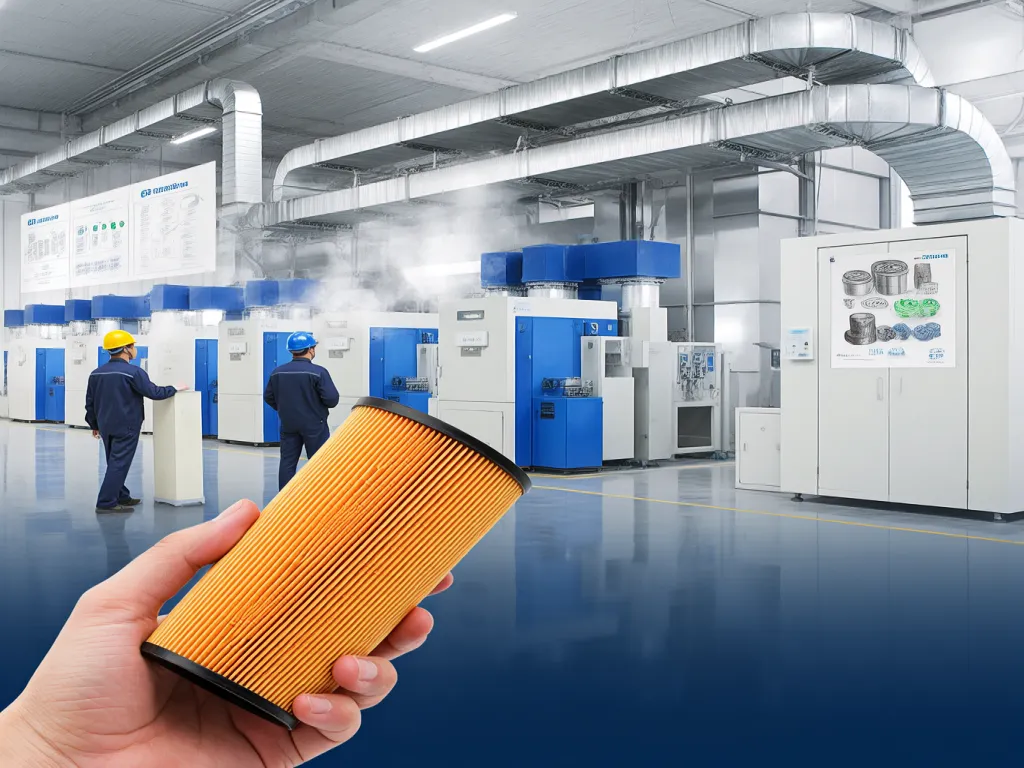
In industries where dust is more than just a nuisance—it’s a hazard—the question of How to improve dust collection efficiency? isn’t just a query; it’s a necessity. Whether you’re in electronics, pharmaceuticals, or heavy manufacturing, the right dust collection system can mean the difference between a safe, productive workplace and a costly, health-compromising mess. But with so many options out there, how do you choose the best one for your needs? Let’s dive into the world of industrial filters and uncover the secrets to maximizing dust collection efficiency.
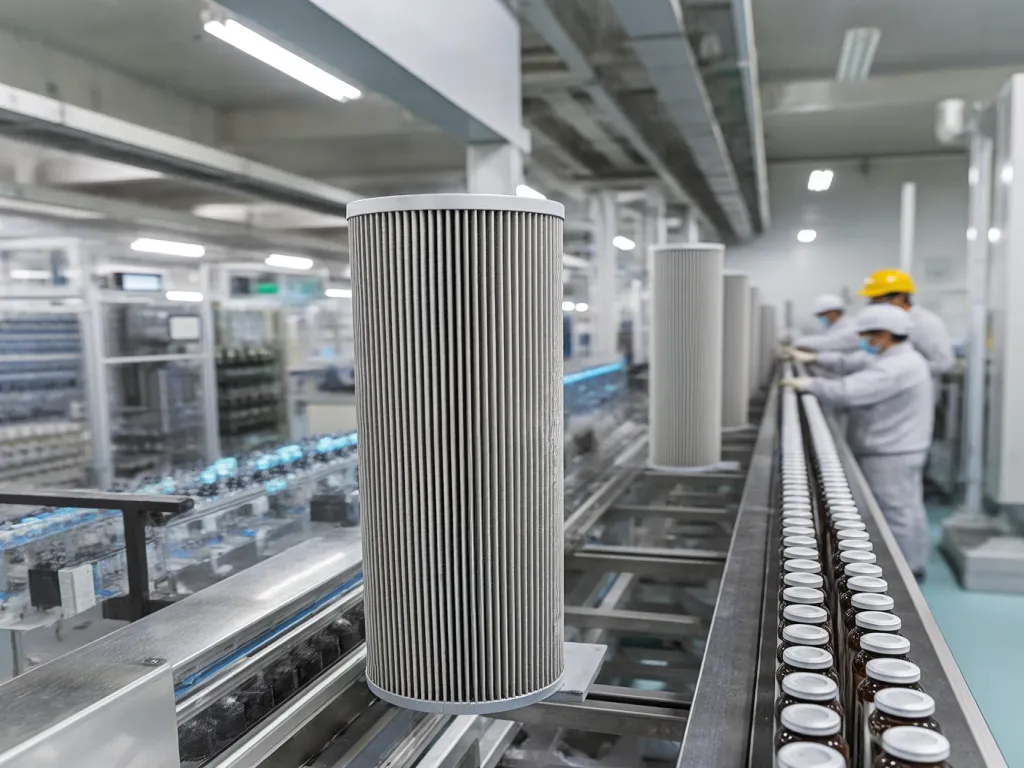
Cartridge Filter Equipment: How It Works, Advantages, and Industry Applications
When it comes to improving dust collection efficiency, cartridge filter equipment stands out as a top – notch solution. But how exactly does it work? Let’s dive into the inner workings of these remarkable devices. At the heart of a cartridge filter is, as the name suggests, the cartridge. These cartridges are typically made of a pleated filter media. When contaminated air enters the filter housing, the dust – laden air is forced through the pleated filter media. The pleats increase the surface area of the filter, allowing for more efficient dust capture. As the air passes through, the dust particles get trapped on the surface of the filter media. This is due to a combination of mechanisms like inertial impaction, where larger particles can’t follow the air stream’s curve and hit the filter surface, and diffusion, which is more effective for smaller particles. Over time, a layer of dust builds up on the filter surface, known as a dust cake. Interestingly, this dust cake can actually enhance the filtration process by acting as an additional filter layer for even finer particles.
One of the most significant advantages of cartridge filter equipment is its ability to handle fine dust particles. In industries where the dust generated is extremely small, like in the electronics and pharmaceutical sectors, traditional filter methods might struggle. But cartridge filters, with their high – surface – area pleated design, can capture these minuscule particles with great efficiency. For example, in an electronics manufacturing plant, tiny metal shavings and other fine dust are produced during the production of circuit boards. A cartridge filter can effectively remove these particles from the air, ensuring a clean working environment and preventing damage to sensitive electronic components.
Another major plus of cartridge filter equipment is its space – saving design. Compared to some other types of dust collection systems, cartridge filters have a relatively compact footprint. This is especially crucial in industries where floor space is at a premium, such as in small – scale pharmaceutical laboratories or crowded electronics assembly lines. The compact design doesn’t compromise on performance, though. It still offers high – efficiency dust collection while occupying less space.
Let’s look at some real – world industry applications. In the electronics industry, as mentioned earlier, the production of various components generates fine dust. A leading electronics manufacturer in Asia installed cartridge filter equipment in their production facility. They noticed a significant improvement in air quality within the plant. The fine dust that was previously floating in the air, which could have contaminated the electronic parts and affected the production process, was now effectively captured by the cartridge filters. This led to a reduction in product defects and an increase in overall production efficiency.
In the pharmaceutical industry, maintaining a sterile and dust – free environment is of utmost importance. A well – known pharmaceutical company in Europe adopted cartridge filter systems in their drug manufacturing areas. The filters were able to capture not only the dust but also any potential airborne contaminants. This ensured that the drugs were produced in a clean and safe environment, meeting strict regulatory standards. The compact design of the cartridge filters also allowed the company to optimize their production layout without sacrificing dust collection performance.
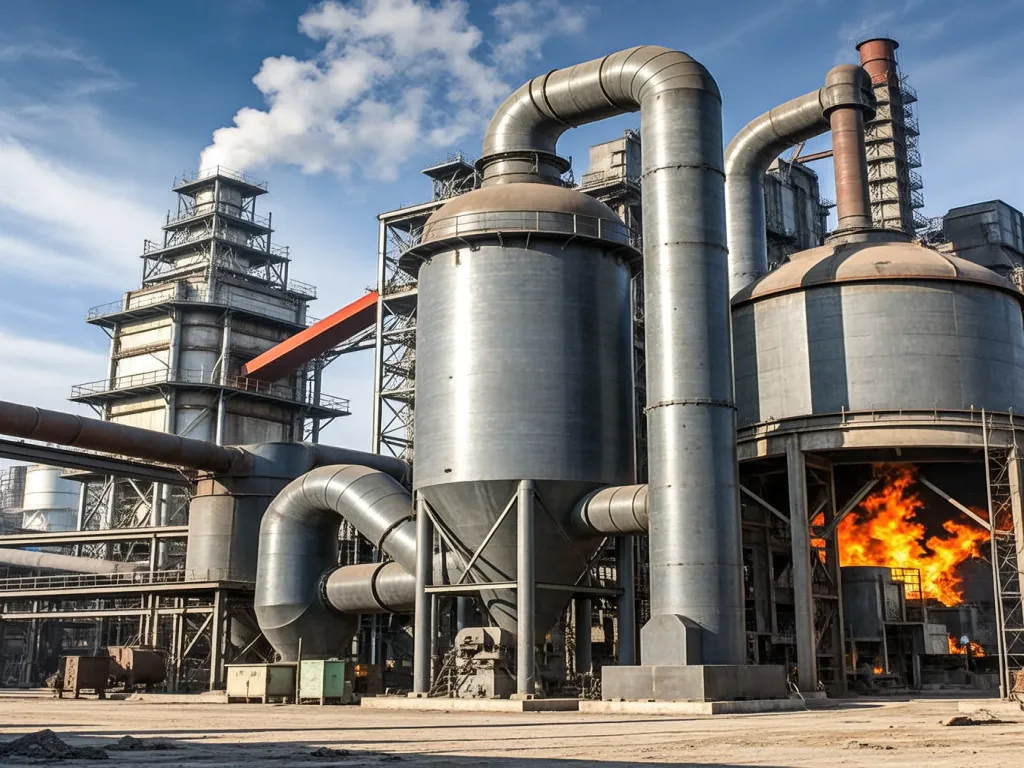
Bag-Type Filtration Equipment: How It Enhances Dust Collection Efficiency
When it comes to industrial dust collection, bag-type filtration equipment stands out as a reliable and efficient solution. But how exactly does it work, and what makes it so effective, especially in industries dealing with massive amounts of dust and high temperatures? Let’s dive in and explore the fascinating world of bag-type filters. At the heart of bag-type filtration equipment lies the filter bag itself. These bags, typically made from specialized fabrics like polyester, polypropylene, or even aramid fibers for high-temperature applications, act as the primary filtration medium. As dust-laden air enters the equipment, it passes through these filter bags. The bags trap the dust particles on their surface, allowing only clean air to pass through. Over time, a layer of dust builds up on the bags, forming what’s known as a ‘dust cake.’ This dust cake actually enhances the filtration efficiency, as it captures even finer particles that might otherwise slip through. Now, let’s talk about what sets bag-type filters apart when it comes to handling large volumes of dust and high temperatures. Firstly, their ability to manage high dust loads is unparalleled. The large surface area of the filter bags means they can accommodate a significant amount of dust before needing to be cleaned or replaced. This makes them ideal for industries like steel and cement, where dust production is constant and substantial. In steel plants, for example, the blast furnace process generates a tremendous amount of dust and fumes. Bag-type filters are deployed to capture these emissions, ensuring that the air released back into the environment is clean and safe. The filters can handle the high dust concentrations without clogging, maintaining optimal airflow and filtration efficiency throughout the process. Similarly, in cement production, the raw material grinding and clinker burning stages produce vast quantities of dust. Bag-type filters are again the go-to choice, effectively capturing the dust and preventing it from escaping into the atmosphere. Their robust design and durable materials ensure they can withstand the abrasive nature of cement dust, providing long-lasting performance. But what about high temperatures? This is where bag-type filters truly shine. Many industrial processes generate heat, and the dust produced can be extremely hot. Traditional filters might melt or degrade under such conditions, but bag-type filters are designed to handle the heat. Specialized filter bags made from high-temperature-resistant materials like aramid fibers can withstand temperatures up to 260°C (500°F) or even higher. This makes them perfect for applications like incinerators, where the flue gas temperature can be extremely high. The filters capture the dust particles while allowing the hot gases to pass through, ensuring that the emissions meet environmental standards without compromising the equipment’s integrity. In addition to their high dust load and temperature resistance, bag-type filters offer another significant advantage: flexibility. They can be customized to suit specific industrial needs, whether it’s adjusting the filter bag size, shape, or material to match the dust characteristics and process conditions. This adaptability ensures that bag-type filters can be integrated into various industrial setups, providing efficient dust collection solutions across the board. So, if you’re looking for a dust collection solution that can handle large volumes of dust, withstand high temperatures, and offer flexibility in design and application, bag-type filtration equipment is definitely worth considering. Its proven track record in industries like steel and cement speaks volumes about its effectiveness and reliability. But don’t just take our word for it. Let’s look at some real-world success stories to see how bag-type filters have made a difference in these industries.
Success Stories in the Steel Industry
In a large steel plant in China, the blast furnace gas cleaning system was upgraded with bag-type filters. Prior to the upgrade, the plant was struggling with high dust emissions, which not only affected the environment but also led to frequent maintenance issues with the existing filtration equipment. After installing the bag-type filters, the dust emissions dropped significantly, meeting the stringent environmental standards. The filters also proved to be highly durable, withstanding the abrasive nature of the blast furnace dust and requiring minimal maintenance. This resulted in substantial cost savings for the plant, both in terms of reduced emissions and lower maintenance costs.
Cement Industry Applications
A cement manufacturing facility in India faced similar challenges with dust emissions from its raw material grinding and clinker burning processes. The plant decided to invest in bag-type filters to improve its dust collection efficiency. The results were impressive. The filters captured over 99% of the dust particles, ensuring that the air released back into the environment was clean and safe. The plant also reported a significant reduction in maintenance costs, as the bag-type filters required less frequent cleaning and replacement compared to the previous filtration system. This not only improved the plant’s operational efficiency but also enhanced its reputation as an environmentally responsible manufacturer.
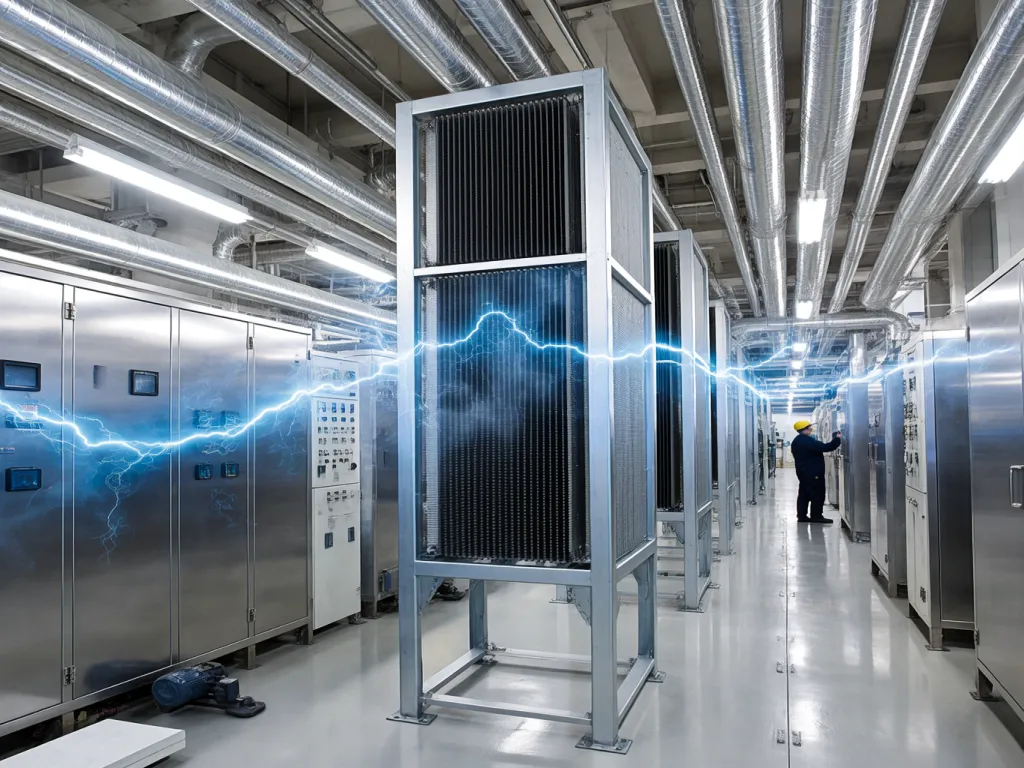
Electrostatic Filtration Equipment: How It Works and Its Advantages
When it comes to enhancing dust collection efficiency, electrostatic filtration equipment stands out as a game-changer. But how exactly does it work, and why should you consider it for your industrial setup? Let’s dive into the fascinating world of electrostatic filtration and uncover its secrets. Electrostatic filtration operates on a simple yet highly effective principle: electrostatic attraction. Imagine tiny dust particles floating in the air, seemingly harmless but potentially hazardous to both human health and industrial processes. These particles carry an electric charge, either positive or negative. Electrostatic filters, on the other hand, are designed with electrodes that generate a strong electric field. When the charged dust particles pass through this field, they are attracted to the oppositely charged electrodes, much like a magnet pulling metal filings. This process ensures that even the smallest and most elusive dust particles are captured, leaving the air clean and free from contaminants. One of the most significant advantages of electrostatic filtration equipment is its ability to handle low-concentration dust scenarios with ease. Traditional filtration methods may struggle to capture dust particles at low concentrations, leading to inefficiencies and potential health risks. Electrostatic filters, however, excel in such environments. Their high capture efficiency ensures that even minute amounts of dust are effectively removed, making them ideal for applications where maintaining a pristine environment is crucial. But the benefits don’t stop there. Electrostatic filtration equipment is also renowned for its energy-saving capabilities. Unlike traditional filters that require constant replacement and maintenance, electrostatic filters are designed for long-term use. Their self-cleaning mechanism, which involves periodically shaking or washing the electrodes to remove accumulated dust, reduces the need for frequent filter changes. This not only saves on operational costs but also minimizes downtime, ensuring that your industrial processes run smoothly and efficiently. Now, let’s talk about the industries where electrostatic filtration equipment truly shines. The chemical industry, with its complex and often hazardous processes, demands a filtration solution that can handle a wide range of contaminants. Electrostatic filters are up to the task, providing reliable and efficient dust collection even in the most challenging environments. Their ability to capture both solid and liquid particles makes them a versatile choice for chemical plants, where various types of pollutants may be present. Similarly, the food industry places a high premium on cleanliness and hygiene. Electrostatic filtration equipment offers a perfect solution for food processing facilities, where dust and other contaminants can compromise product quality and safety. By effectively removing dust particles from the air, electrostatic filters help maintain a sterile environment, ensuring that food products meet the highest standards of quality and safety. Have you ever wondered how electrostatic filtration equipment performs in real-world scenarios? Let’s take a look at a couple of industry case studies. In a chemical plant, electrostatic filters were installed to handle the emissions from various production processes. The results were impressive: a significant reduction in dust levels, improved air quality, and a notable decrease in energy consumption. The plant reported a return on investment within just a few years, thanks to the reduced maintenance costs and increased operational efficiency. In another example, a food processing facility implemented electrostatic filtration to address dust issues in its packaging area. The filters not only improved the air quality but also enhanced the overall working environment for employees. The result? Increased productivity, reduced sick days, and a boost in employee morale. As you can see, electrostatic filtration equipment offers a host of advantages that make it an attractive choice for industries looking to enhance their dust collection efficiency. Its ability to handle low-concentration dust, save energy, and perform well in various industries makes it a versatile and reliable solution. So, if you’re looking for a filtration system that can deliver results, electrostatic filtration is definitely worth considering.
How Electrostatic Filtration Works in Detail
To truly appreciate the effectiveness of electrostatic filtration, it’s essential to understand how the process works in detail. The core of electrostatic filtration lies in the generation of an electric field within the filter. This field is created by a series of electrodes, typically made of metal, that are charged with either a positive or negative voltage. When air containing dust particles passes through the filter, the particles become charged due to friction or other mechanisms. These charged particles are then attracted to the oppositely charged electrodes, where they are captured and held in place. Over time, the accumulated dust on the electrodes can be removed through a self-cleaning mechanism, such as shaking or washing, ensuring that the filter continues to operate efficiently. This continuous process of charging, attracting, and removing dust particles ensures that the air leaving the filter is clean and free from contaminants.
Advantages of Electrostatic Filtration in Low-Concentration Dust Scenarios
One of the key challenges in dust collection is dealing with low-concentration dust scenarios. Traditional filtration methods may struggle to capture dust particles at low concentrations, leading to inefficiencies and potential health risks. Electrostatic filtration, however, excels in such environments. Its high capture efficiency ensures that even minute amounts of dust are effectively removed, making it ideal for applications where maintaining a pristine environment is crucial. This is particularly important in industries such as pharmaceuticals and electronics, where even the smallest dust particles can compromise product quality and safety. By using electrostatic filtration, these industries can ensure that their production processes are not affected by dust contamination, leading to higher-quality products and increased customer satisfaction.
Energy-Saving Capabilities of Electrostatic Filtration Equipment
In today’s world, where energy efficiency is a top priority, electrostatic filtration equipment offers a significant advantage. Unlike traditional filters that require constant replacement and maintenance, electrostatic filters are designed for long-term use. Their self-cleaning mechanism reduces the need for frequent filter changes, saving on operational costs and minimizing downtime. Additionally, electrostatic filters operate at lower pressure drops compared to traditional filters, which means that less energy is required to move air through the filter. This results in lower energy consumption and reduced operating costs, making electrostatic filtration a cost-effective solution for industries looking to improve their energy efficiency.
When it comes to How to improve dust collection efficiency?, there’s no one-size-fits-all answer. Each industrial filter—be it cartridge, bag, or electrostatic—has its strengths and ideal applications. By considering factors like dust particle size, volume, and environmental conditions, you can select the filter that best aligns with your needs. Remember, the goal isn’t just to collect dust; it’s to do so efficiently, cost-effectively, and safely. Ready to take your dust collection game to the next level? Explore our range of industrial filters and consult with our experts to find your perfect match. And if you’ve found this guide helpful, why not share it with your network? After all, clean air is a team effort!