
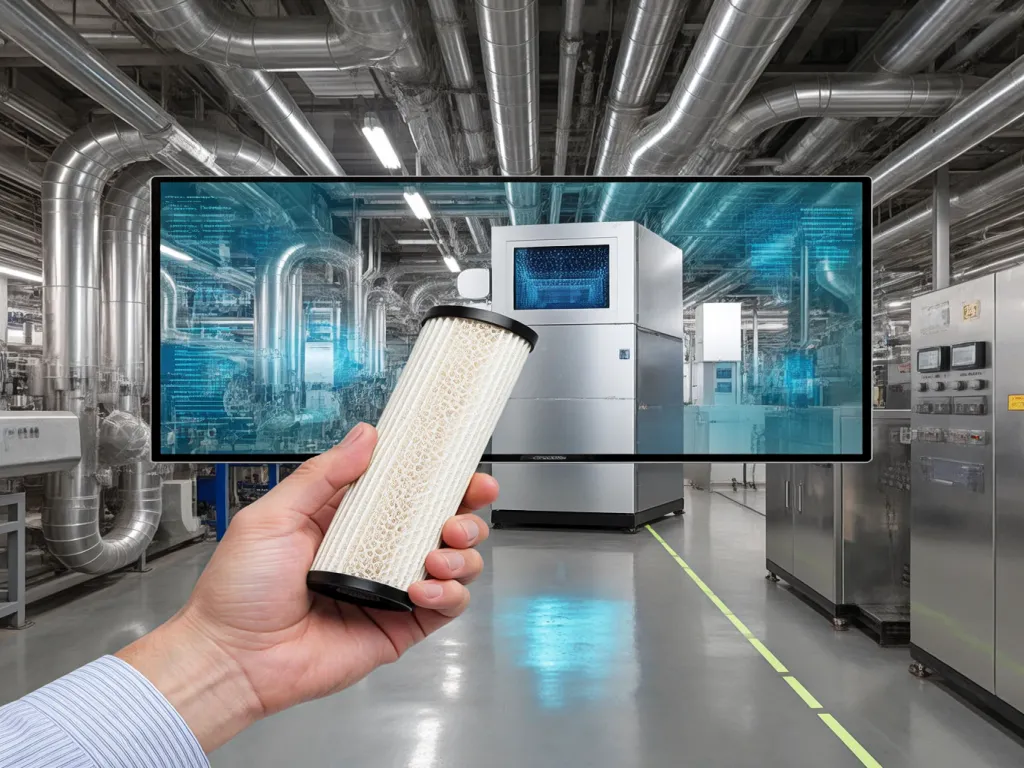
In industrial filtration, ensuring your dust collector operates at peak efficiency isn’t just about compliance—it’s about protecting equipment, workers, and the environment. But have you ever wondered, ‘What affects dust collector filtration efficiency?’ This question isn’t just academic; it’s the cornerstone of optimizing your system’s performance. From material properties to operational tweaks, we’ll dive deep into the factors that make or break your filtration game. Ready to uncover the secrets?
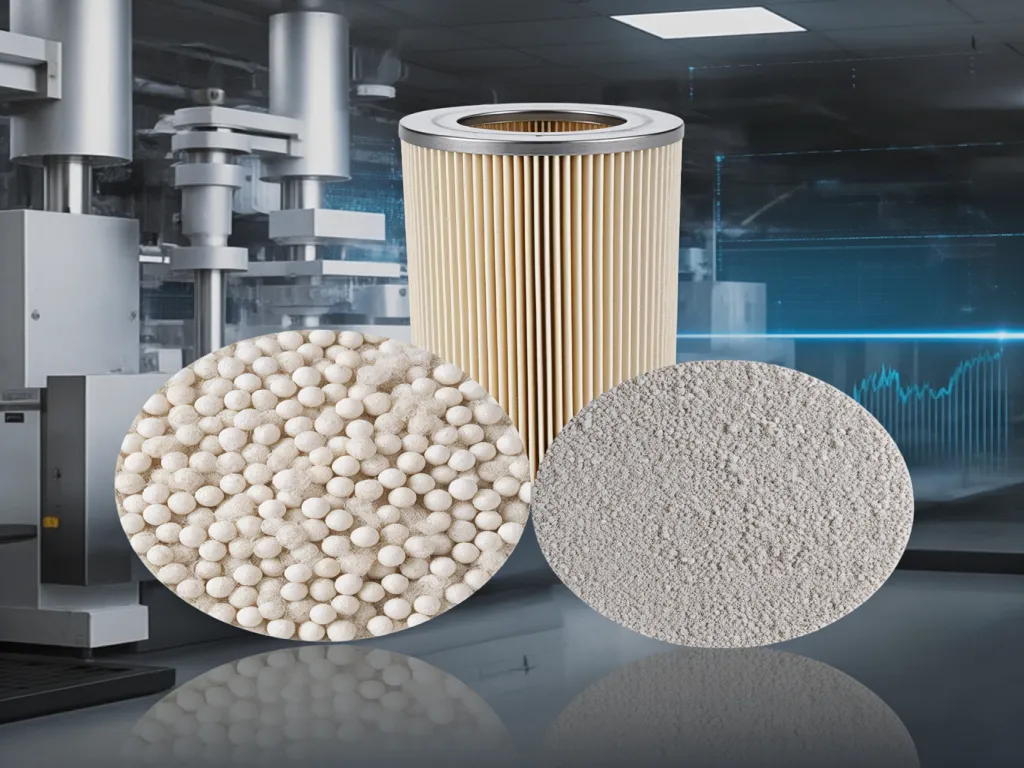
Material Properties and Their Impact on Filtration Efficiency
When it comes to dust collector filtration efficiency, the material properties of the filter media play a pivotal role. You might wonder, ‘What exactly makes one filter material better than another?’ Well, it boils down to several key factors: the type of filter material, the diameter of the fibers, and the porosity of the media. Let’s dive into each of these aspects to understand how they influence filtration efficiency and how you can choose the right filter media for your specific industrial conditions. First, let’s talk about filter material types. The market offers a variety of filter materials, each with its unique characteristics. Polyester, for instance, is known for its excellent resistance to chemicals and abrasion, making it a popular choice in industries where the dust contains corrosive substances. On the other hand, fiberglass filters are praised for their high-temperature resistance and low cost, although they may not be as durable as polyester in certain harsh environments. Then there’s PTFE (Polytetrafluoroethylene), a material that stands out for its exceptional chemical inertness and low friction coefficient, ideal for filtering sticky or oily dust particles. But how do these materials affect filtration efficiency? Well, the answer lies in their ability to capture and retain dust particles. A material with good particle adhesion properties will naturally have higher filtration efficiency, as it can effectively trap even the smallest particles. Next up is fiber diameter. Have you ever considered how the thickness of the fibers in your filter media impacts its performance? It turns out, fiber diameter is a critical factor in determining filtration efficiency. Generally, filters with finer fibers have a larger surface area, which means more opportunities for dust particles to collide and adhere to the fibers. This results in higher filtration efficiency, especially for fine particles. However, finer fibers also mean increased resistance to airflow, which can lead to higher energy consumption and pressure drop across the filter. So, it’s a trade-off between filtration efficiency and operational cost. Now, let’s discuss porosity. Porosity refers to the percentage of void space in the filter media. A higher porosity means more open space for air to pass through, which can reduce pressure drop and energy consumption. But here’s the catch: high porosity can also lead to lower filtration efficiency if the dust particles can easily pass through the large pores without being captured. Therefore, choosing the right porosity is crucial. You need to strike a balance between allowing sufficient airflow and ensuring effective dust capture. So, how do you choose the right filter media for your specific industrial conditions? The key is to consider the nature of the dust you’re dealing with. Is it fine or coarse? Is it sticky or oily? Does it contain corrosive substances? Once you have a clear understanding of the dust properties, you can select a filter material that offers the best combination of chemical resistance, temperature tolerance, and particle adhesion. For instance, if you’re dealing with fine, sticky dust in a high-temperature environment, a PTFE filter might be your best bet. On the other hand, if you’re filtering coarse dust in a relatively clean environment, a polyester or fiberglass filter could suffice. In addition to material properties, you should also consider the operational parameters of your dust collector, such as filtration velocity and cleaning cycle. These factors can influence the performance of your filter media and should be optimized in conjunction with your material selection. By understanding the impact of material properties on filtration efficiency and considering your specific industrial conditions, you can make informed decisions when selecting filter media for your dust collector. This will not only improve filtration efficiency but also extend the lifespan of your filters, reduce maintenance costs, and create a cleaner working environment for your employees.
Filter Material Types and Their Characteristics
The market offers a variety of filter materials, each with its unique characteristics. Polyester is known for its excellent resistance to chemicals and abrasion, making it suitable for industries dealing with corrosive dust. Fiberglass filters, on the other hand, are praised for their high-temperature resistance and low cost, although they may lack durability in certain harsh environments. PTFE stands out for its exceptional chemical inertness and low friction coefficient, ideal for filtering sticky or oily dust particles. Each material’s ability to capture and retain dust particles directly impacts filtration efficiency.
The Role of Fiber Diameter in Filtration Efficiency
Fiber diameter is a critical factor in determining filtration efficiency. Filters with finer fibers have a larger surface area, providing more opportunities for dust particles to collide and adhere to the fibers, resulting in higher filtration efficiency, especially for fine particles. However, finer fibers also increase resistance to airflow, leading to higher energy consumption and pressure drop across the filter. Thus, a balance must be struck between filtration efficiency and operational cost.
Porosity and Its Influence on Filtration Performance
Porosity refers to the percentage of void space in the filter media. A higher porosity allows more air to pass through, reducing pressure drop and energy consumption. But it can also lead to lower filtration efficiency if dust particles can easily pass through the large pores without being captured. Therefore, choosing the right porosity is crucial, requiring a balance between allowing sufficient airflow and ensuring effective dust capture.
Selecting the Right Filter Media for Your Conditions
Choosing the right filter media involves considering the nature of the dust you’re dealing with. Is it fine or coarse? Sticky or oily? Does it contain corrosive substances? Once you understand the dust properties, you can select a filter material that offers the best combination of chemical resistance, temperature tolerance, and particle adhesion. For example, PTFE is ideal for fine, sticky dust in high-temperature environments, while polyester or fiberglass may suffice for coarse dust in cleaner environments. Operational parameters like filtration velocity and cleaning cycle should also be considered and optimized alongside material selection.
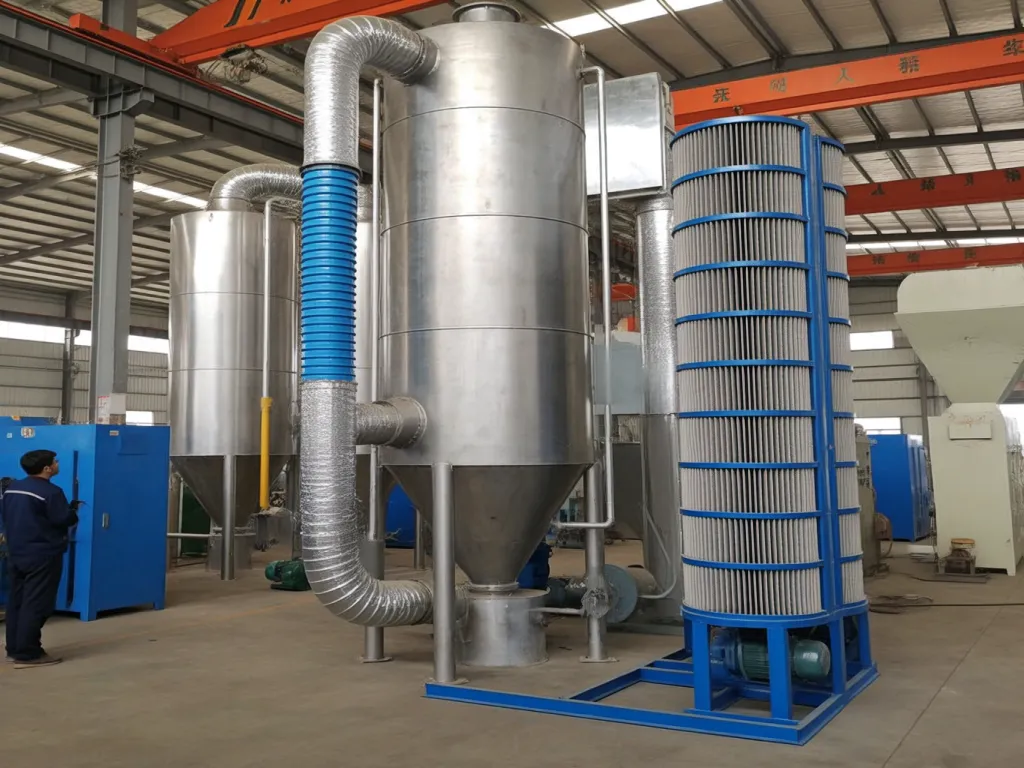
Dust Collector Design Factors: How Structure, Airflow, and Cleaning Methods Impact Filtration Efficiency
When it comes to optimizing dust collector filtration efficiency, design factors play a pivotal role. It’s not just about having a dust collector; it’s about having one that’s designed right for your specific needs. Let’s dive into the key design elements that influence how well your dust collector performs and how you can tweak them for better results. First up, let’s talk about the structure of the dust collector. The physical layout and shape of the collector can significantly affect how air moves through it and how dust is captured. A well-designed structure ensures that air flows smoothly, minimizing turbulence and pressure drops. This means that dust particles have a better chance of being caught by the filters rather than being carried away by the airflow. For instance, a dust collector with a cylindrical shape and a conical bottom tends to perform better in terms of dust settling and collection efficiency compared to a flat-bottomed design. The conical bottom allows dust to accumulate and settle more easily, reducing the chances of it being re-entrained into the airflow. Next, let’s consider airflow distribution. This is all about how evenly the air is distributed across the filters. Uneven airflow can lead to some filters being overloaded while others remain underutilized. This not only reduces the overall filtration efficiency but also shortens the lifespan of the filters. To achieve optimal airflow distribution, you might need to incorporate features like flow straighteners or diffusers at the inlet of the dust collector. These components help to evenly distribute the air, ensuring that each filter receives an equal share of the workload. Additionally, using multiple inlets or outlets can also help in balancing the airflow and improving filtration efficiency. Now, onto the cleaning methods. The way a dust collector cleans its filters can have a huge impact on its filtration efficiency. There are several cleaning methods out there, including mechanical shaking, reverse air, and pulse jet cleaning. Each method has its pros and cons, and choosing the right one depends on your specific application and dust characteristics. For example, pulse jet cleaning is highly effective for removing stubborn dust particles from filters. It uses short bursts of compressed air to dislodge the dust, ensuring that the filters remain clean and efficient. For a more in-depth understanding of pulse jet cleaning and its benefits, you may refer to this high-efficiency industrial cyclone separator which utilizes this method. On the other hand, mechanical shaking might be more suitable for applications where the dust is relatively loose and easy to remove. It’s a simpler and less expensive method, but it might not be as effective for heavy-duty applications. So, how can you optimize these design factors to boost your dust collector’s filtration efficiency? Well, it starts with understanding your specific needs and the characteristics of the dust you’re dealing with. Once you have that information, you can start tweaking the design elements to match your requirements. For instance, if you’re dealing with fine dust particles, you might want to opt for a dust collector with a more efficient airflow distribution system and a pulse jet cleaning method. This combination will ensure that the dust is captured effectively and the filters remain clean for longer periods. On the other hand, if you’re dealing with coarse dust, a simpler design with mechanical shaking might suffice. In addition to these design factors, it’s also important to consider the overall maintenance and operation of the dust collector. Regular maintenance, such as replacing worn-out filters and cleaning the collector’s interior, can significantly improve its filtration efficiency. Similarly, operating the collector at the right speed and pressure can also make a big difference. By paying attention to these design factors and optimizing them for your specific needs, you can ensure that your dust collector operates at peak efficiency, providing you with cleaner air and a healthier work environment.
Optimizing Dust Collector Structure for Better Efficiency
The structure of a dust collector is more than just a container for filters; it’s a carefully engineered system designed to maximize dust capture and minimize air resistance. As mentioned earlier, a cylindrical shape with a conical bottom is often preferred for its superior dust settling capabilities. But that’s not all. The internal layout, including the placement of baffles or deflectors, can also influence how air moves through the collector. By strategically placing these components, you can guide the airflow in a way that ensures maximum contact with the filters, thereby improving filtration efficiency. Additionally, the size and shape of the collector’s inlet and outlet can also affect its performance. A larger inlet might be necessary for applications with high dust loads, while a smaller outlet can help maintain the required airflow velocity for effective filtration.
Achieving Balanced Airflow Distribution
Balanced airflow distribution is crucial for ensuring that each filter in your dust collector is working at its best. Uneven airflow can lead to hot spots where filters are overloaded, reducing their lifespan and efficiency. To achieve balanced airflow, you might need to experiment with different inlet designs, such as using multiple inlets or incorporating flow straighteners. Flow straighteners are devices that help to align the airflow, reducing turbulence and ensuring that it enters the collector in a more uniform manner. Additionally, using diffusers at the outlet can also help in distributing the air evenly across the filters. By paying attention to these details, you can ensure that your dust collector operates at peak efficiency, providing you with cleaner air and a more reliable performance.
Choosing the Right Cleaning Method
The cleaning method you choose for your dust collector can have a significant impact on its filtration efficiency and overall performance. As mentioned earlier, pulse jet cleaning is highly effective for removing stubborn dust particles, but it might not be necessary for all applications. Mechanical shaking, on the other hand, is a simpler and less expensive method that might be suitable for applications with loose dust. When choosing a cleaning method, consider factors such as the dust’s characteristics, the required filtration efficiency, and the overall cost of operation. Additionally, it’s also important to consider the maintenance requirements of each method. Pulse jet cleaning, for instance, requires compressed air and regular maintenance of the solenoid valves and diaphragms. Mechanical shaking, while simpler, might require more frequent filter replacements if the dust is particularly abrasive. By weighing these factors, you can choose the cleaning method that best suits your needs and ensures optimal filtration efficiency.
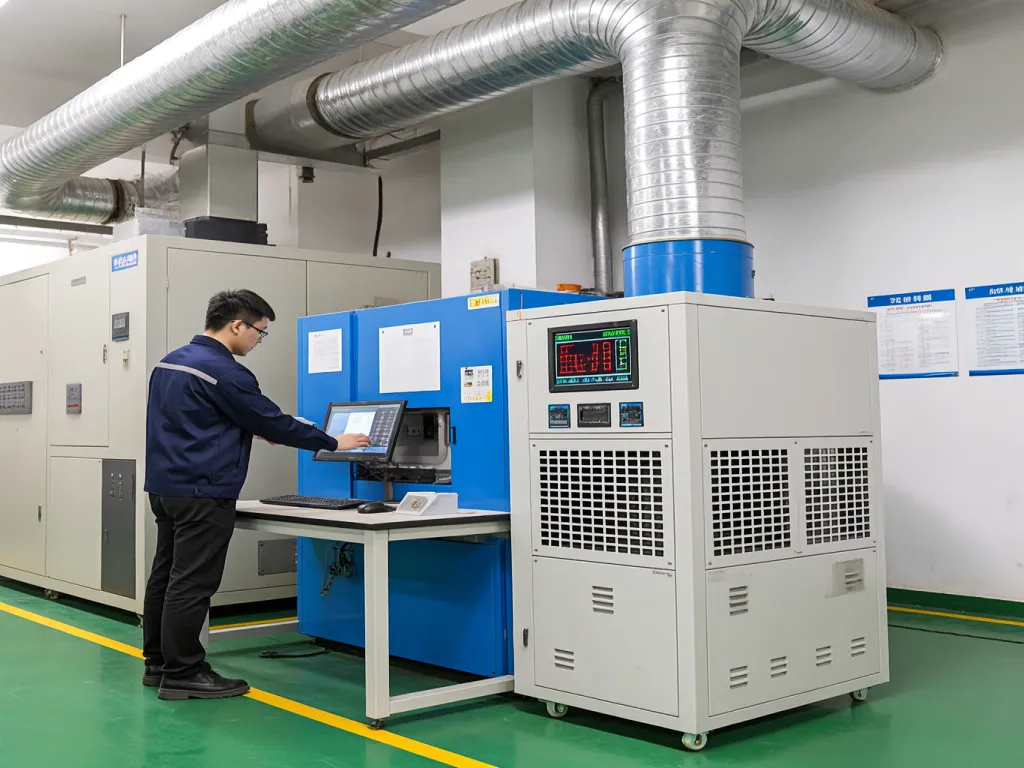
Operating Conditions and Parameters: How They Affect Dust Collector Filtration Efficiency
When it comes to optimizing the performance of your dust collector, understanding the interplay between operating conditions and parameters is crucial. These factors can significantly influence the filtration efficiency, and getting them right can mean the difference between a smoothly running system and one that’s constantly struggling. Let’s dive into the specifics of how dust characteristics, concentration, temperature, humidity, along with filtration velocity and cleaning cycle, impact your dust collector’s efficiency, and what you can do about it.First up, let’s talk about dust characteristics. Not all dust is created equal, and the physical properties of the dust you’re dealing with can have a profound effect on filtration. For instance, fine, sticky dust particles tend to cling to filter media more readily, potentially clogging pores and reducing airflow. On the other hand, larger, more abrasive particles can wear down filters faster, leading to premature failure. So, what can you do? Start by conducting a thorough dust analysis to understand its composition, size distribution, and stickiness. Armed with this information, you can select filter media that’s better suited to handle your specific dust type, whether it’s a high-efficiency synthetic for fine particles or a heavy-duty, abrasion-resistant material for coarse dust.Next, let’s consider dust concentration. High dust loads can overwhelm your dust collector, leading to reduced filtration efficiency and increased pressure drop across the filters. This not only affects the performance of your collector but can also put additional strain on your ventilation system, leading to higher energy costs. To mitigate this, you might need to adjust the air-to-cloth ratio, which is the volume of air passing through each square foot of filter media per minute. A lower air-to-cloth ratio can help manage high dust concentrations by providing more filter area for the dust to settle on, reducing the risk of clogging and improving overall efficiency.Temperature and humidity are two more critical factors that can’t be overlooked. Extreme temperatures, whether hot or cold, can affect the physical properties of both the dust and the filter media, potentially altering their behavior and impacting filtration efficiency. High humidity, in particular, can be problematic as it can cause dust particles to clump together, making them harder to filter out and increasing the risk of clogging. To combat these issues, consider using temperature-resistant filter media and implementing humidity control measures, such as pre-heating the air or using dehumidifiers, to maintain optimal operating conditions.Now, let’s shift our focus to the operational side of things: filtration velocity and cleaning cycle. Filtration velocity, or the speed at which air passes through the filters, is a key parameter that affects both filtration efficiency and pressure drop. Too high a velocity can lead to reduced filtration efficiency as dust particles may not have enough time to be captured by the filter media. Conversely, too low a velocity can result in inefficient use of the filter area and increased energy consumption. Finding the sweet spot requires balancing the need for high filtration efficiency with the desire to minimize pressure drop and energy use. This often involves conducting trials with different velocities to determine the optimal setting for your specific application.Finally, the cleaning cycle, or how often and how thoroughly your filters are cleaned, plays a vital role in maintaining filtration efficiency over time. Over-cleaning can damage filters and reduce their lifespan, while under-cleaning can lead to clogging and reduced airflow. The key is to find a cleaning cycle that strikes the right balance, ensuring that filters are cleaned just enough to maintain optimal performance without causing unnecessary wear and tear. This might involve adjusting the cleaning frequency, duration, or intensity based on the dust load, filter type, and operating conditions. For those seeking advanced solutions, exploring specialized industrial cyclones like the High Efficiency Industrial Cyclone Separator can provide superior powder separation and dust collection capabilities.In conclusion, optimizing the filtration efficiency of your dust collector requires a holistic approach that takes into account both the dust characteristics and operating parameters. By conducting a thorough analysis of your dust, adjusting the air-to-cloth ratio, controlling temperature and humidity, fine-tuning filtration velocity, and optimizing the cleaning cycle, you can significantly improve the performance and longevity of your dust collection system. So, don’t overlook these critical factors – they could be the key to unlocking the full potential of your dust collector.
Dust Characteristics and Their Impact
Fine, sticky dust particles tend to cling to filter media more readily, potentially clogging pores and reducing airflow. Larger, more abrasive particles can wear down filters faster, leading to premature failure. Conduct a thorough dust analysis to understand its composition, size distribution, and stickiness, and select filter media accordingly.
Dust Concentration and Air-to-Cloth Ratio
High dust loads can overwhelm your dust collector, leading to reduced filtration efficiency and increased pressure drop. Adjust the air-to-cloth ratio to manage high dust concentrations by providing more filter area for the dust to settle on, reducing the risk of clogging.
Temperature and Humidity Control
Extreme temperatures can affect the physical properties of dust and filter media, while high humidity can cause dust particles to clump together. Use temperature-resistant filter media and implement humidity control measures, such as pre-heating the air or using dehumidifiers, to maintain optimal conditions.
Filtration Velocity Optimization
Filtration velocity affects both filtration efficiency and pressure drop. Too high a velocity can reduce efficiency, while too low a velocity can increase energy consumption. Conduct trials to find the optimal velocity for your specific application.
Cleaning Cycle Adjustment
The cleaning cycle plays a vital role in maintaining filtration efficiency. Over-cleaning can damage filters, while under-cleaning can lead to clogging. Adjust the cleaning frequency, duration, or intensity based on dust load, filter type, and operating conditions to find the right balance.
Now you know—what affects dust collector filtration efficiency isn’t a mystery. It’s a blend of material science, engineering precision, and operational awareness. By selecting the right filters, refining your equipment design, and adjusting parameters like airflow and cleaning cycles, you’re not just improving efficiency; you’re future-proofing your operations. So, what’s your next move? Will you share this guide with your team or explore our product range to upgrade your system? The choice is yours, but one thing’s clear: cleaner air starts with smarter filtration.