
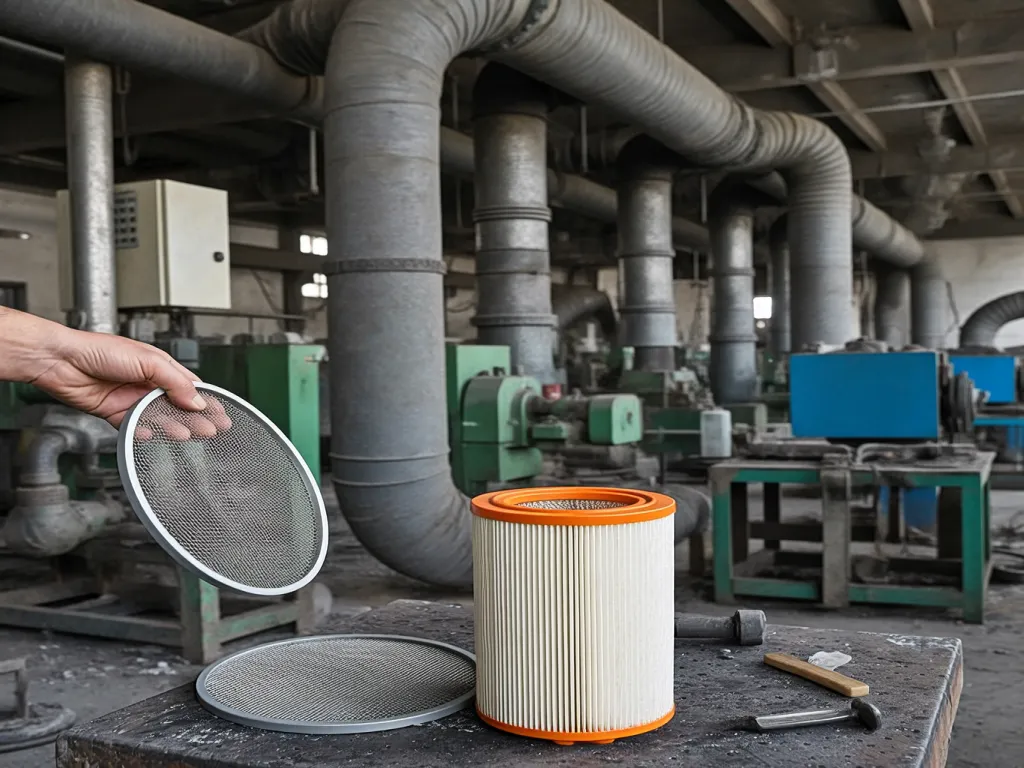
Ever wondered, ‘Why does my dust collector filter fail early?’ You’re not alone. Industrial environments are tough on filters, but premature failure isn’t inevitable. In this blog, we’ll dissect the common culprits behind early filter demise—from harsh environmental conditions to maintenance oversights. Ready to uncover the secrets to a longer-lasting filter? Let’s dive in.
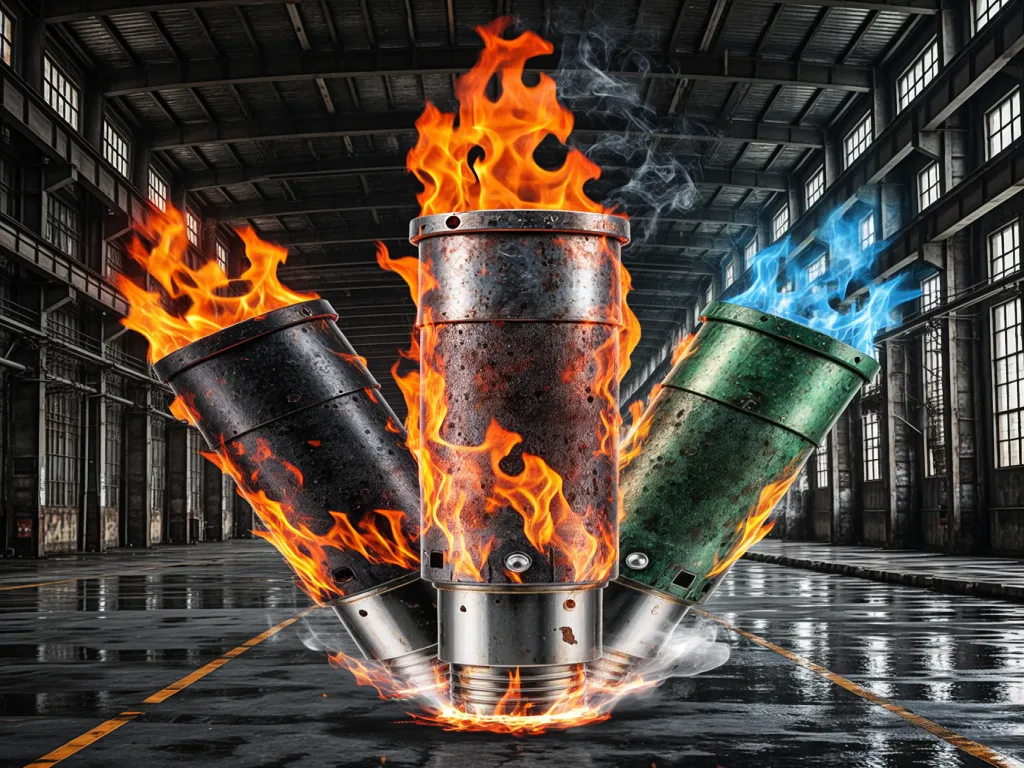
Environmental Factors Unveiled: How High Temperature, Humidity, and Corrosive Gases Impact Dust Collector Filter Lifespan
Have you ever wondered why your dust collector filter seems to give up the ghost way before its expected lifespan? It’s not just bad luck; environmental factors play a huge role. Let’s dive into how high temperature, high humidity, and corrosive gases can turn your filter’s life into a short – lived nightmare, and more importantly, how you can fight back with smart environmental control.
First up, high temperature. Imagine your filter as a runner in a marathon on a scorching summer day. Just like that runner, your filter struggles to perform optimally under extreme heat. High temperatures can cause the filter material to degrade faster. The synthetic fibers in many filters, for instance, can become brittle and lose their structural integrity. This means they’re less able to trap dust particles effectively, leading to a decline in performance and a shorter lifespan. It’s like trying to hold onto a slippery bar of soap; the harder the conditions, the more likely it is to slip away.
Now, let’s talk about high humidity. Humidity is like that unwanted guest at a party who just won’t leave. When the air is saturated with moisture, it can wreak havoc on your dust collector filter. Moisture can cause the dust particles to clump together, forming a sticky mass that clogs the filter pores. This not only reduces the airflow but also makes it harder for the filter to do its job of capturing fine dust. Moreover, prolonged exposure to high humidity can lead to the growth of mold and bacteria on the filter surface, further compromising its performance and potentially posing health risks.
And then there are corrosive gases. These are the silent killers in the industrial environment. Gases like sulfur dioxide, hydrogen sulfide, and chlorine can react with the filter material, causing chemical degradation. This reaction weakens the filter fibers, making them more prone to breakage and reducing their ability to filter out dust. It’s like a slow – acting poison that gradually eats away at the filter’s strength, leaving it vulnerable and ineffective.
So, how can you protect your dust collector filter from these environmental villains? The key lies in environmental control. For high – temperature environments, consider installing cooling systems or using filters specifically designed to withstand high temperatures. These specialized filters are made from materials that can handle the heat without degrading quickly.
When it comes to high humidity, investing in dehumidifiers can be a game – changer. By reducing the moisture content in the air, you can prevent dust clumping and mold growth, keeping your filter clean and efficient. Additionally, choosing filters with moisture – resistant coatings can provide an extra layer of protection.
For areas with corrosive gases, using filters with chemical – resistant materials is essential. These filters are designed to withstand the harsh chemical environment, ensuring they can continue to perform effectively over time. Regular monitoring of gas levels in the workplace can also help you take proactive measures, such as adjusting ventilation systems or using gas scrubbers to remove harmful gases before they reach the filter.
By understanding and controlling these environmental factors, you can significantly extend the lifespan of your dust collector filter. It’s not just about buying a high – quality filter; it’s about creating the right conditions for it to thrive. So, take a closer look at your industrial environment, identify the potential threats, and implement the necessary environmental control measures. Your dust collector filter will thank you with a longer, more productive life.
High Temperature: The Silent Killer of Filter Performance
High temperatures can be a real headache for dust collector filters. As the temperature rises, the filter material undergoes thermal stress. This stress can cause the fibers to expand and contract, leading to micro – cracks and weakening of the filter structure. Over time, these small damages accumulate, reducing the filter’s ability to capture dust particles. In extreme cases, the filter can even melt or burn, causing a complete failure. To combat this, look for filters with high – temperature resistance ratings and ensure proper ventilation in the area to dissipate heat.
High Humidity: A Sticky Situation for Filters
Humidity is a common problem in many industrial settings, especially those involving water – based processes or located in humid climates. When moisture combines with dust, it creates a sticky paste that clogs the filter pores. This not only restricts airflow but also increases the pressure drop across the filter, putting additional strain on the dust collection system. Regular cleaning and maintenance can help, but using filters with anti – clogging properties and installing dehumidifiers are more effective long – term solutions.
Corrosive Gases: Chemical Warfare on Filters
Corrosive gases are a major threat to the lifespan of dust collector filters. These gases can react with the filter material, causing chemical degradation and weakening of the fibers. The reaction can be immediate or gradual, depending on the concentration and type of gas. To protect your filters, it’s crucial to identify the corrosive gases present in your workplace and choose filters made from materials that are resistant to those specific chemicals. Regular gas monitoring and proper ventilation are also essential to minimize exposure.
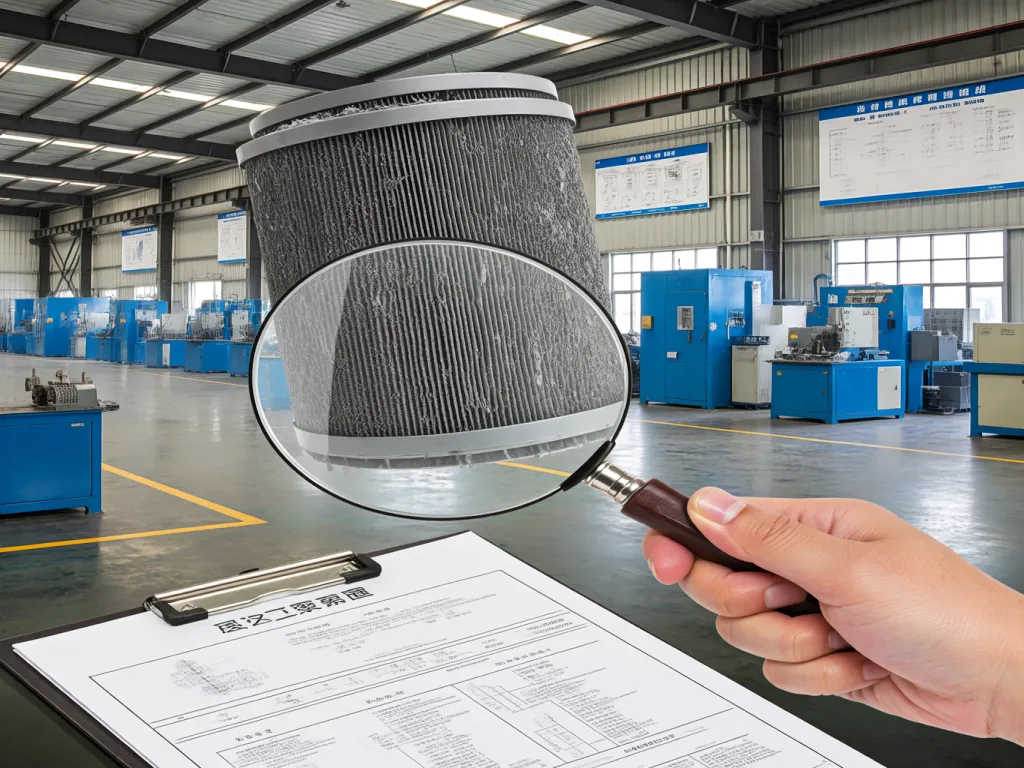
Operational and Maintenance Missteps: How Improper Handling Leads to Early Filter Failure
Ever wondered why your dust collector filter seems to give up the ghost way before its expected lifespan? You’re not alone. Many industrial operators face this perplexing issue, often attributing it to bad luck or subpar product quality. However, the root cause frequently lies in operational and maintenance missteps that, when corrected, can significantly prolong your filter’s life. Let’s dive into some common pitfalls and how to avoid them.
First off, one of the most prevalent mistakes is neglecting regular cleaning. Think of your filter like a sponge; it can only hold so much dirt before it becomes saturated and ineffective. When dust and debris accumulate beyond a certain point, the filter’s ability to capture new particles diminishes rapidly. This not only reduces airflow but also forces the dust collector to work harder, increasing wear and tear on the system. The solution? Implement a strict cleaning schedule. Depending on your operational environment, this could mean daily, weekly, or monthly cleanings. Use compressed air or a vacuum designed for industrial filters to gently remove built-up dust without damaging the filter media.
Next up, improper installation. Believe it or not, how you install your filter can make or break its performance. A filter that’s not seated correctly can lead to air bypass, where dust-laden air sneaks around the filter instead of passing through it. This not only defeats the purpose of having a filter but also accelerates its degradation as particles bombard it from unexpected angles. Always follow the manufacturer’s installation guidelines to the letter. If in doubt, consult with a professional or reach out to customer support for guidance. For those looking to upgrade their dust collection system, consider exploring advanced options like our high-efficiency industrial cyclone separator, which offers superior powder separation and dust collection solutions.
Another critical oversight is ignoring the manufacturer’s recommended replacement intervals. Filters, like any other consumable, have a finite lifespan. Continuing to use a filter past its prime is a recipe for disaster. Not only will it fail to capture particles efficiently, but it can also become a breeding ground for bacteria and other contaminants in humid environments. Keep a log of filter installations and replacements, and set reminders to ensure you’re swapping them out at the right time. It’s a small investment that pays off big in terms of system longevity and performance.
Let’s not forget about the impact of operational settings. Running your dust collector at higher speeds than necessary can accelerate filter wear. While it might seem like a good idea to crank up the suction to clear out dust faster, this can actually cause fine particles to penetrate deeper into the filter media, clogging it up prematurely. Find the sweet spot where your dust collector operates efficiently without putting undue stress on the filter. This might require some trial and error, but the payoff in terms of filter life and system performance is well worth it.
Lastly, don’t underestimate the importance of training your staff. Even with the best equipment and maintenance protocols in place, human error can still creep in. Ensure that everyone involved in operating and maintaining the dust collection system is properly trained on best practices. This includes understanding how to identify signs of filter distress, such as reduced airflow or increased noise levels, and knowing when to escalate issues to maintenance personnel.
In summary, avoiding early filter failure boils down to diligence in cleaning, proper installation, adhering to replacement schedules, optimizing operational settings, and investing in staff training. By addressing these common missteps, you can significantly extend the life of your dust collector filters, saving money and ensuring a cleaner, safer work environment.
The Cost of Neglect: Why Regular Cleaning Matters
Neglecting regular cleaning is like driving a car without ever changing the oil. Sooner or later, things are going to break down. For dust collector filters, the consequences of neglect are reduced efficiency, increased energy consumption, and ultimately, premature failure. Implementing a regular cleaning routine doesn’t just prolong the life of your filter; it also ensures optimal performance, keeping your workspace clean and your employees healthy.
Installation Woes: Getting It Right the First Time
Proper installation is the foundation of a long-lasting, efficient dust collection system. A misaligned or improperly seated filter can lead to a host of problems, from reduced airflow to complete system failure. Always double-check your work against the manufacturer’s instructions, and don’t hesitate to seek professional help if you’re unsure. A little extra effort during installation can save you a lot of headaches down the road.
Timing Is Everything: Replacement Intervals Explained
Knowing when to replace your filter is crucial. Wait too long, and you risk system damage and reduced air quality. Replace it too soon, and you’re throwing money away. Most manufacturers provide recommended replacement intervals based on typical usage patterns. However, these are just guidelines. Factors like operational environment, dust type, and system load can all influence how often you need to swap out your filter. Keep detailed records and adjust your schedule as needed.
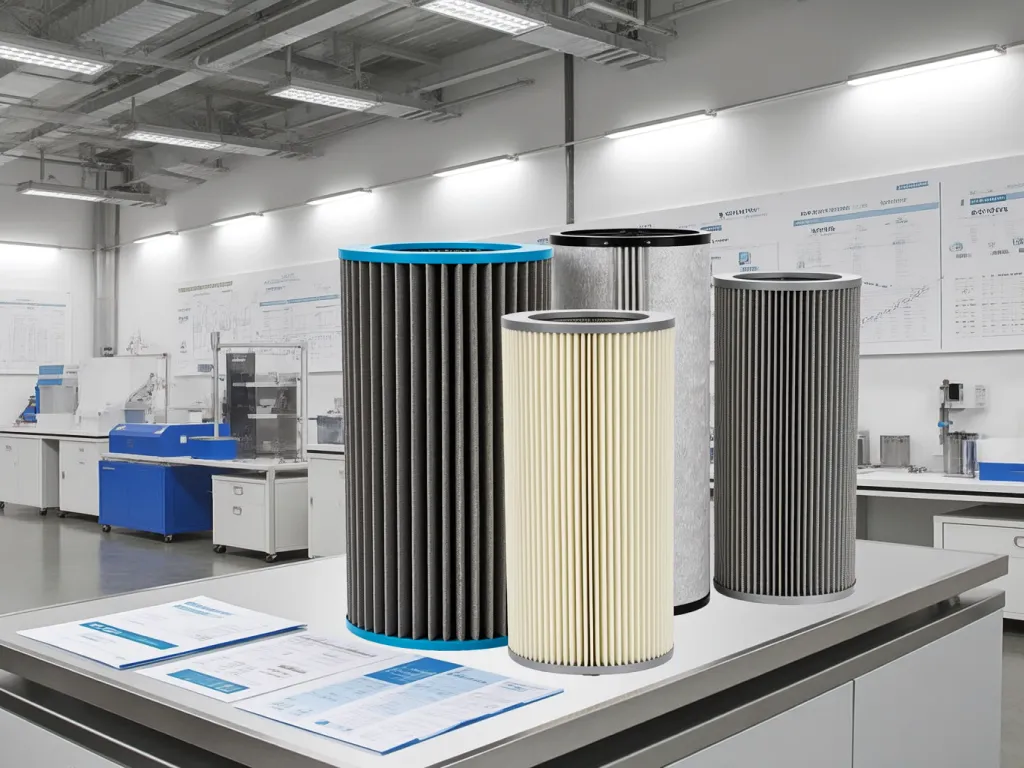
Filter Quality & Selection: Navigating the Maze of Brands and Types
When it comes to dust collector filters, the market is flooded with options, each claiming superiority over the other. But how do you, as an industrial filter user or procurement decision-maker, sift through the noise and find the filter that truly meets your needs? Let’s dive into the world of filter quality and selection, comparing different brands and types, and guiding you towards making an informed choice. First off, it’s crucial to understand that not all filters are created equal. The performance of a dust collector filter hinges on several factors, including the material it’s made from, its design, and the manufacturing process. For instance, some filters boast a higher filtration efficiency, capturing finer particles and ensuring cleaner air output. Others might prioritize durability, withstanding harsh environments and frequent cleanings without compromising performance. When comparing brands, consider their reputation in the industry. Do they have a history of producing reliable, high-quality filters? Are there customer reviews or testimonials that speak to their products’ longevity and effectiveness? Don’t just rely on marketing claims; dig deeper to uncover real-world experiences. Now, let’s talk about filter types. The most common ones include pleated filters, bag filters, and cartridge filters. Pleated filters, with their accordion-like design, offer a large surface area for filtration, making them efficient at capturing dust. They’re also relatively easy to clean and replace. For applications requiring heavy-duty dust separation, consider exploring options like the High-Efficiency Industrial Cyclone Separator, which complements traditional filtration systems. Bag filters, on the other hand, are known for their high dust-holding capacity, making them ideal for applications with heavy dust loads. However, they might require more frequent replacements. Cartridge filters strike a balance between the two, offering good filtration efficiency and durability. But how do you choose the right one for your needs? Start by assessing your operational environment. If you’re dealing with high temperatures or corrosive gases, you’ll need a filter that can withstand these conditions. Look for filters made from materials like polyester, fiberglass, or PTFE, which offer excellent resistance to heat and chemicals. For environments where static electricity poses a risk, consider filters like the Anti-Static Industrial Pulse Jet Baghouse, designed to prevent sparking and enhance safety. Next, consider the dust characteristics. Fine, sticky dust requires a filter with a higher filtration efficiency and possibly a pre-coating or pulse-cleaning system to prevent clogging. Coarse dust, on the other hand, might not demand such sophisticated filtration. Don’t forget about the airflow requirements. A filter that’s too restrictive can hamper the performance of your dust collector, leading to increased energy consumption and reduced efficiency. On the flip side, a filter that’s too permeable might not capture all the dust, compromising air quality. Finally, think about the cost. While it’s tempting to go for the cheapest option, remember that a high-quality filter can save you money in the long run by reducing downtime, maintenance costs, and even health risks associated with poor air quality. So, invest wisely, and choose a filter that offers the best balance between performance, durability, and cost-effectiveness.
Material Matters: Choosing the Right Fabric
The material of your dust collector filter plays a pivotal role in its performance and lifespan. Polyester filters, for instance, are known for their excellent moisture resistance and durability, making them suitable for a wide range of applications. Fiberglass filters, on the other hand, offer high temperature resistance and are ideal for environments with extreme heat. PTFE filters, with their non-stick properties, are perfect for handling sticky or oily dust. When selecting a filter material, consider the specific challenges of your operational environment. If you’re dealing with corrosive gases, opt for a material that offers chemical resistance. For high-temperature applications, choose a filter that can withstand the heat without degrading. And if you’re handling sticky dust, a non-stick material like PTFE can be a game-changer.
Design and Efficiency: Finding the Sweet Spot
The design of your dust collector filter also impacts its performance. Pleated filters, with their increased surface area, offer higher filtration efficiency, capturing more dust particles per pass. This means cleaner air output and reduced dust buildup in your system. However, they might require more frequent cleanings or replacements compared to other designs. Bag filters, with their large dust-holding capacity, are great for applications with heavy dust loads. They can go longer between cleanings, reducing maintenance downtime. But keep in mind that they might not offer the same level of filtration efficiency as pleated filters, especially for fine dust. Cartridge filters combine the best of both worlds, offering good filtration efficiency and durability. They’re also relatively easy to install and replace, making them a popular choice among industrial users. When choosing a filter design, consider your specific filtration needs. If you need to capture fine dust particles, a pleated filter might be your best bet. For heavy-duty applications, a bag filter could be more suitable. And if you’re looking for a balance between efficiency and durability, a cartridge filter might be the way to go.
Cost vs. Value: Making the Smart Investment
Let’s face it, cost is always a consideration when it comes to purchasing industrial equipment. But when it comes to dust collector filters, going for the cheapest option might not be the smartest move. A high-quality filter can save you money in the long run by reducing downtime, maintenance costs, and even health risks associated with poor air quality. Think about it this way: a filter that fails prematurely can lead to costly system shutdowns, not to mention the potential damage to your equipment and the health of your workers. On the other hand, a durable, high-performance filter can keep your system running smoothly, reducing the need for frequent replacements and maintenance. So, when evaluating filter costs, consider the total cost of ownership. This includes not just the purchase price but also the costs associated with maintenance, replacements, and potential downtime. Invest in a filter that offers the best balance between performance, durability, and cost-effectiveness. Remember, a little extra investment upfront can save you a lot of headaches and expenses down the line.
So, there you have it—the reasons behind ‘Why does my dust collector filter fail early?’ aren’t as mysterious as they seem. By managing environmental factors, steering clear of maintenance pitfalls, and selecting top-notch filters, you can significantly extend your filter’s lifespan. Remember, a well-maintained filter means cleaner air, lower costs, and smoother operations. Ready to transform your dust collection system? Start by implementing these tips today and watch your efficiency soar. What other filter challenges are you facing? Let’s keep the conversation going.