
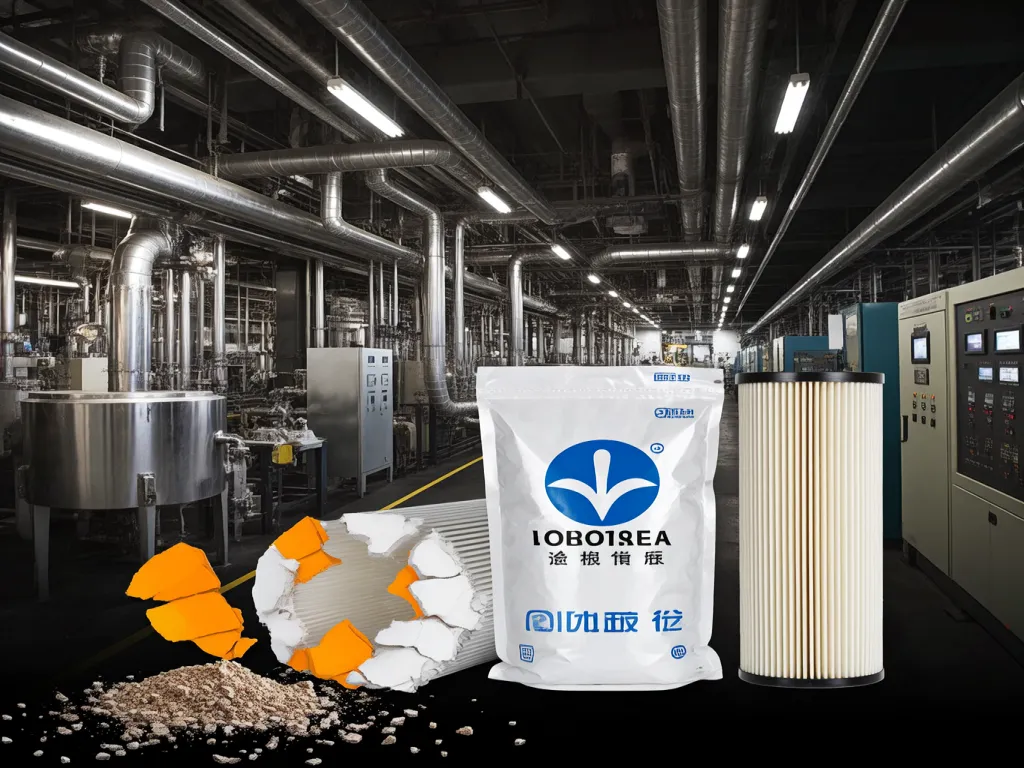
Ever wondered why your standard filter bags keep failing during chemical processing? It’s not just bad luck. In the harsh environment of chemical plants, filter bags face unique challenges that can lead to premature failure. From incompatible materials to extreme operating conditions, several factors conspire to shorten their lifespan. In this blog, we’ll dive deep into the root causes of filter bag failures and arm you with practical solutions to keep your operations running smoothly. Ready to uncover the truth?
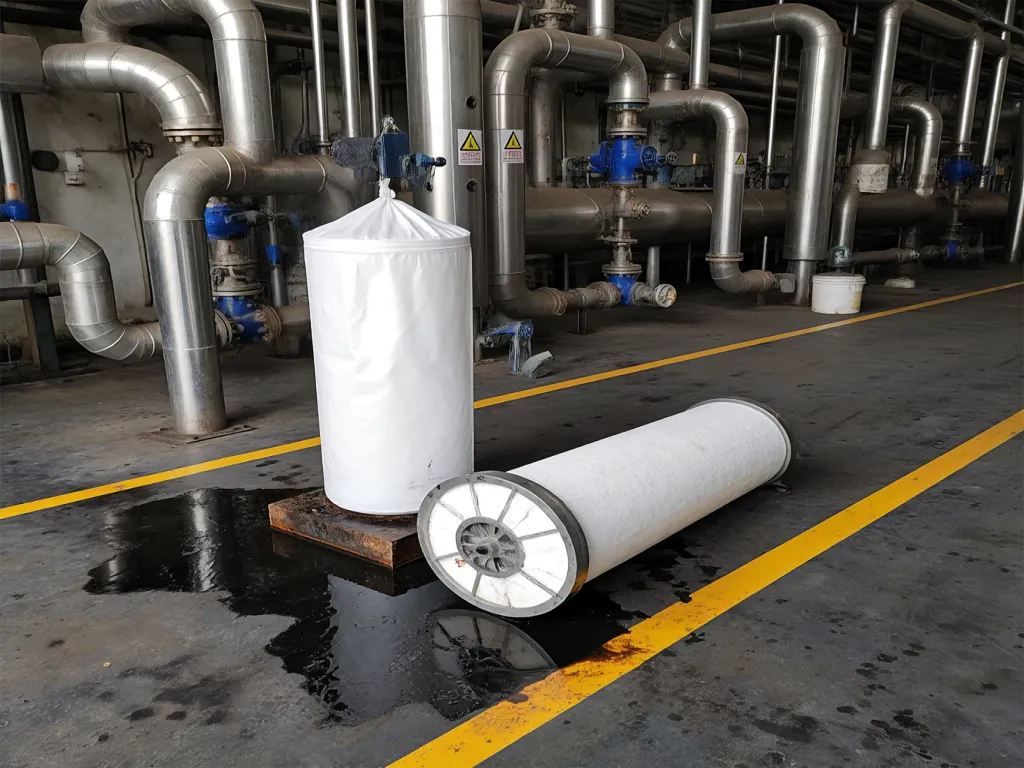
Material Mismatch: The Silent Killer of Filter Bags in Chemical Processing
Let’s face it – when it comes to chemical processing, not all filter bags are created equal. The material composition of your filter bag can make or break its performance, and more often than not, material mismatch is the silent culprit behind premature failure. You might be thinking, ‘How can a simple material choice cause such big problems?’ Well, let’s dive into the nitty-gritty of why material compatibility is crucial in chemical processing environments.
First off, chemical processing involves a wide range of substances, from aggressive acids to corrosive alkalis, and everything in between. Each of these chemicals has unique properties that can interact with filter bag materials in unpredictable ways. For instance, a filter bag made of polyester might work wonders in a dry, dusty environment but could turn into a disaster when exposed to strong acids. The result? Accelerated aging, corrosion, and in worst-case scenarios, catastrophic failure. But why does this happen? It all boils down to chemical compatibility. When a filter bag material isn’t compatible with the processed chemical, it undergoes a series of detrimental reactions. These can range from simple surface discoloration to more severe forms of degradation like swelling, cracking, or even complete dissolution. Imagine pouring a strong acid onto a filter bag not designed to withstand it – the bag would quickly lose its structural integrity, leading to leaks, contamination, and potentially hazardous situations.
Now, you might be wondering, ‘How do I know which material is right for my application?’ The answer lies in understanding the chemical properties of both the filter bag material and the substances it will encounter. For example, if you’re dealing with strong acids, you’ll want a filter bag made of materials like PTFE (Polytetrafluoroethylene) or PPS (Polyphenylene Sulfide), which are known for their excellent chemical resistance. For more insights on the chemical resistance properties of these materials, you can refer to authoritative sources like the Chemical Processing Magazine. On the other hand, if you’re processing alkalis, materials like polypropylene or certain grades of nylon might be more suitable. But material selection isn’t just about chemical resistance. It’s also about considering factors like temperature resistance, mechanical strength, and porosity. A filter bag that can withstand the chemical but melts under high temperatures isn’t going to do you much good, right? That’s why a holistic approach to material selection is essential.
Let’s look at a real-world example to drive home the point. A chemical plant was experiencing frequent filter bag failures in their acid processing line. Despite regular maintenance, the bags would corrode and break down within weeks. After a thorough investigation, it was discovered that the bags were made of a material that, while cost-effective, wasn’t compatible with the specific acid concentration being processed. By switching to a PTFE-based filter bag, the plant not only extended the bag’s lifespan but also improved overall filtration efficiency.
So, what can you do to avoid material mismatch pitfalls? Start by conducting a comprehensive chemical analysis of your processing environment. Identify all the chemicals involved, their concentrations, and any potential impurities. Next, consult with filter bag manufacturers or material scientists to determine the most compatible materials for your specific application. Don’t be afraid to ask for samples or conduct pilot tests to validate material performance. Remember, investing time and resources upfront in material selection can save you from costly downtime, product contamination, and safety hazards down the line. It’s a small price to pay for peace of mind and reliable filtration performance. In conclusion, material mismatch is a significant yet often overlooked factor in filter bag failure within chemical processing. By understanding the chemical properties at play, selecting compatible materials, and adopting a proactive approach to material selection, you can ensure your filter bags stand up to the rigors of chemical processing and deliver consistent, reliable performance.
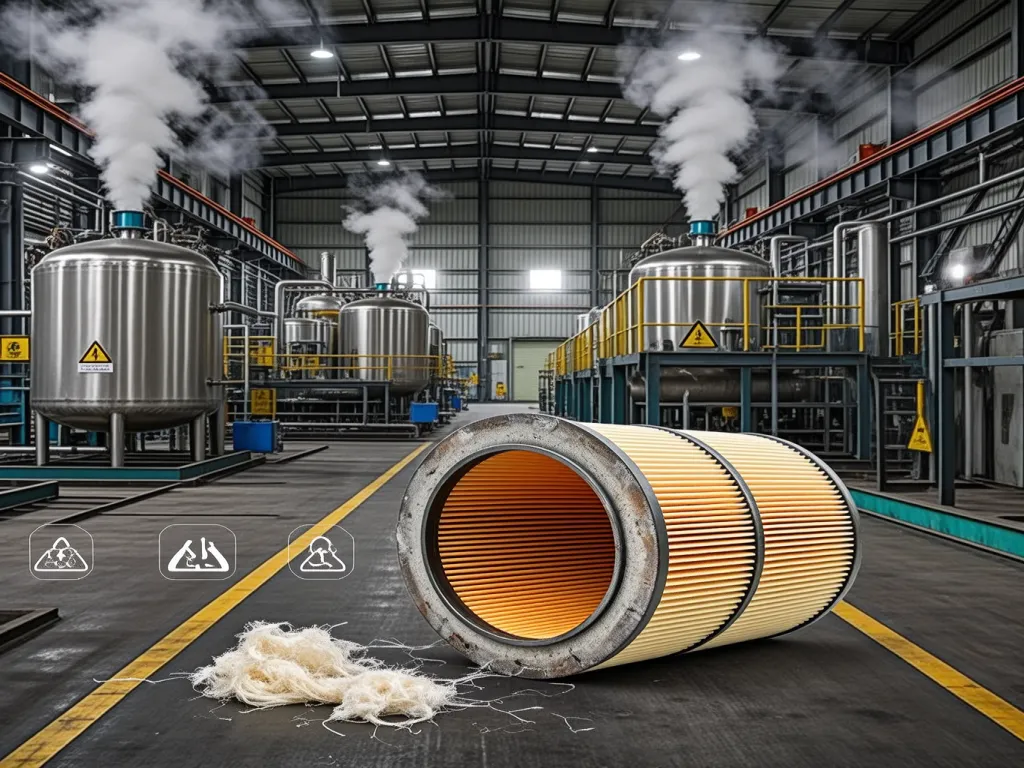
Extreme Operating Conditions: The Silent Killers of Standard Filter Bags in Chemical Processing
When it comes to chemical processing, the operating environment is rarely forgiving. High temperatures, extreme pressures, and corrosive chemicals like strong acids and bases are the norm rather than the exception. These extreme conditions act as silent killers, gradually undermining the structural integrity of standard filter bags. Let’s break down how each of these factors contributes to premature filter bag failure.
High Temperatures: A Melting Point Dilemma
Imagine your filter bag as a soldier on the front lines of a chemical battlefield. Now, crank up the heat—literally. High temperatures, often exceeding the thermal limits of standard filter materials, cause the fibers to degrade. Polyester, for instance, a common filter material, starts to lose its tensile strength above 250°F (121°C). At higher temperatures, the material can melt or become brittle, leading to cracks and eventual rupture. This thermal degradation isn’t just a surface issue; it penetrates deep into the fabric, compromising the entire bag’s performance.
But why does this happen? Well, heat accelerates chemical reactions, including those that break down polymer chains in the filter material. The result? A filter bag that’s more prone to tearing, stretching, or simply disintegrating under pressure. And let’s not forget about thermal expansion. As the bag heats up, it expands, potentially causing it to lose its seal against the filter housing, leading to bypass and reduced efficiency.
High Pressures: The Crushing Force
Now, let’s turn up the pressure—literally and figuratively. In chemical processing, pressures can soar to levels that would make a submarine captain blush. Standard filter bags, designed for moderate conditions, simply can’t withstand this relentless force. The pressure differential across the bag causes it to flex and stretch, weakening the seams and joints over time. Eventually, the bag can’t hold up, and you’re left with a costly mess.
But it’s not just about the bag itself. High pressures also affect the flow dynamics within the filter system. As the pressure increases, the velocity of the fluid passing through the bag rises, leading to increased abrasion and wear. This abrasive action can erode the filter material, creating holes and reducing its ability to capture particles effectively.
Strong Acids and Bases: The Chemical Onslaught
Now, let’s talk about the real chemical warfare—strong acids and bases. These corrosive substances are the bane of standard filter bags, attacking the material at a molecular level. Acids, like sulfuric or hydrochloric acid, can dissolve the filter fibers, while bases, such as sodium hydroxide, can saponify and weaken the material. For more insights into the chemical reactions involved, you can refer to this resource on sodium hydroxide.
The chemical attack doesn’t stop there. Corrosive substances can also react with impurities in the filter material, creating byproducts that further degrade the bag. And let’s not forget about the pH factor. Extreme pH levels can alter the surface charge of the filter material, affecting its ability to attract and retain particles. This can lead to reduced filtration efficiency and increased bypass.
The Cumulative Effect: A Perfect Storm
It’s not just one factor that causes filter bag failure; it’s the combination of all three—high temperatures, high pressures, and corrosive chemicals—that creates a perfect storm. These extreme conditions work together to accelerate the degradation process, reducing the bag’s lifespan and increasing the frequency of replacements.
So, what can you do to mitigate these risks? The answer lies in choosing the right filter material and design for your specific application. Look for materials that are resistant to high temperatures, pressures, and corrosive chemicals. Consider reinforced seams and joints to withstand the forces at play. And don’t forget about regular maintenance and inspection to catch any signs of wear before they become catastrophic failures.
Thermal Degradation in Detail
Thermal degradation is a sneaky adversary. It doesn’t announce its arrival with a bang but creeps in silently, weakening the filter bag from within. As the temperature rises, the polymer chains in the filter material start to break down, leading to a loss of tensile strength and elasticity. This degradation is irreversible, and once it starts, there’s no turning back. The key is to prevent it from happening in the first place by choosing a filter material with a high melting point and thermal stability.
Pressure’s Impact on Seal Integrity
High pressures don’t just affect the filter bag itself; they also compromise the seal between the bag and the filter housing. As the pressure differential increases, the bag can flex and stretch, causing the seal to break. This leads to bypass, where unfiltered fluid escapes around the bag, reducing the overall efficiency of the filtration system. To combat this, consider using filter bags with reinforced seals or gaskets that can withstand high pressures without leaking.
Corrosive Chemicals: A Molecular Battle
Corrosive chemicals attack the filter material at a molecular level, breaking down the polymer chains and weakening the structure. This chemical onslaught can be particularly damaging in applications where the filter bag is exposed to a continuous stream of corrosive substances. To mitigate this risk, choose filter materials that are chemically resistant to the specific acids or bases in your process. Look for materials with a high chemical stability and low reactivity to ensure longevity.
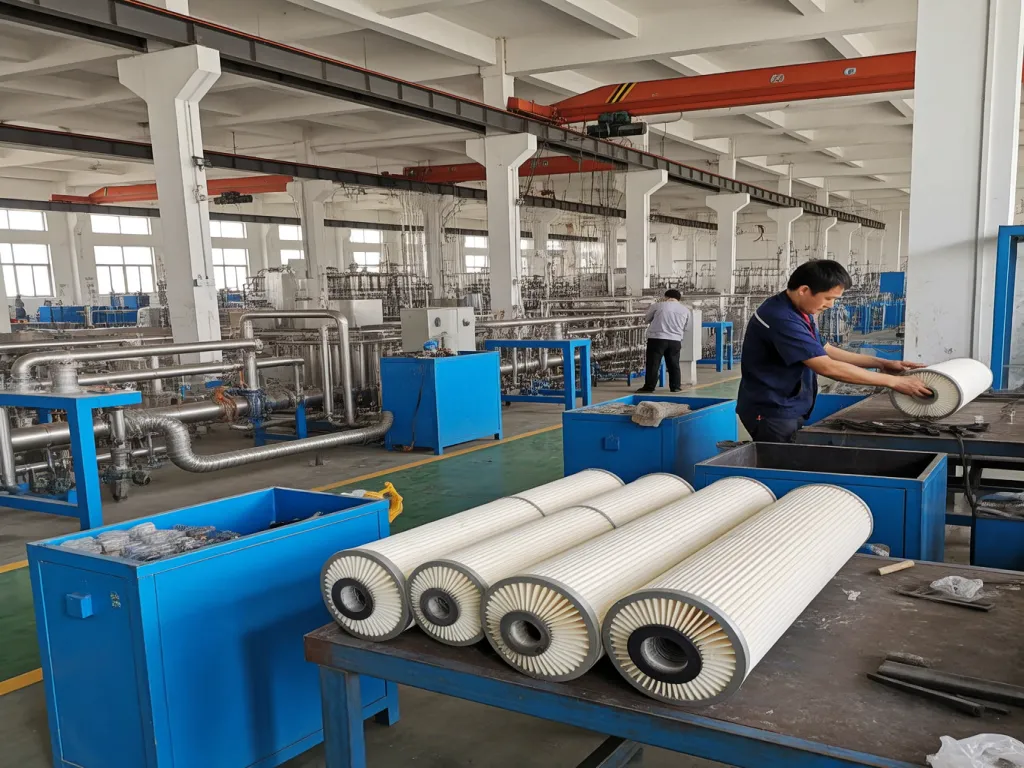
Maintenance Neglect: The Silent Killer of Filter Bag Performance
When it comes to chemical processing, the importance of regular maintenance for filter bags can’t be overstated. Think of your filter bags as the unsung heroes of your production line, quietly working to keep contaminants at bay. But just like any hero, they need a little TLC to perform at their best. Neglecting maintenance is like sending your hero into battle without armor—it’s a recipe for disaster. So, what exactly happens when you ignore the maintenance needs of your filter bags? Let’s dive in. First off, let’s talk about clogging. Over time, without proper cleaning, filter bags can become clogged with the very contaminants they’re designed to capture. This isn’t just a minor inconvenience; it’s a major performance killer. A clogged filter bag means reduced airflow, increased pressure drop, and ultimately, a decrease in overall system efficiency. It’s like trying to breathe through a straw—it’s not going to work well, and you’ll tire out quickly. But clogging is just the tip of the iceberg. Neglected filter bags are also prone to physical damage. Without regular inspection and replacement, small tears or holes can go unnoticed until they become major issues. These damages can lead to leaks, allowing contaminants to bypass the filtration system entirely. Not only does this compromise the quality of your final product, but it can also pose serious safety risks, especially in chemical processing environments where hazardous substances are involved. Now, you might be thinking, ‘But I have a maintenance schedule in place. Isn’t that enough?’ Well, not necessarily. The key to effective maintenance is consistency and thoroughness. A cursory glance at your filter bags every few months isn’t going to cut it. You need a comprehensive maintenance plan that includes regular cleaning, inspection, and replacement based on the specific needs of your chemical processing application. Let’s break it down a bit further. Regular cleaning is crucial for preventing clogging and maintaining optimal airflow. Depending on the type of contaminants you’re dealing with, you might need to clean your filter bags daily, weekly, or monthly. The important thing is to establish a cleaning schedule that works for your operation and stick to it religiously. Inspection is equally important. During each cleaning cycle, take the time to carefully examine your filter bags for signs of wear and tear. Look for small tears, holes, or areas where the fabric has become thin or frayed. These are all indicators that your filter bag is nearing the end of its useful life and needs to be replaced. Finally, replacement is the ultimate act of maintenance. Even with the best care, filter bags won’t last forever. When it’s time to replace them, don’t skimp on quality. Invest in high-quality filter bags that are designed to withstand the rigors of your chemical processing application. Remember, a little investment upfront can save you a lot of headaches (and money) down the line. In conclusion, maintenance neglect is a silent but deadly threat to the performance of your filter bags in chemical processing. By establishing a comprehensive maintenance plan that includes regular cleaning, inspection, and replacement, you can ensure that your filter bags continue to perform at their best, keeping your production line running smoothly and efficiently.
The Cost of Clogging
Clogging isn’t just an annoyance; it’s a costly problem. When filter bags become clogged, the pressure drop across the system increases, forcing your fans or pumps to work harder to maintain the desired airflow. This not only increases energy consumption but also puts additional strain on your equipment, potentially leading to premature failure. In the long run, the cost of replacing clogged filter bags and repairing damaged equipment can far outweigh the cost of regular maintenance.
Physical Damage: The Hidden Danger
Physical damage to filter bags is often overlooked until it’s too late. Small tears or holes can allow contaminants to bypass the filtration system, compromising product quality and potentially posing safety risks. Regular inspection is key to catching these issues early and preventing them from escalating into major problems. Remember, an ounce of prevention is worth a pound of cure.
The Importance of Quality Replacements
When it’s time to replace your filter bags, don’t settle for just any old option. Invest in high-quality filter bags that are specifically designed for your chemical processing application. These bags will be more durable, more efficient, and ultimately, more cost-effective in the long run. Plus, they’ll give you peace of mind knowing that your filtration system is operating at its best.
Now you know why standard filter bags often fail in chemical processing—material incompatibility, extreme conditions, and maintenance neglect top the list. By understanding these failure points, you’re better equipped to choose the right filter bags and implement proactive maintenance strategies. Remember, a small investment in prevention can save you from costly downtime and replacements. Share this blog with your team or bookmark it for future reference. And if you’re still unsure about the best filter bag solution for your needs, reach out—we’re here to help you navigate the complexities of chemical filtration with confidence. What other filtration challenges are you facing?
n
Need Help Selecting the Right Filter?
Share your application, operating conditions, required efficiency or micron rating, dimensions, and quantity. Our filtration team will help identify a suitable solution.