
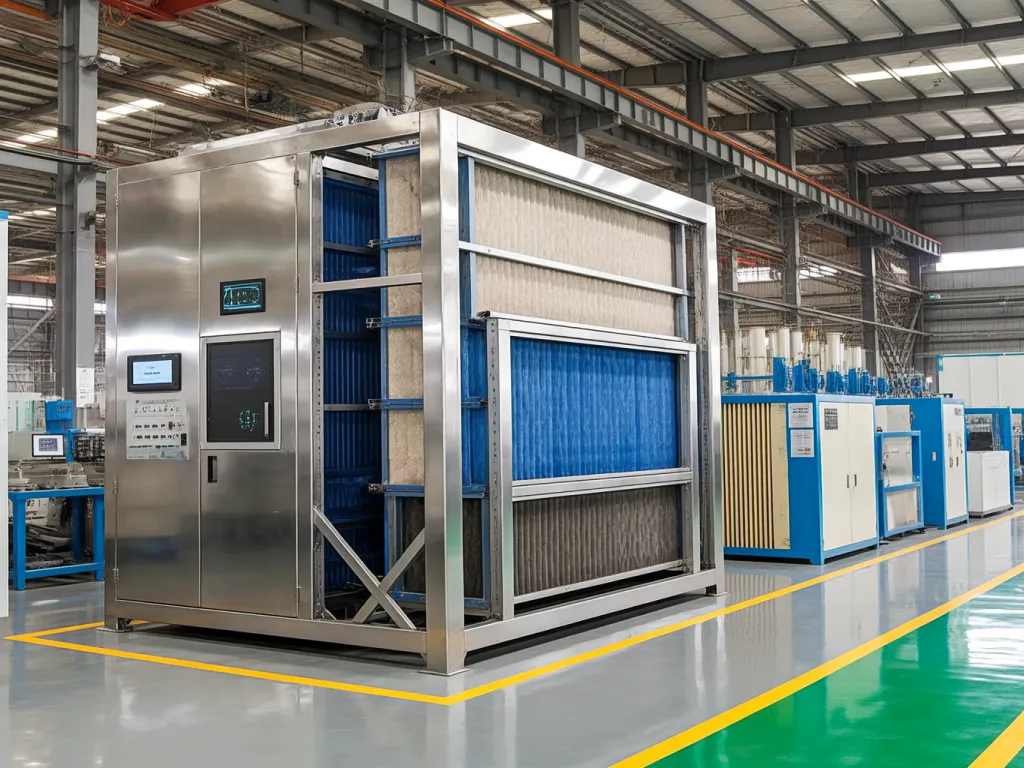
In industrial settings, clean air isn’t just a luxury—it’s a necessity. But How to meet industrial air filtration requirements? It all starts with choosing the right filter material. From fibers to activated carbon, each option has its unique strengths. Let’s dive into the world of industrial air filtration materials and discover how to make the perfect choice for your needs.
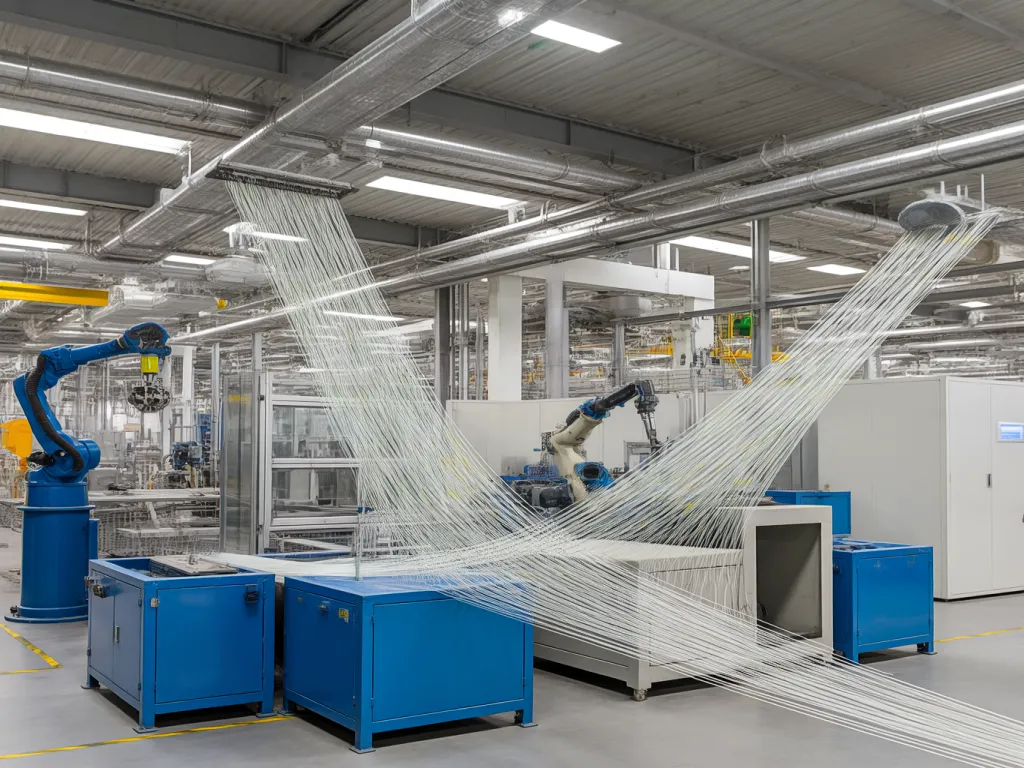
Fiber Material Filtration Effect Analysis: Common Fibers Unveiled
When it comes to industrial air filtration, the choice of fiber material plays a pivotal role in determining the efficiency and precision of the filtration process. Let’s dive into the world of common fiber materials used in industrial air filters, such as glass fiber and polyester fiber, and understand how they perform in trapping dust and particulate matter, as well as the impact of fiber diameter on filtration accuracy. For applications demanding extreme precision, such as cleanroom environments, selecting the right filter material is paramount—consider exploring HEPA laminar flow hoods for high-efficiency air filtration solutions.
Glass Fiber: High-Temperature Hero
Glass fiber stands out for its exceptional thermal stability, making it a go-to material for filtering hot gases and fumes in industrial processes. Its high tensile strength ensures durability, even under extreme conditions. The small fiber diameter of glass fibers creates a dense filtration matrix, effectively trapping fine particles and ensuring high-purity air output. For environments requiring superior air filtration, such as industrial air conditioning systems, G4 high-efficiency air filters can be an excellent choice. However, the fragility of glass fibers necessitates careful handling and regular maintenance to prevent breakage and maintain optimal filtration performance.
Polyester Fiber: Versatile and Durable
Polyester fiber offers a blend of durability and chemical resistance, making it suitable for a wide range of industrial environments. Its ability to be engineered with varying fiber diameters allows for tailored filtration solutions. Larger diameter fibers excel in capturing coarse particles, while finer fibers target smaller particulates, providing flexibility in filtration precision. Polyester filters can be designed to balance airflow resistance and filtration efficiency, optimizing the overall performance of the air filtration system. For cleanroom environments demanding the highest filtration standards, HEPA air filters with 99.99% efficiency are an ideal choice.
Fiber Diameter: The Key to Filtration Precision
The diameter of the fiber is a crucial factor in determining the filtration precision of an air filter. Smaller diameter fibers create smaller pores, increasing the filter’s ability to capture finer particles. This is essential in industries where microscopic contaminants pose a risk. However, achieving the right balance is vital. Excessively small pores can lead to increased airflow resistance, reducing filtration efficiency and potentially increasing energy costs. For applications requiring high-efficiency air purification, such as laminar flow hoods, HEPA filters H13/H14 offer superior performance. Understanding the impact of fiber diameter on filtration precision is key to selecting the right filter material for your industrial needs.
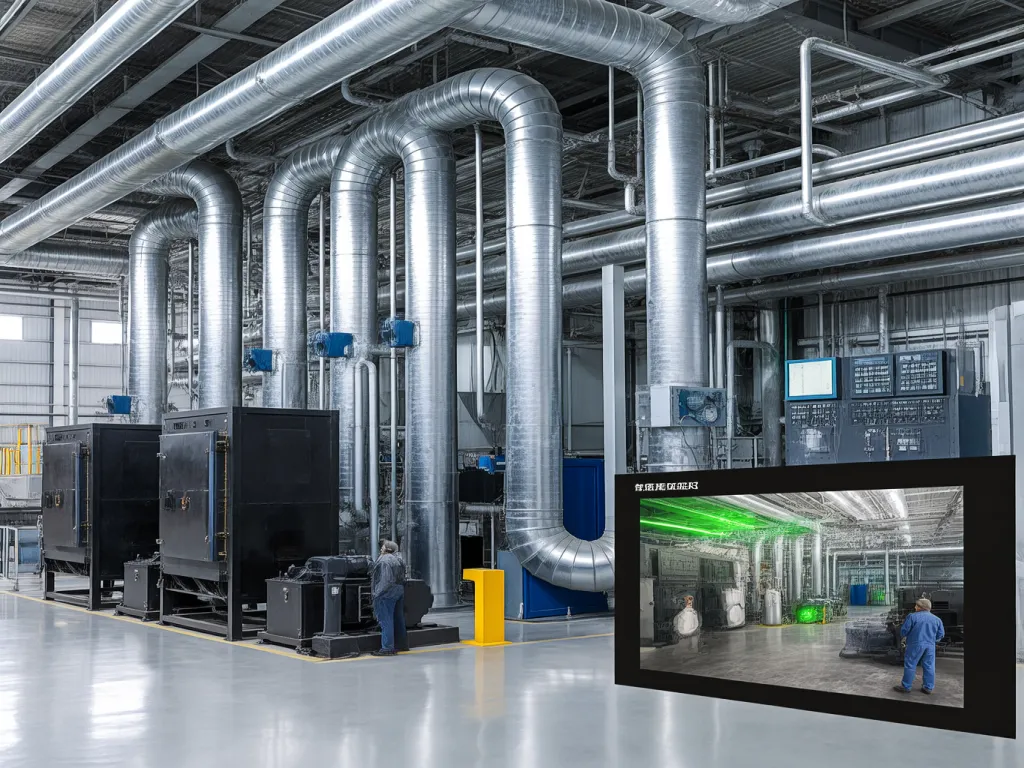
Activated Carbon: The Unsung Hero in Industrial Air Filtration
When it comes to industrial air filtration, you’ve probably heard about fiber filters and metal screens, but have you ever stopped to consider the quiet powerhouse that is activated carbon? This seemingly simple material packs a punch when it comes to tackling harmful gases and stubborn odors. Let’s dive into the fascinating world of activated carbon and discover why it’s a must-have in your industrial air filtration arsenal.
The Science Behind the Magic: How Activated Carbon Works
Activated carbon isn’t your average charcoal. It’s been specially treated to create a vast network of tiny pores, increasing its surface area dramatically. Imagine a sponge, but instead of soaking up water, it’s absorbing gases and odors. This process, called adsorption, works because the molecules of pollutants are attracted to and held onto the surface of the carbon. The secret lies in activated carbon’s ability to trap volatile organic compounds (VOCs), sulfur compounds, nitrogen oxides, and other nasty chemicals that can wreak havoc on air quality. Its porous structure provides millions of microscopic sites where these pollutants can cling, effectively removing them from the air stream.
Why Activated Carbon Stands Out
Compared to other filtration methods, activated carbon offers several distinct advantages:
- High Efficiency: It can remove up to 99% of certain contaminants, making it incredibly effective.
- Broad Spectrum: Works on a wide range of gases and odors, not just specific ones.
- Longevity: With proper maintenance, activated carbon filters can last months before needing replacement.
- Low Maintenance: Unlike some filters that require frequent cleaning, activated carbon mostly needs periodic replacement. For comprehensive air cleaning, consider pairing activated carbon with high-efficiency pocket filters for particulate removal.
Real-World Success Stories: Activated Carbon in Action
Let’s look at a couple of real-life examples where activated carbon made a significant difference:
Case Study 1: Paint Booth Odor Control
A automotive paint shop was struggling with strong fumes that lingered long after painting was complete. These fumes weren’t just unpleasant; they posed health risks to workers. By installing activated carbon filters in their ventilation system, the shop saw a dramatic reduction in odor levels. Workers reported fewer headaches and respiratory issues, and the overall work environment improved dramatically. For paint booth applications, specialized filters like spray booth filter paper can enhance performance.
Case Study 2: Chemical Manufacturing Plant
A chemical plant producing solvents was facing strict environmental regulations regarding VOC emissions. Traditional filters weren’t cutting it, so they switched to activated carbon filtration. The result? A 95% reduction in VOC emissions, meeting regulatory standards and avoiding hefty fines. Plus, the plant saved money on waste disposal since the captured VOCs could be recovered and reused.
Choosing the Right Activated Carbon for Your Needs
Not all activated carbons are created equal. The type you choose depends on the specific pollutants you’re dealing with. Here’s a quick guide:
- Granular Activated Carbon (GAC): Best for general-purpose air purification, especially in large ventilation systems.
- Powdered Activated Carbon (PAC): Ideal for treating gases directly, often used in scrubbers or packed towers.
- Impregnated Activated Carbon: Treated with chemicals to enhance its ability to capture specific gases like mercury or ammonia.
- Carbon Cloth: Lightweight and flexible, perfect for personal protective equipment or small-scale applications.
When selecting activated carbon, consider factors like:
- Pollutant Type: Different carbons target different chemicals.
- Concentration Levels: Higher concentrations may require more robust solutions.
- Flow Rate: Faster air movement needs larger surface areas.
- Space Constraints: Some forms take up more room than others.
Making the Switch: Is Activated Carbon Right for You?
If you’re dealing with persistent odors, chemical fumes, or VOCs, activated carbon could be your solution. It’s particularly effective in industries like:
- Automotive painting and repair
- Chemical manufacturing
- Food processing (odor control)
- Pharmaceuticals (solvent recovery)
- Wastewater treatment plants
Remember, while activated carbon is powerful, it’s not a one-size-fits-all solution. For the best results, combine it with other filtration methods like HEPA filters for particulates. This multi-stage approach ensures you’re tackling all aspects of air quality. For durable, energy-efficient solutions, explore air cleaners with washable filters.

Other Materials Comparison and Selection: Metal vs. Ceramic in Industrial Air Filtration
When it comes to industrial air filtration, choosing the right material isn’t just about efficiency—it’s about matching the filter to your specific industrial demands. While fiber and activated carbon filters get a lot of attention, metal and ceramic filters also play critical roles in certain scenarios. Let’s dive into how these materials stack up and when to pick one over the other.
Metal Filters: Strength Meets Precision
Metal filters, often made from stainless steel or aluminum, are the go-to for environments where durability and high-temperature resistance are non-negotiable. Think about automotive paint booths or foundries—places where extreme heat and abrasive particles could shred a less sturdy filter. Metal’s rigid structure handles these conditions effortlessly, and its ability to be cleaned and reused makes it cost-effective over time. For applications requiring ultra-low resistance, consider pairing metal filters with specialized options like the HEPA Filter H14, which complements metal durability with precision filtration. But here’s the catch: metal filters aren’t perfect for every job. Their precision comes at a cost—literally. Stainless steel filters can be pricier upfront, and while they’re reusable, cleaning them requires extra care to avoid corrosion. Plus, if your air contains corrosive gases, even stainless steel might struggle over the long haul. So, metal shines in high-heat, high-abrasion settings but might not be your first pick for chemical-heavy environments.
Ceramic Filters: Porosity Meets Chemical Resistance
Now, let’s talk about ceramic filters. These aren’t your grandmother’s teacups—they’re engineered for industrial grit. Made from materials like aluminum oxide or silicon carbide, ceramic filters excel in two areas: extreme temperatures and chemical resistance. They can handle scorching hot air streams without melting or degrading, making them ideal for glass manufacturing or metal processing plants.
What sets ceramics apart is their porosity. Unlike metal’s solid structure, ceramic filters have tiny pores that trap particles while letting air flow through. This makes them great for fine dust control in industries like pharmaceuticals, where even microscopic contaminants are a no-go. However, ceramics aren’t without drawbacks. They’re brittle—drop one, and it’s likely done. And while they’re reusable, cleaning them properly takes skill to avoid cracking. Plus, their initial cost can be higher than metal, especially for specialized grades.
Making the Right Choice: Scenario-Based Recommendations
So, how do you decide between metal and ceramic? It boils down to your industrial environment. Here’s a quick guide:
- High-Heat Applications (e.g., Foundries, Glass Manufacturing): Go with ceramic. Its thermal stability ensures it won’t warp or melt under extreme heat.
- Corrosive Environments (e.g., Chemical Processing, Waste Incineration): Ceramic again. Its chemical inertness resists acids and bases that would eat through metal.
- Abrasive Particle Control (e.g., Mining, Cement Production): Metal filters are your best bet. Their toughness handles rough particles without clogging.
- Fine Dust and Precision Filtration (e.g., Pharmaceuticals, Food Processing): Ceramic’s porosity captures even the smallest particles, making it ideal for clean environments.
- Budget-Conscious, Reusable Options: Metal filters offer longevity and cost savings over time if you’re not dealing with corrosive gases.
Real-World Example: Automotive vs. Pharmaceutical
Let’s put theory into practice. Imagine an automotive paint booth where overspray and high temperatures are daily challenges. A stainless steel filter here resists heat, handles abrasive paint particles, and can be cleaned repeatedly. Now, contrast that with a pharmaceutical lab where air purity is paramount. A ceramic filter’s fine porosity ensures no contaminants slip through, even at microscopic levels.
Final Thoughts: It’s About Matching Needs to Materials
Choosing between metal and ceramic isn’t about which is ‘better’—it’s about which fits your industrial reality. Metal offers durability and reusability in tough conditions, while ceramic provides precision and chemical resistance where cleanliness is critical. By assessing your environment’s demands—temperature, chemicals, particle size, and budget—you can select a filter that keeps your air clean and your operations running smoothly. Still unsure? Drop us a line—we’ll help you navigate the options and find the perfect fit for your needs.
Metal Filters: Strength Meets Precision
Metal filters, often made from stainless steel or aluminum, are the go-to for environments where durability and high-temperature resistance are non-negotiable. Think about automotive paint booths or foundries—places where extreme heat and abrasive particles could shred a less sturdy filter. Metal’s rigid structure handles these conditions effortlessly, and its ability to be cleaned and reused makes it cost-effective over time. For applications requiring ultra-low resistance, consider pairing metal filters with specialized options like the HEPA Filter H14, which complements metal durability with precision filtration. But here’s the catch: metal filters aren’t perfect for every job. Their precision comes at a cost—literally. Stainless steel filters can be pricier upfront, and while they’re reusable, cleaning them requires extra care to avoid corrosion. Plus, if your air contains corrosive gases, even stainless steel might struggle over the long haul. So, metal shines in high-heat, high-abrasion settings but might not be your first pick for chemical-heavy environments.
Ceramic Filters: Porosity Meets Chemical Resistance
Ceramic filters, made from materials like aluminum oxide or silicon carbide, excel in two areas: extreme temperatures and chemical resistance. They can handle scorching hot air streams without melting or degrading, making them ideal for glass manufacturing or metal processing plants. What sets ceramics apart is their porosity. Unlike metal’s solid structure, ceramic filters have tiny pores that trap particles while letting air flow through. This makes them great for fine dust control in industries like pharmaceuticals, where even microscopic contaminants are a no-go. However, ceramics aren’t without drawbacks. They’re brittle—drop one, and it’s likely done. And while they’re reusable, cleaning them properly takes skill to avoid cracking. Plus, their initial cost can be higher than metal, especially for specialized grades.
Making the Right Choice: Scenario-Based Recommendations
So, how do you decide between metal and ceramic? It boils down to your industrial environment. Here’s a quick guide: High-Heat Applications (e.g., Foundries, Glass Manufacturing): Go with ceramic. Its thermal stability ensures it won’t warp or melt under extreme heat. Corrosive Environments (e.g., Chemical Processing, Waste Incineration): Ceramic again. Its chemical inertness resists acids and bases that would eat through metal. Abrasive Particle Control (e.g., Mining, Cement Production): Metal filters are your best bet. Their toughness handles rough particles without clogging. Fine Dust and Precision Filtration (e.g., Pharmaceuticals, Food Processing): Ceramic’s porosity captures even the smallest particles, making it ideal for clean environments. Budget-Conscious, Reusable Options: Metal filters offer longevity and cost savings over time if you’re not dealing with corrosive gases.
So, how do you ensure your industrial air filtration meets the mark? It boils down to selecting the right filter material. Whether it’s the efficiency of fiber filters, the pollutant-busting power of activated carbon, or the durability of metal and ceramic options, there’s a material out there for every industrial scenario. By understanding the pros and cons of each, you can tailor your filtration system to perfection. Still unsure? Don’t hesitate to reach out for expert advice tailored to your specific industrial air filtration requirements. The quest for cleaner air never ends—what’s your next move?