
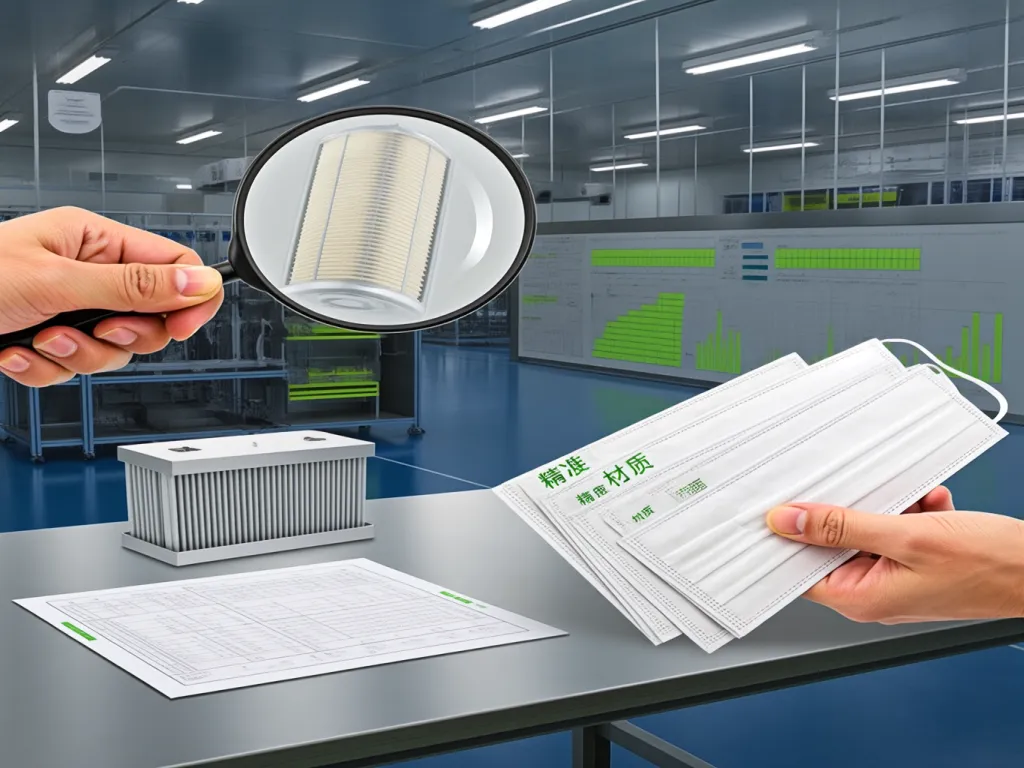
Ever felt overwhelmed when trying to choose the perfect filtration bags manufacturer for your industrial setup? You’re not alone. Selecting the right manufacturer goes beyond just picking a name; it’s about matching your specific industrial scenario with the precise filtration accuracy required. Whether you’re dealing with chemical liquids or dust-laden gases, the stakes are high. So, how do you ensure you’re making the right choice? Let’s dive in and explore how to pinpoint the ideal filtration bags manufacturer for your unique needs.
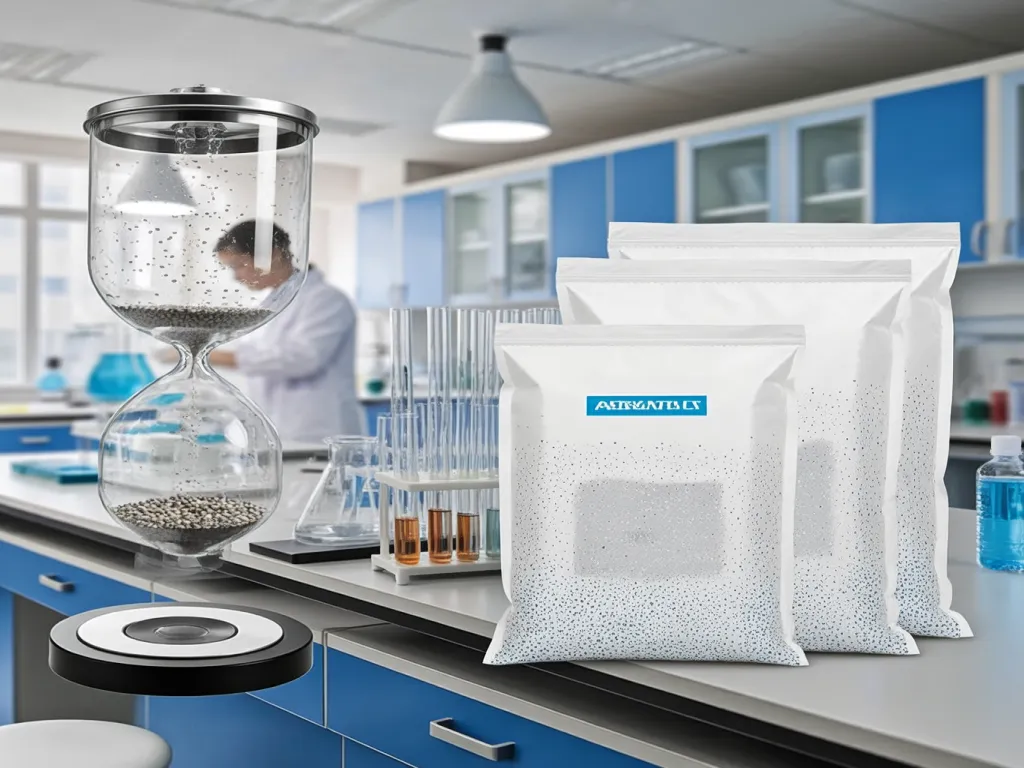
Precision Demands in Chemical Liquid Filtration Scenarios: Analyzing Particle Sizes, Properties, and Filtration Requirements for Optimal Filtration Bags Selection
When it comes to chemical liquid filtration, precision is everything. The stakes are high, and the margin for error is slim. So, how do you ensure that your filtration bags are up to the task? Let’s dive deep into the world of chemical liquid filtration, exploring the intricacies of particle sizes, properties, and filtration requirements to help you choose the perfect filtration bags manufacturer. Imagine a scenario where you’re dealing with a chemical liquid stream riddled with impurities. These impurities range from microscopic particles to larger, more visible debris. The size of these particles can vary dramatically, from sub-micron levels to several millimeters. Now, here’s the kicker: not all particles are created equal. Some are abrasive, others are corrosive, and some might even be reactive. This is where the challenge lies. You need filtration bags that can handle this diverse range of particles without compromising on efficiency or longevity. So, what’s the solution? It starts with understanding the properties of the particles in your chemical liquid. Are they hard and abrasive, requiring a more robust filtration material? Or are they soft and sticky, demanding a filter that can prevent clogging? Once you’ve got a handle on the particle properties, you can start to narrow down your filtration bag options. But wait, there’s more. The filtration requirements of your chemical liquid also play a crucial role. Are you looking for a high level of purity, requiring a filtration bag with a very fine mesh? Or is a moderate level of filtration sufficient, allowing for a coarser mesh? These are questions that need answering before you can make an informed decision. Let’s talk about filtration bag materials. For chemical liquids, you’ll want to steer clear of materials that are prone to degradation or reaction. Polyester, for instance, is a popular choice due to its chemical resistance and durability. Nylon, on the other hand, might not be the best fit for highly corrosive environments. Then there’s the matter of filtration precision. This is where the micron rating comes into play. A micron rating indicates the size of the particles that a filtration bag can effectively capture. For chemical liquids with fine particles, you’ll want a filtration bag with a low micron rating, say 1-5 microns. For coarser particles, a higher micron rating, like 10-50 microns, might suffice. But how do you know which micron rating is right for your application? It all comes down to the specific requirements of your chemical liquid. Are you filtering out fine sediments, or are you dealing with larger, more visible debris? The answer to this question will guide your choice of filtration bag precision. Now, let’s bring it all together. You’ve got a chemical liquid with a range of particle sizes and properties. You’ve considered the filtration requirements and narrowed down your material options. You’ve even got a handle on the micron rating. So, what’s next? It’s time to choose a filtration bags manufacturer that can deliver on all fronts. They should offer a range of materials and micron ratings to suit your specific needs. And don’t forget about customer support. You’ll want a manufacturer that’s there to guide you through the selection process and provide ongoing support. In conclusion, choosing the right filtration bags for your chemical liquid application is no small feat. It requires a deep understanding of particle sizes, properties, and filtration requirements. But with the right knowledge and a trusted filtration bags manufacturer by your side, you can ensure that your chemical liquid is filtered with the utmost precision and efficiency. So, are you ready to take your chemical liquid filtration to the next level?
Particle Size Analysis in Chemical Liquids
Let’s zoom in on particle sizes. In chemical liquids, you’ll encounter a wide spectrum, from the tiniest of sub-micron particles to larger, more noticeable debris. Why does this matter? Well, the size of the particles directly impacts the choice of filtration bag. Smaller particles require finer meshes, while larger ones can be captured by coarser filters. But it’s not just about size; it’s also about the distribution. Are the particles evenly distributed, or do they cluster together? Understanding this helps in selecting a filtration bag that can handle the load without clogging.
Particle Properties and Their Impact on Filtration
Now, let’s talk about particle properties. Chemical liquids can contain particles that are abrasive, corrosive, or even reactive. Each of these properties demands a different approach to filtration. For abrasive particles, you’ll need a filtration bag made from a durable material that can withstand wear and tear. Corrosive particles, on the other hand, require a material that’s resistant to chemical attack. And for reactive particles, you’ll need to ensure that the filtration bag material doesn’t trigger any unwanted reactions.
Choosing the Right Filtration Bag Material
When it comes to filtration bag materials for chemical liquids, polyester is often a top choice. Why? Because it’s chemically resistant, durable, and can handle a wide range of temperatures. But it’s not the only option. Depending on your specific needs, you might also consider materials like polypropylene, which offers excellent chemical resistance and is suitable for high-temperature applications. The key is to choose a material that aligns with the properties of the particles in your chemical liquid and the filtration requirements of your process.
Understanding Filtration Precision and Micron Ratings
Filtration precision is all about the micron rating. This rating tells you the size of the particles that a filtration bag can effectively capture. For chemical liquids with fine particles, you’ll want a low micron rating, indicating a fine mesh. For coarser particles, a higher micron rating will suffice. But how do you determine the right micron rating for your application? It starts with understanding the size and distribution of the particles in your chemical liquid. From there, you can select a filtration bag with a micron rating that matches your filtration needs.
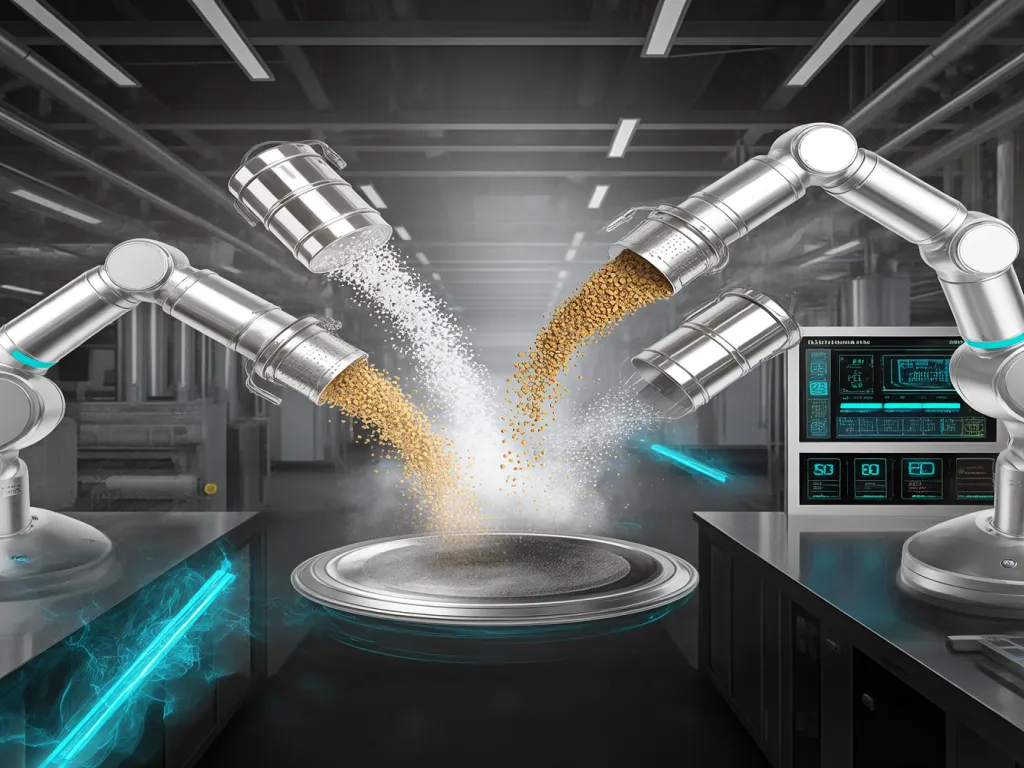
Dust Gas Collection Scenarios: Precision Considerations
When it comes to dust gas collection, the stakes are high. The efficiency of your filtration system directly impacts the air quality in your workspace, the longevity of your equipment, and even regulatory compliance. So, how do you ensure you’re selecting the right filtration bags with the appropriate precision for your specific dust collection needs? Let’s dive in. First off, understanding the size distribution of dust particles is crucial. Not all dust is created equal. Some particles are microscopic, while others are visible to the naked eye. The size of these particles plays a significant role in determining the filtration precision required. For instance, if you’re dealing with fine particulate matter, like those found in pharmaceutical manufacturing, you’ll need filtration bags with a much finer mesh than if you’re collecting larger, coarser dust from a woodworking shop. But size isn’t the only factor. The concentration of dust in the air stream also matters. High-concentration dust environments, such as those found in cement plants or metalworking facilities, demand filtration bags that can handle a heavy load without clogging or degrading quickly. On the other hand, low-concentration scenarios might allow for less robust, but still effective, filtration solutions. Now, let’s talk about collection efficiency. This is where the rubber meets the road in dust gas collection. You want a filtration system that captures as much dust as possible, right? Well, achieving high collection efficiency requires a careful balance between filtration precision and airflow. Too tight a filter, and you’ll restrict airflow, leading to decreased system performance. Too loose, and you’ll let dust slip through, compromising air quality. So, how do you find that sweet spot? It starts with understanding your specific dust collection scenario. Are you dealing with sticky, oily dust that tends to clump? Or is it dry, free-flowing dust that’s easier to manage? The nature of the dust will influence your choice of filtration bag material and design. For example, if you’re collecting sticky dust, you might opt for a filtration bag with a smooth, non-stick surface to prevent clogging. If it’s dry dust, a more porous material might suffice. They should have the expertise to guide you through the selection process, offering customized solutions tailored to your unique dust collection needs. After all, not all filtration bags are created equal, and choosing the right one can make all the difference in the world. So, as you embark on your journey to find the perfect filtration bags for your dust gas collection scenario, remember to consider particle size distribution, dust concentration, and collection efficiency. And don’t hesitate to reach out to a trusted filtration bags manufacturer for expert advice. Your workspace, your equipment, and your regulatory compliance depend on it.
Particle Size Distribution Matters
Imagine trying to catch a butterfly with a net that has holes the size of basketballs. Not very effective, right? The same principle applies to dust gas collection. The size of the dust particles you’re trying to capture dictates the filtration precision you need. Fine particles require a finer mesh, while larger particles can be captured with a coarser filter. Understanding the particle size distribution in your specific scenario is the first step toward selecting the right filtration bags.
Dust Concentration: A Key Factor
High-concentration dust environments are like a never-ending storm of particulate matter. Your filtration bags need to be up to the challenge, able to withstand the constant barrage without clogging or degrading. In contrast, low-concentration scenarios are more like a gentle breeze, requiring less robust but still effective filtration solutions. Knowing the dust concentration in your workspace is essential for selecting filtration bags that can handle the load.
Collection Efficiency: Finding the Balance
Achieving high collection efficiency is the holy grail of dust gas collection. But it’s not as simple as choosing the tightest filter possible. You need to strike a balance between filtration precision and airflow. A filter that’s too tight will restrict airflow, leading to decreased system performance and potential equipment damage. A filter that’s too loose will let dust slip through, compromising air quality and regulatory compliance.

Comprehensive Evaluation and Selection Strategy: A Systematic Approach for Precision Matching in Industrial Scenarios
When it comes to selecting the right filtration bags manufacturer, it’s not just about finding a supplier; it’s about ensuring that the filtration solution perfectly aligns with your specific industrial scenario. This requires a systematic approach that evaluates multiple factors, from the nature of the contaminants to the operational conditions of your facility. So, how can you navigate this complex landscape and make an informed decision? Let’s dive into a comprehensive evaluation and selection strategy tailored for different industrial settings.
Understanding Your Industrial Scenario
Firstly, understanding your industrial scenario is paramount. Are you dealing with chemical liquids, dust-laden gases, or perhaps a combination of both? Each scenario demands a unique set of filtration requirements. For instance, in chemical processing, the focus might be on removing fine particulates or even dissolved impurities, whereas in dust collection, the emphasis shifts to capturing larger particles efficiently.
Considering Filtration Precision
Next, consider the filtration precision needed. This is where things get technical. Filtration precision is typically measured in microns, indicating the size of the particles the bag can effectively capture. For chemical liquids, you might need high-precision filtration bags capable of trapping particles as small as a few microns. On the other hand, dust collection might not require such extreme precision but still demands bags that can handle a wide range of particle sizes without clogging.
Material Selection
Now, let’s talk about material selection. The choice of material for your filtration bags is crucial and should be based on the chemical compatibility, temperature resistance, and durability required in your specific scenario. For chemical industries, materials like PTFE (Polytetrafluoroethylene) or PPS (Polyphenylene Sulfide) might be preferred due to their excellent chemical resistance. In contrast, for dust collection, polyester or nylon could be more cost-effective options, provided they can withstand the operating temperatures and abrasive nature of the dust.
Step-by-Step Selection Guide
But how do you translate all this technical jargon into a practical selection process? Here’s a step-by-step guide:
- Define Your Filtration Needs: Start by clearly outlining what you need to filter out. Is it solids, liquids, or a mix? What are the particle sizes and concentrations?
- Assess Operational Conditions: Consider the temperature, pressure, and flow rate of your process. These factors will influence the material and design of the filtration bags.
- Research Manufacturers: Look for filtration bags manufacturers with a proven track record in your specific industry. Check their certifications, customer reviews, and case studies.
- Request Samples and Trials: Before committing to a large order, request samples to test in your facility. This hands-on approach can reveal compatibility issues or performance gaps.
- Evaluate Cost vs. Performance: While cost is a factor, don’t compromise on quality. A cheaper bag that fails prematurely can end up costing more in the long run due to downtime and replacement costs.
- Consider Long-Term Support: Choose a manufacturer that offers not just products but also technical support, training, and after-sales service. This ensures you have a partner throughout the lifecycle of your filtration system.
By following this systematic approach, you’re not just selecting a filtration bags manufacturer; you’re investing in a solution that enhances efficiency, reduces maintenance costs, and prolongs the lifespan of your equipment. Remember, the right filtration bag can make all the difference in achieving optimal performance and compliance with environmental regulations.
Choosing the right filtration bags manufacturer is pivotal in boosting your industrial filtration efficiency. By leveraging the insights and strategies shared in this guide, you’re now equipped to make an informed decision that aligns perfectly with your industrial scenario’s filtration precision demands. Remember, the right choice can lead to significant cost savings, improved product quality, and a safer working environment. So, what’s stopping you from taking the next step? Dive deeper into our resources, share this guide with your peers, and start optimizing your filtration system today. The future of industrial filtration is in your hands – what will you make of it?