

Navigating the world of industrial filtration can feel like deciphering a complex code—especially when it comes to choosing the right HS code for your filtration bags. Whether you’re tackling liquid impurities in a chemical plant or scrubbing airborne particles in a pharmaceutical facility, the stakes are high. A misstep in selecting the filtration bags HS code could mean wasted resources, subpar performance, or even compliance headaches. So, how do you crack this code and find the perfect match for your specific needs? Let’s dive into the nuances of filtration bags HS codes across liquid and gas filtration scenarios.
Liquid Filtration Scenarios: HS Code Selection for Filtration Bags
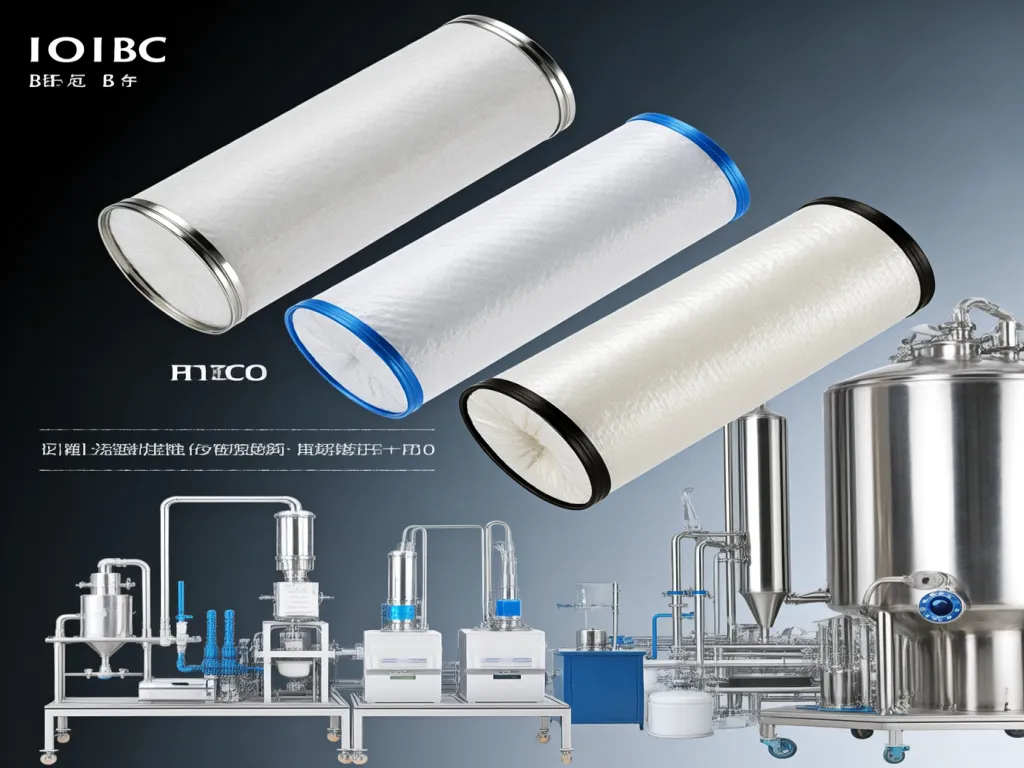
When it comes to liquid filtration, the choice of filtration bags isn’t just about catching particles—it’s a nuanced decision influenced by the specific demands of different industries. Whether you’re in chemicals, food processing, or pharmaceuticals, each sector has unique requirements for filtration bag materials, precision, and even the HS codes that classify them for international trade. Let’s dive into how these factors interplay and guide you toward the right HS code selection.
Chemical Industry: Corrosion Resistance Meets Precision
In the chemical sector, filtration bags must withstand corrosive substances, high temperatures, and sometimes extreme pressures. Polypropylene (PP) and polyester (PE) are popular choices due to their chemical resistance. For instance, if you’re filtering acidic or alkaline solutions, a PP bag with a micron rating of 5-10 might be ideal, offering both durability and fine filtration. The corresponding HS code here could be 5911.90.90, which covers ‘Textile fabrics, felt and nonwovens, impregnated, coated, covered or laminated, for specific technical uses.’ This code ensures your product meets international standards for technical textiles used in harsh environments.
Food & Beverage: Safety and Purity First
The food and beverage industry demands filtration solutions that prioritize hygiene and product purity. Nylon and polyester bags, often with FDA approval, are preferred for their non-toxic properties and ability to maintain food safety standards. For filtering juices or dairy products, a nylon bag with a 1-micron rating ensures removal of fine particles without altering the taste or quality. The HS code 5911.30.00, for ‘Textile fabrics, felt and nonwovens, impregnated, coated, covered or laminated, for use in filtering or purifying liquids,’ perfectly aligns with these needs, emphasizing the bag’s role in maintaining liquid purity. For specialized applications like virgin coconut oil filtration, selecting the right filtration bag and HS code is equally critical to ensure optimal performance and compliance.
Pharmaceuticals: Sterility and High Precision
In pharmaceuticals, every micron counts. Sterility and ultra-fine filtration are non-negotiable. Here, PTFE (Polytetrafluoroethylene) bags shine, offering exceptional chemical stability and the ability to filter down to 0.1 microns. Whether it’s for injectables or oral suspensions, a PTFE bag ensures no contaminants slip through. The HS code 5911.40.00, specifying ‘Textile fabrics, felt and nonwovens, for use in medical or surgical purposes,’ underscores the critical nature of these bags in healthcare settings.
Choosing Wisely: Beyond Material and Precision
Selecting the right HS code isn’t just about matching material and precision; it’s about understanding the broader context of your application. Consider factors like flow rate, operational temperature, and the specific contaminants you’re dealing with. For instance, a high-flow application in the chemical industry might necessitate a larger pore size, affecting your HS code choice. Similarly, in pharmaceuticals, the need for sterile conditions might lead you to a code that specifically highlights medical use.
Case Study: Chemical Plant Optimization
Imagine a chemical plant struggling with frequent bag replacements due to corrosion. By switching to PP bags with a higher micron rating (15-20) and the appropriate HS code (5911.90.90), they not only reduced downtime but also extended bag life by 30%. This case illustrates how understanding both material properties and HS codes can lead to significant operational improvements.
Food Industry: Enhancing Product Quality
A dairy processor faced challenges with milk clarification, affecting product shelf life. Adopting nylon bags with a 1-micron rating and the HS code 5911.30.00 improved filtration efficiency, resulting in a 20% longer shelf life and enhanced consumer satisfaction. This example highlights the direct impact of precise filtration on product quality.
Gas Filtration Scenarios: HS Code Adaptation
Dusty Environments: Choosing the Right HS Code for Particulate Removal
In environments where dust is the primary concern, such as cement factories or grain processing plants, filtration bags need to strike a balance between high filtration efficiency and good air permeability. After all, you don’t want to clog up your system with a bag that’s too dense, nor do you want particles slipping through due to a bag that’s too porous. For these scenarios, filtration bags with HS codes like 5911.90 (Other textile fabrics and articles, for technical uses) are often a good fit. These bags are typically made from materials like polyester or polypropylene, which offer excellent dust-holding capacity and durability. The filtration efficiency can range from 95% to 99.9%, depending on the specific fabric weight and weave. Air permeability, measured in L/m²/s, is another critical factor. A bag with good air permeability ensures that your system can maintain optimal airflow, reducing energy consumption and prolonging the lifespan of your filtration equipment.
Harmful Gas Filtration: Selecting HS Codes for Chemical Resistance
When it comes to filtering out harmful gases, such as those found in chemical manufacturing or waste incineration plants, the stakes are even higher. You need filtration bags that can withstand corrosive environments and effectively capture toxic particles. In these cases, filtration bags with HS codes like 6307.90 (Other made-up articles, including dress patterns) might be more appropriate, especially if they’re made from specialized materials like PTFE (Polytetrafluoroethylene) or P84 (Polyimide). These materials offer excellent chemical resistance and can operate at higher temperatures, making them ideal for harsh gas filtration applications. For more in-depth information on the chemical resistance properties of PTFE, you can refer to this PTFE material science study. Filtration efficiency in these scenarios is paramount, as even small amounts of toxic particles can pose significant health risks. Look for bags with filtration efficiencies of 99.9% or higher, combined with low pressure drops to ensure efficient operation.
Combination Scenarios: Multi-Purpose Filtration Bags
Of course, many industrial settings require filtration bags that can handle both dust and harmful gases. In these combination scenarios, you’ll need to look for bags that offer a balance of filtration efficiency, air permeability, and chemical resistance. Fortunately, there are HS codes like 5911.40 (Textile fabrics and articles, for industrial use) that cover a wide range of filtration bag options. These bags might be made from blends of materials, such as polyester with a PTFE membrane, to provide both high filtration efficiency and chemical resistance. When selecting a multi-purpose filtration bag, pay close attention to the manufacturer’s specifications regarding filtration efficiency, air permeability, and temperature resistance. These metrics will help you determine whether the bag can handle the specific challenges of your gas filtration scenario.
Making the Right Choice: Beyond HS Codes
While HS codes are a great starting point for selecting filtration bags, they’re not the only factor to consider. You’ll also need to think about the size and shape of your filtration system, the flow rate of the gas being filtered, and the maintenance requirements of the bags themselves. For instance, if you’re dealing with a high-flow gas system, you might need larger filtration bags with higher air permeability to prevent clogging. On the other hand, if maintenance is a concern, you might opt for bags with easier cleaning or replacement features. Ultimately, the key is to find a filtration bag that not only has the right HS code but also fits seamlessly into your existing gas filtration setup.
Comprehensive Comparison & Decision Guide: HS Codes for Filtration Bags
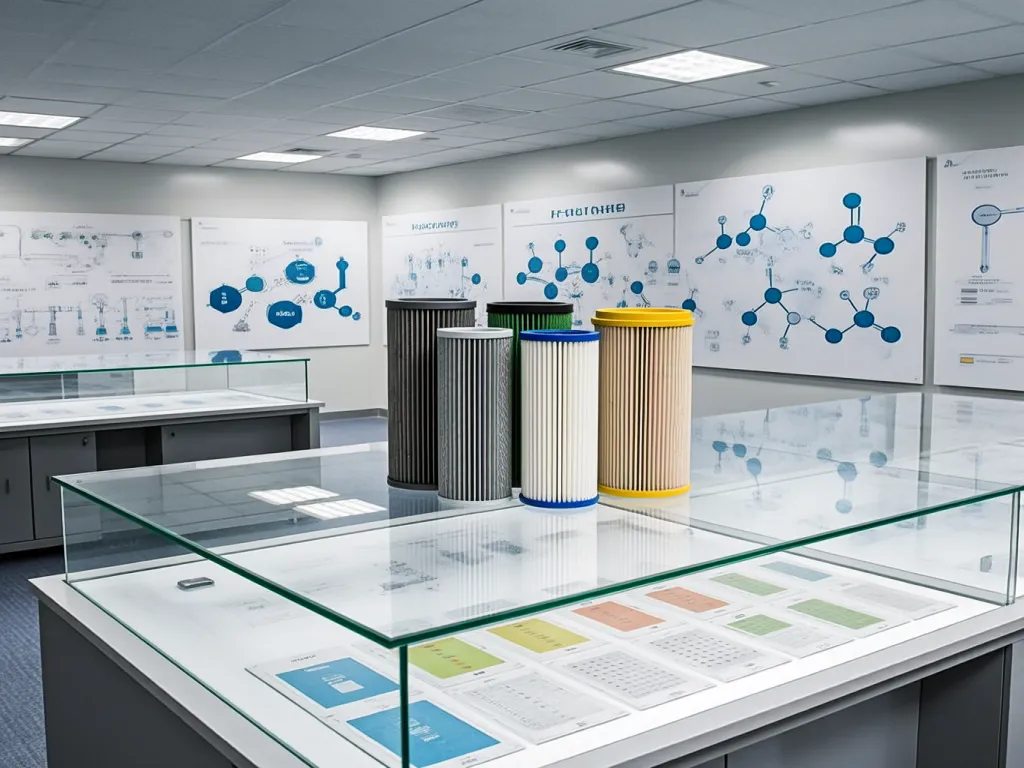
Choosing the right HS code for filtration bags can be overwhelming, especially when you’re dealing with both liquid and gas filtration applications. Each scenario demands specific materials, filtration precision, and cost considerations. To simplify your decision-making process, we’ve compiled a detailed comparison table below. This table summarizes the key attributes of various HS-coded filtration bags, including their suitability for liquid and gas filtration, filtration accuracy, and cost implications. Let’s dive in and explore how these factors can guide you toward the optimal choice for your industrial needs.
Comparison Table: HS-Coded Filtration Bags
| HS Code | Filtration Type | Suitable For | Filtration Precision (Microns) | Material | Key Features | Cost Range (Per Unit) |
|---|---|---|---|---|---|---|
| 5911.90.00 | Liquid Filtration | Chemicals, Food & Beverage | 1-100 | Polyester, Nylon | High chemical resistance, excellent flow rates | $10-$50 |
| 8421.39.90 | Gas Filtration | Dust, Fumes, Industrial Gases | 0.5-50 | Polypropylene, PTFE | High efficiency, low pressure drop | $15-$60 |
| 5911.40.00 | Liquid & Gas Filtration | Pharmaceuticals, Water Treatment | 0.1-50 | Nomex, Glass Fiber | Thermal stability, high filtration efficiency | $20-$80 |
| 6309.00.00 | Specialty Liquid Filtration | Oil, Paint, Coatings | 5-200 | Stainless Steel Mesh | Durable, reusable, high temperature resistance | $50-$200 |
| 8421.29.00 | High-Efficiency Gas Filtration | Cleanrooms, Semiconductor | 0.01-1 | HEPA/ULPA Filters | Ultra-high efficiency, minimal airflow restriction | $100-$500+ |
Understanding the Table
Filtration Type: This column indicates whether the HS-coded bag is primarily designed for liquid, gas, or both types of filtration. Understanding your application’s primary medium is crucial for selecting the right product.
Suitable For: Here, we’ve listed common industries or substances where each HS-coded bag excels. For instance, if you’re in the food and beverage industry, you’ll want to focus on bags with high chemical resistance and food-grade materials.
Filtration Precision: Measured in microns, this metric tells you how fine the filtration is. Lower numbers mean finer filtration, which is essential for applications requiring high purity, such as pharmaceuticals or semiconductor manufacturing.
Material: The material of the filtration bag affects its durability, chemical resistance, and thermal stability. Choose a material that aligns with your operational environment and the substances being filtered.
Key Features: This column highlights unique selling points of each HS-coded bag, such as high flow rates, thermal stability, or reusability. These features can be decisive factors in your selection process.
Cost Range: Finally, we’ve included a cost estimate per unit to help you budget effectively. Remember, higher initial costs may translate to long-term savings through durability and efficiency.
Making Your Decision
Now that you have this comprehensive comparison at your fingertips, how do you make the final call? Start by clearly defining your filtration needs: What are you filtering (liquid or gas)? What’s the required filtration precision? Are there any specific material requirements due to chemical exposure or temperature extremes? And, of course, what’s your budget?
By answering these questions and referring back to our table, you can narrow down your options to a few HS codes that best fit your criteria. Don’t hesitate to reach out to suppliers for samples or more detailed specifications if you’re still unsure. After all, investing a little extra time in the selection process can save you significant headaches and costs down the line.
Choosing the right filtration bags HS code isn’t just about ticking a box—it’s about unlocking efficiency, cutting costs, and ensuring seamless compliance in your industrial operations. By understanding the unique demands of liquid and gas filtration, you can now confidently select HS codes that align with your application’s precision, durability, and cost requirements. Want to streamline your decision-making further? Refer to our comprehensive comparison table and transform how you approach industrial filtration. Ready to elevate your filtration game? Share this guide with your team or explore our catalog for tailored solutions—because the right code makes all the difference.