
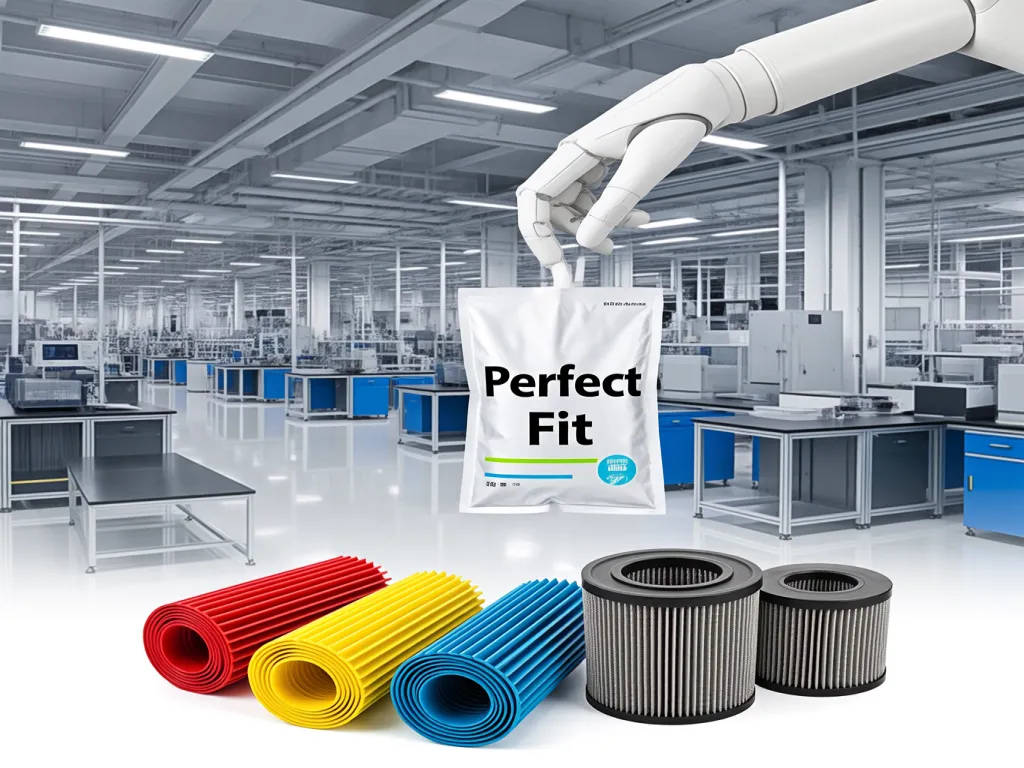
Navigating the maze of industrial filtration needs can be daunting. Whether you’re in the chemical, food, or pharmaceutical sector, selecting the right filtration bags is crucial for efficiency and cost-effectiveness. But how do you ensure you’re picking the perfect match for your specific industrial scenario? Dive into our guide on filtration bags, where we unravel the complexities and arm you with the knowledge to make informed decisions. Ready to transform your filtration system?
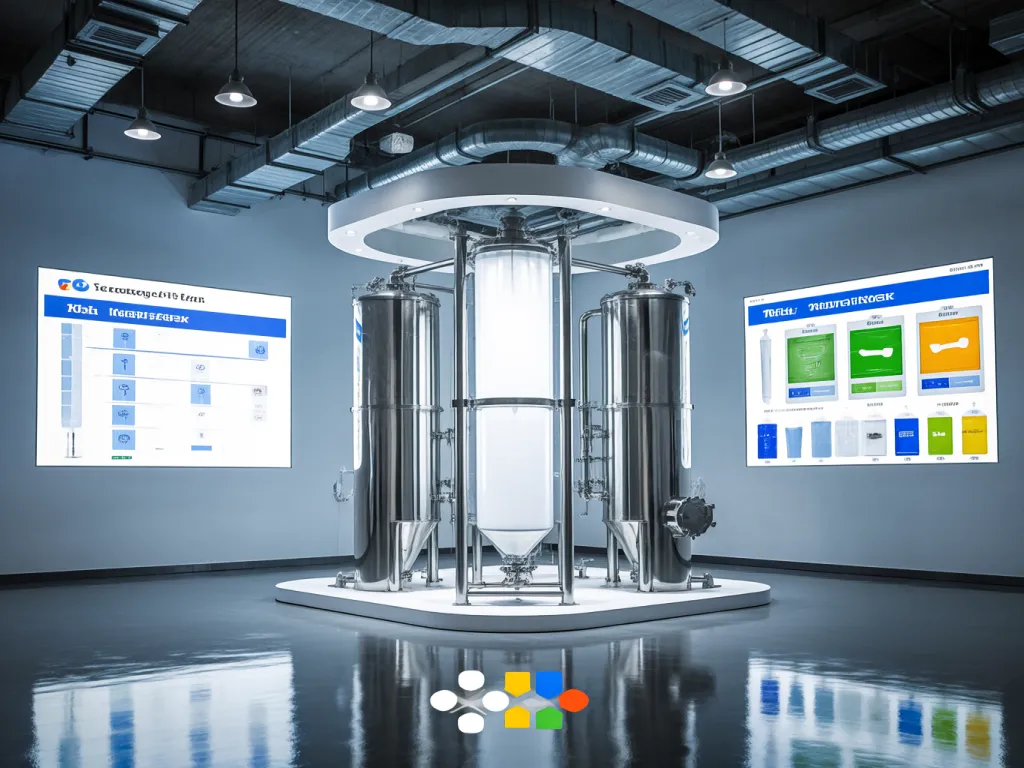
Industrial Scene Breakdown: Tailoring Filtration Bags to Your Needs
When it comes to industrial filtration, one size definitely doesn’t fit all. Each sector—be it chemicals, food processing, or pharmaceuticals—has its own unique set of challenges and requirements. So, how do you ensure you’re picking the right filtration bags for your specific needs? Let’s dive into the nitty-gritty of each industry’s filtration demands, focusing on particle size, temperature ranges, and chemical compatibility.
First up, the chemical industry. Here, you’re dealing with a wide array of substances, from corrosive acids to volatile solvents. The particle sizes can vary from fine powders to larger chunks, requiring filtration bags that can handle both without clogging or degrading. Temperature ranges can also be extreme, from cryogenic conditions to high-heat processes. Chemical compatibility is key; you need filtration bags that won’t react with the substances they’re filtering, potentially causing contamination or even dangerous reactions. So, for the chemical industry, look for filtration bags made from materials like PTFE or polypropylene, which offer excellent chemical resistance and can withstand a broad temperature spectrum.
Moving on to food processing, the stakes are high when it comes to hygiene and safety. Particle sizes here can range from fine flour dust in baking operations to larger fruit pieces in juice extraction. Temperature control is crucial, as many food processes involve heating or cooling steps. Chemical compatibility is less about reactive substances and more about ensuring the filtration bags don’t leach any harmful chemicals into the food. For food processing, filtration bags made from food-grade materials like polyester or nylon are ideal. They’re not only chemically inert but also easy to clean and maintain, ensuring your food products stay safe and pure.
Now, let’s talk about the pharmaceutical industry. Here, precision and purity are non-negotiable. Particle sizes can be incredibly small, requiring filtration bags with extremely fine mesh sizes to capture even the tiniest contaminants. Temperature control is often stringent, as many pharmaceutical processes involve sensitive biological materials that can be damaged by extreme temperatures. Chemical compatibility is paramount; any reaction between the filtration bag and the pharmaceutical substances could render the entire batch useless or even dangerous. For pharmaceutical applications, filtration bags made from materials like PTFE or specialized coated fabrics are often the go-to. They offer the highest level of chemical resistance and can be engineered to meet the most stringent purity standards.
So, as you can see, each industrial scene demands a tailored approach to filtration bag selection. It’s not just about finding a bag that fits; it’s about finding a bag that performs under the specific conditions of your industry. By understanding the particle sizes, temperature ranges, and chemical compatibility requirements of your sector, you can make an informed decision that ensures efficient filtration and cost optimization. Isn’t it time you gave your filtration system the upgrade it deserves?
Chemical Industry: Navigating Corrosive Waters
In the chemical industry, the filtration landscape is as diverse as the chemicals themselves. From acidic environments that can eat through metal to alkaline solutions that are just as harsh, your filtration bags need to be up to the task. Particle sizes can range from microscopic to macroscopic, requiring a range of mesh sizes. Temperature extremes are common, with some processes operating at sub-zero temperatures and others at boiling points. Chemical compatibility is the linchpin; a bag that reacts with the chemicals it’s filtering is a recipe for disaster. So, when selecting filtration bags for the chemical industry, prioritize materials known for their chemical resistance, like PTFE or specialized polypropylene blends. These materials can withstand the corrosive nature of many chemicals while maintaining their structural integrity.
Food Processing: Ensuring Purity and Safety
In the realm of food processing, the focus shifts to hygiene and safety. Particle sizes here are often related to the type of food being processed, from fine powders in spice blending to larger chunks in meat processing. Temperature control is crucial, as many food products are sensitive to heat and can spoil if not processed at the right temperature. Chemical compatibility in food processing is about ensuring that the filtration bags don’t introduce any contaminants into the food stream. This means opting for food-grade materials that are both chemically inert and easy to sanitize. Polyester and nylon are popular choices in the food industry, offering a balance of durability, chemical resistance, and ease of cleaning.
Pharmaceutical Industry: Precision and Purity at the Forefront
The pharmaceutical industry sets the bar high when it comes to filtration. Particle sizes can be so small that they require filtration bags with microscopic mesh sizes to capture them. Temperature control is often precise, as many pharmaceutical processes involve biological materials that are temperature-sensitive. Chemical compatibility is non-negotiable; any reaction between the filtration bag and the pharmaceutical substances could compromise the entire batch. For pharmaceutical applications, filtration bags made from materials like PTFE or specialized coated fabrics are often the preferred choice. These materials offer the highest level of chemical resistance and can be engineered to meet the most stringent purity and safety standards.
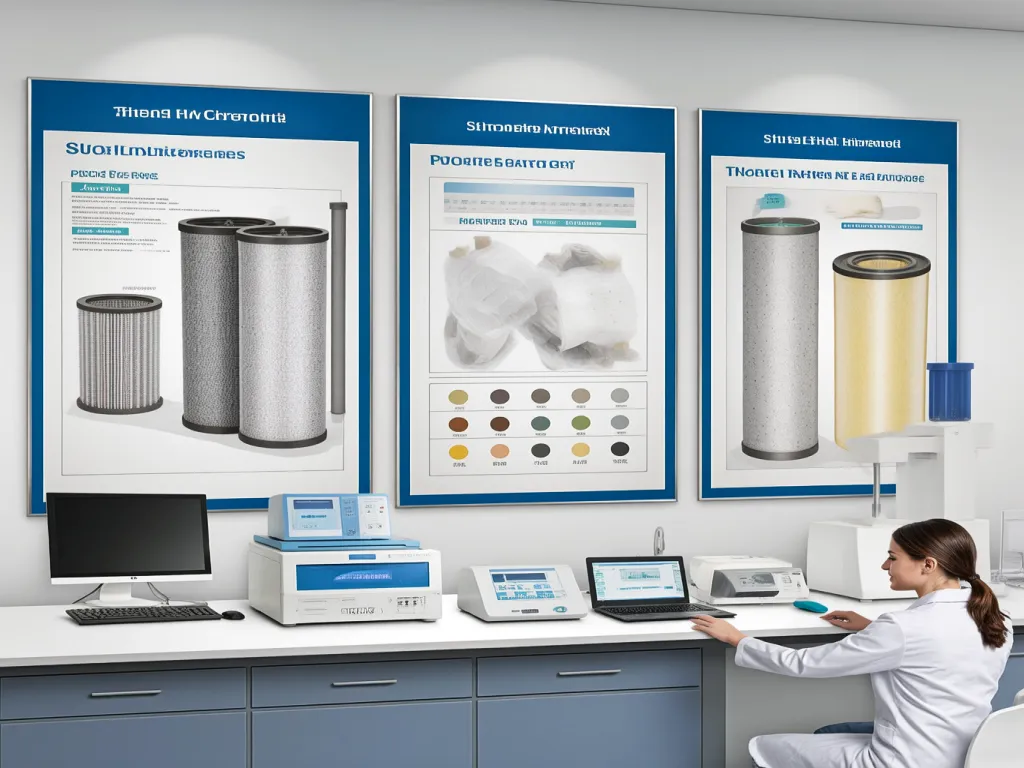
Material Matters: Choosing the Right Filtration Bags for Your Industry
When it comes to selecting filtration bags, the material isn’t just a detail—it’s the cornerstone of performance, durability, and cost-efficiency. Different industries demand different properties from their filtration solutions, and understanding the nuances of each material can save you from costly mistakes. Let’s dive into the most common materials used in filtration bags—polyester, polypropylene, and nylon—and explore their unique strengths, weaknesses, and ideal applications. You’ll soon see why material selection is not a one-size-fits-all decision but a tailored solution to your specific needs. For tailored solutions, explore our range of high-performance filtration bags designed for diverse industrial needs.
Polyester Filtration Bags: The Versatile Workhorse
Polyester is the Swiss Army knife of filtration materials. It’s strong, heat-resistant, and chemically stable, making it a go-to choice for many industrial applications. But what sets polyester apart? Let’s break it down:
Key Features:
- Temperature Resistance: Polyester can withstand continuous operating temperatures up to 275°F (135°C), making it suitable for medium-heat processes.
- Chemical Compatibility: It resists most acids, alkalis, and organic solvents, except strong oxidizing acids like nitric acid.
- Abrasion Resistance: Polyester fibers are tough, reducing wear and tear in high-flow or abrasive environments.
- Moisture Regain: Low moisture absorption ensures dimensional stability, even in humid conditions.
Ideal Applications:
- Chemical Processing: Polyester bags excel in filtering corrosive liquids and gases where chemical resistance is critical.
- Food and Beverage: Their non-toxic, FDA-compliant variants are perfect for edible oil filtration, juice clarification, and beer brewing.
- Metal Finishing: Used in plating baths and pickling operations to capture metal particles without degrading.
When to Avoid:
If your process involves strong oxidizing agents or temperatures exceeding 275°F, polyester may not be your best bet. In such cases, consider alternatives like PTFE or Nomex.
Polypropylene Filtration Bags: The Budget-Friendly Champion
Polypropylene is the cost-conscious engineer’s dream. It’s affordable, lightweight, and surprisingly resilient, but where does it truly shine? Let’s explore its pros and cons.
Key Features:
- Temperature Tolerance: Polypropylene handles up to 200°F (93°C) continuously, though it can soften near its melting point (320°F).
- Chemical Resistance: It resists most acids, alkalis, and solvents but degrades in contact with strong oxidizers like chlorine.
- Hydrophobicity: Water beads off polypropylene, making it ideal for oil-based filtration where moisture is a concern.
- Low Cost: Often cheaper than polyester or nylon, it’s a popular choice for budget-sensitive projects.
Ideal Applications:
- Aquaculture: Used in fish tank filters to trap debris without leaching chemicals.
- Paint and Coatings: Captures overspray and pigments in spray booths.
- Wastewater Treatment: Filters sludge and suspended solids in municipal and industrial effluent.
When to Avoid:
Avoid polypropylene in high-temperature applications or environments with strong oxidizers. Its lower melting point and susceptibility to UV degradation also limit outdoor use without additives. For cost-effective solutions, consider our industrial bag filters that offer high efficiency at a competitive price.
Nylon Filtration Bags: The High-Performance Specialist
Nylon isn’t just for hosiery—it’s a premium filtration material with exceptional strength and durability. But what makes it worth the extra cost?
Key Features:
- Temperature Resistance: Nylon withstands up to 350°F (177°C), suitable for high-heat processes.
- Abrasion Resistance: Its tough fibers resist fraying and puncturing, even in abrasive slurries.
- Chemical Stability: Resists most organic solvents, oils, and greases but degrades in strong acids like sulfuric acid.
- Moisture Absorption: Nylon absorbs moisture, which can affect dimensional stability in humid environments.
Ideal Applications:
- Pharmaceuticals: Filters sterile liquids and gases where particle retention is critical.
- Automotive: Used in paint booths and coolant filtration to capture fine metal shavings.
- Electronics: Filters plating solutions and chemical baths in semiconductor manufacturing.
When to Avoid:
Nylon’s high cost and moisture sensitivity make it less ideal for humid or acidic environments. If your budget is tight, polyester may offer a better balance of performance and affordability. For high-performance needs, explore our high-performance filter bags tailored for demanding industrial environments.
Why Material Selection Matters
Choosing the wrong filtration bag material can lead to premature failure, contamination, or increased downtime. For example, using polypropylene in a hot acid bath could melt the bag, while polyester in an oil-water separator might fail to repel moisture effectively. By understanding each material’s strengths and limitations, you can optimize your filtration system for efficiency, longevity, and safety.
Still unsure which material fits your needs? Ask yourself: What’s the maximum temperature my process reaches? Are there aggressive chemicals involved? How fine are the particles I need to capture? Answering these questions will guide you toward the perfect filtration bag. For dust collection applications, our high-efficiency dust collection filter bags provide reliable performance.
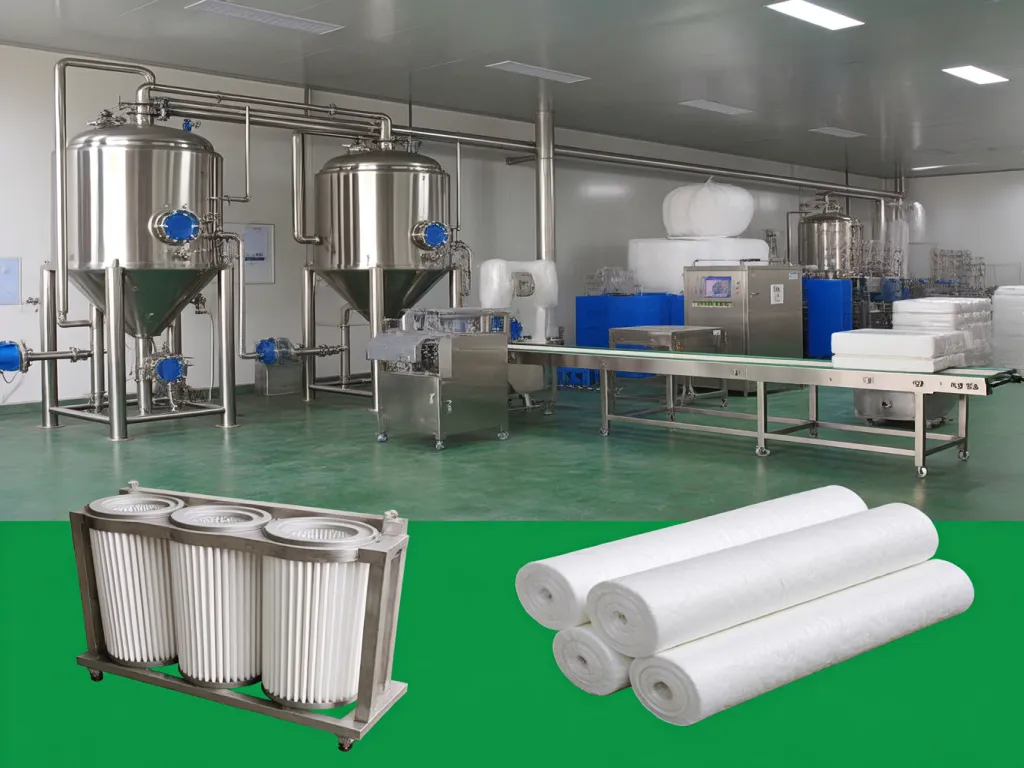
Case Studies: Successful Matches of Industrial Scenarios and Filtration Bags
Let’s dive into real-world examples where the right choice of filtration bags made a significant difference in industrial processes. These case studies not only highlight the importance of selecting the appropriate filtration bags but also demonstrate how tailored solutions can lead to enhanced efficiency, cost savings, and environmental benefits.
Case Study 1: Chemical Industry – Corrosive Resistant Filtration
In a chemical manufacturing plant, the primary challenge was dealing with highly corrosive substances during the filtration process. Traditional filtration bags were failing prematurely due to chemical degradation, leading to frequent replacements and increased downtime. The solution? Switching to filtration bags made from PTFE (Polytetrafluoroethylene), a material renowned for its exceptional chemical resistance and high-temperature tolerance. For those seeking high-performance filtration solutions, exploring high-performance filtration bags designed for specific industrial needs can be highly beneficial.
The PTFE filtration bags not only withstood the corrosive environment but also maintained their structural integrity over extended periods, reducing the frequency of replacements. This change resulted in a 30% reduction in operational costs related to filtration and a significant decrease in production interruptions. The plant manager noted, ‘Choosing the right filtration bags was a game-changer for us. It’s not just about filtering; it’s about ensuring uninterrupted production and minimizing waste.’
Case Study 2: Food Processing – High-Efficiency Particle Removal
A food processing company specializing in dairy products faced issues with fine particle contamination in their final products. The existing filtration system was inefficient in capturing micron-sized particles, leading to quality control failures and customer complaints. After a thorough analysis, the company opted for filtration bags made from a combination of polyester and nylon, designed specifically for high-efficiency particle removal in food-grade applications.
The new filtration bags significantly improved the purity of the dairy products, meeting stringent quality standards. Moreover, the bags were easy to clean and reuse, reducing the overall cost of filtration. The quality assurance manager remarked, ‘The right filtration bags have transformed our production process. We’ve seen a dramatic improvement in product quality and a reduction in waste, which directly translates to higher customer satisfaction and profitability.’
Case Study 3: Pharmaceutical Industry – Sterile Filtration
In the pharmaceutical sector, maintaining sterility is paramount. A pharmaceutical manufacturer was struggling to achieve the required level of sterility in their drug formulation process. The existing filtration bags were not providing adequate barrier protection against microbial contamination. The solution came in the form of filtration bags made from medical-grade polypropylene, featuring a tight pore structure and antimicrobial properties. For those in the pharmaceutical industry looking for reliable filtration solutions, considering high-performance industrial bag filters could be a step towards achieving sterility and compliance.
These specialized filtration bags effectively removed bacteria and other microorganisms, ensuring the sterility of the drug formulations. The implementation led to a 99.9% reduction in microbial contamination, meeting regulatory requirements and enhancing patient safety. The R&D director stated, ‘Investing in the right filtration bags was crucial for us. It not only ensured compliance with industry standards but also reinforced our commitment to producing safe and effective medications.’
These case studies underscore the critical role of selecting the right filtration bags for specific industrial scenarios. By understanding the unique requirements of each application and choosing filtration bags tailored to those needs, businesses can achieve optimal performance, cost efficiency, and regulatory compliance. So, how about your plant? Are you facing similar challenges? Maybe it’s time to reevaluate your filtration bag choices and unlock the potential for significant improvements.
Case Study 1 Subtitle: Chemical Resistance Pays Off
The chemical industry case highlights the importance of material selection. PTFE filtration bags, with their superior chemical resistance, proved to be the ideal choice for handling corrosive substances. This example shows that investing in high-quality, specialized filtration bags can lead to substantial cost savings and operational efficiency.
Case Study 2 Subtitle: Food Grade Filtration Excellence
In the food processing sector, the focus was on achieving high-efficiency particle removal without compromising food safety. The combination of polyester and nylon in the filtration bags provided the perfect balance of durability and filtration performance. For those in the food processing industry, exploring high-efficiency dust collection solutions can further enhance product quality and reduce waste. This case demonstrates how the right filtration solution can enhance product quality and reduce waste.
Case Study 3 Subtitle: Sterile Filtration in Pharmaceuticals
The pharmaceutical industry case emphasizes the criticality of maintaining sterility. Medical-grade polypropylene filtration bags, with their antimicrobial properties, ensured the drug formulations remained free from microbial contamination. This example illustrates how specialized filtration bags can play a pivotal role in meeting regulatory standards and ensuring patient safety.
Armed with insights into diverse industrial filtration demands and the unique properties of various filtration bag materials, you’re now equipped to select the optimal filtration bags for your needs. Remember, the right choice can significantly enhance your system’s efficiency and reduce costs. Why settle for mediocre when you can achieve excellence? Share this guide with peers or explore our website for more tailored filtration solutions. The journey to perfect filtration doesn’t end here—what other industrial challenges will you conquer next?