
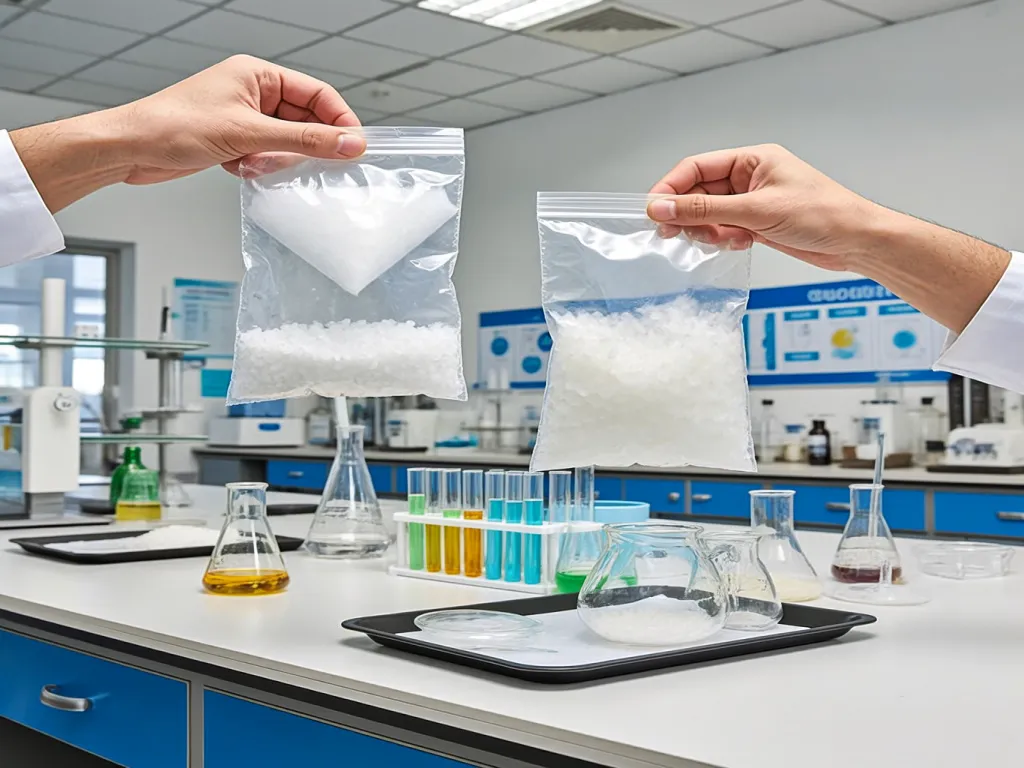
When it comes to ensuring clean water in industrial settings, filtration bags for water are the unsung heroes. But have you ever wondered which material truly reigns supreme in terms of filtering efficiency and longevity? Whether you’re a business owner scouting for reliable suppliers or a maintenance pro seeking the best fit for your equipment, understanding the nuances of different filtration bag materials is crucial. Let’s dive deep into the world of filtration bags for water and uncover the secrets to optimal performance.
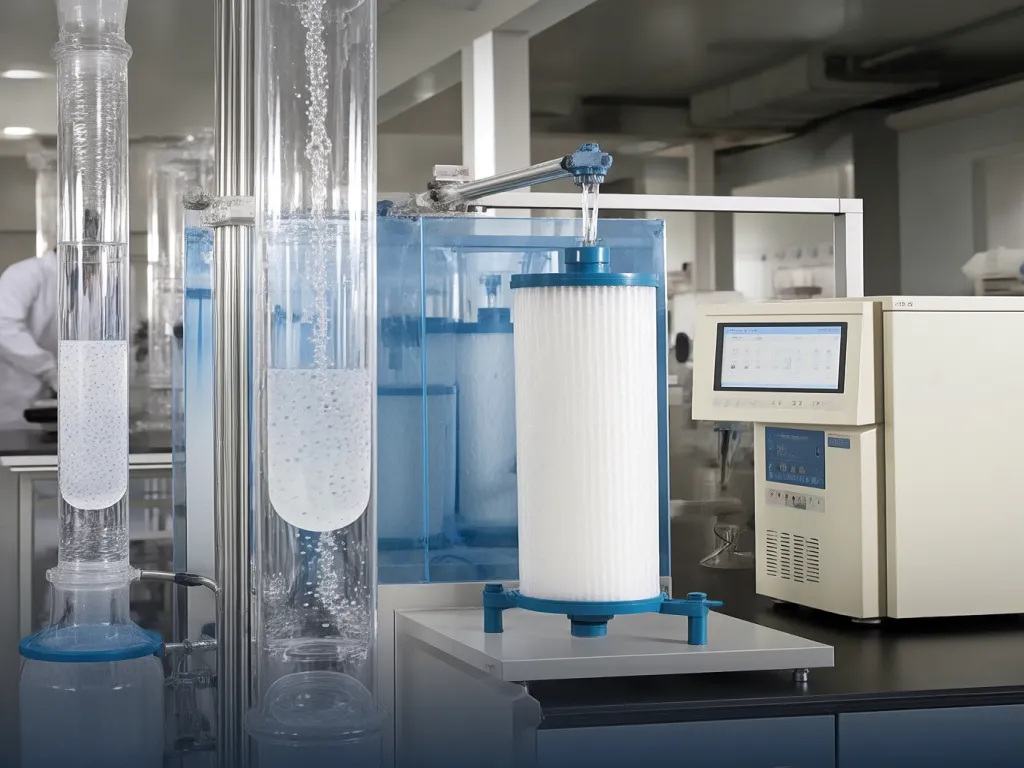
Polypropylene Filter Bags: Exploring the Application of Polypropylene Material in Filtration Bags for Water, Analyzing Its Filtration Efficiency and Durability Characteristics, as Well as Performance Under Different Water Quality Conditions
When it comes to filtration bags for water, the choice of material is crucial. Among the various options available, polypropylene has emerged as a popular and reliable choice. But what makes polypropylene so special in the realm of water filtration? Let’s dive deep into its application, filtration efficiency, durability, and performance under different water quality conditions.
Polypropylene, a thermoplastic polymer, boasts a unique combination of properties that make it ideal for filtration bags. Its chemical inertness ensures that it doesn’t react with most chemicals present in water, making it a safe choice for a wide range of applications. This non-reactive nature also means that polypropylene filter bags can be used in environments where other materials might degrade or leach harmful substances into the filtered water.
Now, let’s talk about filtration efficiency. Polypropylene filter bags excel in capturing particles of various sizes. Their microfibrous structure creates a dense network of pores that effectively trap solids, sediments, and even some microorganisms. The filtration efficiency can be further enhanced by adjusting the pore size and the thickness of the filter bag. This flexibility allows polypropylene filter bags to cater to different filtration needs, from coarse filtration to fine polishing.
But how durable are these filter bags? Well, polypropylene is known for its excellent resistance to wear and tear. It can withstand repeated cleaning cycles without losing its structural integrity. This durability translates into longer service life, reducing the frequency of filter bag replacements and thus lowering operational costs. Moreover, polypropylene’s resistance to UV radiation makes it suitable for outdoor applications where the filter bags might be exposed to sunlight.
Now, let’s consider the performance of polypropylene filter bags under different water quality conditions. In clean water with low particulate content, these filter bags can operate efficiently for extended periods. However, in water with high turbidity or containing abrasive particles, the filtration rate might decrease over time as the pores get clogged. But here’s the beauty of polypropylene: it can be easily backwashed or chemically cleaned to restore its filtration capacity. This regenerative ability ensures consistent performance even in challenging water conditions.
Have you ever wondered how polypropylene filter bags compare to other materials in terms of cost-effectiveness? While the initial cost might be slightly higher than some alternatives, the long-term savings due to reduced replacement frequency and lower maintenance costs make it a financially sound choice. Plus, the peace of mind knowing that you’re using a reliable and safe filtration solution is priceless.
In industrial settings where water quality varies greatly, polypropylene filter bags offer a versatile solution. Whether it’s in cooling towers, wastewater treatment plants, or food and beverage processing facilities, these filter bags can adapt to the specific needs of each application. Their ability to handle a wide range of temperatures and chemical compositions further adds to their appeal.
Chemical Resistance and Safety
One of the standout features of polypropylene filter bags is their chemical resistance. Unlike some materials that might react with certain chemicals in water, polypropylene remains stable. This not only ensures the purity of the filtered water but also extends the lifespan of the filter bags. Imagine using a filter bag that leaches harmful substances into your processed water – that’s a risk you don’t have to take with polypropylene.
Customizable Filtration Efficiency
The filtration efficiency of polypropylene filter bags isn’t set in stone. By adjusting the pore size and the thickness, manufacturers can tailor these filter bags to meet specific filtration requirements. Whether you need to remove large debris or fine particulates, there’s a polypropylene filter bag designed for the job. This customization capability is a game-changer in industries where precise filtration is critical.
Durability in Harsh Environments
Polypropylene’s durability is another reason why it’s a top choice for filtration bags. It can withstand harsh environments, including those with high temperatures and corrosive chemicals. This resilience means fewer replacements and less downtime, which is crucial in industries where continuous operation is essential. Plus, the ease of cleaning and regenerating polypropylene filter bags adds to their cost-effectiveness.
Polyester Filtration Bags: Unveiling Their Performance in Water Filtration
When it comes to choosing the right filtration bags for water, understanding the nuances of different materials is crucial. Among the plethora of options, polyester filtration bags stand out for their exceptional performance. But how do they stack up against polypropylene counterparts? Let’s dive deep into the world of polyester filtration bags, exploring their particle interception capabilities, chemical stability, lifespan, and how they compare to polypropylene bags.
Polyester filtration bags are engineered to excel in water filtration applications. Their unique structure allows for efficient interception of particles, ranging from fine sediments to larger debris. The secret lies in their tight weave and surface filtration mechanism, which effectively traps particles on the bag’s surface, preventing them from passing through. This makes polyester bags ideal for applications where high levels of purity are required, such as in pharmaceuticals, food and beverage processing, and industrial wastewater treatment.
But what about their chemical stability? Polyester is known for its resistance to a wide range of chemicals, including acids, alkalis, and solvents. This means that polyester filtration bags can withstand harsh chemical environments without degrading, ensuring consistent performance over time. Whether you’re dealing with corrosive liquids or aggressive cleaning agents, polyester bags have got you covered. For more information on chemical resistance in filtration materials, you can refer to this scientific overview of chemical resistance.
Now, let’s talk about lifespan. Polyester filtration bags are designed to last. Their robust construction and resistance to wear and tear mean that they can withstand repeated use and cleaning cycles without losing their effectiveness. This translates to lower replacement costs and reduced downtime, making polyester bags a cost-effective choice in the long run. Compared to polypropylene bags, which may degrade faster under certain conditions, polyester bags offer a longer service life, providing better value for money.
Advantages of Polyester Over Polypropylene
So, what sets polyester filtration bags apart from their polypropylene counterparts? For starters, polyester bags offer superior particle interception capabilities. Their tight weave and surface filtration mechanism ensure that even the smallest particles are captured, resulting in cleaner filtered water. Polypropylene bags, on the other hand, may allow some finer particles to pass through, especially in applications with high flow rates or where the particles are very small.
Another advantage of polyester is its chemical stability. While polypropylene is also resistant to many chemicals, it may not fare as well in extremely acidic or alkaline environments. Polyester, with its broader chemical resistance, can handle a wider range of chemicals without compromising its performance. This makes polyester bags a safer and more reliable choice in applications where chemical compatibility is a concern.
Finally, when it comes to lifespan, polyester bags have the upper hand. Their robust construction and resistance to wear and tear mean that they can withstand more use and cleaning cycles than polypropylene bags. This translates to fewer replacements and lower maintenance costs over time. So, if you’re looking for a filtration bag that offers long-lasting performance and value, polyester is the way to go.
Limitations of Polypropylene Bags
While polypropylene filtration bags have their place in certain applications, they do come with some limitations. One of the main drawbacks is their particle interception capabilities. As mentioned earlier, polypropylene bags may allow some finer particles to pass through, especially in high-flow applications. This can result in less pure filtered water and may require additional filtration steps to achieve the desired level of purity.
Another limitation of polypropylene bags is their chemical stability. While they are resistant to many common chemicals, they may not hold up as well in extremely acidic or alkaline environments. This can lead to degradation of the bag material over time, compromising its performance and potentially causing contamination issues.
Finally, polypropylene bags generally have a shorter lifespan compared to polyester bags. Their less robust construction and susceptibility to wear and tear mean that they may need to be replaced more frequently, increasing maintenance costs and downtime.
Nylon Filtration Bags: Unveiling Unique Advantages in Water Filtration
When it comes to filtration bags for water, nylon emerges as a standout material with a host of unique advantages. Have you ever wondered what makes nylon so special in the realm of water filtration? Let’s dive in and explore the remarkable features that set nylon filtration bags apart.
One of the most prominent advantages of nylon in water filtration bags is its exceptional high strength. Nylon fibers are incredibly robust, which means they can withstand significant pressure without breaking or deforming. This high – strength characteristic is crucial in water filtration applications where the bags are constantly exposed to the force of flowing water. Whether it’s in a large – scale industrial water treatment plant or a smaller – scale municipal water supply system, nylon filtration bags can hold up under intense pressure, ensuring consistent and reliable filtration performance.
Another key benefit of nylon is its remarkable resistance to wear and tear. In water filtration, the bags are constantly in contact with various particles and substances in the water. These can range from fine sediment to larger debris. Over time, this constant abrasion can take a toll on the filtration material. However, nylon’s inherent durability makes it highly resistant to such wear. It can endure repeated contact with these particles without showing signs of significant degradation. This means that nylon filtration bags have a longer lifespan compared to some other materials, reducing the need for frequent replacements and saving you both time and money in the long run.
Nylon also exhibits excellent chemical resistance. Water often contains a variety of chemicals, either naturally occurring or added during the treatment process. These chemicals can potentially react with and damage the filtration material. But nylon is highly resistant to many common chemicals found in water, such as acids, alkalis, and some organic solvents. For a more in – depth understanding of how nylon reacts with different chemicals in water filtration, you can refer to relevant chemical research papers. This chemical stability ensures that the filtration bags maintain their integrity and performance even when exposed to different chemical environments, making them a reliable choice for a wide range of water filtration applications.
Let’s consider some specific application scenarios where nylon filtration bags truly shine. In industrial settings where the water contains a high concentration of abrasive particles, like in mining operations or metalworking facilities, the high strength and wear – resistance of nylon are invaluable. The bags can effectively filter out these particles without getting damaged quickly, ensuring uninterrupted production processes. In municipal water treatment plants, where the water may contain a mix of chemicals for purification, nylon’s chemical resistance comes into play. It can handle the chemical treatments without compromising the filtration efficiency, providing clean and safe drinking water to the community.
In conclusion, nylon filtration bags offer a combination of high strength, wear – resistance, and chemical stability that makes them a top – notch choice for water filtration. Their ability to perform well in various challenging environments and specific application scenarios sets them apart from other materials. So, if you’re looking for a reliable and long – lasting solution for your water filtration needs, nylon filtration bags are definitely worth considering.
After dissecting the filtration prowess and durability of polypropylene, polyester, and nylon filtration bags for water, it’s clear that each material brings its own set of strengths to the table. Polypropylene shines with its cost-effectiveness, polyester boasts exceptional chemical resistance, and nylon impresses with its robustness. The key takeaway? There’s no one-size-fits-all solution. Your choice should hinge on your specific needs—be it the nature of the water, the volume to be filtered, or the longevity you seek. Ready to elevate your water filtration game? Take a closer look at our material guide and pick the filtration bag that aligns perfectly with your requirements. And remember, the journey to cleaner water doesn’t end here—there’s always more to discover in the ever-evolving world of filtration technology.