
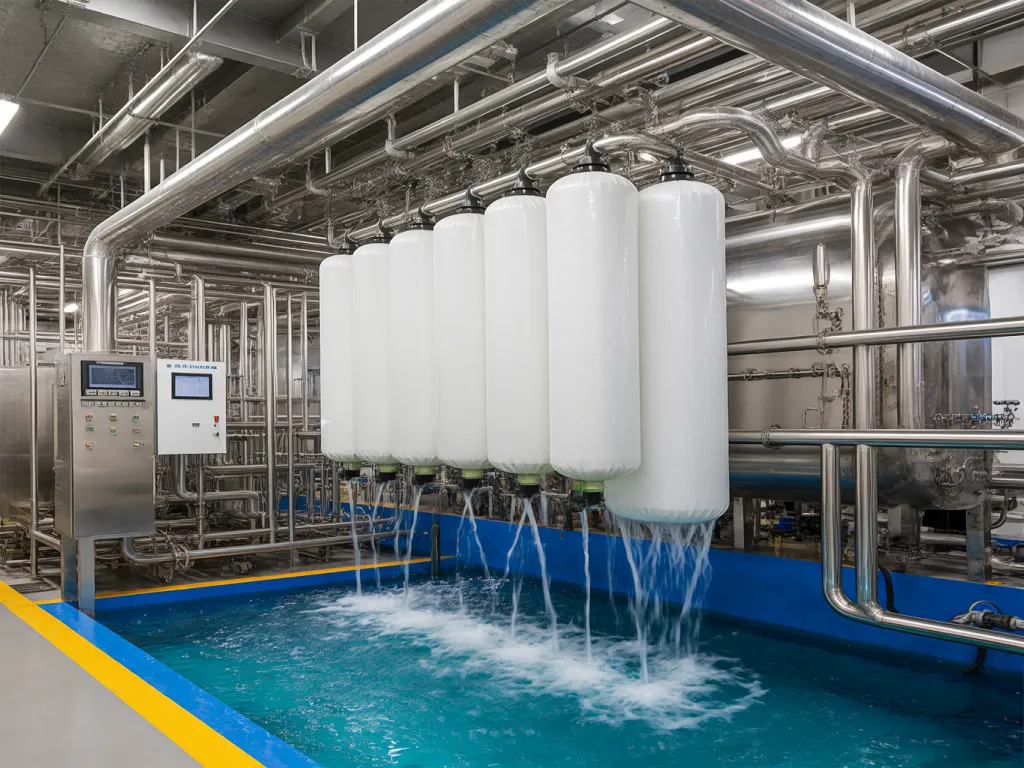
When it comes to industrial water treatment, the stakes are high. Contaminants lurk in every corner, threatening to disrupt processes and compromise quality. Enter the unsung hero: the filtration bag for water treatment in industry. But here’s the kicker: not all filtration bags are created equal. How do you ensure you’re choosing the right one for your specific needs? Let’s dive into the nitty-gritty of filtration bag precision and uncover the secrets to optimal water treatment.
Understanding Contaminants and Filtration Bag Precision in Industrial Water Treatment
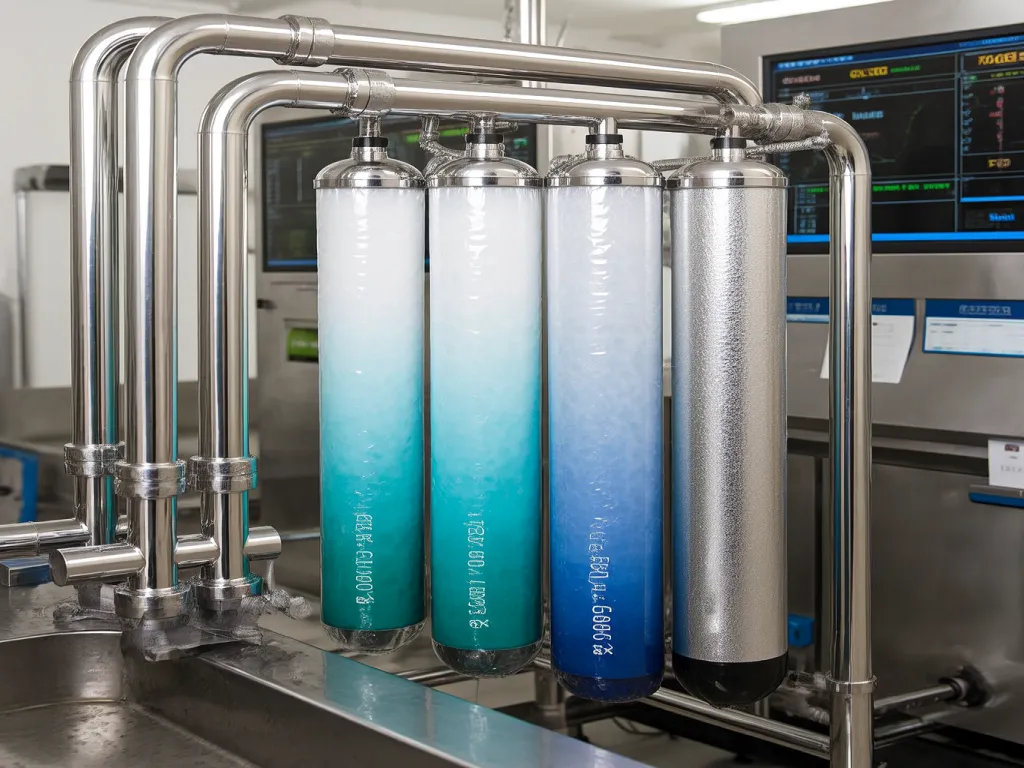
When it comes to industrial water treatment, the first step in choosing the right filtration bag is understanding the types and concentration ranges of contaminants you’re dealing with. Imagine your water treatment system as a fortress, and contaminants are the invaders trying to break through. Each type of invader requires a different defense strategy, right? So, let’s break down the common culprits and see how filtration bag precision plays a crucial role in keeping your water clean. First up, we have suspended solids. These are particles like sand, silt, and organic matter that float around in your water. Their concentration can vary widely, from a few milligrams per liter in relatively clean water to several hundred in heavily polluted sources. For these, a filtration bag with a coarser precision, say around 50-100 microns, can effectively trap the larger particles while allowing the water to flow through smoothly. But what if your water is teeming with finer particles? Enter colloidal contaminants. These tiny particles, often less than 1 micron in size, can pass right through coarser filters. To catch these sneaky invaders, you’ll need a filtration bag with a much finer precision, typically in the 1-10 micron range. This ensures that even the smallest particles are captured, leaving your water crystal clear. Now, let’s talk about dissolved contaminants. These are substances like salts, metals, and chemicals that have dissolved into the water. Unlike suspended solids, they don’t settle out and can’t be filtered out by physical means alone. However, a high-precision filtration bag can still play a role in removing some dissolved contaminants, especially when combined with other treatment methods like ion exchange or reverse osmosis. For instance, a filtration bag with a precision of 1 micron or less can remove larger dissolved molecules and prevent them from clogging up your downstream treatment equipment. But here’s the thing: the concentration of dissolved contaminants can vary greatly depending on your industry and the specific chemicals used. In some cases, you might be dealing with concentrations in the parts per million (ppm) range, while in others, it could be parts per billion (ppb) or even lower. This is where understanding your specific water quality requirements becomes crucial. By knowing the concentration ranges of your contaminants, you can choose a filtration bag with the right precision to effectively remove them without over-filtering and wasting resources. So, how does filtration bag precision affect the removal efficiency of these contaminants? Well, it’s all about finding the sweet spot. Too coarse, and you’ll let too many contaminants through. Too fine, and you’ll clog up your filter quickly, increasing maintenance costs and downtime. The key is to match the filtration bag precision to the size and concentration of your contaminants. For example, if you’re dealing with high concentrations of suspended solids, a coarser filter might be more cost-effective in the long run, even if it means accepting a slightly lower removal efficiency. On the other hand, if your water quality standards are extremely stringent, you might need to invest in a higher-precision filter to ensure compliance. In the end, choosing the right filtration bag precision for your industrial water treatment system is all about balance. You need to consider the types and concentrations of your contaminants, your water quality requirements, and your budget constraints. By doing so, you can ensure that your filtration system is operating at peak efficiency, keeping your water clean and your operations running smoothly.
Suspended Solids and Coarse Filtration
Suspended solids are the most visible contaminants in industrial water. They can range from large sand particles to fine organic matter. The concentration of suspended solids can vary significantly, from a few mg/L in clean water to several hundred mg/L in polluted sources. For these, a coarse filtration bag, typically with a precision of 50-100 microns, is effective. It traps the larger particles while allowing water to pass through, maintaining a good flow rate and reducing the frequency of filter changes.
Colloidal Contaminants and Fine Filtration
Colloidal contaminants are much smaller, often less than 1 micron. They can pass through coarser filters, requiring a finer filtration bag with a precision of 1-10 microns. This level of precision ensures that even the smallest particles are captured, preventing them from causing issues downstream. Fine filtration is crucial in industries where water purity is critical, such as pharmaceuticals or electronics manufacturing.
Dissolved Contaminants and High-Precision Filtration
Dissolved contaminants, including salts, metals, and chemicals, pose a unique challenge. They can’t be filtered out by physical means alone, but a high-precision filtration bag can still play a role. A filter with a precision of 1 micron or less can remove larger dissolved molecules, protecting downstream equipment from clogging. However, for complete removal of dissolved contaminants, additional treatment methods like ion exchange or reverse osmosis are often necessary.
Contrasting Application Scenarios of Filtration Bags with Different Precision Levels: Pre – treatment, Fine Filtration, and More
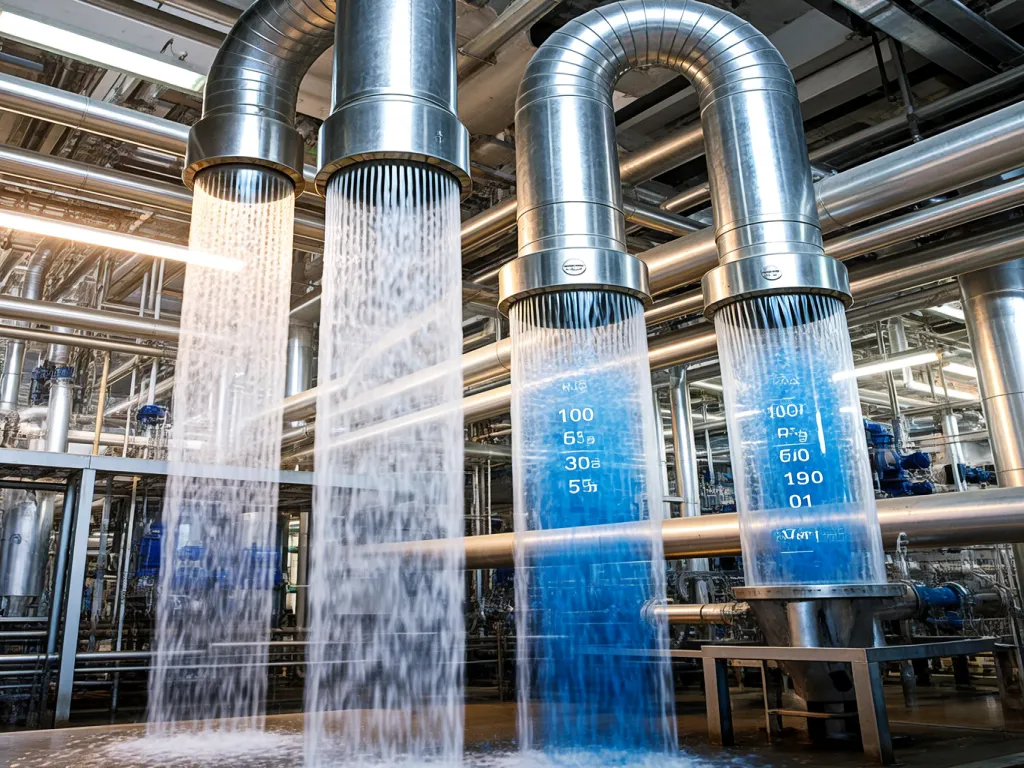
When it comes to industrial water treatment, the choice of filtration bag precision is far from a one – size – fits – all decision. Different application scenarios demand varying levels of filtration accuracy to achieve optimal results. Let’s dive into the specifics of how different precision filtration bags are used in pre – treatment, fine filtration, and other common industrial water treatment scenarios, along with real – world case studies.
Pre – treatment: The First Line of Defense
Pre – treatment is a crucial step in industrial water treatment. Its main goal is to remove large particles, debris, and suspended solids from the water before it enters the main treatment system. This helps protect downstream equipment from damage and clogging, ensuring the overall efficiency of the water treatment process.
For pre – treatment, filtration bags with relatively lower precision levels, typically in the range of 50 – 100 microns, are often sufficient. These bags can effectively capture larger contaminants like sand, silt, and rust particles. For example, in a steel manufacturing plant, raw water from nearby rivers or wells often contains a significant amount of suspended solids. By using 80 – micron filtration bags in the pre – treatment stage, the plant can remove up to 80% of the large particles. This not only reduces the wear and tear on pumps and valves but also extends the lifespan of more expensive fine – filtration equipment downstream.
Fine Filtration: Precision Matters
Fine filtration is where the real magic happens in terms of achieving high – quality treated water. This stage is designed to remove smaller particles, such as fine sediments, bacteria, and some dissolved substances. Filtration bags with precision levels ranging from 1 – 50 microns are commonly used in fine filtration applications.
Take a pharmaceutical manufacturing facility as an example. The water used in drug production must meet extremely strict purity standards. Any impurities, even at the microscopic level, can affect the quality and safety of the final products. In this case, the plant uses 5 – micron filtration bags in the fine – filtration stage. These bags can effectively remove bacteria and very fine sediments, ensuring that the water used in the production process is of the highest quality. As a result, the plant has been able to consistently produce pharmaceuticals that meet international quality standards.
Intermediate Filtration: Bridging the Gap
In some industrial water treatment systems, there’s a need for an intermediate filtration stage between pre – treatment and fine filtration. This stage typically uses filtration bags with precision levels in the range of 10 – 30 microns. It helps further refine the water quality by removing medium – sized particles that may have passed through the pre – treatment stage but are still too large for fine filtration.
For instance, in a food and beverage processing plant, the water used for cleaning and sterilizing equipment needs to be of a certain purity. The plant uses 20 – micron filtration bags in the intermediate filtration stage. This step ensures that any remaining fine sediments or small organic matter are removed before the water enters the fine – filtration stage. By implementing this intermediate step, the plant has reduced the frequency of fine – filtration bag replacements and improved the overall efficiency of the water treatment system.
Specialized Filtration: Meeting Unique Needs
There are also specialized industrial water treatment scenarios that require filtration bags with unique precision levels. For example, in semiconductor manufacturing, the water used in the production process must be free of even the tiniest particles, as any contamination can lead to defects in the semiconductor chips. In such cases, ultra – fine filtration bags with precision levels as low as 0.1 micron or even lower are used.
A semiconductor manufacturing company invested in 0.1 – micron filtration bags for its water treatment system. Although these bags are more expensive and require more frequent replacement compared to coarser bags, the investment has paid off. The company has seen a significant reduction in product defects, leading to increased customer satisfaction and higher profit margins.
Case Study: Chemical Plant Pre – treatment
A chemical plant was facing issues with clogged pipes and damaged pumps due to the high levels of suspended solids in the raw water. Initially, they were using a pre – treatment system with a relatively low – capacity filter. After consulting with our experts, they switched to 60 – micron filtration bags. The results were remarkable. The frequency of pipe clogging reduced by 70%, and the lifespan of the pumps increased by 50%. This not only saved the plant a significant amount of money on maintenance and replacement costs but also improved the overall efficiency of the production process.
Case Study: Electronics Factory Fine Filtration
An electronics factory was struggling to meet the strict water quality requirements for its manufacturing process. The existing fine – filtration system was using 10 – micron filtration bags, but there were still occasional issues with product defects caused by water contamination. After a detailed analysis, we recommended switching to 3 – micron filtration bags. The change was a game – changer. The number of product defects related to water contamination dropped to almost zero, and the factory was able to increase its production output without compromising on quality.
Impact of Filtration Bag Precision on System Performance: Energy, Maintenance, and Costs
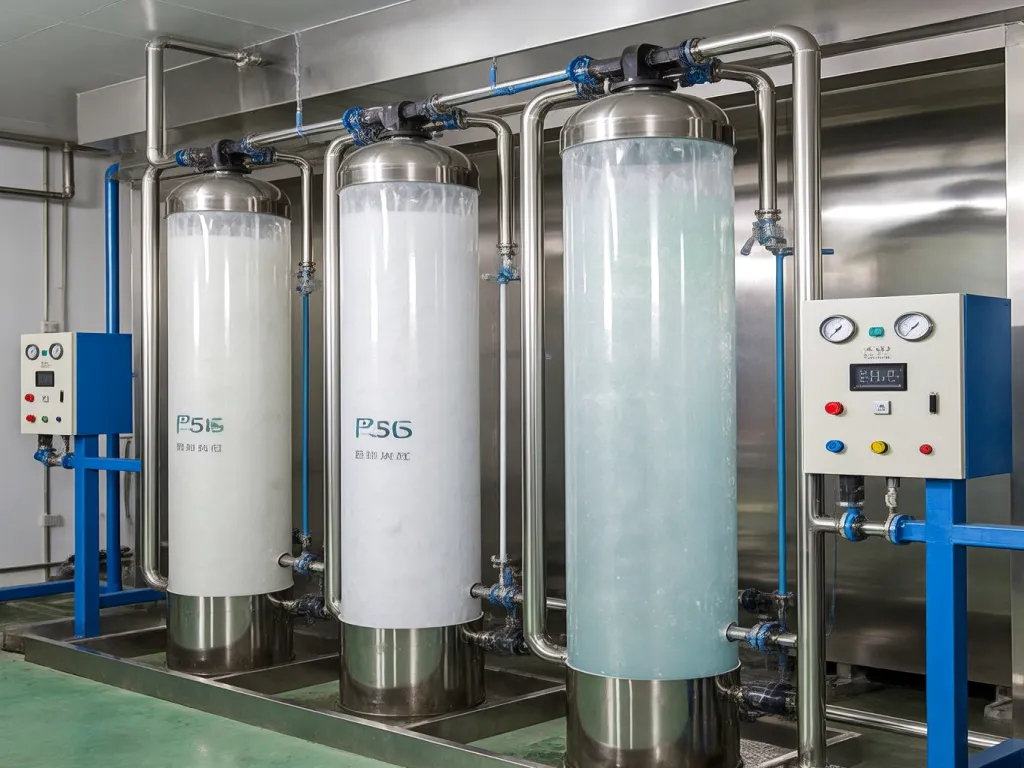
Choosing the right filtration bag precision for industrial water treatment isn’t just about removing contaminants—it’s a strategic decision that affects your entire system’s efficiency, maintenance needs, and long-term costs. Let’s break down how filtration precision impacts these critical areas so you can make an informed choice that benefits your bottom line.
Energy Consumption: Precision Matters
The filtration precision of your bag directly influences how hard your system has to work. A bag with lower precision (larger pore size) might seem cost-effective initially, but it allows more particles through, requiring secondary filtration stages or more frequent backwashing. This increases energy use as pumps and motors work overtime to maintain water quality. Conversely, a high-precision bag (smaller pore size) captures more contaminants upfront, reducing the load on downstream systems and lowering overall energy consumption.
For example, in a power plant cooling water system, switching from a 50-micron to a 10-micron filtration bag reduced pump energy usage by 15% because the cleaner water required less force to circulate. However, going too fine (e.g., 1-micron) can increase pressure drop, forcing pumps to work harder. The sweet spot? Balance precision with flow rate requirements to optimize energy efficiency.
Maintenance Frequency: Precision vs. Practicality
Filtration precision also dictates how often you’ll need to replace or clean bags. Lower-precision bags clog faster with larger particles, leading to frequent downtime for replacements. This is common in pre-treatment stages where heavy solids are present. High-precision bags, while capturing finer particles, may last longer in clean water applications but can blind quickly if the particle load is unexpectedly high.
Consider a food processing plant: Using a 20-micron bag for wastewater pre-treatment required weekly replacements due to organic debris. Switching to a 30-micron bag with a pre-screen reduced replacements to monthly, cutting labor costs by 60%. The key is matching precision to the expected contaminant load and scheduling maintenance proactively rather than reactively.
Long-Term Operational Costs: The Hidden Savings
While high-precision bags cost more upfront, they often reduce long-term expenses. Fewer replacements mean lower material costs and less labor. Cleaner filtered water extends the lifespan of downstream equipment like membranes, heat exchangers, and valves by preventing fouling. For instance, a chemical plant using 5-micron bags instead of 10-micron reduced membrane cleaning frequency by 40%, saving $12,000 annually in replacement costs.
But precision isn’t one-size-fits-all. Over-specifying can lead to unnecessary costs. A mining operation once used 1-micron bags for tailings water, only to find that 5-micron bags provided adequate filtration at half the price. Always validate precision needs with pilot testing or historical data to avoid overspending.
The Balancing Act: Precision, Performance, and Profit
Ultimately, filtration precision is a trade-off between initial investment and long-term savings. Start by analyzing your water’s contaminant profile and system constraints. Ask: What’s the cost of downtime? How critical is water quality to your process? Can you tolerate occasional spikes in turbidity?
By aligning precision with these factors, you’ll strike a balance that minimizes energy use, reduces maintenance, and cuts operational costs. And remember, the right filtration partner can help you model these trade-offs—so don’t hesitate to reach out for a customized analysis.
Energy Consumption: Finding the Sweet Spot
Energy costs often sneak up on you. A lower-precision bag might seem cheaper, but if it causes your pumps to run 20% longer to maintain pressure, those savings evaporate. Conversely, ultra-fine bags can create backpressure, forcing pumps to work harder. The solution? Test different precisions under real-world conditions. Use flow meters and power monitors to track energy use across options. You might find that a 15-micron bag offers the best energy-to-contaminant ratio for your application.
Maintenance: Predictable vs. Reactive
Frequent bag changes disrupt operations. If your team spends hours weekly replacing clogged bags, that’s lost productivity. High-precision bags reduce this, but only if the contaminant load matches the precision. For example, a pulp and paper mill using 10-micron bags for white water recycling faced daily clogs due to fiber fragments. Switching to a 25-micron bag with a self-cleaning screen cut replacements to bi-weekly. The lesson? Let data guide precision—install particle counters or turbidity sensors to predict maintenance needs.
Long-Term Costs: Beyond the Bag
The true cost of filtration includes downstream impacts. A bag that lets through 0.5% more particles might seem harmless, but over months, those particles can scale boilers, foul RO membranes, or corrode pipes. A semiconductor fab learned this the hard way: Using 3-micron bags instead of 1-micron for ultrapure water led to $50,000 in membrane damage annually. Always factor in the ‘hidden costs’ of inadequate filtration when choosing precision.
Choosing the right filtration bag for water treatment in industry isn’t just about ticking a box—it’s about unlocking unparalleled efficiency and quality. By understanding your contaminants, matching precision to application, and weighing long-term costs, you’re setting your system up for success. Ready to take your industrial water treatment to the next level? Let’s craft a customized filtration solution tailored to your unique needs. The future of efficient water treatment starts here—what are you waiting for?